IN
IN₹
Apparel & Fashion
Description
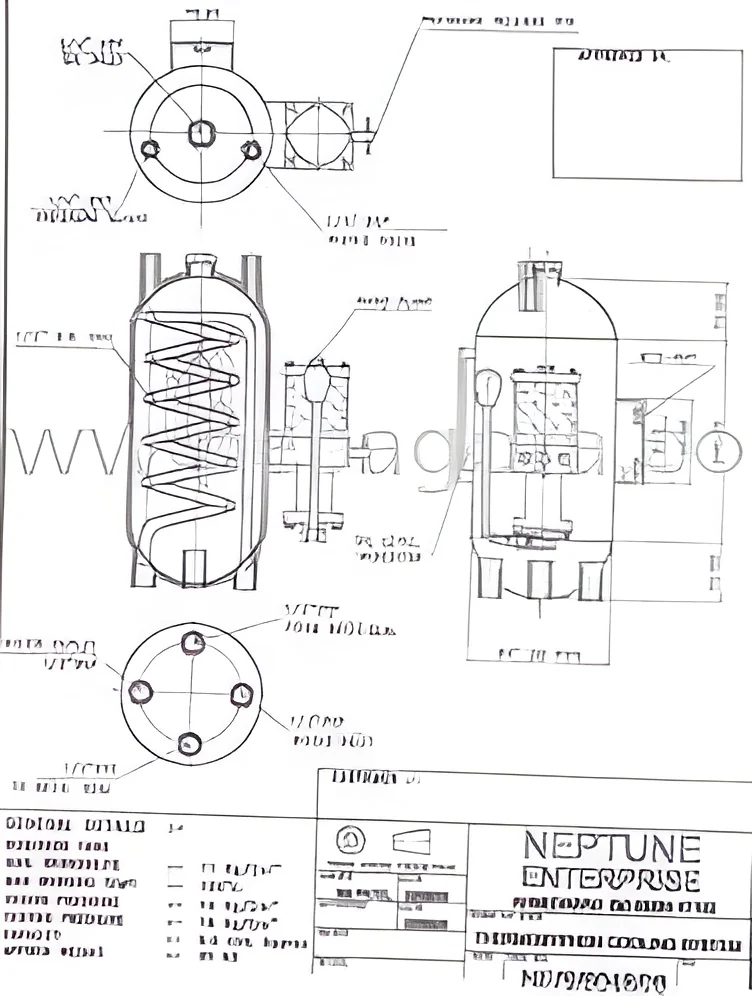
Industrial Thermo Syphon Cooling Systems represent advanced heat management technology designed for demanding industrial applications. These systems utilize natural convection principles to circulate coolant without mechanical pumps, creating a self-sustaining cooling loop that operates reliably with minimal maintenance. Engineered for durability and performance, each system is configured to meet specific thermal requirements and environmental conditions. The robust construction ensures long-term operation even in challenging industrial settings, making these systems a smart investment for businesses prioritizing operational continuity and energy efficiency. The passive cooling mechanism eliminates moving parts, reducing potential failure points and ensuring consistent performance over extended periods.

These cooling systems serve critical functions across multiple industries including power generation, manufacturing facilities, chemical processing plants, and heavy machinery operatio...
Industrial Thermo Syphon Cooling Systems represent advanced heat management technology designed for demanding industrial applications. These systems utilize natural convection principles to circulate coolant without mechanical pumps, creating a self-sustaining cooling loop that operates reliably with minimal maintenance. Engineered for durability and performance, each system is configured to meet specific thermal requirements and environmental conditions. The robust construction ensures long-term operation even in challenging industrial settings, making these systems a smart investment for businesses prioritizing operational continuity and energy efficiency. The passive cooling mechanism eliminates moving parts, reducing potential failure points and ensuring consistent performance over extended periods.

These cooling systems serve critical functions across multiple industries including power generation, manufacturing facilities, chemical processing plants, and heavy machinery operations. In power generation facilities, they maintain optimal operating temperatures for transformers and backup generators, ensuring uninterrupted power supply. Manufacturing plants utilize them for process cooling in metalworking operations and plastic injection molding processes. The chemical industry relies on these systems for precise reactor temperature control, while metal processing facilities use them for furnace cooling applications. Their adaptability makes them suitable for both indoor industrial environments and outdoor installations in various climatic conditions, from extreme heat to cold environments.

The business value of our thermo syphon cooling systems lies in their exceptional reliability and significant cost-effectiveness. By eliminating mechanical pumps, they substantially reduce energy consumption and minimize potential failure points, leading to lower operational costs and reduced downtime. Their passive operation ensures continuous cooling even during power outages, providing critical protection for expensive industrial equipment. The engineering approach allows for optimal integration with existing infrastructure, while the simple design translates to easier maintenance procedures and longer service life compared to conventional cooling systems. This results in improved operational efficiency and reduced total cost of ownership for industrial facilities.

Key Features:
- Pump-free operation using natural convection principles
- Engineered configurations for specific thermal requirements
- Robust construction with corrosion-resistant materials
- Minimal maintenance requirements with accessible components
- Scalable design adaptable to various industrial applications

Benefits:
- Reduced energy consumption through passive cooling operation
- Enhanced reliability with fewer mechanical components
- Lower maintenance costs and reduced downtime
- Continuous operation during power outages
- Long service life with durable construction materials
Specifications
| Additional Information | |
|---|---|
| Country of Origin | India |
Application
Thermo syphon cooling systems provide passive heat transfer for industrial processes requiring consistent temperature management. They operate without mechanical pumps, using natural convection to circulate coolant, making them ideal for remote locations or applications where reliability is critical. These systems are engineered to handle specific thermal loads and environmental conditions with minimal maintenance requirements.
These cooling solutions are widely adopted across power generation, manufacturing, chemical processing, and metalworking industries. They effectively manage heat in transformers, engines, furnaces, and hydraulic systems. Their simple design reduces maintenance needs while providing dependable cooling performance in demanding operational environments, ensuring continuous operation without electrical power dependency.
- Cooling diesel generators and power backup systems in remote telecom towers
- Maintaining optimal temperatures in industrial hydraulic systems and compressors
- Heat management for metallurgical furnaces and metal processing equipment
- Temperature control in chemical processing reactors and distillation columns
- Cooling large power transformers in electrical substations and utility plants
Trade Details
| Available Stock | In Stock |
| Sample Availability | No |
Payment Terms
| Payment Terms |
|
Company Profile
Neptune Enterprise, Gujarat
 Gujarat, India
Gujarat, IndiaIndustrial Equipment & Machinery•Manufacturer•Distributor / Wholesaler
Factory Details
Factory SizeBelow 1000 sqm
Annual Production Capacity0
Industrial Thermo Syphon Cooling Systems For Energy Efficiency
Industrial Thermo Syphon Cooling Systems deliver energy-efficient temperature control for power plants and manufacturing facilities. These reliable systems operate without mechanical pumps using natural convection for stable cooling performance.
Min. Order Quantity: 1 unit
Shipping
Shipping fee and delivery date to be negotiated. Contact supplier now for more details.
Neptune Enterprise
 Gujarat, India
Gujarat, IndiaIndustrial Equipment & MachineryManufacturer