IN
₹
Description
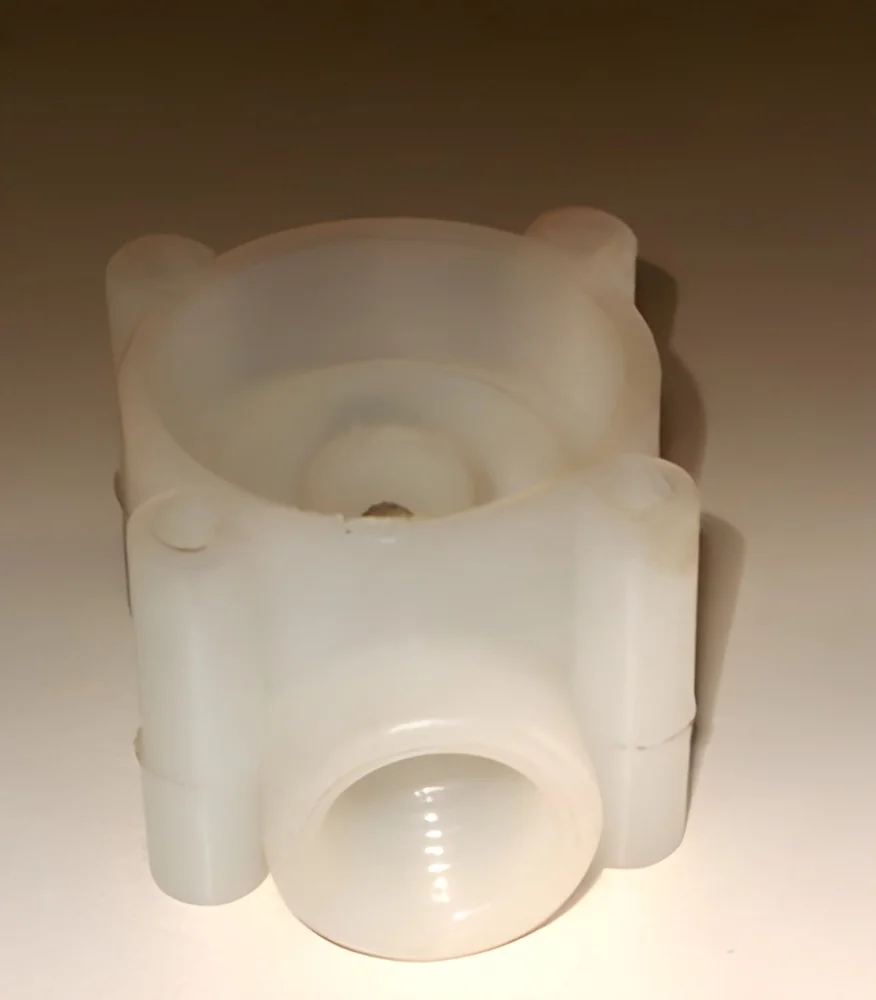
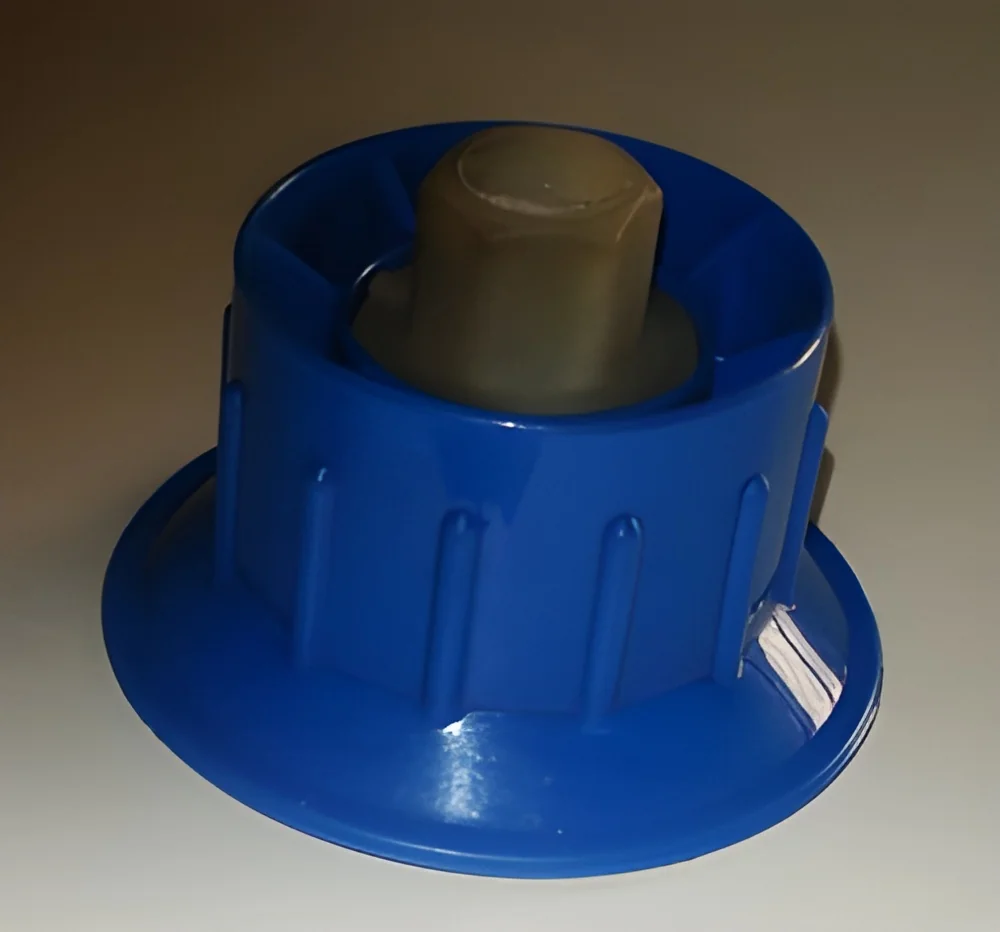
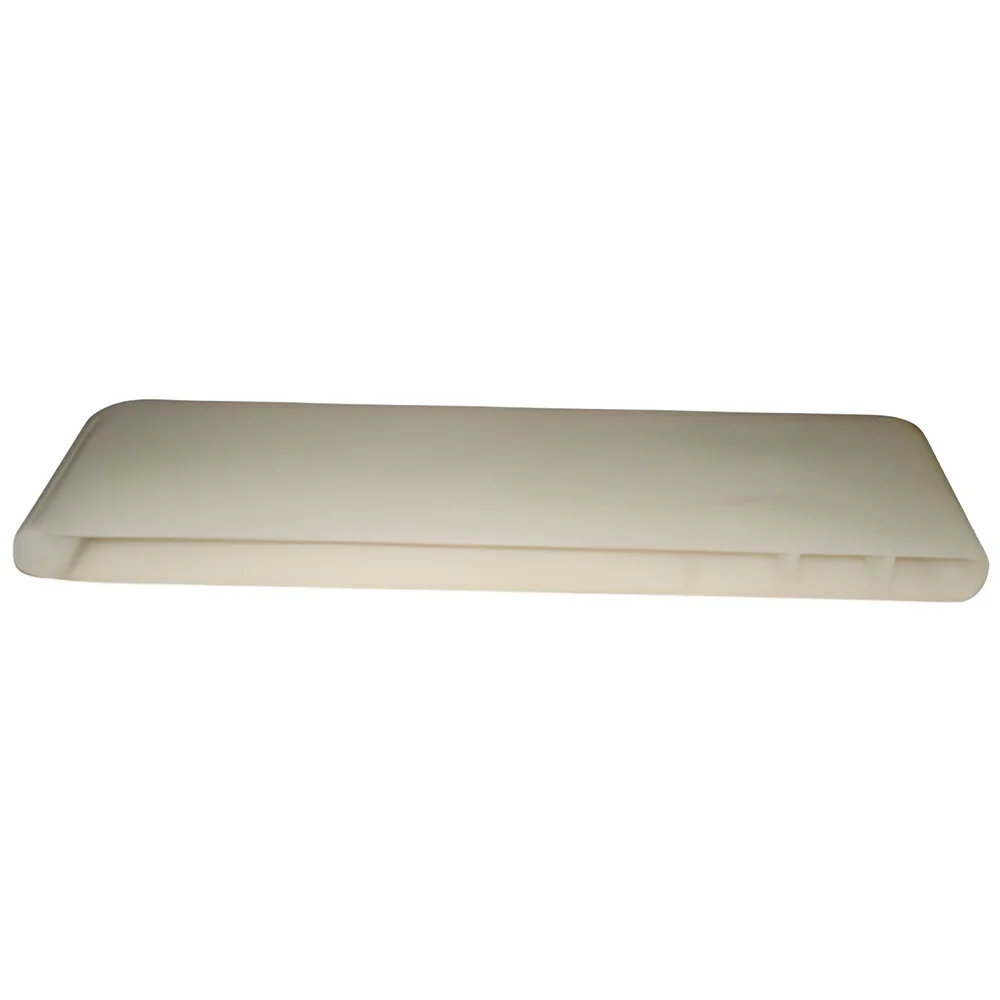
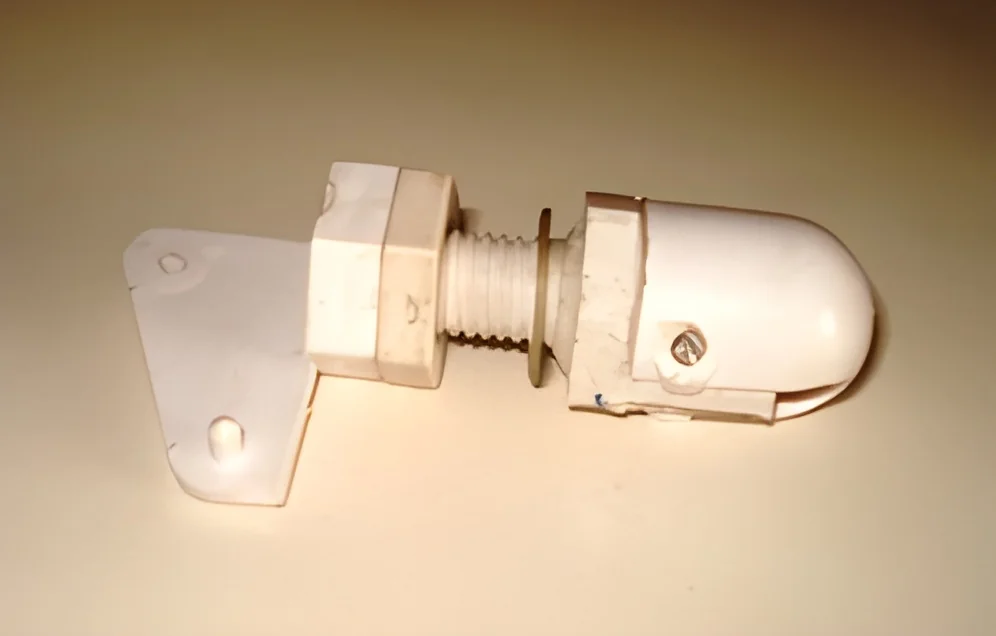
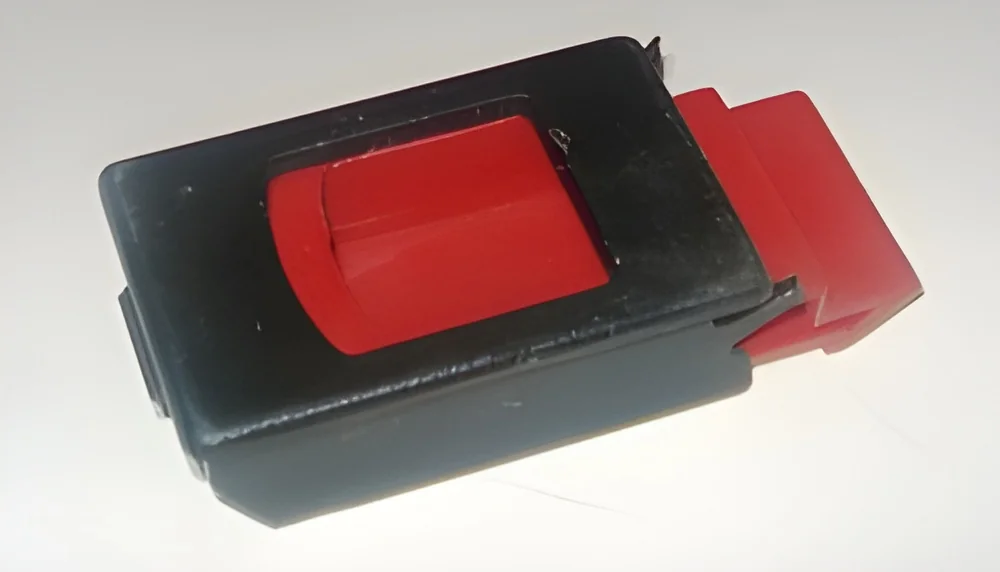
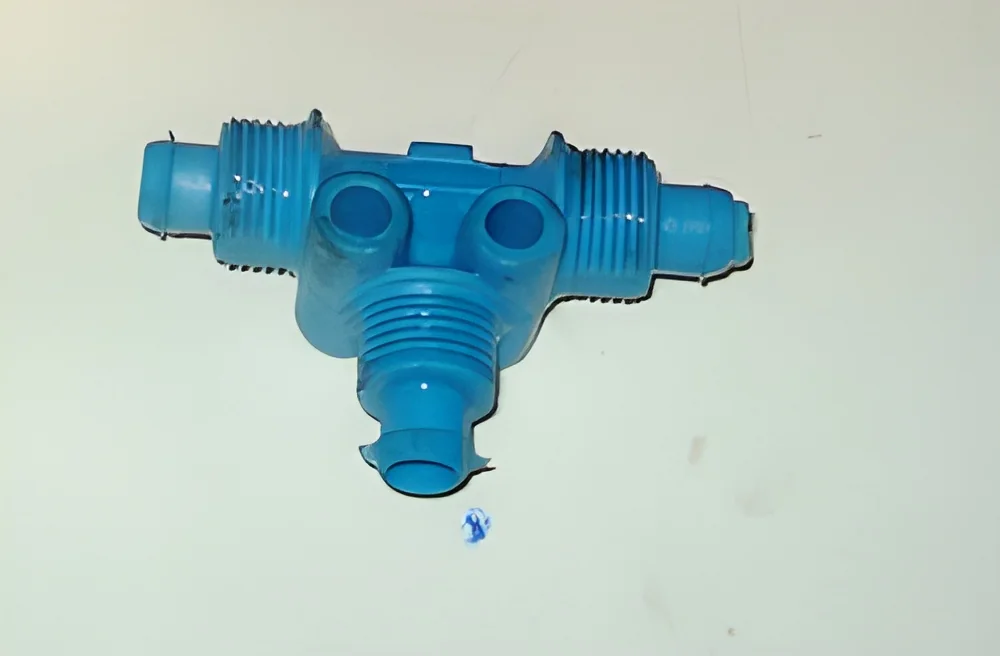
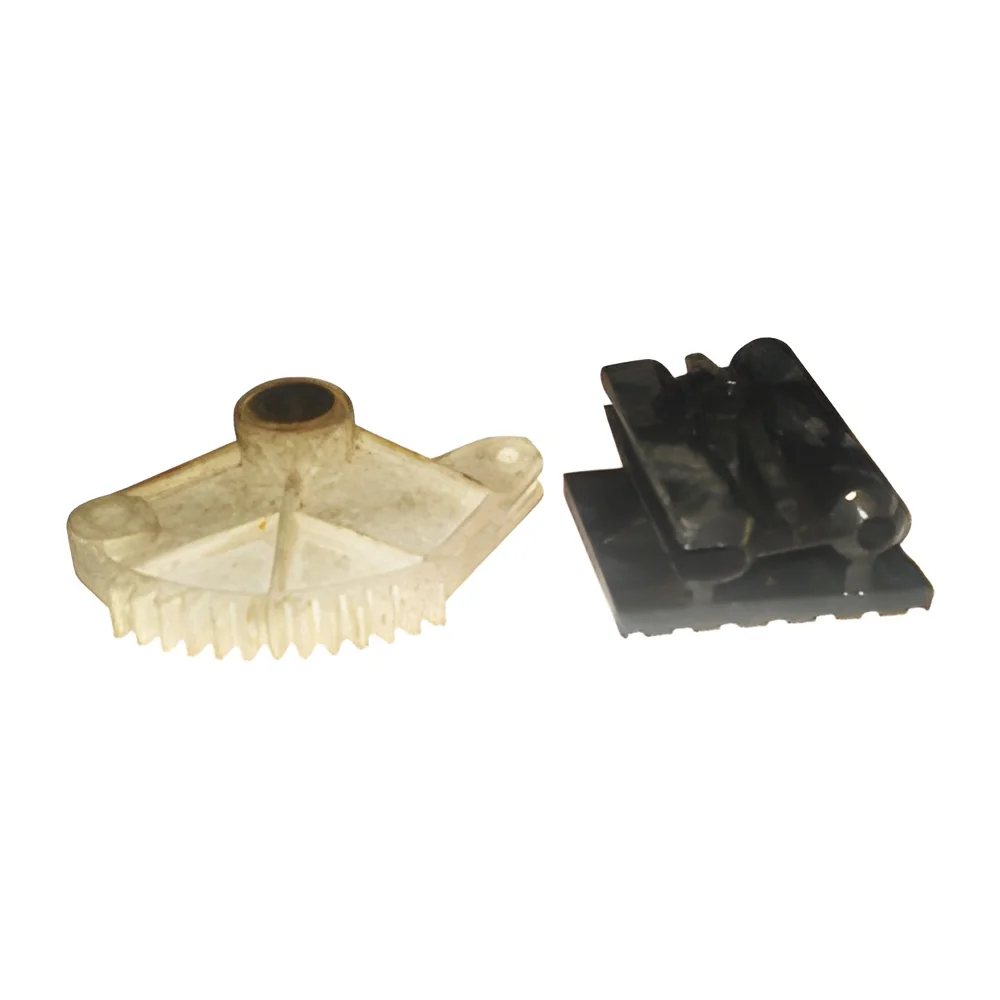
Industrial sewing textile sliders are precision-engineered components specifically designed for demanding fabric handling applications in automated manufacturing environments. These durable sliders ensure smooth, consistent movement of materials through production systems, reducing friction and preventing fabric damage during high-speed operations. Manufactured under strict quality supervision, each component undergoes rigorous testing to meet international standards for performance and reliability. The continuous improvement process incorporates technological advancements and user feedback, ensuring these textile sliders deliver consistent performance for serious buyers who prioritize quality and operational efficiency in their manufacturing processes.

These textile sliders serve essential functions across diverse manufacturing sectors. In garment production, they enable high-speed sewing operations without fabric distortion or damage, maintaining precise alignment throughout the cut...
Industrial sewing textile sliders are precision-engineered components specifically designed for demanding fabric handling applications in automated manufacturing environments. These durable sliders ensure smooth, consistent movement of materials through production systems, reducing friction and preventing fabric damage during high-speed operations. Manufactured under strict quality supervision, each component undergoes rigorous testing to meet international standards for performance and reliability. The continuous improvement process incorporates technological advancements and user feedback, ensuring these textile sliders deliver consistent performance for serious buyers who prioritize quality and operational efficiency in their manufacturing processes.

These textile sliders serve essential functions across diverse manufacturing sectors. In garment production, they enable high-speed sewing operations without fabric distortion or damage, maintaining precise alignment throughout the cutting and assembly processes. Automotive manufacturers utilize them for accurate handling of leather, synthetic materials, and interior fabrics during seat and component production. Technical textile applications benefit from their ability to handle specialized fabrics like carbon fiber, fiberglass, and aramid materials without fraying or weakening the fibers. The home furnishings industry relies on them for smooth production of curtains, bedding, and upholstery materials where consistent quality and material integrity are paramount for finished products.

The business value of these industrial textile sliders lies in their ability to enhance production efficiency while reducing operational costs through superior durability and reliable performance. Their robust construction means fewer replacements and less downtime, directly impacting manufacturing output and profitability. The consistent performance ensures uniform product quality, reducing material waste and improving overall manufacturing yield. The components integrate seamlessly with existing machinery, eliminating compatibility issues and simplifying maintenance procedures. This reliability makes them a trusted choice for importers, distributors, and manufacturers who value long-term performance and consistent quality in their supply chain partnerships.

Key Features:
- Precision engineering for smooth, consistent fabric handling
- Durable construction designed for long service life in industrial environments
- Quality supervised manufacturing with rigorous testing protocols
- Continuous improvement based on technological advancements and user feedback
- Reliable performance in high-speed automated production systems

Benefits:
- Enhanced production efficiency through smooth material movement
- Reduced operational costs with fewer replacements and less downtime
- Consistent product quality with minimal fabric damage or distortion
- Seamless integration with existing manufacturing equipment
- Long-term reliability for continuous manufacturing operations
Specifications
| Additional Information | |
|---|---|
| Country of Origin | India |
Application
Industrial textile sliders are precision components designed for automated sewing and fabric handling systems, enabling smooth material movement without snagging or damaging delicate fabrics. They maintain production speed and fabric integrity in high-volume manufacturing environments where precision and reliability are essential. These components reduce friction and wear on textiles, ensuring consistent quality output while minimizing downtime for maintenance and replacements.
These sliders serve critical functions across multiple manufacturing sectors including garment production, automotive interiors, technical textiles, and home furnishings. They integrate seamlessly with conveyor systems, automated cutters, and sewing machines where precise fabric guidance and smooth transition between processes are vital. Their application extends to any operation requiring accurate fabric handling with minimal intervention, supporting both mass production and specialized manufacturing workflows efficiently.
- Automated sewing lines in garment factories for consistent fabric feeding and alignment
- Conveyor systems in upholstery manufacturing for smooth leather and fabric transfer
- Technical textile production for handling specialized materials like carbon fiber and aramid
- Automotive interior manufacturing for precision handling of seat cover materials
- Home furnishing production for curtains, bedding, and drapery material processing
Trade Details
| Available Stock | In Stock |
| Sample Availability | No |
Payment Terms
| Payment Terms |
|
Company Profile
Anukampa Thermo Plast, Gujarat
 Gujarat, India
Industrial Equipment & Machinery•Manufacturer•Distributor / Wholesaler
Factory Details
Factory SizeBelow 1000 sqm
Annual Production Capacity0
Industrial Sewing Textile Sliders For Garment Manufacturing
Industrial sewing textile sliders for garment manufacturing provide durable, reliable fabric handling components that ensure smooth material movement in automated production systems for apparel, upholstery, and technical textile applications.
Min. Order Quantity: 1 unit
Shipping
Shipping fee and delivery date to be negotiated. Contact supplier now for more details.
Anukampa Thermo Plast
 Gujarat, India
Industrial Equipment & MachineryManufacturer