IN
IN₹
Apparel & Fashion
Description
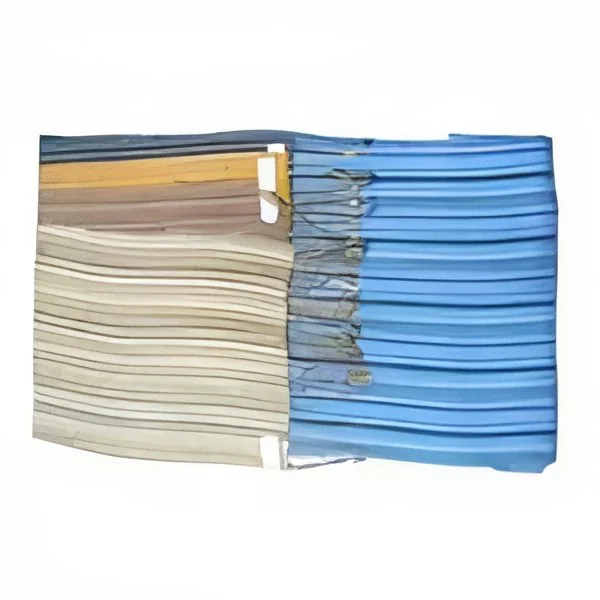
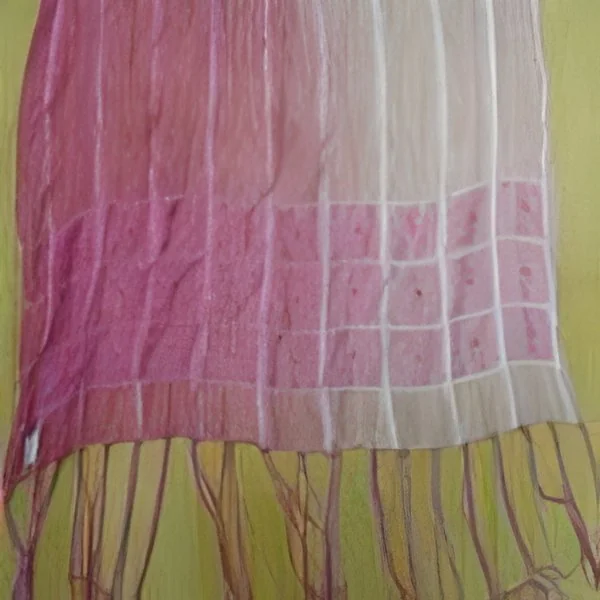
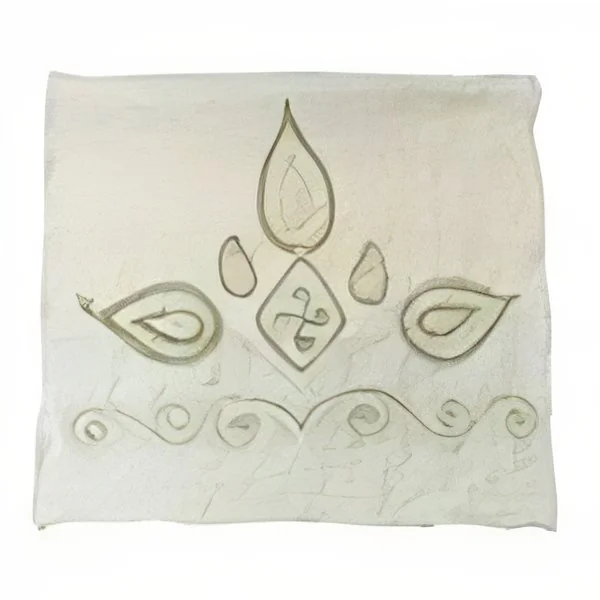
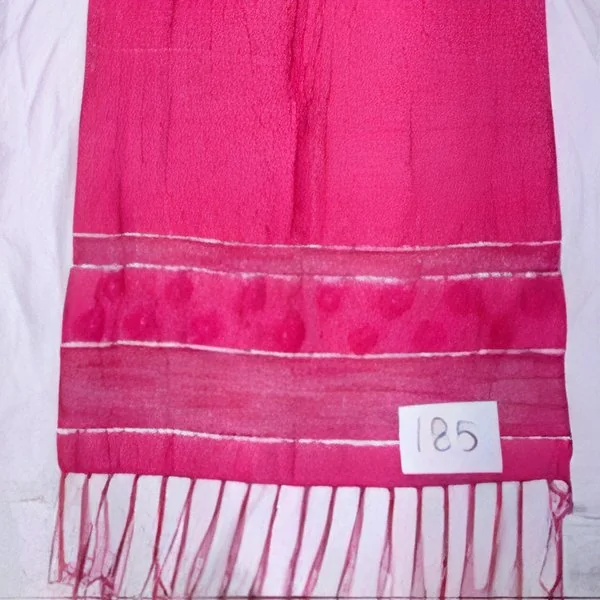
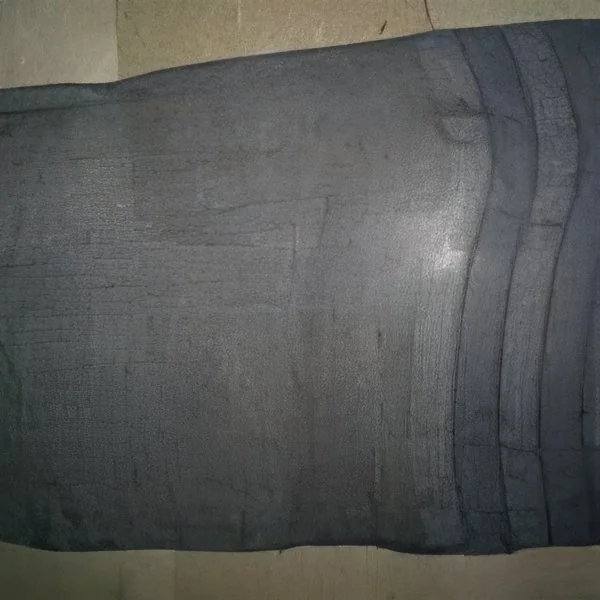
Premium textile fabrics represent a cornerstone material solution for serious manufacturing businesses. These fabrics are produced to exacting standards, offering consistent quality that forms the reliable foundation for diverse product lines. Available in various weaves, weights, and compositions, they cater to specific technical and aesthetic requirements across different production environments. Each fabric undergoes thorough testing for tensile strength, colorfastness, dimensional stability, and surface finish, ensuring it performs predictably through cutting, sewing, printing, and finishing processes. This reliability makes them suitable for manufacturers who prioritize minimizing production disruptions and maintaining consistent output quality.

These fabrics serve as essential raw materials across multiple industry verticals. In apparel manufacturing, they transform into comfortable, durable clothing that withstands regular wear and laundering. Home textile producers utilize the...
Premium textile fabrics represent a cornerstone material solution for serious manufacturing businesses. These fabrics are produced to exacting standards, offering consistent quality that forms the reliable foundation for diverse product lines. Available in various weaves, weights, and compositions, they cater to specific technical and aesthetic requirements across different production environments. Each fabric undergoes thorough testing for tensile strength, colorfastness, dimensional stability, and surface finish, ensuring it performs predictably through cutting, sewing, printing, and finishing processes. This reliability makes them suitable for manufacturers who prioritize minimizing production disruptions and maintaining consistent output quality.

These fabrics serve as essential raw materials across multiple industry verticals. In apparel manufacturing, they transform into comfortable, durable clothing that withstands regular wear and laundering. Home textile producers utilize them to create bedding, window treatments, and upholstery that combine aesthetic appeal with practical longevity. Industrial applications leverage their structural properties for technical functions including filtration, reinforcement, and protective barriers. The materials also support specialized sectors requiring specific performance characteristics, from moisture management in activewear to flame resistance in certain industrial settings. This cross-industry applicability demonstrates the fundamental role these textiles play in modern manufacturing ecosystems.

Businesses select these premium textile fabrics for their proven value in production environments. The consistent quality reduces material waste, minimizes production rejects, and lowers overall manufacturing costs through improved efficiency. Reliable material performance ensures smoother production flows and fewer disruptions, contributing to better deadline adherence and customer satisfaction. The fabrics' compatibility with various processing techniques allows manufacturers to maintain flexibility in their operations. Supported by a transparent supply chain and stringent quality verification processes, these textiles provide the material confidence that enables businesses to focus on product development and market expansion rather than material concerns.

Key Features:
- Consistent fabric quality with uniform weave structure and surface finish
- Multiple material compositions including cotton, polyester, and blended fibers
- Excellent tensile strength and durability for long-lasting end products
- Superior color retention and compatibility with various dyeing and printing methods
- Compliance with international textile standards for safety and performance

Benefits:
- Reduced production waste through consistent material quality and performance
- Lower manufacturing costs via minimized rejects and efficient processing
- Enhanced product durability leading to higher customer satisfaction
- Flexible application across apparel, home textile, and industrial sectors
- Reliable supply chain support for consistent production scheduling
Specifications
| Additional Information | |
|---|---|
| Country of Origin | India |
Application
Our premium textile fabrics are engineered for versatility across multiple manufacturing sectors. They provide the essential foundation for creating durable, comfortable, and aesthetically pleasing products, meeting the rigorous demands of both creative design and functional performance. The materials maintain integrity through various production processes, from cutting and sewing to printing and finishing.
Manufacturers value these fabrics for their consistent quality across large production runs. Suitable for automated and manual handling, they minimize waste and ensure reliable output for businesses that cannot compromise on material performance. The fabrics adapt to different manufacturing environments, supporting efficient workflows in apparel production, home furnishing assembly, and industrial textile applications.
- Manufacturing of everyday and fashion apparel including shirts, trousers, dresses, and skirts
- Production of home textile products like curtains, bedsheets, pillowcases, and table linens
- Creation of upholstery fabrics for furniture, automotive interiors, and public seating
- Development of industrial textiles for filtration, reinforcement, and protective applications
- Supply of fabric rolls to garment exporters, wholesalers, and large-scale production units
Trade Details
| Available Stock | In Stock |
| Sample Availability | No |
Payment Terms
| Payment Terms |
|
Company Profile

Himsagar Textiles, Gujarat
 Gujarat, India
Gujarat, IndiaManufacturer
Factory Details
Factory SizeBelow 1000 sqm
Annual Production Capacity0
Main Markets
South Asia
Premium Textile Fabrics For Apparel Home Industrial
Premium textile fabrics for apparel, home, and industrial use. Superior quality materials with reliable performance for manufacturers and wholesalers seeking consistent supply for diverse applications.
Min. Order Quantity: 1 unit
Shipping
Shipping fee and delivery date to be negotiated. Contact supplier now for more details.
Himsagar Textiles
 Gujarat, India
Gujarat, IndiaManufacturer