
 IN
INundefined
Similar Products
Description
The Tensile Strength Tester is a precision-engineered testing instrument designed to measure the mechanical properties of materials under tensile loads. This robust machine applies...
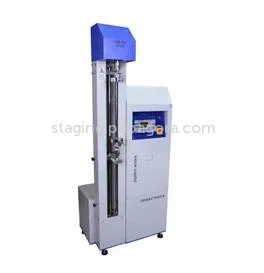
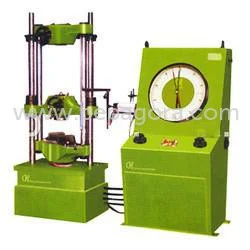
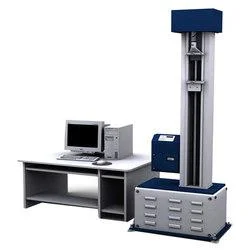
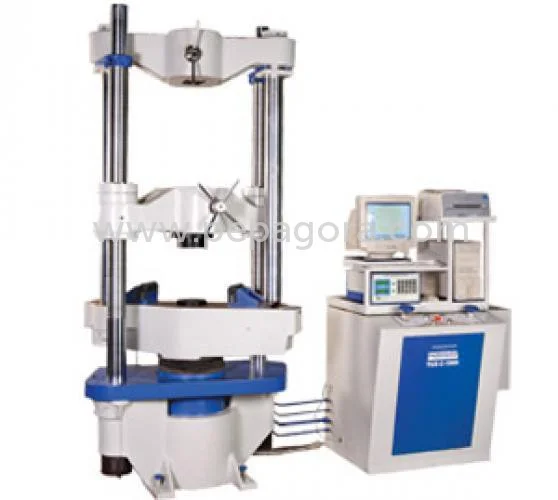
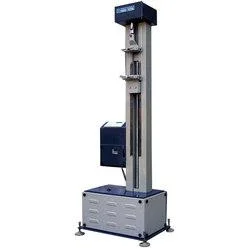
The Tensile Strength Tester is a precision-engineered testing instrument designed to measure the mechanical properties of materials under tensile loads. This robust machine applies controlled uniaxial tension to specimens until failure, capturing critical data including maximum tensile strength, elongation at break, yield strength, and modulus of elasticity. Featuring high-accuracy load cells, motorized crosshead movement, and digital control systems, it ensures reliable performance across diverse material types. The tester accommodates various specimen sizes and shapes while maintaining consistent testing conditions. With automated data recording and analysis capabilities, it simplifies the testing process while delivering laboratory-grade accuracy for industrial applications. The machine's durable construction and user-friendly interface make it suitable for both routine quality checks and advanced research requirements.

This tensile testing equipment serves critical roles across multiple industries where material integrity is paramount. In automotive and aerospace manufacturing, it validates component durability and safety compliance. Polymer and plastic producers use it to verify material specifications for injection molding and extrusion processes. Textile manufacturers rely on it to test fabric strength and elasticity for apparel and technical textiles. Construction and engineering firms utilize it for assessing structural materials, cables, and fasteners. Research institutions and quality control laboratories employ it for material development and certification testing, ensuring products meet international standards including ASTM, ISO, and other regulatory requirements.

The business value of this tensile strength tester lies in its ability to prevent product failures, reduce material costs, and enhance brand reputation through consistent quality assurance. Its reliability stems from precision engineering, robust construction, and adherence to global testing standards. Customization options allow businesses to tailor the equipment to specific testing requirements, while its user-friendly operation minimizes training time and operational errors. The machine's accurate data output supports informed decision-making in material selection and process optimization. By investing in this testing solution, businesses demonstrate commitment to quality, gain competitive advantage, and build trust with customers who depend on material performance and product reliability.

Key Features:
- High-accuracy load cells for precise force measurement
- Motorized crosshead with adjustable speed controls
- Digital or computer-based control systems
- Automated data recording and analysis software
- Compliance with international testing standards

Benefits:
- Prevents product failures through reliable material testing
- Reduces material costs by optimizing specifications
- Enhances brand reputation with consistent quality control
- Supports compliance with global industry standards
- Provides customization options for specific testing needs
Specifications
| Additional Information | |
|---|---|
| Country of Origin | 106 |
| Customisable | No |
Application
This versatile tensile strength testing machine serves multiple industries by evaluating material performance under tension. It accurately measures tensile strength, elongation, yield point, and elastic modulus for metals, plastics, rubber, composites, textiles, and construction materials. The equipment is essential for verifying material specifications and ensuring product reliability across manufacturing sectors.

Manufacturers rely on this tester for quality assurance, research development, and failure analysis applications. It helps identify material weaknesses, validate production batches, and support compliance with international testing standards. From automotive components to textile fibers, this instrument provides critical data for improving product durability and performance. Real-world applications:
Real-world applications:
- Quality control testing for automotive parts and aerospace components
- Material verification in polymer and plastic manufacturing facilities
- Textile strength assessment for apparel and industrial fabric production
- Construction material testing for cables, wires, and structural elements
- Research and development in material science laboratories
Trade Details
| Available Stock | In stock |
| Sample Availability | No |
Payment Terms
| Payment Terms |
|
Company Profile

Enkay Enterprises, New Delhi New Delhi, India
New Delhi, IndiaIndustrial Equipment & Machinery
Factory Details
Factory SizeBelow 1000 sqm
Tensile Strength Tester for Metals Plastics Rubber Textiles Composites
Professional tensile strength tester for metals, plastics, rubber, textiles, and composites. Delivers precise tensile strength, elongation, and yield strength measurements for quality control and material testing.
Min. Order Quantity: 25 Unit
Shipping
Shipping fee and delivery date to be negotiated. Contact supplier now for more details.
Enkay Enterprises
 New Delhi, India
New Delhi, IndiaIndustrial Equipment & Machinery