IN
INundefined
Similar Products
Description
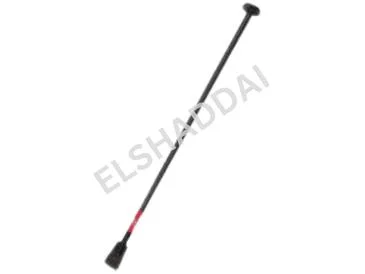
The tamping rod for concrete cube is a precision tool designed to compact freshly mixed concrete uniformly within cube moulds, eliminating air voids and ensuring proper consolidati...
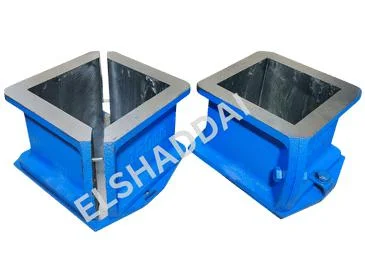
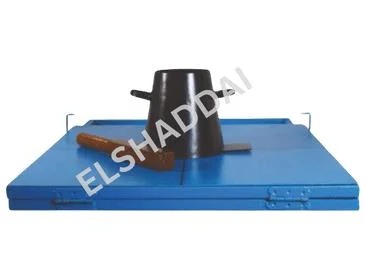
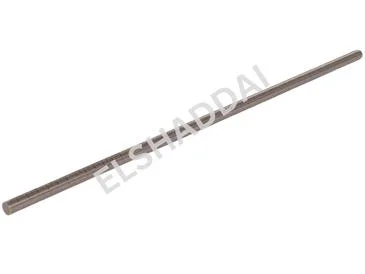
The tamping rod for concrete cube is a precision tool designed to compact freshly mixed concrete uniformly within cube moulds, eliminating air voids and ensuring proper consolidation. This process is vital for achieving accurate compressive strength test results, which directly impact structural safety and compliance. Made from high-grade mild steel or stainless steel, each rod is machined to exact dimensions, featuring a smooth hemispherical tip that prevents mould damage and promotes even tamping. Its robust construction withstands repeated use in demanding environments, offering reliability that labs and field crews trust for daily testing routines. Customization options in material and length allow adaptation to specific lab protocols or project requirements, enhancing its versatility across different testing standards and operational needs.

This tool is widely used across industries where concrete quality is non-negotiable, including construction, civil engineering, and infrastructure development. Testing laboratories—both independent and in-house—utilize it for preparing samples that determine concrete grade compliance and mix design validation. In the field, contractors and engineers rely on it during bridge, road, and building projects to verify onsite concrete performance before pours are approved. Additionally, precast concrete manufacturers and ready-mix suppliers integrate it into their quality control workflows to ensure batch consistency, reduce rejection rates, and maintain certification under global standards like ASTM C31 or IS 516.

Investing in this tamping rod delivers clear business value by enhancing testing accuracy, which minimizes costly errors and rework. Its reliability ensures consistent sample preparation, leading to trustworthy data that supports decision-making in material selection and project approvals. The rod’s durability reduces replacement frequency, lowering long-term operational costs, while its compliance with industry norms builds client confidence in test reports. By enabling precise compaction, it helps businesses avoid structural failures, uphold safety standards, and secure contracts through demonstrated quality assurance, making it a smart choice for firms focused on efficiency and reputation.

Key Features:
- High-grade mild steel or stainless steel construction for durability and corrosion resistance.
- Precisely machined dimensions with a smooth hemispherical tip to prevent mould damage.
- Uniform weight and balance for consistent tamping action across multiple samples.
- Customizable length and material options to meet specific lab or project requirements.
- Compliance with international testing standards such as ASTM and IS codes for reliable performance.

Benefits:
- Ensures accurate compressive strength results by eliminating air voids during compaction.
- Enhances testing reliability, reducing errors and supporting quality assurance protocols.
- Durable design withstands heavy use, minimizing maintenance and replacement costs.
- Improves workflow efficiency in labs and onsite with easy handling and consistent output.
- Builds trust in test reports, aiding compliance and client satisfaction in construction projects.
Specifications
| Additional Information | |
|---|---|
| Country of Origin | 106 |
| Customisable | No |
Application
This tamping rod is essential for preparing concrete cube specimens in both laboratory and field environments. It ensures consistent compaction by removing trapped air, which is critical for reliable compressive strength testing and compliance with international standards like ASTM and IS codes. Proper use leads to accurate data, supporting quality control in concrete production and construction projects.

Construction material testing labs, civil engineering firms, and onsite quality teams rely on this tool for daily sample preparation. It is suitable for various concrete mixes and conditions, from controlled lab settings to harsh job sites. The rod's design supports repeatable testing processes, making it indispensable for projects requiring certified strength reports and long-term structural integrity assessments. Real-world applications:
Real-world applications:
- Compacting concrete cubes in construction material testing laboratories for accurate strength evaluation.
- Onsite sample preparation during building, bridge, and infrastructure projects to verify mix quality.
- Quality assurance in precast concrete manufacturing to ensure product consistency and compliance.
- Educational and training use in civil engineering institutes for hands-on concrete testing exercises.
- Routine checks in ready-mix concrete plants to monitor batch performance and adherence to specs.
Trade Details
| Available Stock | In stock |
| Sample Availability | No |
Payment Terms
| Payment Terms |
|
Shipping & Logistics
| Shipping Internationally | No | |
| Methods | -- | |
| IncoTerms | -- | |
| Port of Dispatch | Chennai | |
| Packaging Type | -- | |
| Units per Package | -- | |
| Barcode / HSN / GTIN / UPC | -- | |
| Dispatch Lead time | -- |
Company Profile

Elshaddai Engineering Equipments, Tamil Nadu Tamil Nadu, India
Tamil Nadu, IndiaIndustrial Equipment & Machinery•ManufacturerImporter / Exporter
Factory Details
Factory SizeBelow 1000 sqm
Concrete Cube Testing Tamping Rod For Compaction And Strength Accuracy
Professional tamping rod for concrete cube testing ensures uniform compaction in cube moulds, eliminates air voids, and guarantees accurate compressive strength results for construction material labs and field testing.
Min. Order Quantity: 10 Unit
Shipping
Shipping fee and delivery date to be negotiated. Contact supplier now for more details.
Elshaddai Engineering Equipments
 Tamil Nadu, India
Tamil Nadu, IndiaIndustrial Equipment & MachineryManufacturer