IN
₹
Description
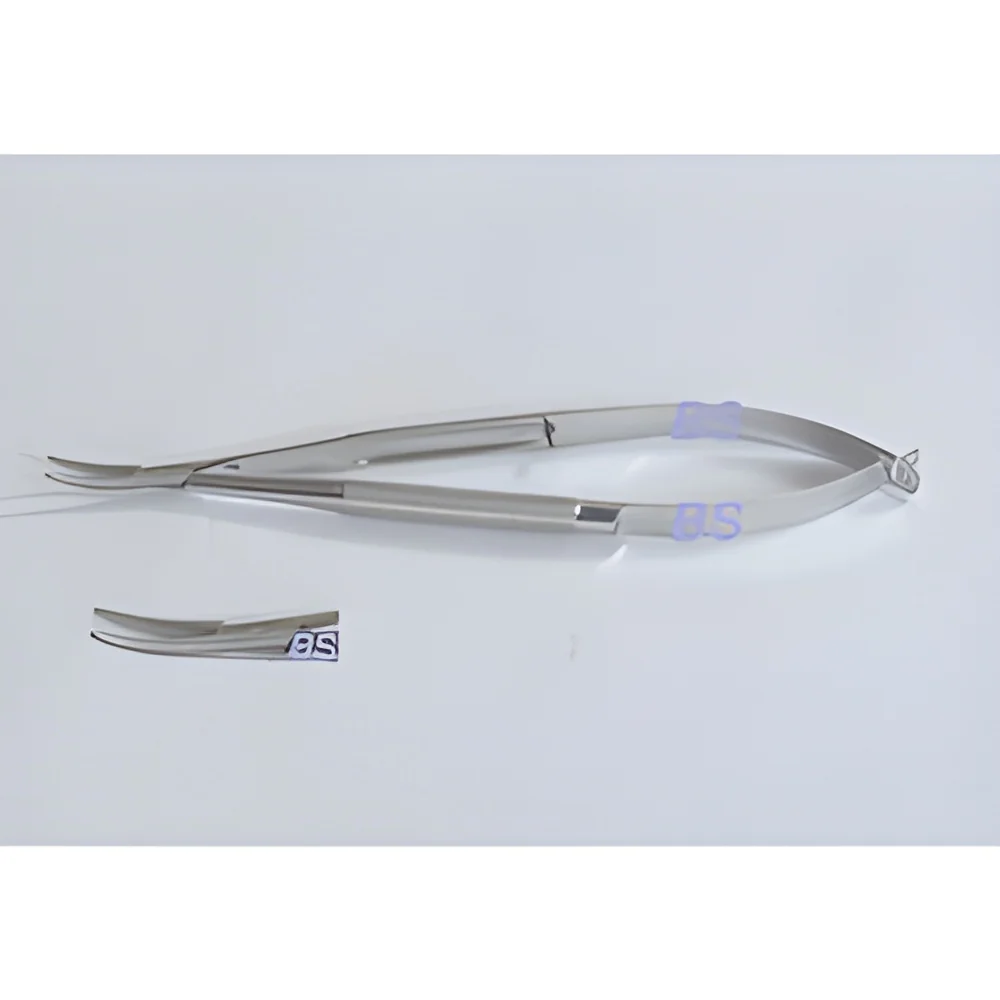
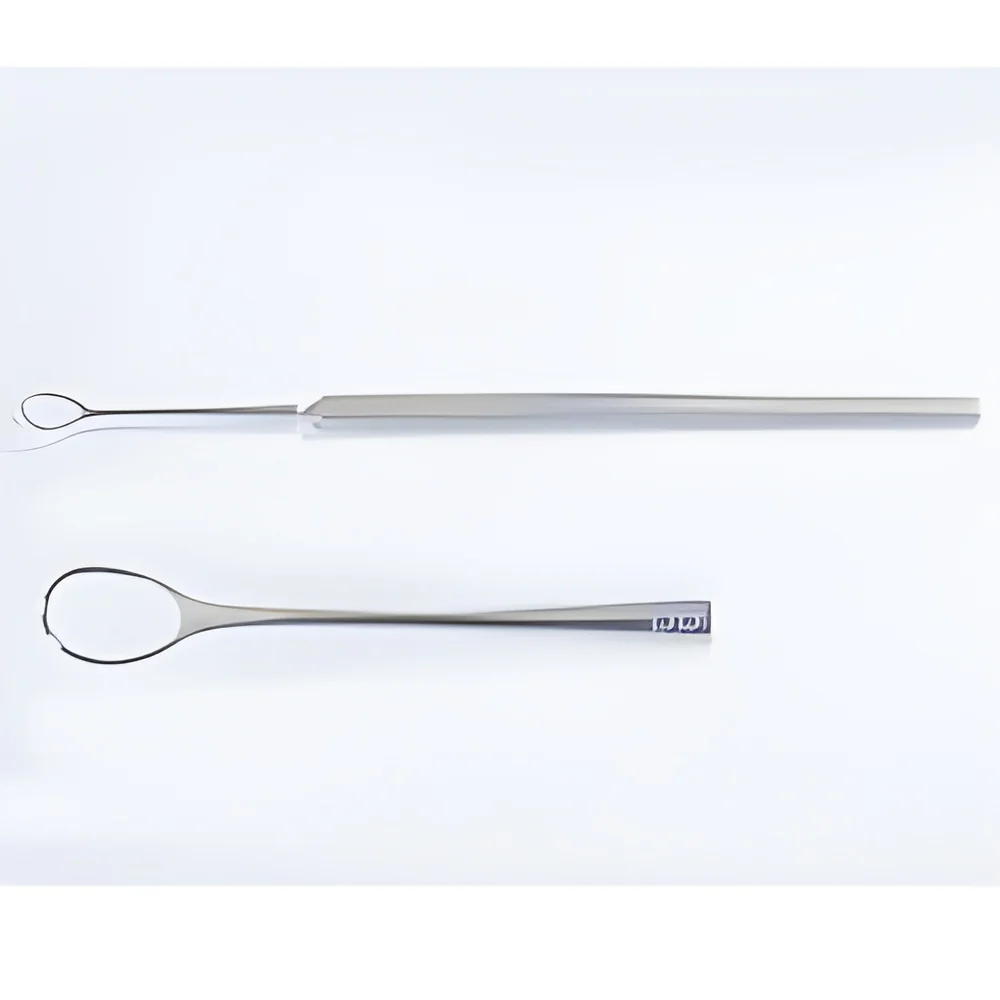
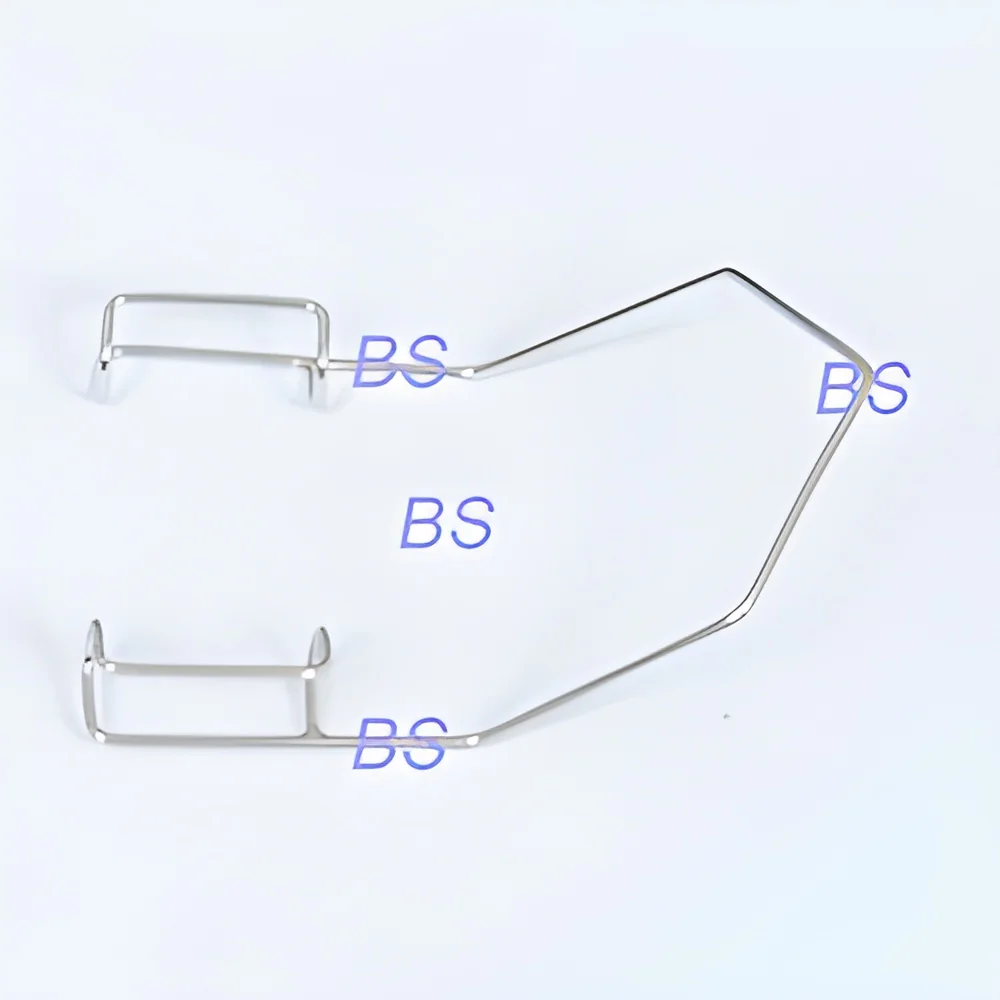
The stainless steel wire eye speculum represents precision ophthalmic instrumentation designed for optimal eyelid retraction during surgical and diagnostic procedures. Crafted from high-quality medical-grade stainless steel, it features both 14mm and 15mm blade options with a consistent 0.9mm wire length that ensures secure positioning while maintaining patient comfort. The smooth, rounded edges prevent tissue damage while providing surgeons with unobstructed access to the ocular region. This fully autoclavable instrument complies with standard sterilization protocols, making it suitable for both single-use and reusable applications across various medical environments. Its robust construction withstands repeated clinical use while maintaining performance integrity.

This eye speculum serves critical functions across multiple healthcare sectors, primarily in ophthalmology departments, ambulatory surgery centers, and specialized eye care facilities. It proves indispensable during catarac...
The stainless steel wire eye speculum represents precision ophthalmic instrumentation designed for optimal eyelid retraction during surgical and diagnostic procedures. Crafted from high-quality medical-grade stainless steel, it features both 14mm and 15mm blade options with a consistent 0.9mm wire length that ensures secure positioning while maintaining patient comfort. The smooth, rounded edges prevent tissue damage while providing surgeons with unobstructed access to the ocular region. This fully autoclavable instrument complies with standard sterilization protocols, making it suitable for both single-use and reusable applications across various medical environments. Its robust construction withstands repeated clinical use while maintaining performance integrity.

This eye speculum serves critical functions across multiple healthcare sectors, primarily in ophthalmology departments, ambulatory surgery centers, and specialized eye care facilities. It proves indispensable during cataract surgeries where precise eyelid control is crucial for successful intraocular lens implantation. Retinal specialists depend on it for vitreoretinal procedures requiring stable operative fields, while corneal surgeons utilize it during transplant operations. Beyond surgical applications, the instrument is valuable in diagnostic settings for detailed eye examinations, emergency departments for trauma cases, and veterinary ophthalmology for animal eye procedures. Its universal design accommodates both adult and pediatric applications when appropriate blade size selection is observed.

The business value of this stainless steel wire eye speculum lies in its exceptional reliability, clinical efficiency, and cost-effectiveness for medical facilities and distributors. Hospitals benefit from reduced procedure times and enhanced surgical outcomes due to the instrument's precise design and consistent performance. Medical distributors can leverage its compliance with international quality standards as a key selling point to institutional buyers. The product's durability ensures lower replacement costs and greater return on investment compared to inferior alternatives. The instrument's proven track record in diverse clinical settings makes it a trusted choice for medical professionals seeking reliable ophthalmic tools that deliver consistent results.

Key Features:
- Manufactured from medical-grade stainless steel for superior corrosion resistance
- Available in two precise blade sizes: 14mm and 15mm with 0.9mm wire diameter
- Smooth, rounded edges designed to prevent tissue damage and ensure patient safety
- Fully autoclavable and compatible with all standard sterilization methods
- Precision engineering guarantees consistent performance and long-term durability

Benefits:
- Enhanced surgical precision and improved procedural outcomes
- Reduced risk of tissue trauma and increased patient comfort
- Cost-effective solution through durability and reusability
- Compliance with international medical device standards and regulations
- Reliable performance across diverse ophthalmic procedures and settings
Specifications
| Additional Information | |
|---|---|
| Country of Origin | India |
Application
This stainless steel wire eye speculum provides secure eyelid retraction during ophthalmic procedures with its precise 14mm and 15mm blade sizes and 0.9mm wire length. The medical-grade construction ensures gentle tissue handling while maintaining clear surgical access, making it essential for various eye surgeries and examinations where precision and patient comfort are paramount.
The instrument's durable, autoclavable design meets rigorous sterilization standards for operating rooms and clinical settings. Medical facilities and distributors trust this speculum for its consistent performance across multiple procedure types, from routine diagnostics to complex surgical interventions, ensuring reliable operation and compliance with medical device regulations.
- Cataract surgery procedures and intraocular lens implantation
- Corneal transplant operations and refractive surgeries
- Retinal detachment repairs and vitreoretinal interventions
- Glaucoma treatment and comprehensive eye examinations
- Emergency eye trauma management and foreign body removal
Trade Details
| Available Stock | In Stock |
| Sample Availability | No |
Payment Terms
| Payment Terms |
|
Company Profile

Bharati Surgical Co, Maharashtra
 Maharashtra, India
Health & Personal Care•Manufacturer•Distributor / Wholesaler•Importer / Exporter
Factory Details
Factory SizeBelow 1000 sqm
Annual Production Capacity0
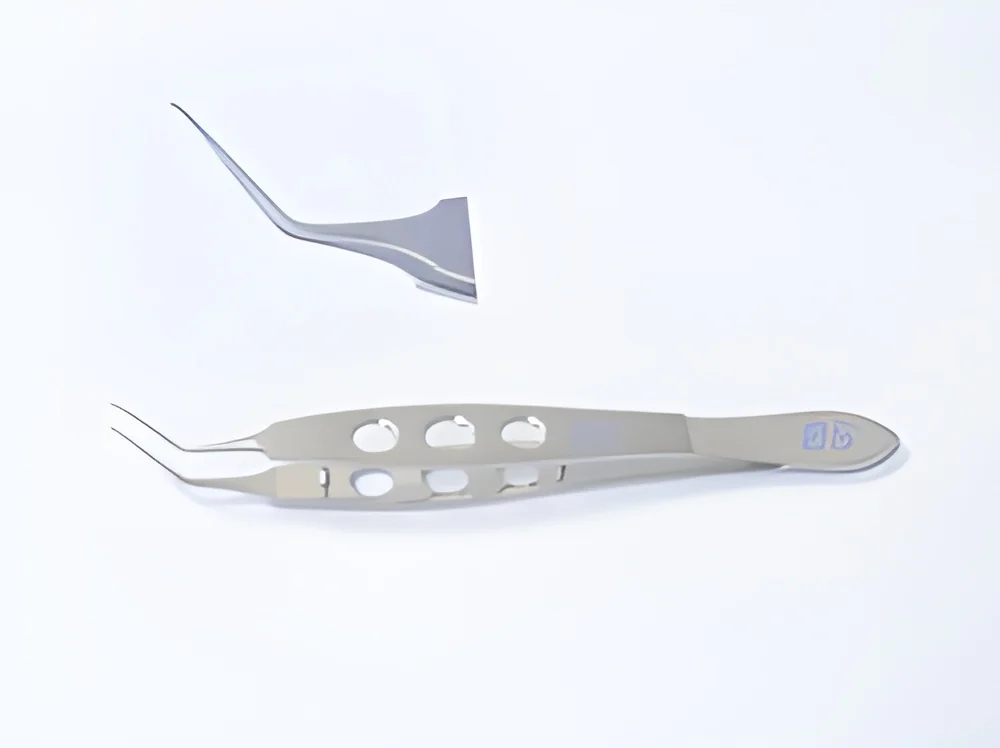
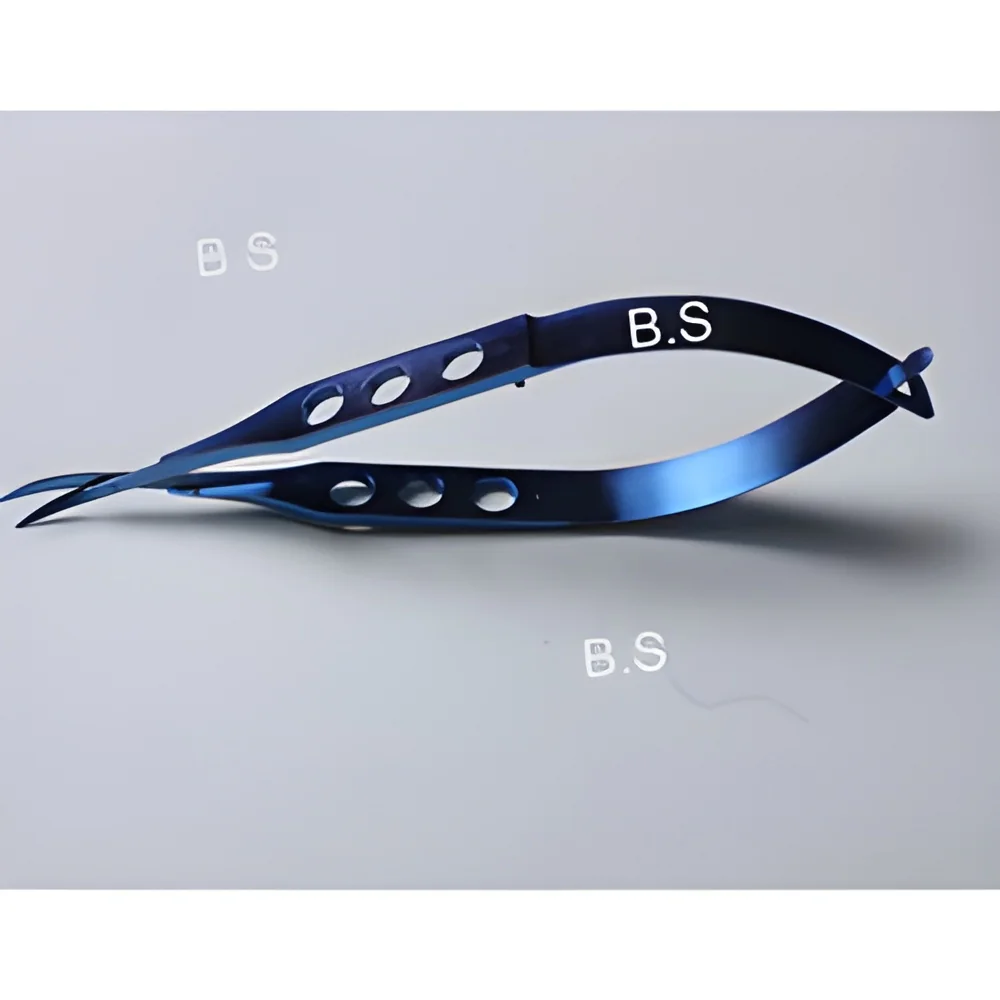
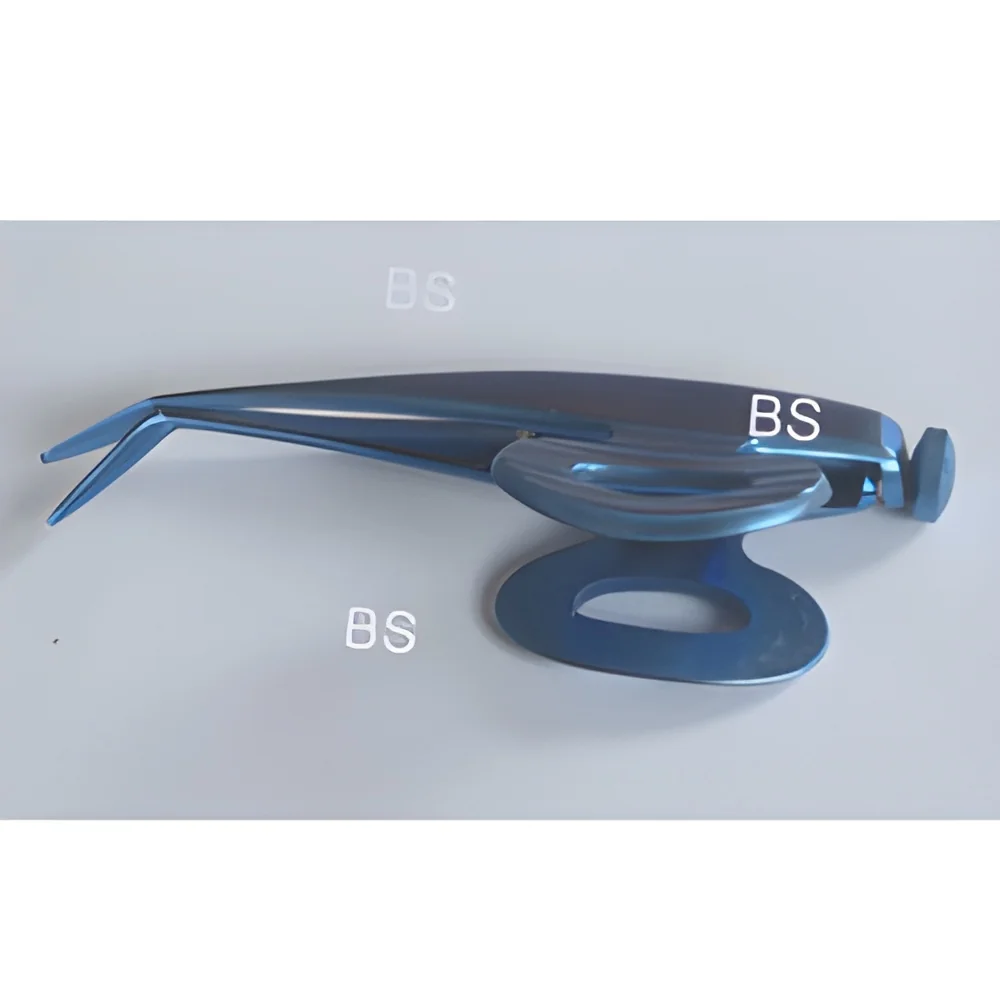
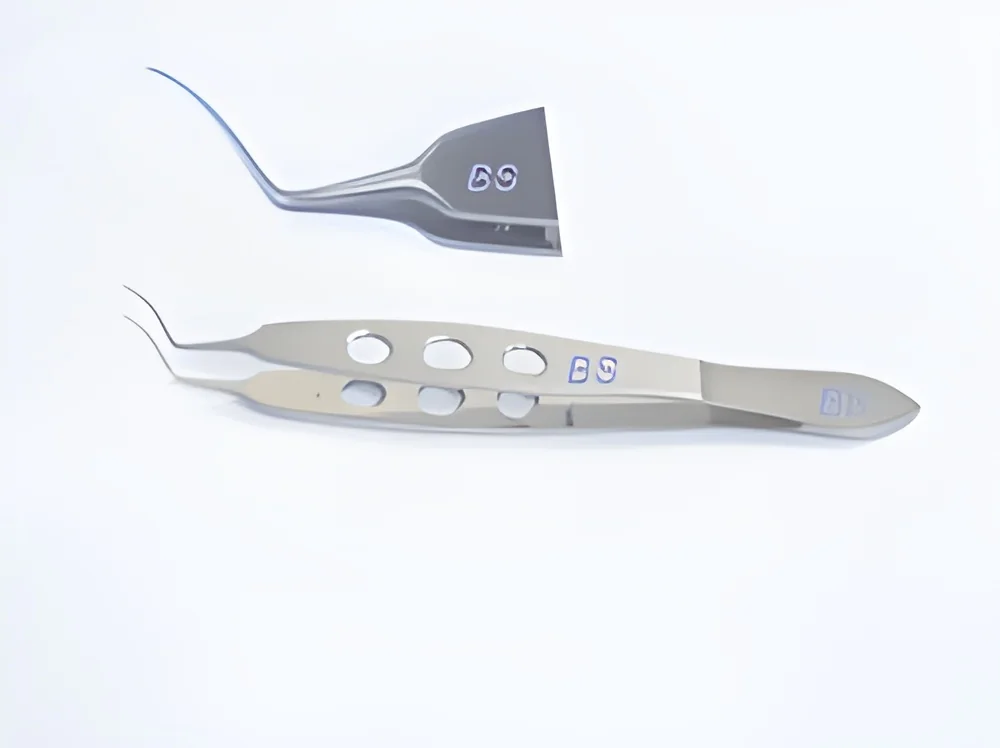
Ophthalmic Stainless Steel Wire Eye Speculum 14mm 15mm Blade
Ophthalmic stainless steel wire eye speculum with 14mm and 15mm blade sizes for precise eyelid retraction during surgical procedures. This reliable, autoclavable instrument ensures patient safety and optimal surgical access for hospitals and clinics.
Min. Order Quantity: 1 unit
Shipping
Shipping fee and delivery date to be negotiated. Contact supplier now for more details.
Bharati Surgical Co
 Maharashtra, India
Health & Personal CareManufacturer