IN
IN₹
Apparel & Fashion
Description
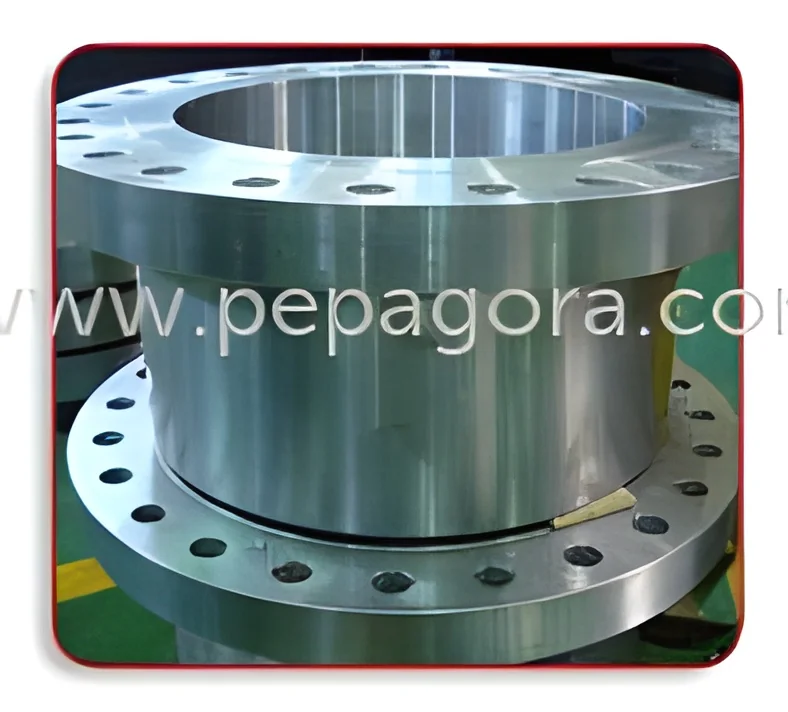
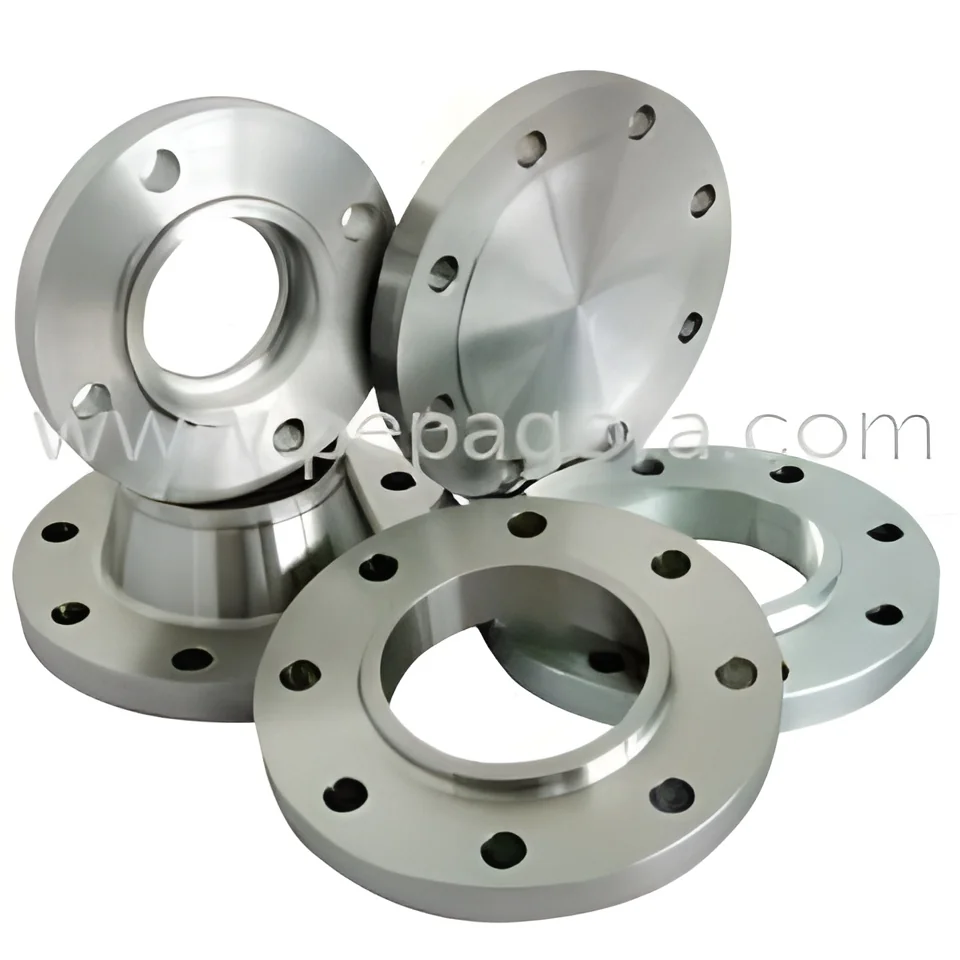
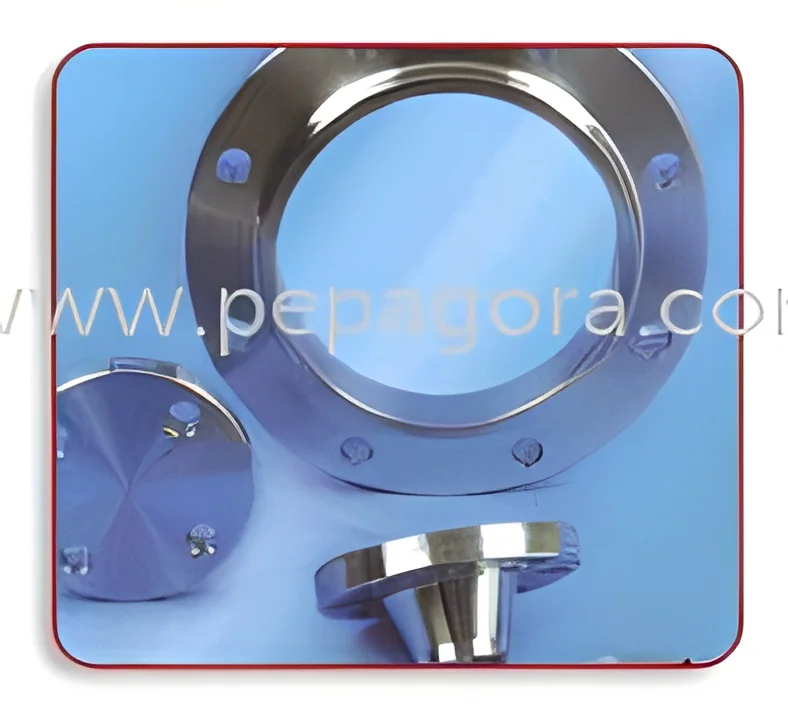
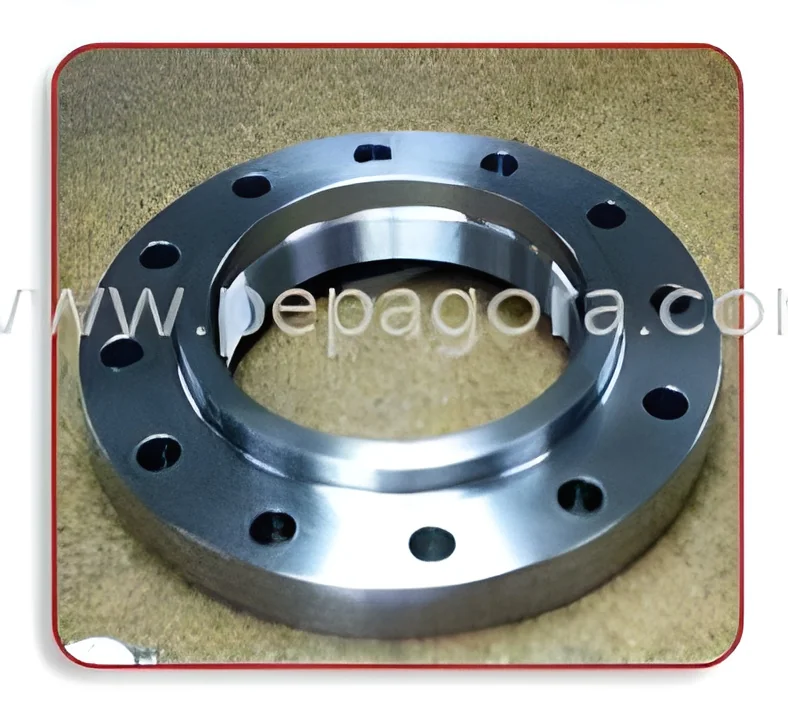
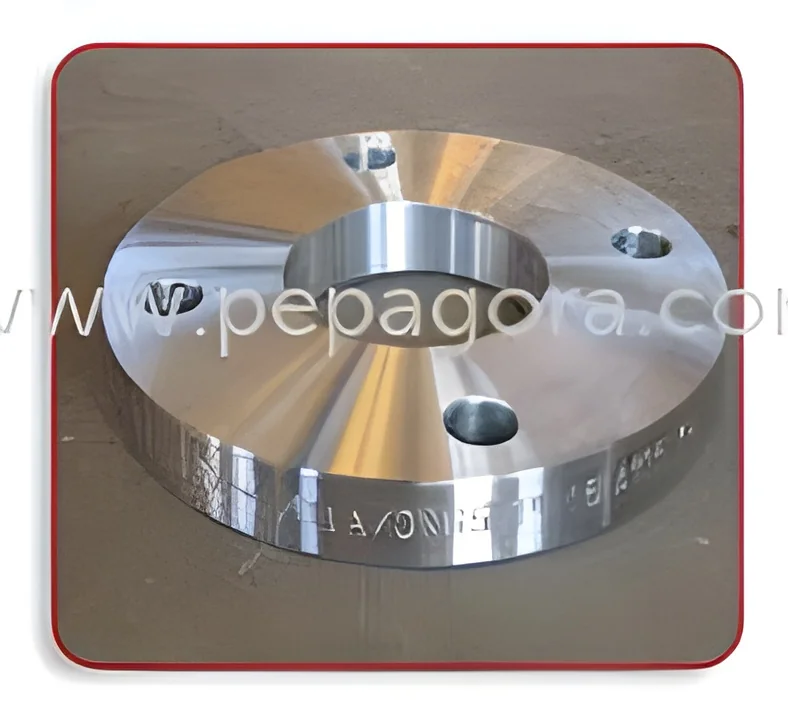
Type 316L stainless steel flanges represent the premium standard in corrosion-resistant piping components, specifically engineered for industries where system failure carries significant operational risk. These flanges feature reduced carbon content compared to standard 316 stainless steel, which enhances weldability and minimizes carbide precipitation during welding processes. This critical engineering refinement ensures consistent performance in aggressive chemical and saline environments, maintaining structural integrity where ordinary materials would deteriorate rapidly. The addition of molybdenum in their composition significantly boosts resistance to pitting and crevice corrosion, making these flanges indispensable for critical applications across demanding industrial sectors. Manufactured to meet international standards including ASME, ANSI, and DIN specifications, they ensure compatibility with global piping systems while providing reliable connection solutions for high-stakes ...
Type 316L stainless steel flanges represent the premium standard in corrosion-resistant piping components, specifically engineered for industries where system failure carries significant operational risk. These flanges feature reduced carbon content compared to standard 316 stainless steel, which enhances weldability and minimizes carbide precipitation during welding processes. This critical engineering refinement ensures consistent performance in aggressive chemical and saline environments, maintaining structural integrity where ordinary materials would deteriorate rapidly. The addition of molybdenum in their composition significantly boosts resistance to pitting and crevice corrosion, making these flanges indispensable for critical applications across demanding industrial sectors. Manufactured to meet international standards including ASME, ANSI, and DIN specifications, they ensure compatibility with global piping systems while providing reliable connection solutions for high-stakes industrial operations.

Multiple industries depend on 316L stainless steel flanges for their exceptional durability and corrosion resistance properties. Chemical processing plants utilize them to handle aggressive acids, solvents, and caustic fluids without material degradation, while offshore platforms and marine applications rely on their ability to withstand continuous saltwater exposure. Pharmaceutical manufacturers value their smooth, non-porous surface for maintaining sterile conditions in sensitive processing environments, and water treatment facilities implement them for long-term operation with chlorinated water and wastewater systems. The food processing industry selects these flanges for their hygienic properties and ease of cleaning, ensuring compliance with stringent sanitary standards. Their thermal stability makes them suitable for high-temperature applications in power generation and petrochemical refining, where reliability under thermal stress and pressure fluctuations is critical for operational safety.

The value proposition of 316L stainless steel flanges centers on their unmatched reliability and favorable total cost of ownership. While representing a higher initial investment than standard materials, these components deliver significant long-term savings through reduced maintenance downtime, fewer replacements, and extended service life in corrosive environments. Their engineering specifications allow precise matching to project requirements, ensuring optimal performance without compromise in demanding applications. Manufacturers provide rigorous quality assurance through material certifications, pressure testing, and dimensional verification, giving procurement professionals confidence in product consistency and safety compliance. These flanges serve as a quality differentiator in competitive bidding situations, demonstrating a commitment to operational excellence that resonates with serious buyers seeking dependable partners for their critical supply chain needs.

Key Features:
- Low carbon content prevents sensitization and ensures superior weldability without carbide precipitation
- Enhanced corrosion resistance against chlorides, acids, saline solutions, and aggressive chemicals
- Manufactured to international standards including ASME, ANSI, and DIN for global compatibility
- High tensile strength and durability maintained under extreme temperatures and pressure conditions
- Smooth, non-porous surface finish suitable for hygienic and sterile processing requirements

Benefits:
- Extended service life reduces replacement frequency and lowers long-term operational costs
- Superior corrosion resistance minimizes system failures and maintenance downtime in harsh environments
- International standard compliance ensures compatibility with existing global piping systems
- Enhanced safety through reliable performance in critical high-pressure and high-temperature applications
- Versatile application across multiple industries from chemical processing to food production
Specifications
| Additional Information | |
|---|---|
| Country of Origin | India |
Application
Engineered for high-corrosion environments where standard components fail, 316L stainless steel flanges prevent sensitization during welding, making them essential for chemical processing, offshore platforms, and pharmaceutical plants. Their low carbon content ensures durability and purity in critical systems exposed to extreme temperatures and pressures, maintaining long-term structural integrity.
These flanges offer exceptional resistance to chlorides, acids, and saline solutions, making them the preferred choice for piping networks in food processing, water treatment, and oil and gas sectors. Their reliability in aggressive environments reduces system failures and maintenance costs, providing dependable sealing solutions for complex industrial applications where material performance is non-negotiable.
- Chemical processing plants for handling corrosive acidic and caustic fluids safely
- Offshore oil and gas platforms exposed to seawater and harsh marine conditions
- Pharmaceutical manufacturing requiring sterile, contaminant-free fluid transfer systems
- Water treatment facilities managing aggressive disinfectants like chlorine and wastewater
- Food and beverage processing for hygienic, easy-to-clean piping connections
Trade Details
| Available Stock | In Stock |
| Sample Availability | No |
Payment Terms
| Payment Terms |
|
Company Profile
Hallmark Metallica, Maharashtra
 Maharashtra, India
Maharashtra, IndiaConstruction•Manufacturer•Distributor / Wholesaler•Importer / Exporter
Factory Details
Factory SizeBelow 1000 sqm
Annual Production Capacity0
Industrial 316L Stainless Steel Flanges Corrosion Resistant
Industrial 316L Stainless Steel Flanges provide superior corrosion resistance and weldability for demanding chemical, marine, and pharmaceutical piping systems requiring reliable, low-carbon connections.
Min. Order Quantity: 1 unit
Shipping
Shipping fee and delivery date to be negotiated. Contact supplier now for more details.
Hallmark Metallica
 Maharashtra, India
Maharashtra, IndiaConstructionManufacturer