IN
INundefined
Similar Products
Description
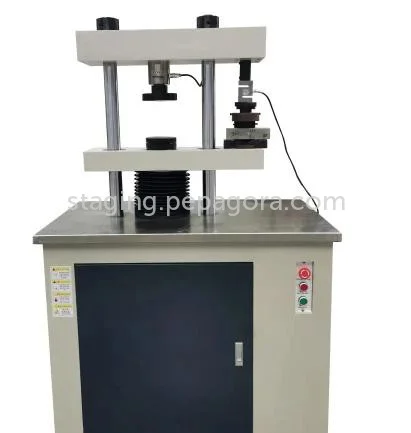
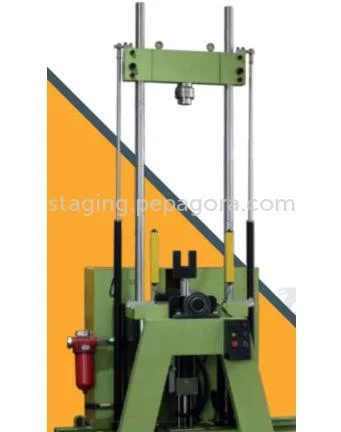
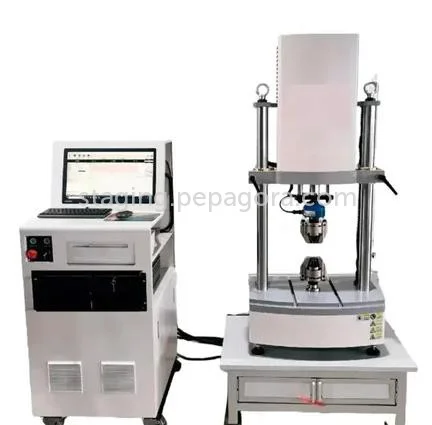
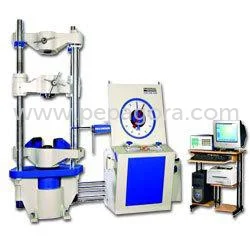
The Six Axis Fatigue Testing Machine represents advanced engineering in materials testing, designed to apply simultaneous multi-directional loads across six degrees of freedom. Thi...
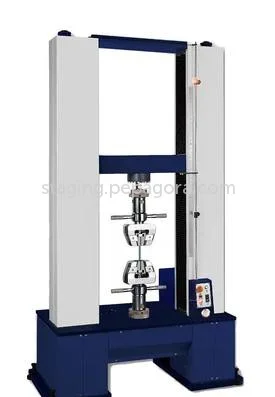
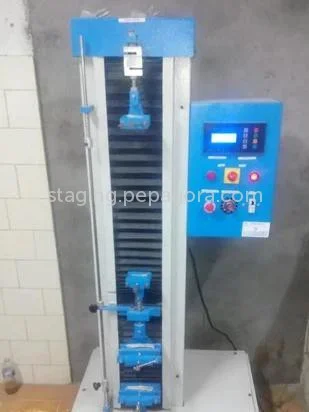
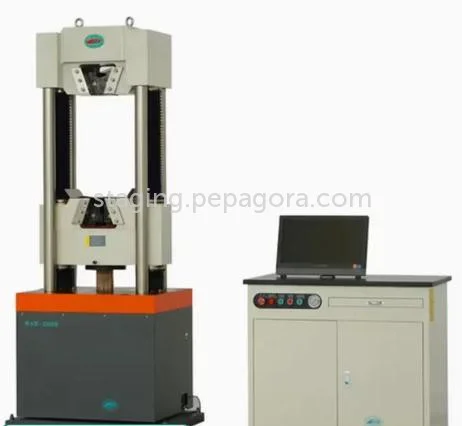
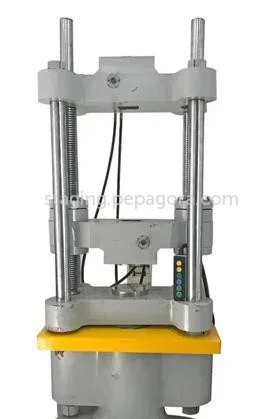
The Six Axis Fatigue Testing Machine represents advanced engineering in materials testing, designed to apply simultaneous multi-directional loads across six degrees of freedom. This high-precision system replicates real-world stress conditions by generating forces and moments along X, Y, and Z axes, providing comprehensive fatigue life evaluation for components and materials. Using sophisticated servo-hydraulic or electric actuators with independent synchronization, the machine accurately simulates complex operational environments that products encounter during actual use. This capability makes it indispensable for research institutions, quality control laboratories, and manufacturing facilities seeking to validate product durability and performance under the most demanding conditions. Industries ranging from automotive and aerospace to biomedical engineering and construction rely on Six Axis Fatigue Testing Machines for critical component validation. Automotive manufacturers use these systems to test suspension components, engine parts, and chassis elements under simulated road conditions. Aerospace companies employ them for validating airframe structures, landing gear systems, and turbine components. The biomedical sector utilizes these machines for testing orthopedic implants and surgical instruments, while civil engineering firms assess building materials and structural elements. This widespread industry adoption demonstrates the machine's versatility in addressing diverse testing requirements across multiple sectors. The business value of implementing Six Axis Fatigue Testing lies in its ability to reduce product development costs, minimize warranty claims, and enhance brand reputation through reliable product performance. By identifying potential failure points early in the development cycle, manufacturers can make design improvements before mass production, saving significant resources. The machine's precision and repeatability ensure consistent test results, supporting compliance with international quality standards and regulatory requirements. This reliability makes it a worthwhile investment for businesses committed to delivering durable, safe products to their customers.

Key Features:
- Simultaneous six-axis loading capability for comprehensive stress simulation
- Advanced servo-hydraulic or electric actuator systems with synchronized control
- High-speed data acquisition system for real-time performance monitoring
- Customizable testing parameters to match specific application requirements
- Robust construction ensuring long-term operational reliability

Benefits:
- Accurate prediction of product fatigue life and durability performance
- Reduced product development costs through early failure detection
- Enhanced product safety and reliability for end-users
- Compliance with international quality standards and testing protocols
- Improved competitive advantage through superior product validation
Specifications
| Additional Information | |
|---|---|
| Country of Origin | 106 |
| Customisable | No |
Application
The Six Axis Fatigue Testing Machine is essential for industries requiring rigorous validation of materials and components under complex, real-world stress conditions. It accurately replicates multi-directional forces and moments, enabling precise fatigue life assessment and durability testing for critical applications across various sectors. This testing system supports product development and quality assurance by simulating operational environments, helping manufacturers identify potential failure points and improve component reliability before market deployment. I

ts versatility makes it suitable for a wide range of materials and assemblies, ensuring consistent performance under dynamic loading scenarios. Real-world applications: - Automotive suspension and engine component fatigue testing under simulated road conditions - Aerospace structural part validation for airframes and landing gear systems - Biomedical implant durability assessment for hip and knee replacements - Civil engineering material testing for bridges and building components - Industrial machinery part evaluation for heavy-duty equipment and rotating assemblies
Real-world applications:
- Automotive suspension and engine component fatigue testing under simulated road conditions
- Aerospace structural part validation for airframes and landing gear systems
- Biomedical implant durability assessment for hip and knee replacements
- Civil engineering material testing for bridges and building components
- Industrial machinery part evaluation for heavy-duty equipment and rotating assemblies
Trade Details
| Available Stock | In stock |
| Sample Availability | No |
Payment Terms
| Payment Terms |
|
Company Profile

Enkay Enterprises, New Delhi New Delhi, India
New Delhi, IndiaIndustrial Equipment & Machinery
Factory Details
Factory SizeBelow 1000 sqm
Six Axis Fatigue Testing Machine For Automotive Aerospace Industrial
Six Axis Fatigue Testing Machine simulates real-world multi-directional stress to evaluate material fatigue life and durability for automotive, aerospace, and industrial components with high precision.
Min. Order Quantity: 1 Unit
Shipping
Shipping fee and delivery date to be negotiated. Contact supplier now for more details.
Enkay Enterprises
 New Delhi, India
New Delhi, IndiaIndustrial Equipment & Machinery