IN
IN₹
Apparel & Fashion
Loading subcategories...
View More
Description
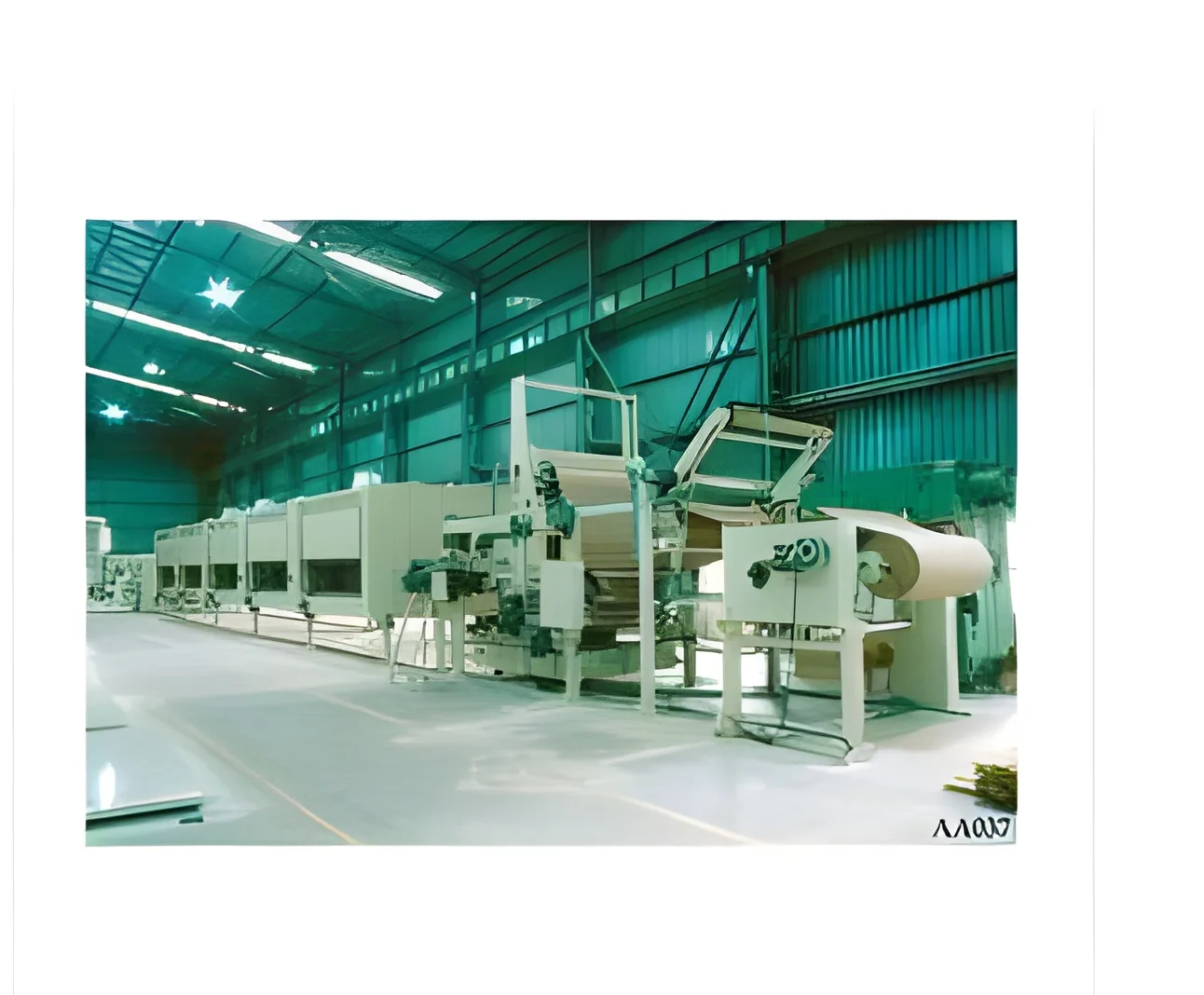
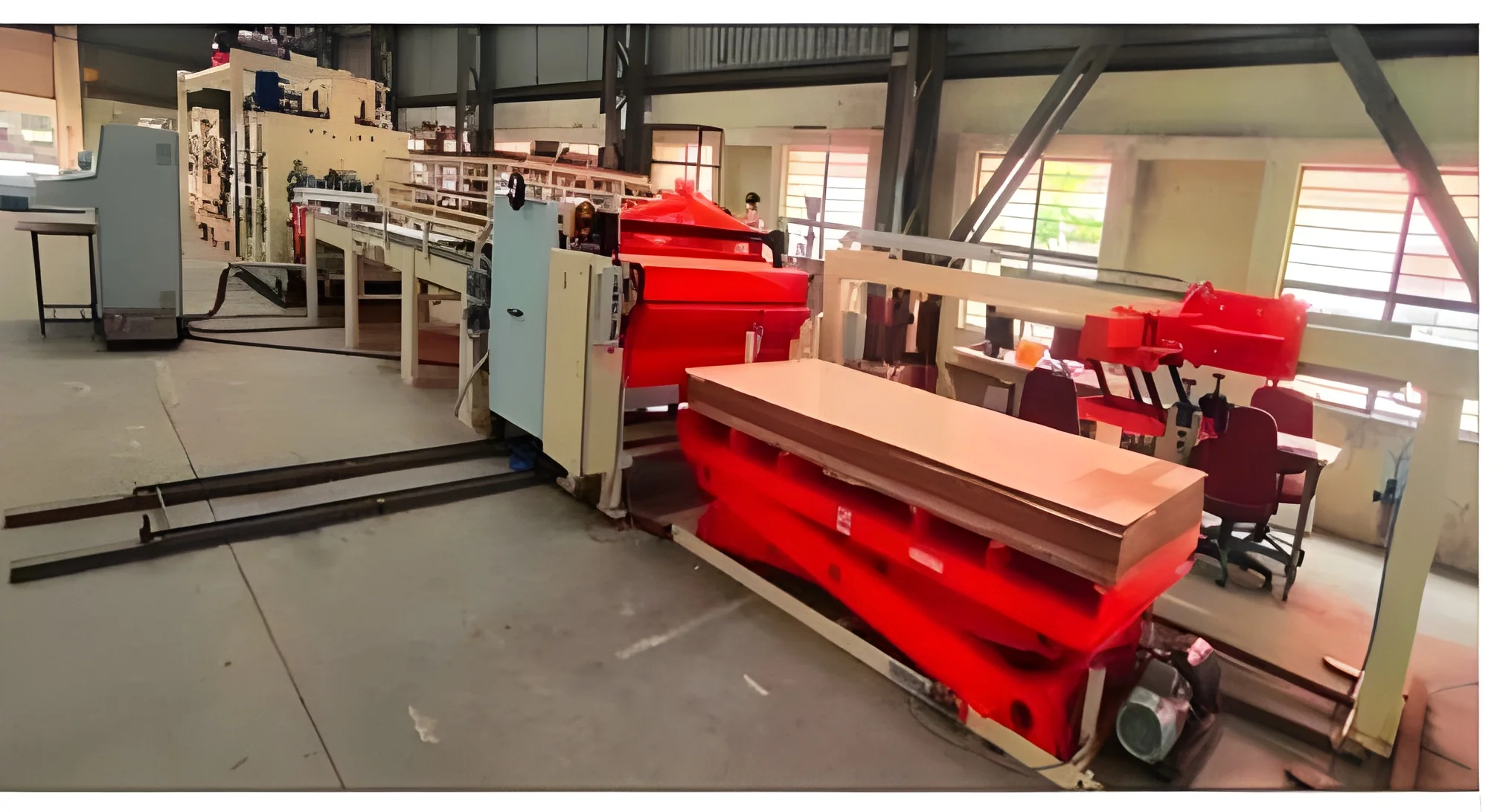
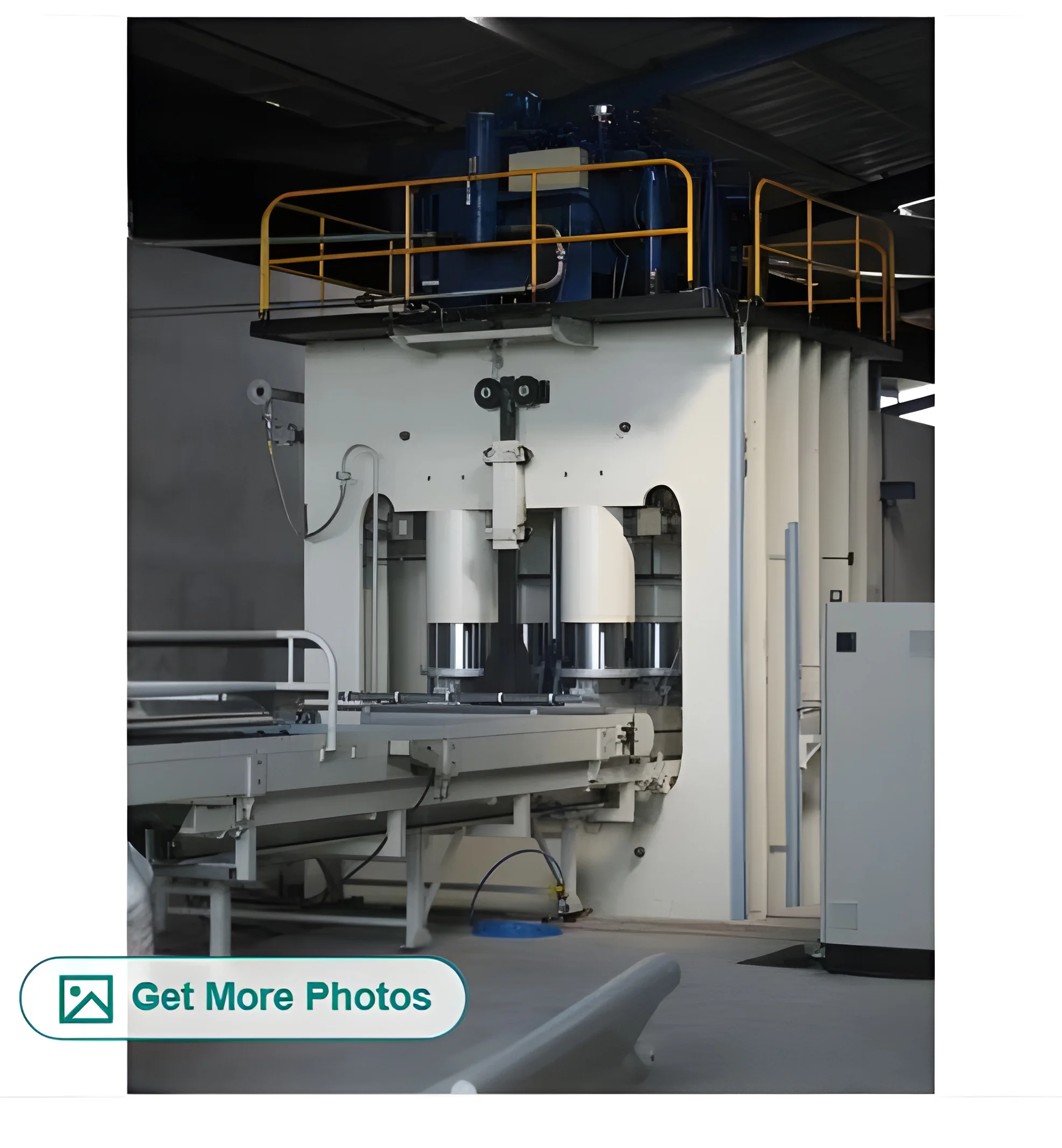
The Short Cycle Lamination Press Line represents advanced manufacturing technology designed specifically for applying decorative papers and laminates to engineered wood substrates like particle board and MDF. This system delivers exceptional speed and precision through automated processes that ensure uniform pressure, temperature, and adhesion across every panel. Engineered for industrial durability, it combines robust construction with sophisticated controls to maintain consistent output quality while maximizing production efficiency. The press line handles various board dimensions and material specifications, making it a versatile solution for manufacturers seeking to optimize their finishing operations and meet growing market demands for high-quality laminated products.

This press line finds extensive application across multiple manufacturing sectors, particularly in furniture production where decorative surfaces are critical to product value and appeal. It serves kitchen cabinet m...
The Short Cycle Lamination Press Line represents advanced manufacturing technology designed specifically for applying decorative papers and laminates to engineered wood substrates like particle board and MDF. This system delivers exceptional speed and precision through automated processes that ensure uniform pressure, temperature, and adhesion across every panel. Engineered for industrial durability, it combines robust construction with sophisticated controls to maintain consistent output quality while maximizing production efficiency. The press line handles various board dimensions and material specifications, making it a versatile solution for manufacturers seeking to optimize their finishing operations and meet growing market demands for high-quality laminated products.

This press line finds extensive application across multiple manufacturing sectors, particularly in furniture production where decorative surfaces are critical to product value and appeal. It serves kitchen cabinet manufacturers requiring durable, moisture-resistant finishes, office furniture producers needing consistent high-pressure laminates, and interior component makers creating wall panels, doors, and architectural elements. The technology supports both large-scale industrial operations and medium-sized manufacturing facilities, enabling businesses to scale production while maintaining quality standards. Its adaptability to different material types and production volumes makes it suitable for diverse manufacturing environments, from dedicated panel processing plants to integrated furniture manufacturing facilities.

The business value of this Short Cycle Lamination Press Line lies in its proven reliability, operational efficiency, and quality consistency. By automating critical processes from paper placement to trimming and cooling, it significantly reduces labor requirements while minimizing human error and material waste. The system's robust construction with quality components ensures minimal downtime and long service life, protecting your investment and maintaining production continuity. This technology enhances your competitive position by enabling faster order fulfillment, consistent product quality that builds brand reputation, and the flexibility to handle custom specifications. The efficiency gains translate directly to improved profitability through higher throughput and reduced per-unit production costs.

Key Features:
- Automatic paper lay-up system for precise top and bottom paper placement without operator intervention.
- Secondary hydraulic circuit with independent temperature control for both top and bottom platen surfaces.
- Automatic four-side trimming mechanism for clean edge finishing without damaging board substrates.
- Integrated cooling wheel conveyor system for controlled panel cooling and consistent quality output.
- Static charging system for proper paper alignment and secure assembly before pressing.

Benefits:
- Increased production efficiency through automated processes that reduce cycle times and labor costs.
- Consistent high-quality finishes with uniform adhesion, temperature distribution, and surface smoothness.
- Reduced material waste through precise paper placement and automated trimming operations.
- Enhanced operational flexibility with ability to handle various board sizes and material specifications.
- Improved workplace safety by minimizing manual handling and operator exposure to pressing operations.
Specifications
| Additional Information | |
|---|---|
| Country of Origin | India |
| Customisable | No |
Application
The Short Cycle Lamination Press Line excels in high-volume production environments where consistent quality and rapid throughput are essential. It seamlessly integrates into existing manufacturing workflows for particle board and MDF processing, enabling furniture makers and panel producers to achieve superior decorative finishes with minimal downtime. The system's precision ensures every panel meets exact specifications, making it ideal for demanding industrial applications.
This versatile press line serves manufacturers across various scales, from large industrial plants to growing workshops seeking to enhance their capabilities. It accommodates different board sizes and material types, providing flexibility for diverse production needs. The technology's reliability and ease of operation support continuous operation, helping businesses maintain steady output while reducing manual labor requirements and production bottlenecks.
- Furniture manufacturing for applying decorative laminates to cabinets, tables, shelves, and wardrobes.
- Kitchen and bathroom cabinet production for creating moisture-resistant, durable surface finishes.
- Interior panel and wall cladding manufacturing for commercial and residential construction projects.
- Office furniture production for desks, partitions, and storage units requiring high-pressure laminates.
- Door and window component manufacturing for enhanced aesthetic surfaces and protective layers.
Trade Details
| Available Stock | In Stock |
| Sample Availability | No |
Payment Terms
| Payment Terms |
|
Company Profile
Master Handlers Pvt Ltd, Maharashtra
 Maharashtra, India
Maharashtra, IndiaIndustrial Equipment & Machinery•Manufacturer•Retailer
Factory Details
Factory SizeBelow 1000 sqm
Annual Production Capacity0
Short Cycle Lamination Press Line for Particle Board MDF Decorative Finishes
Short Cycle Lamination Press Line applies decorative papers onto particle board and MDF panels with high-speed efficiency, delivering uniform, durable finishes for furniture manufacturing and industrial production.
Min. Order Quantity: 1 unit
Shipping
Shipping fee and delivery date to be negotiated. Contact supplier now for more details.
Master Handlers Pvt Ltd
 Maharashtra, India
Maharashtra, IndiaIndustrial Equipment & MachineryManufacturer