IN
IN₹
Apparel & Fashion
Loading subcategories...
View More
Description
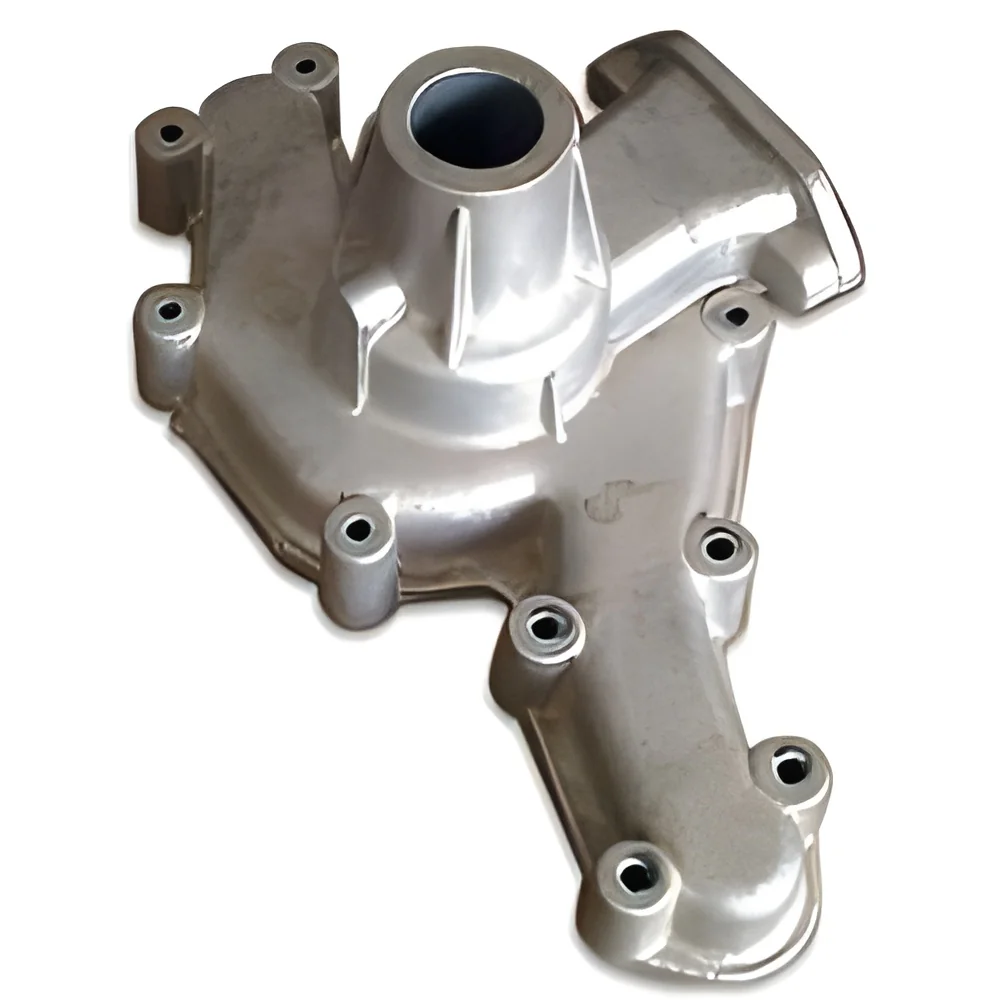
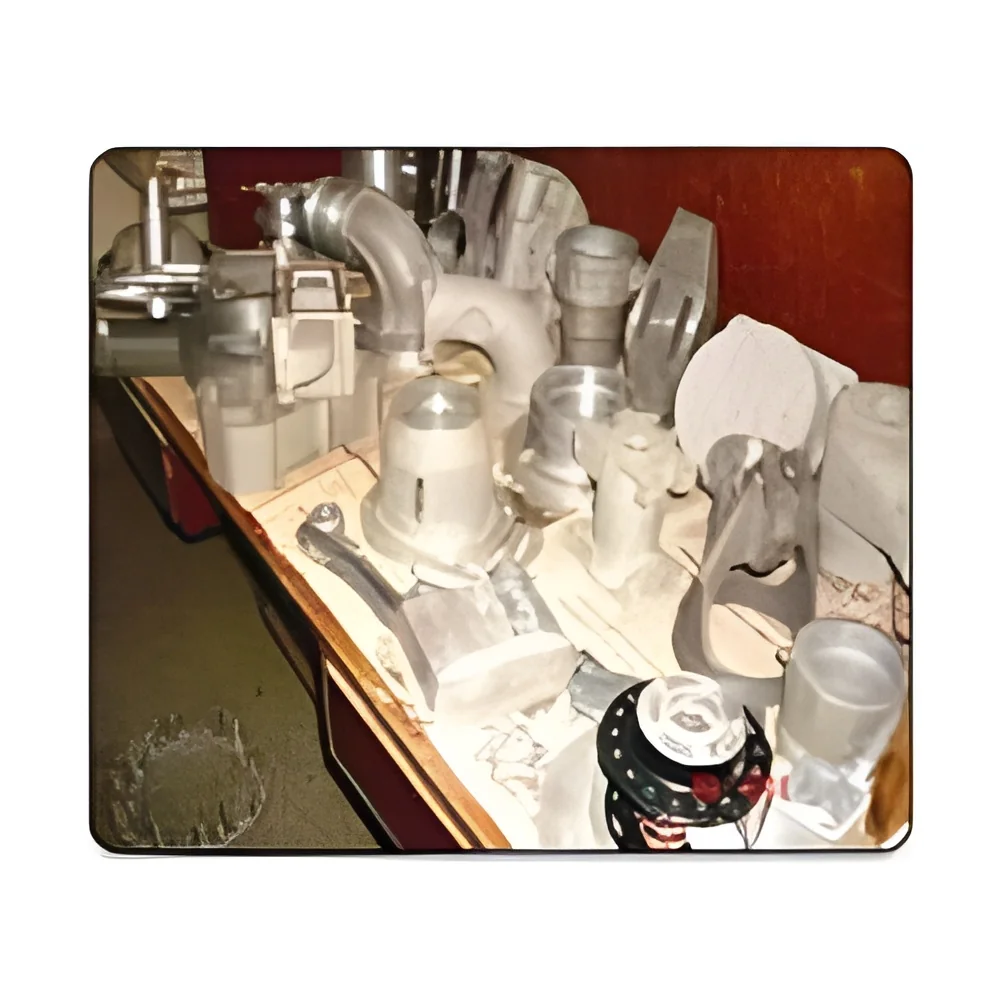
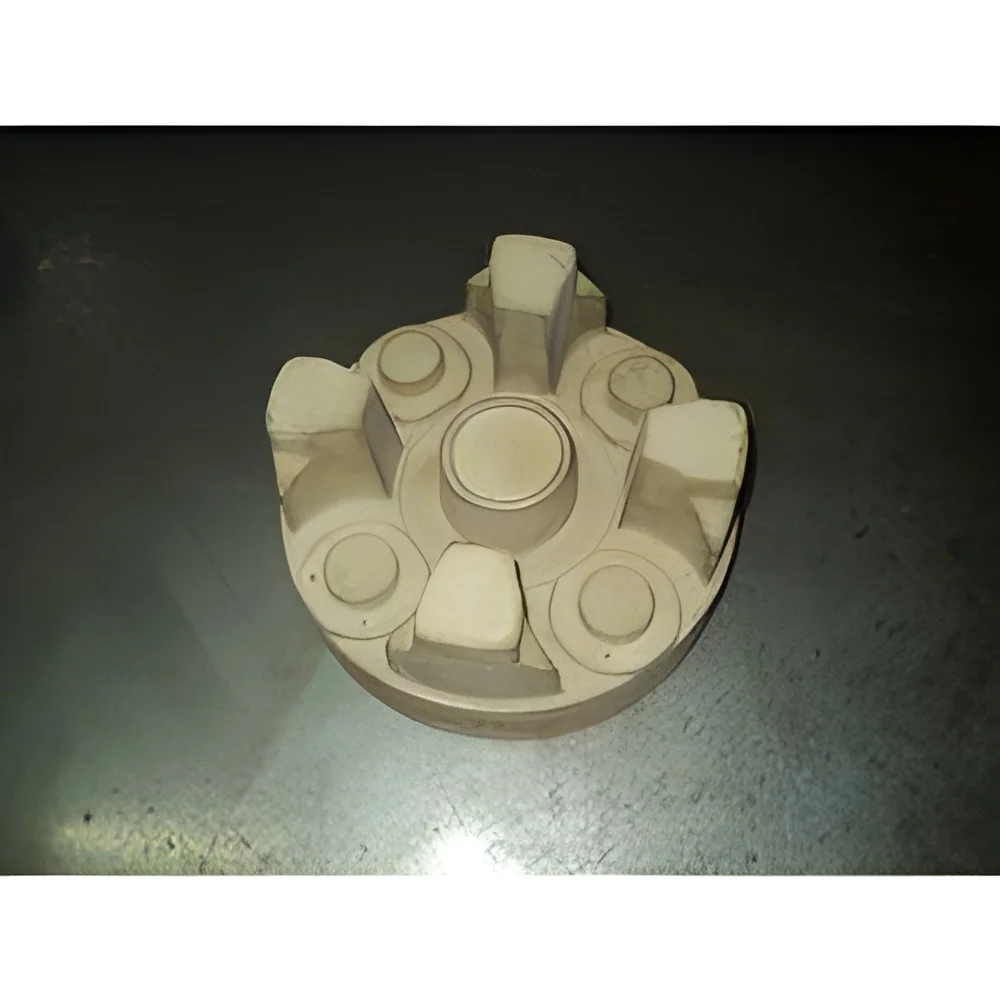
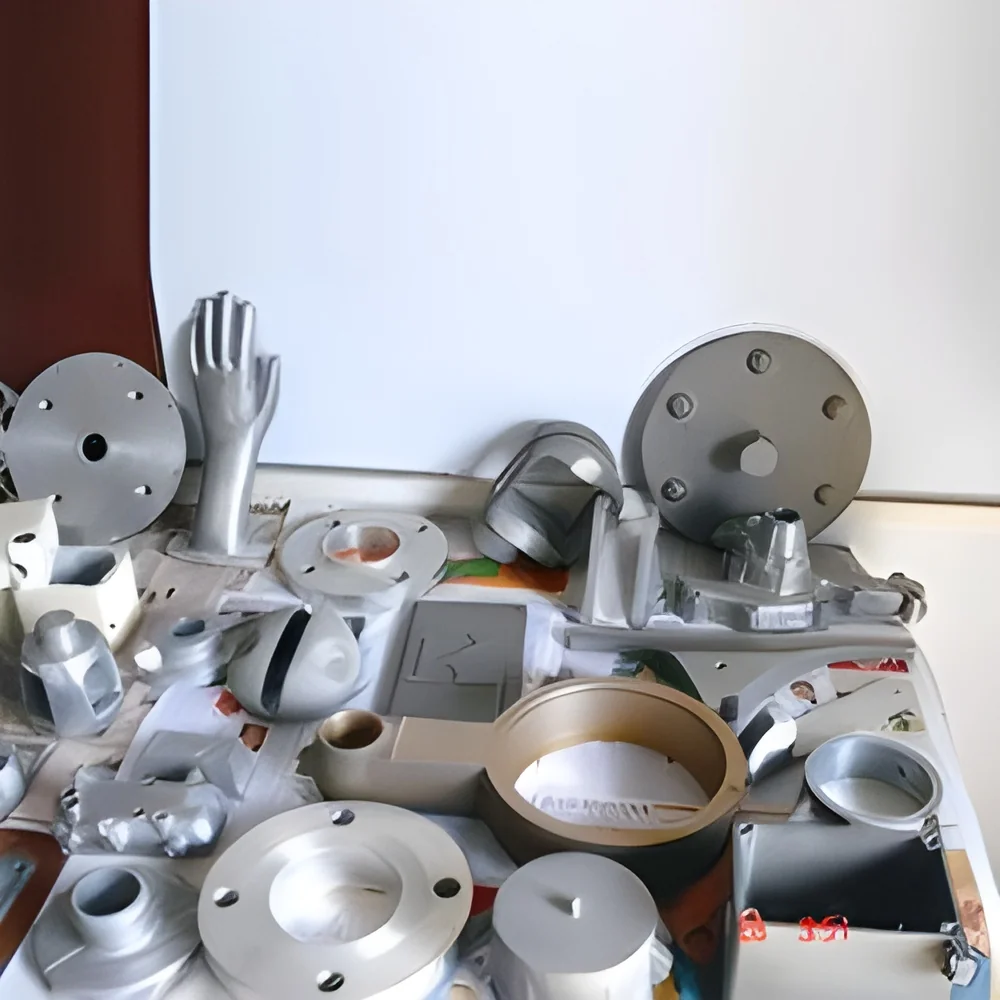
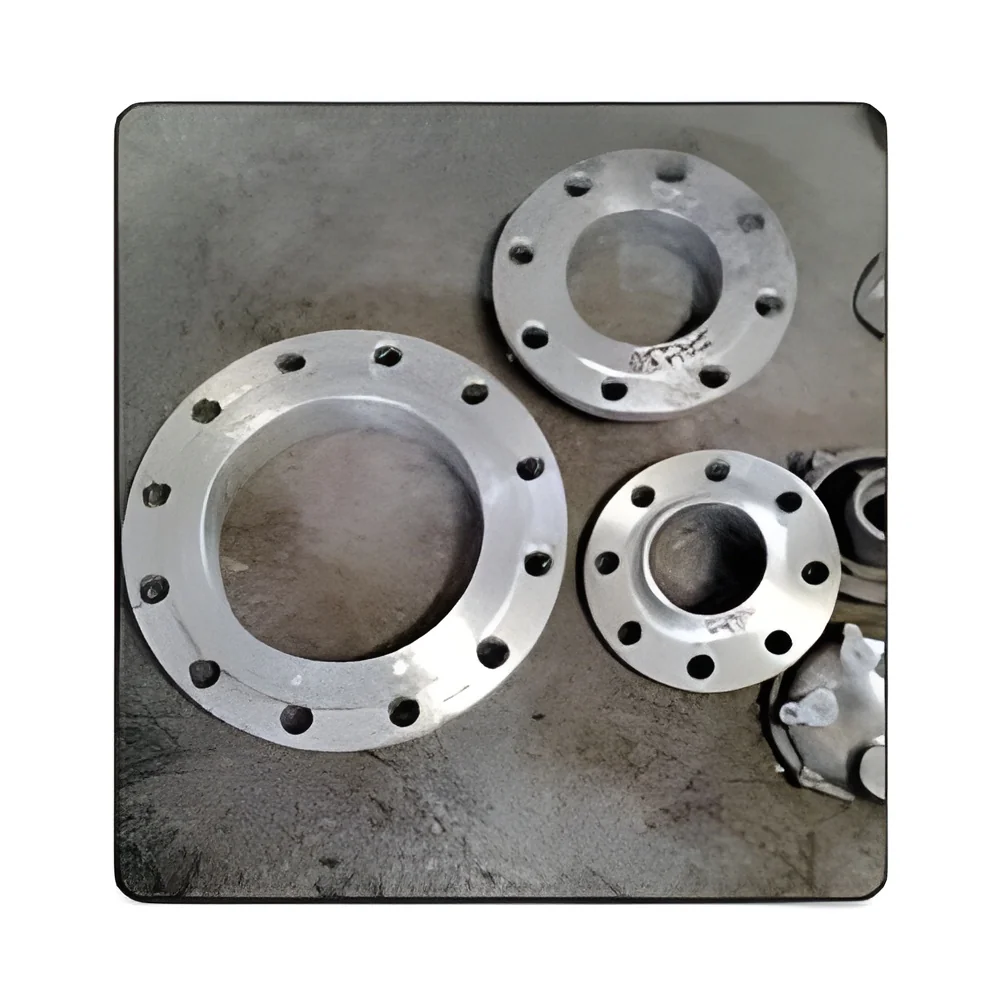
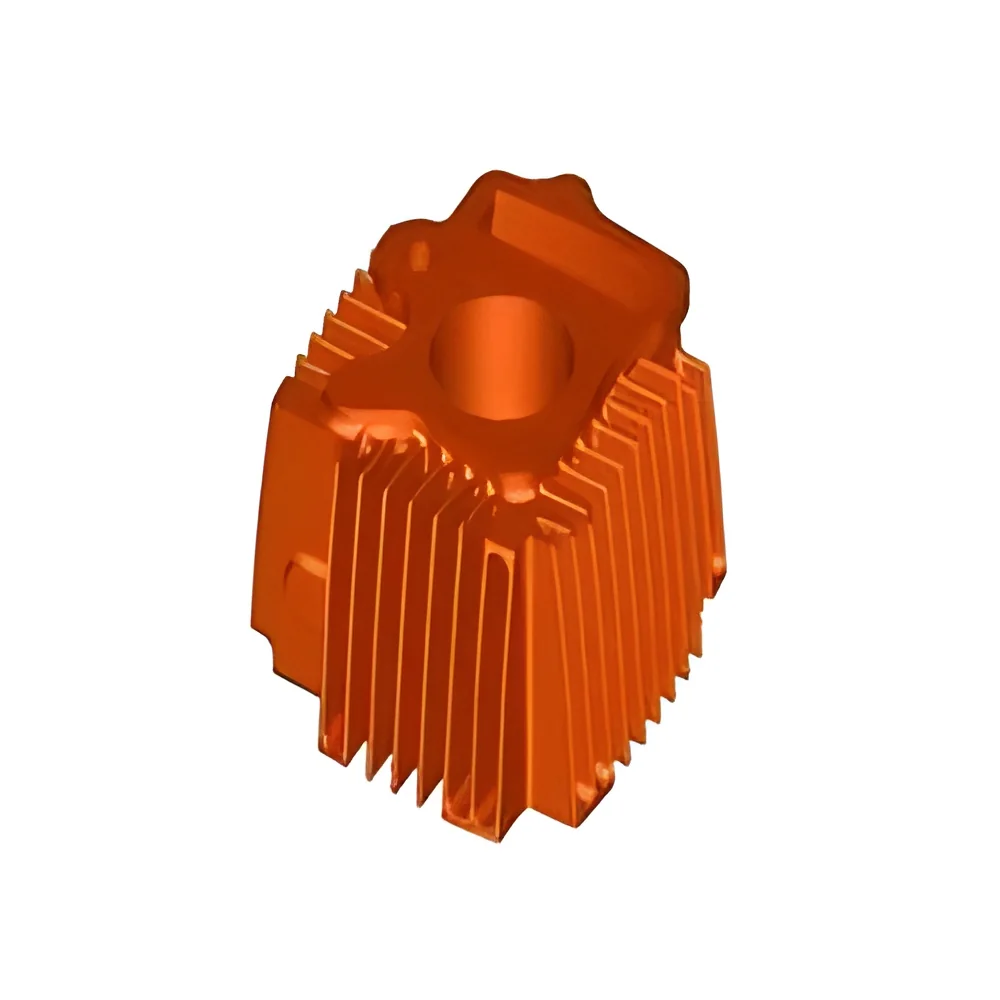
Precision shell moulded patterns are engineered master tools designed for the exacting demands of modern metal casting. They serve as the critical interface between design and production, creating the precise mould cavities into which molten metal is poured. Manufactured to exceptional standards, these patterns ensure that every cast component replicates the intended design with dimensional accuracy, smooth surface finish, and consistent geometry. Their primary function is to enable the reliable and repeatable production of complex metal parts, making them a cornerstone of efficient foundry operations for businesses that cannot compromise on part quality or production predictability.

These patterns find essential usage in industries where component reliability is non-negotiable. The automotive sector relies on them for high-volume production of engine and drivetrain components. Aerospace manufacturers use them to create lightweight, high-strength parts for airframes and propulsion sys...
Precision shell moulded patterns are engineered master tools designed for the exacting demands of modern metal casting. They serve as the critical interface between design and production, creating the precise mould cavities into which molten metal is poured. Manufactured to exceptional standards, these patterns ensure that every cast component replicates the intended design with dimensional accuracy, smooth surface finish, and consistent geometry. Their primary function is to enable the reliable and repeatable production of complex metal parts, making them a cornerstone of efficient foundry operations for businesses that cannot compromise on part quality or production predictability.

These patterns find essential usage in industries where component reliability is non-negotiable. The automotive sector relies on them for high-volume production of engine and drivetrain components. Aerospace manufacturers use them to create lightweight, high-strength parts for airframes and propulsion systems. The industrial machinery sector employs them for producing wear-resistant parts for pumps, valves, and hydraulic systems. Additionally, the energy sector utilizes these patterns for components in turbines and power generation equipment. In each case, the pattern's ability to maintain its form and detail under high-temperature casting conditions is crucial for achieving the required metallurgical properties and mechanical performance in the final part.

Investing in high-quality shell moulded patterns delivers direct business value through enhanced manufacturing efficiency and reduced total cost of ownership. Their durability minimizes downtime for pattern replacement, while their precision reduces scrap rates and the need for costly post-casting machining. This reliability translates to more predictable production schedules, higher overall equipment effectiveness (OEE), and consistent output quality. For businesses, this means stronger supplier relationships, the ability to meet tighter delivery windows, and a solid reputation for quality that can be a significant competitive differentiator in industrial markets.

Key Features:
- Engineered for exceptional dimensional accuracy and stability to ensure consistent part geometry.
- Constructed from premium, corrosion-resistant materials suitable for demanding foundry environments.
- Designed to withstand repeated exposure to high temperatures during the casting process.
- Provides excellent surface finish for superior reproduction of details in the final cast component.
- Built for durability and long service life to maximize return on investment and minimize production interruptions.

Benefits:
- Enables the production of complex, high-integrity metal parts with minimal defects and consistent quality.
- Reduces overall manufacturing costs by lowering scrap rates and decreasing secondary machining requirements.
- Increases production efficiency through reliable performance and reduced downtime for tooling maintenance or replacement.
- Supports faster time-to-market for new products by providing accurate and dependable prototyping and production tooling.
- Delivers a strong return on investment through extended service life and contribution to streamlined, profitable manufacturing operations.
Specifications
| Additional Information | |
|---|---|
| Country of Origin | India |
| Customisable | No |
Application
Shell moulded patterns are fundamental tools in precision casting, creating accurate mould cavities for producing intricate metal components with excellent surface finish and tight tolerances. Their robust construction withstands the rigors of foundry environments, ensuring reliable performance across countless production cycles for manufacturers who prioritize consistency and quality in their output.
These patterns are integral to investment casting, sand casting, and similar processes across advanced manufacturing sectors. They enable the production of complex geometries that are difficult or impossible to achieve with other methods, reducing the need for secondary machining and minimizing material waste. This efficiency supports streamlined production lines and helps businesses maintain competitive operational costs while delivering superior parts.
- Automotive manufacturing: Producing critical engine components like cylinder heads, blocks, and transmission housings with precise internal passages.
- Aerospace engineering: Creating turbine blades, structural airframe components, and landing gear parts that meet stringent safety and performance standards.
- Industrial equipment: Manufacturing durable pump casings, valve bodies, and complex hydraulic system components for heavy machinery.
- Power generation: Fabricating components for turbines, compressors, and other equipment used in energy production facilities.
- General engineering: Supporting the production of prototypes, tooling, and specialized parts for various mechanical and industrial applications.
Trade Details
| Available Stock | In Stock |
| Sample Availability | No |
Payment Terms
| Payment Terms |
|
Company Profile
Atharva Engineers, Maharashtra
 Maharashtra, India
Maharashtra, IndiaIndustrial Equipment & Machinery•Manufacturer•Distributor / Wholesaler
Factory Details
Factory SizeBelow 1000 sqm
Annual Production Capacity0
Main Markets
South Asia
Precision Shell Moulded Patterns For Automotive Aerospace Industrial
Precision shell moulded patterns for automotive, aerospace, and industrial casting. Engineered for durability, corrosion resistance, and exact dimensional accuracy to ensure high-quality mould solutions for complex metal parts.
Min. Order Quantity: 1 unit
Shipping
Shipping fee and delivery date to be negotiated. Contact supplier now for more details.
Atharva Engineers
 Maharashtra, India
Maharashtra, IndiaIndustrial Equipment & MachineryManufacturer