
 IN
INundefined
Similar Products

Description
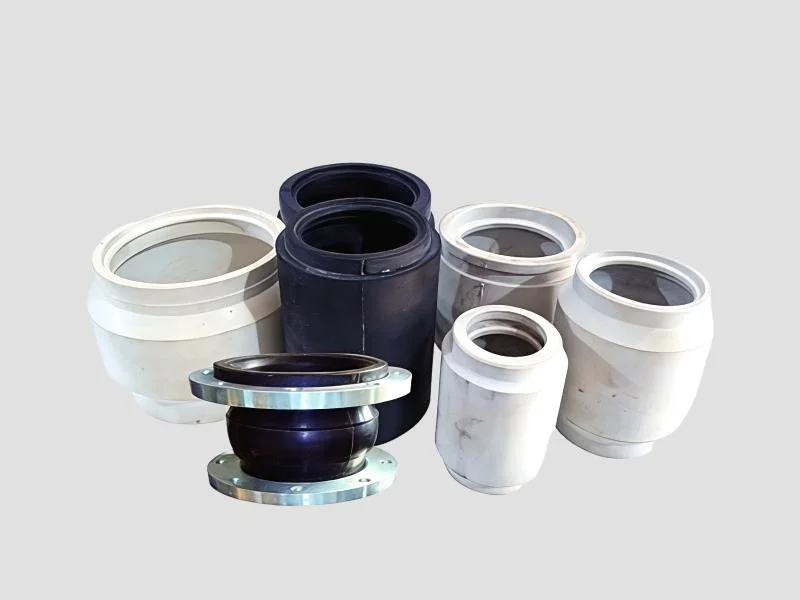
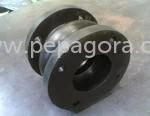
Rubber Bellows serve as critical flexible expansion joints and connectors within industrial piping and machinery systems. Engineered from high-quality, durable rubber compounds suc...
Rubber Bellows serve as critical flexible expansion joints and connectors within industrial piping and machinery systems. Engineered from high-quality, durable rubber compounds such as EPDM, NBR, or neoprene, and reinforced with high-strength nylon or polyester cord fabric, they are specifically designed to absorb vibration, dampen pressure surges, and compensate for axial, lateral, and angular misalignment between connected components. This flexible design prevents the transfer of stress and movement to pumps, valves, and pipeline flanges, ensuring a reliable, leak-free flow path for various fluids and gases. Their robust construction offers excellent elasticity and fatigue resistance, making them a long-lasting solution for maintaining system stability and protecting valuable equipment from premature wear and failure.

These versatile connectors find extensive use across a wide range of industries where reliable fluid handling is paramount. In water and wastewater treatment facilities, they are installed on pump lines within ETP and STP systems. Chemical and pharmaceutical plants utilize them to handle aggressive fluids while isolating equipment vibration. They are integral to HVAC systems for managing thermal expansion in heating and cooling loops, and are essential in power generation for auxiliary cooling water lines. Furthermore, demanding sectors like mining, cement production, sugar mills, and marine applications rely on rubber bellows to protect machinery in harsh, abrasive, and high-duty cycle environments, ensuring continuous operational uptime.

The business value of incorporating high-quality rubber bellows lies in their direct contribution to reduced maintenance costs, extended equipment lifespan, and enhanced system reliability. By effectively isolating vibrations, they prevent catastrophic failures of pumps and bearings, minimizing unplanned downtime and expensive repairs. Their ability to handle misalignment eliminates stress concentrations at pipe joints, significantly reducing the risk of leaks and subsequent fluid loss or environmental contamination. This reliability translates into predictable operational costs, improved safety by reducing potential leak points, and greater overall productivity for facilities running 24/7 operations. Choosing bellows with the correct material specification and reinforcement ensures suitability for specific temperature ranges and media, delivering long-term performance and a strong return on investment.

Key Features:
- Constructed from durable, industry-grade rubber compounds like EPDM, NBR, or neoprene for chemical and environmental resistance.
- Reinforced with high-strength nylon or polyester cord fabric to withstand internal pressure and mechanical stress.
- Available in single sphere, double sphere, and convoluted types to suit different movement and space requirements.
- Designed to operate effectively within a broad temperature range, typically from -10°C to 120°C, depending on the compound.
- Features various end connection types including flanged, threaded, or clamp-style for secure and versatile installation.

Benefits:
- Absorbs vibration, shock loads, and pressure surges to protect pumps, valves, and pipeline components from damage.
- Compensates for pipeline misalignment and thermal expansion, reducing stress on flanges and supporting structures.
- Ensures a reliable, leak-free seal to prevent fluid loss, maintain system pressure, and enhance operational safety.
- Easy to install between existing flanged connections, minimizing downtime during maintenance or system upgrades.
- Extends the service life of connected equipment by isolating mechanical stresses, leading to lower long-term maintenance costs.
Specifications
| productDetailPage.specification.attribute | productDetailPage.specification.value |
|---|---|
| CategoryApplicationBellows TypeReinforcementEnd ConnectionFlange MaterialTemperature Range |
| Additional Information | |
|---|---|
| Country of Origin | India |
| Customisable | No |
Application
Rubber Bellows are essential components in industrial fluid handling systems, primarily used to isolate damaging vibrations and compensate for thermal expansion or minor misalignments in piping networks. Their flexible design protects critical equipment from stress, reduces noise transmission, and prevents premature failure of pumps, valves, and pipe joints across various demanding environments.

These connectors are specifically installed on suction and discharge lines of centrifugal, chemical, and slurry pumps, as well as within HVAC circulation loops, water supply mains, and industrial process pipelines. By accommodating axial, lateral, and angular movement, they maintain system integrity in continuous-duty applications, from water treatment plants and power stations to chemical processing and manufacturing facilities.
- Isolating vibration and noise on pump suction and discharge lines in water treatment plants and industrial water systems.
- Compensating for thermal expansion and contraction in HVAC heating and cooling circulation pipelines.
- Absorbing pressure surges and shock loads in chemical processing and pharmaceutical manufacturing lines.
- Protecting pumps and valves from misalignment stress in mining, cement, and slurry handling operations.
- Reducing flange stress and preventing leaks in cooling water networks and power station auxiliary systems.
Trade Details
| Available Stock | In stock |
| Sample Availability | No |
Payment Terms
| Payment Terms |
|
Company Profile

PC Pumps & Systems, Tamil Nadu Tamil Nadu, India
Tamil Nadu, IndiaIndustrial Equipment & Machinery•Manufacturer
Factory Details
Factory SizeBelow 1000 sqm
Industrial Rubber Bellows For Pump Vibration Isolation And Pipeline Protection
Rubber Bellows are durable flexible connectors for pumps and pipelines, designed to absorb vibration, pressure surges, and misalignment. They ensure leak-free flow and long service life with easy installation.
Min. Order Quantity: 1
Shipping
Shipping fee and delivery date to be negotiated. Contact supplier now for more details.
PC Pumps & Systems
 Tamil Nadu, India
Tamil Nadu, IndiaIndustrial Equipment & MachineryManufacturer