IN
IN₹
Apparel & Fashion
Description
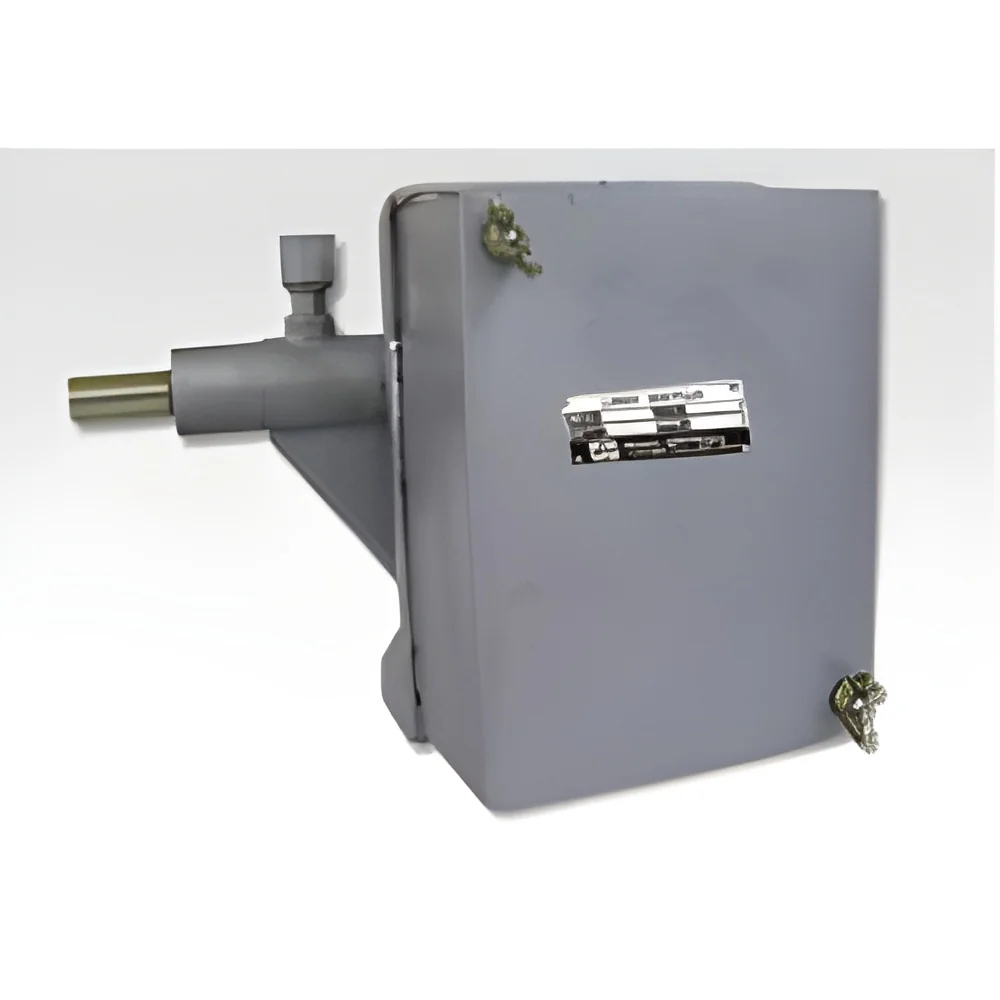
The industrial rotary geared limit switch represents a fundamental safety component engineered to automatically interrupt electrical power to motors when industrial machinery reaches predetermined travel limits. This mechanical safety device operates through a precise geared mechanism that ensures accurate position detection and reliable cut-off functionality. Unlike electronic sensors that may be susceptible to environmental interference or electrical failure, this mechanical switch provides inherent reliability through its physical operation. The design focuses on delivering consistent performance in the most challenging industrial environments where equipment protection and personnel safety are paramount concerns. Its operation prevents dangerous overtravel situations that could lead to equipment damage, production downtime, or safety incidents.

These limit switches find extensive application across numerous industrial sectors where precise position control and reliable safety mech...
The industrial rotary geared limit switch represents a fundamental safety component engineered to automatically interrupt electrical power to motors when industrial machinery reaches predetermined travel limits. This mechanical safety device operates through a precise geared mechanism that ensures accurate position detection and reliable cut-off functionality. Unlike electronic sensors that may be susceptible to environmental interference or electrical failure, this mechanical switch provides inherent reliability through its physical operation. The design focuses on delivering consistent performance in the most challenging industrial environments where equipment protection and personnel safety are paramount concerns. Its operation prevents dangerous overtravel situations that could lead to equipment damage, production downtime, or safety incidents.

These limit switches find extensive application across numerous industrial sectors where precise position control and reliable safety mechanisms are essential. Material handling equipment including various types of cranes, hoists, and winches utilize these switches for both operational control and safety functions. Manufacturing facilities install them on conveyor systems, automated production lines, and processing machinery where precise stopping points must be maintained. Heavy industries such as steel production, mining operations, automotive manufacturing, and port logistics rely on these switches for critical safety applications. The construction industry employs them on construction cranes and lifting equipment, while processing plants use them for equipment protection in chemical, pharmaceutical, and food processing applications.

Businesses select rotary geared limit switches for their proven track record of reliability and extended operational lifespan, which directly contributes to reduced maintenance requirements and minimized production interruptions. The mechanical nature of these switches provides inherent dependability in applications where equipment failure could result in significant financial losses or safety hazards. These components offer substantial value through enhanced safety protocols, comprehensive equipment protection, and consistent operational performance. The design allows for straightforward integration with existing industrial systems while maintaining compatibility with various control configurations. Their durability translates to lower total cost of ownership through reduced replacement frequency and minimal maintenance needs.

Key Features:
- Robust industrial-grade construction withstands harsh environmental conditions
- Precise mechanical geared mechanism ensures accurate position detection
- Weather-resistant and dust-proof housing protects internal components
- Multiple mounting configurations for flexible installation options
- Durable materials and components ensure long service life

Benefits:
- Enhanced operational safety through reliable motor power interruption
- Reduced equipment damage and associated repair costs
- Consistent performance in challenging industrial environments
- Minimal operational downtime due to mechanical reliability
- Improved process efficiency through precise position control
Specifications
| Additional Information | |
|---|---|
| Country of Origin | India |
Application
Industrial rotary geared limit switches provide critical safety functions by automatically cutting motor power when machinery reaches predetermined travel limits. This precise mechanical operation prevents overtravel, protects equipment from damage, and eliminates potential safety hazards in demanding industrial settings. The robust construction ensures consistent performance even under extreme conditions including vibration, dust, moisture, and continuous operation cycles.
These mechanical switches are preferred over electronic sensors in applications where absolute reliability is essential. Their geared mechanism delivers accurate position control without relying on electrical components that might fail. Industries choose these switches for their ability to maintain performance across thousands of operational cycles while providing fail-safe protection for both machinery and personnel in critical material handling and processing operations.
- Overhead cranes and gantry systems for precise travel end-point control
- Hoists and winches in manufacturing plants for accurate load positioning
- Steel rolling mills and metal processing equipment for machinery protection
- Industrial conveyor systems for automated stopping at designated points
- Mining equipment and port machinery for reliable safety cut-off mechanisms
Trade Details
| Available Stock | In Stock |
| Sample Availability | No |
Payment Terms
| Payment Terms |
|
Company Profile
Vijayalaxmi Industries, Maharashtra
 Maharashtra, India
Maharashtra, IndiaIndustrial Equipment & Machinery•Manufacturer•Trading Company•Distributor / Wholesaler
Factory Details
Factory SizeBelow 1000 sqm
Annual Production Capacity0
Main Markets
South Asia
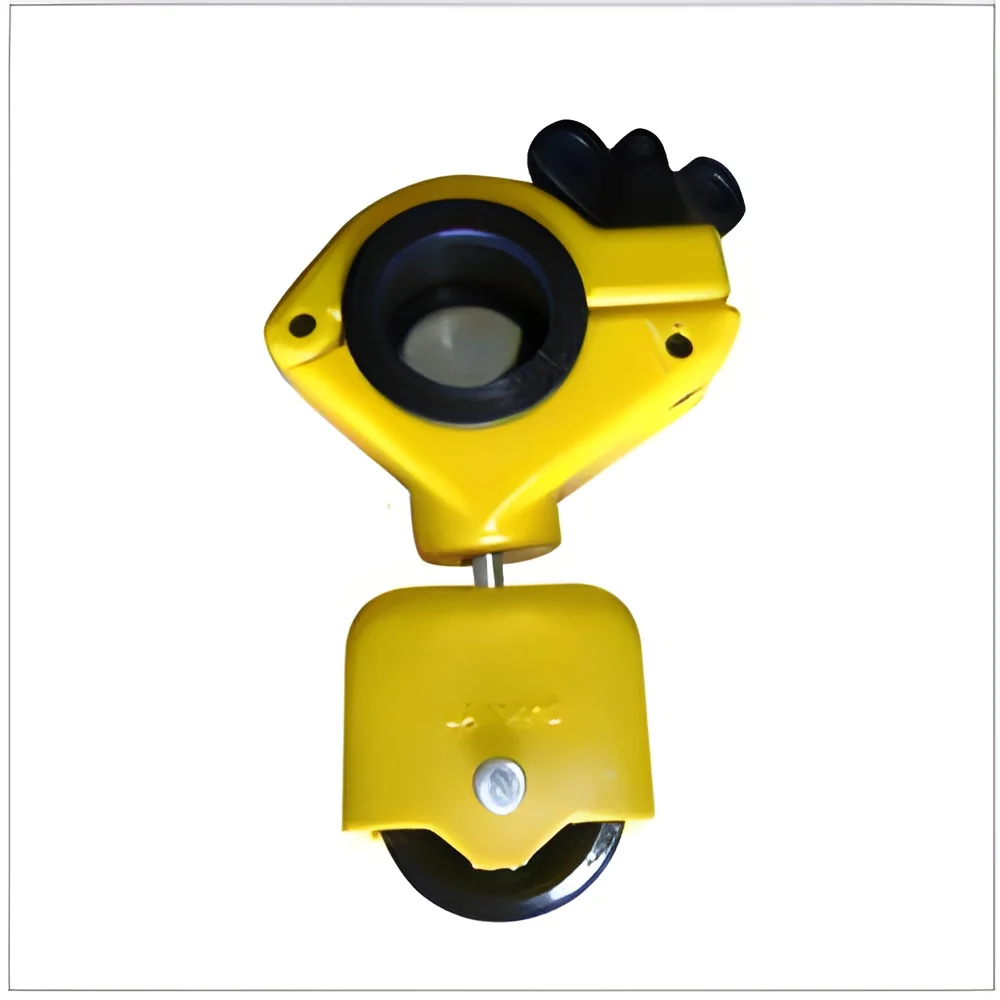
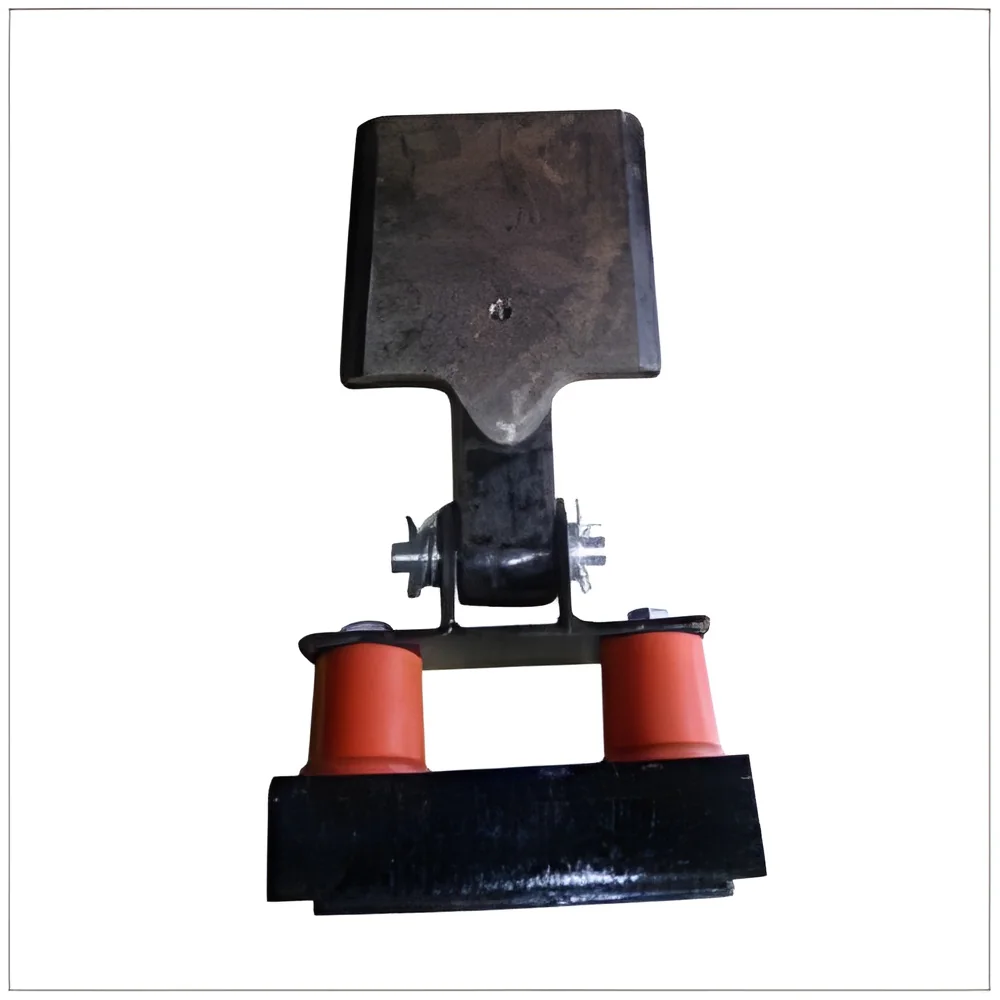
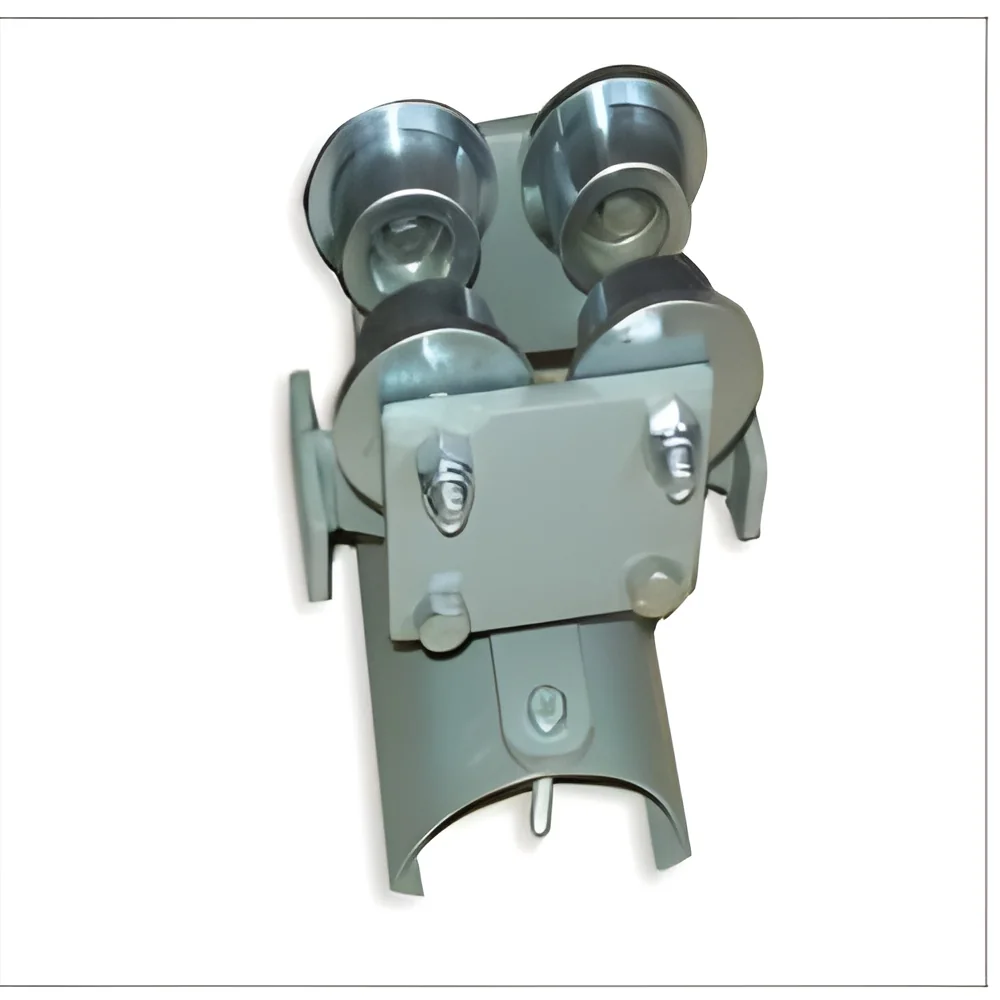
Industrial Rotary Geared Limit Switch For Cranes And Hoists Safety
Industrial rotary geared limit switch by leading manufacturers ensures crane and hoist safety with precise motor power cut-off at preset travel limits. Robust construction delivers reliable operation in demanding industrial environments.
Min. Order Quantity: 1 unit
Shipping
Shipping fee and delivery date to be negotiated. Contact supplier now for more details.
Vijayalaxmi Industries
 Maharashtra, India
Maharashtra, IndiaIndustrial Equipment & MachineryManufacturer