IN
INundefined
Similar Products


Description
Rooftop wind turbines represent advanced decentralized energy solutions specifically designed for urban and suburban environments. These compact, high-efficiency systems transform ...
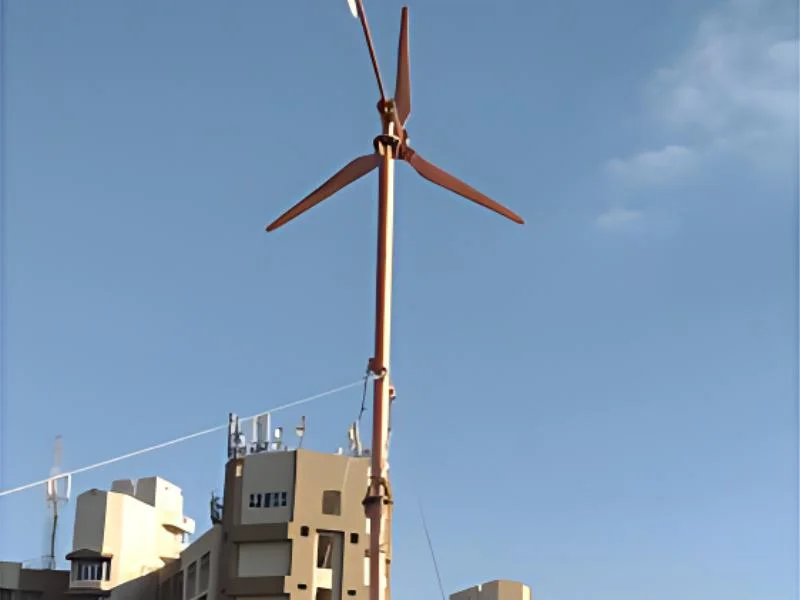
Rooftop wind turbines represent advanced decentralized energy solutions specifically designed for urban and suburban environments. These compact, high-efficiency systems transform underutilized rooftop spaces into productive energy assets by harnessing wind power directly where electricity is consumed. Engineered with permanent magnet generators and fiber-reinforced polymer blades, they deliver consistent performance across varying wind conditions while operating quietly below 45 dB. The turbines feature a broad operational range from 2.5 m/s cut-in speed to 12 m/s rated speed, ensuring energy generation even in moderate wind conditions. With power outputs ranging from 500W to 20kW and rotor diameters from 1.5 to 5 meters, these scalable systems accommodate diverse energy needs while maintaining a compact footprint ideal for rooftop installation.

These turbines serve numerous industries including commercial real estate, manufacturing, education, healthcare, and hospitality sectors. Commercial properties utilize them to decrease operational expenses and achieve sustainability objectives, while industrial operations benefit from supplemental power during high-demand periods. Educational institutions incorporate them into environmental initiatives and practical learning programs. Healthcare facilities value their reliability for essential backup power requirements, and hospitality businesses use them to strengthen their environmental credentials. Government buildings and municipal facilities also deploy these turbines to demonstrate renewable energy commitment and reduce public utility costs. The adaptability of these systems makes them appropriate for both grid-connected and independent applications across various geographic regions.

The business value of rooftop wind turbines extends beyond immediate energy cost savings to long-term strategic benefits. With an operational lifespan of 15-20 years and minimal maintenance needs, they provide predictable energy expenses and protection against utility rate increases. The favorable return on investment, typically achieved within 3-7 years depending on local wind patterns and electricity rates, makes them financially compelling. Their reliability is ensured through durable construction, weather-resistant materials, and safety mechanisms that safeguard against extreme weather conditions. The quiet operation guarantees compatibility with noise-sensitive environments, while the systems contribute to sustainability targets and may qualify for various renewable energy incentives and tax advantages.

Key Features:
- Permanent magnet generator ensuring high efficiency and reliable performance
- Fiber-reinforced polymer blades offering durability and optimal aerodynamic design
- Low cut-in wind speed of 2.5-3 m/s for maximum energy production
- Quiet operation with noise levels below 45 dB suitable for urban settings
- Flexible mounting options for various rooftop configurations and heights

Benefits:
- Substantial reduction in electricity expenses and operational costs
- Improved energy independence and grid resilience
- Reduced environmental impact supporting sustainability goals
- Long-term reliability with 15-20 year operational lifespan
- Scalable solutions meeting specific business energy requirements
Specifications
| productDetailPage.specification.attribute | productDetailPage.specification.value |
|---|---|
| Rotor Diameter | 1.5 m – 5 m |
| Tower/Height (Above Roof) | 3 m – 10 m |
| Power Output Capacity | 500 W – 20 kW |
| Cut-in Wind Speed | 2.5 – 3 m/s |
| Rated Wind Speed | 10 – 12 m/s |
| Generator Type | Permanent Magnet Generator |
| Noise Level | ≤ 45 dB |
| Blade Material | Fiber-Reinforced Polymer |
| Operational Lifespan | 15 – 20 years |
| Mounting Type | Rooftop / Building-Mounted |
| Additional Information | |
|---|---|
| Country of Origin | India |
| Customisable | No |
Application
Our rooftop wind turbines deliver efficient on-site power generation for urban and suburban buildings, converting wind energy directly into usable electricity. The systems operate effectively even at low wind speeds while maintaining quiet performance, making them suitable for various building types without disrupting normal activities. These installations significantly reduce grid dependency and transmission losses while providing consistent energy output throughout their operational lifespan.

These versatile turbines serve multiple sectors including commercial complexes, manufacturing facilities, educational institutions, and residential buildings. They integrate seamlessly with existing power infrastructure and can complement solar installations for comprehensive renewable energy solutions. The scalable design accommodates different rooftop configurations and energy requirements across diverse geographic locations and building types.
- Office buildings reducing operational energy costs and environmental impact
- Industrial facilities supplementing high energy consumption during peak demand
- Schools and universities implementing sustainable campus energy programs
- Residential buildings providing backup power and lowering utility expenses
- Remote infrastructure and off-grid sites requiring dependable decentralized power
Trade Details
| Available Stock | In stock |
| Sample Availability | No |
Payment Terms
| Payment Terms |
|
Company Profile

Diamond Engineering Enterprises , Tamil Nadu Tamil Nadu, India
Tamil Nadu, IndiaFood & Agriculture•ManufacturerImporter / Exporter
Factory Details
Factory SizeBelow 1000 sqm
Annual Production Capacity0
Main Markets
Africa
Rooftop Wind Turbine 500W 20kW Low Noise Permanent Magnet Generator
Rooftop wind turbine 500W-20kW with permanent magnet generator provides reliable renewable energy for buildings. Low noise operation, 15-20 year lifespan reduces electricity costs for commercial and institutional applications.
Min. Order Quantity: 1 Pieces
Shipping
Shipping fee and delivery date to be negotiated. Contact supplier now for more details.
Diamond Engineering Enterprises 
 Tamil Nadu, India
Tamil Nadu, IndiaFood & AgricultureManufacturer