IN
IN₹
Apparel & Fashion
Description
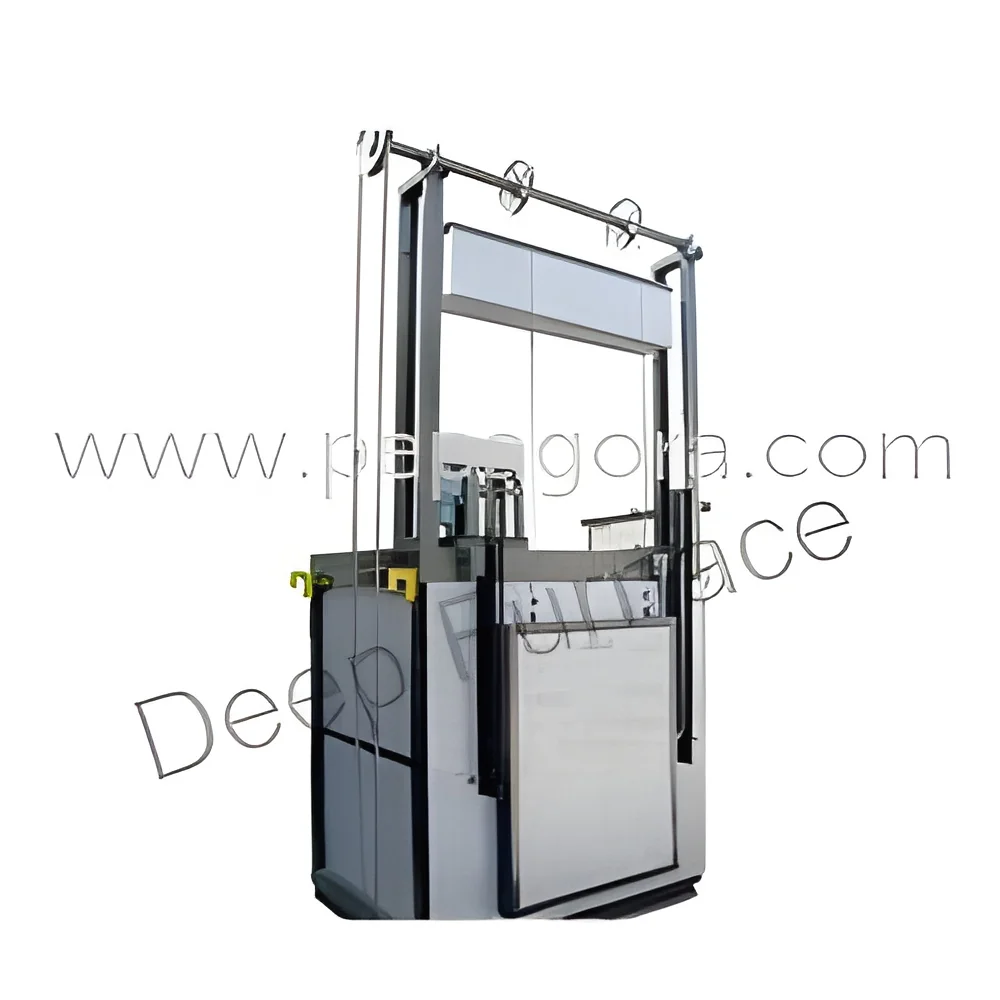
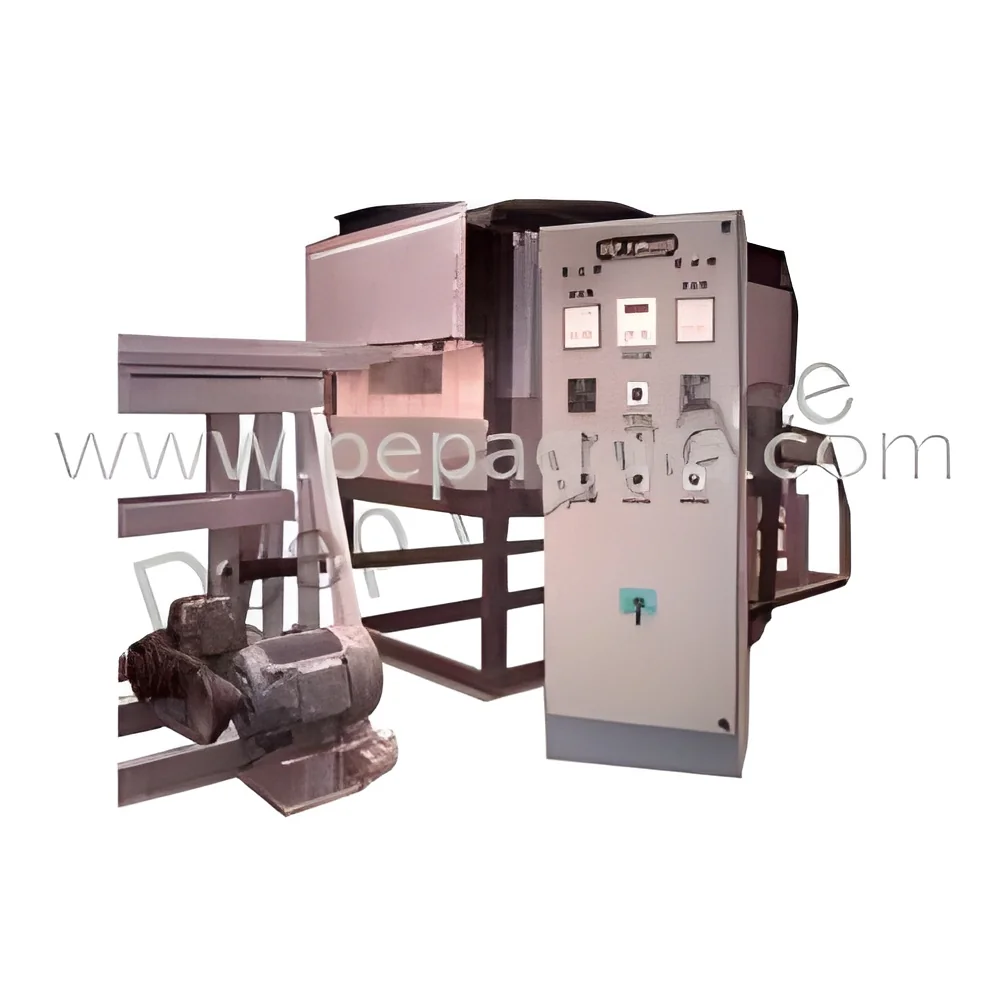
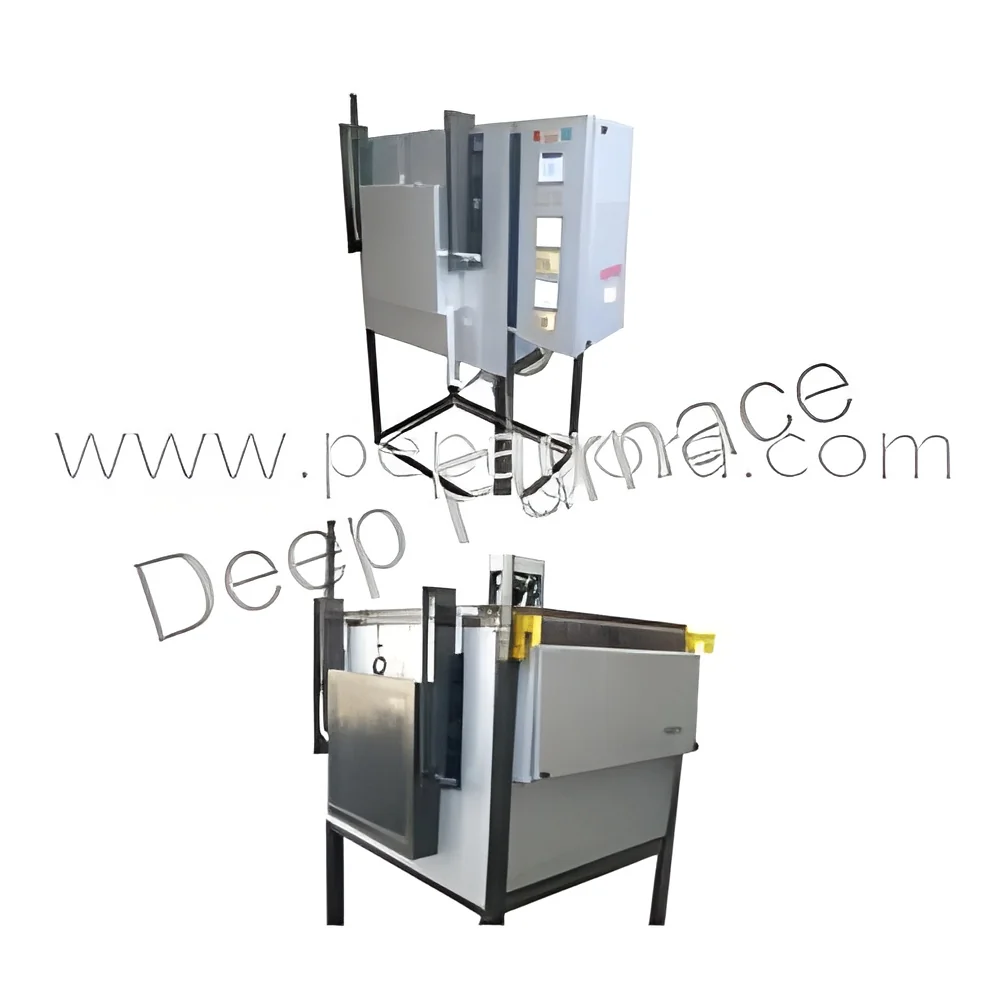
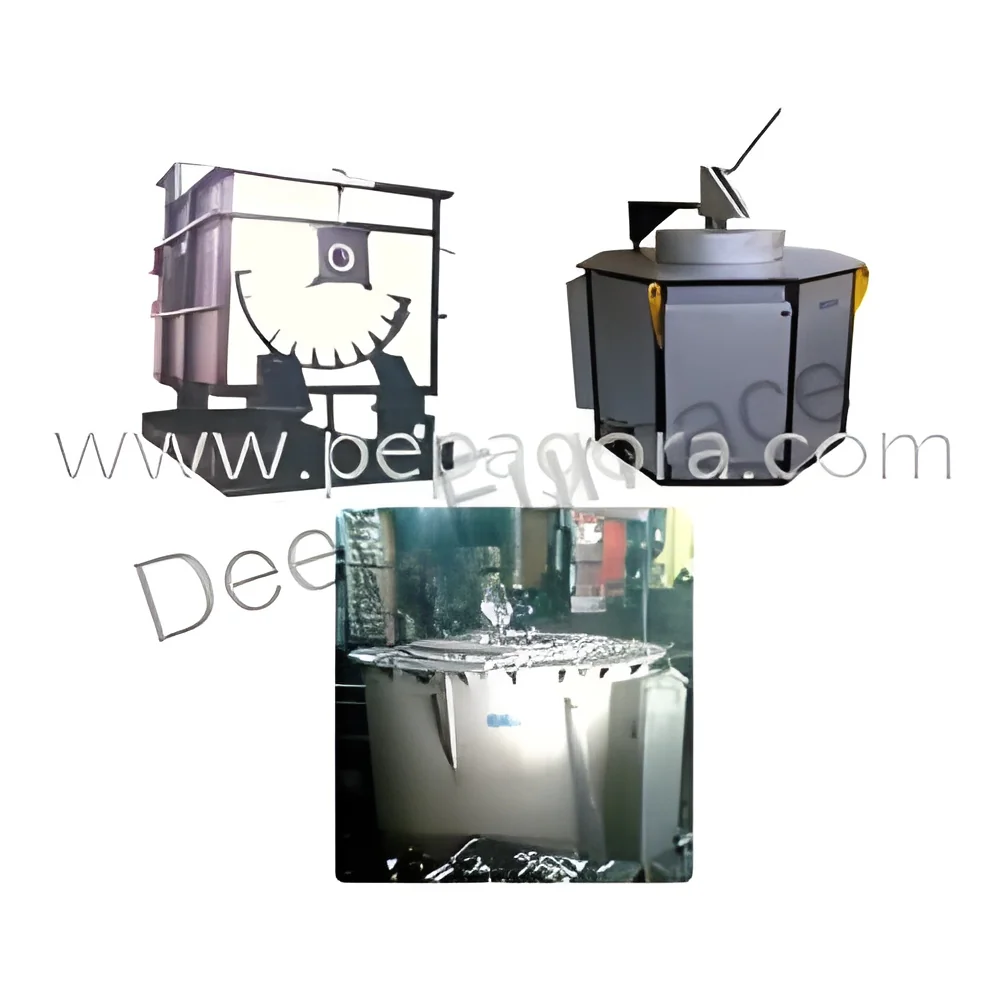
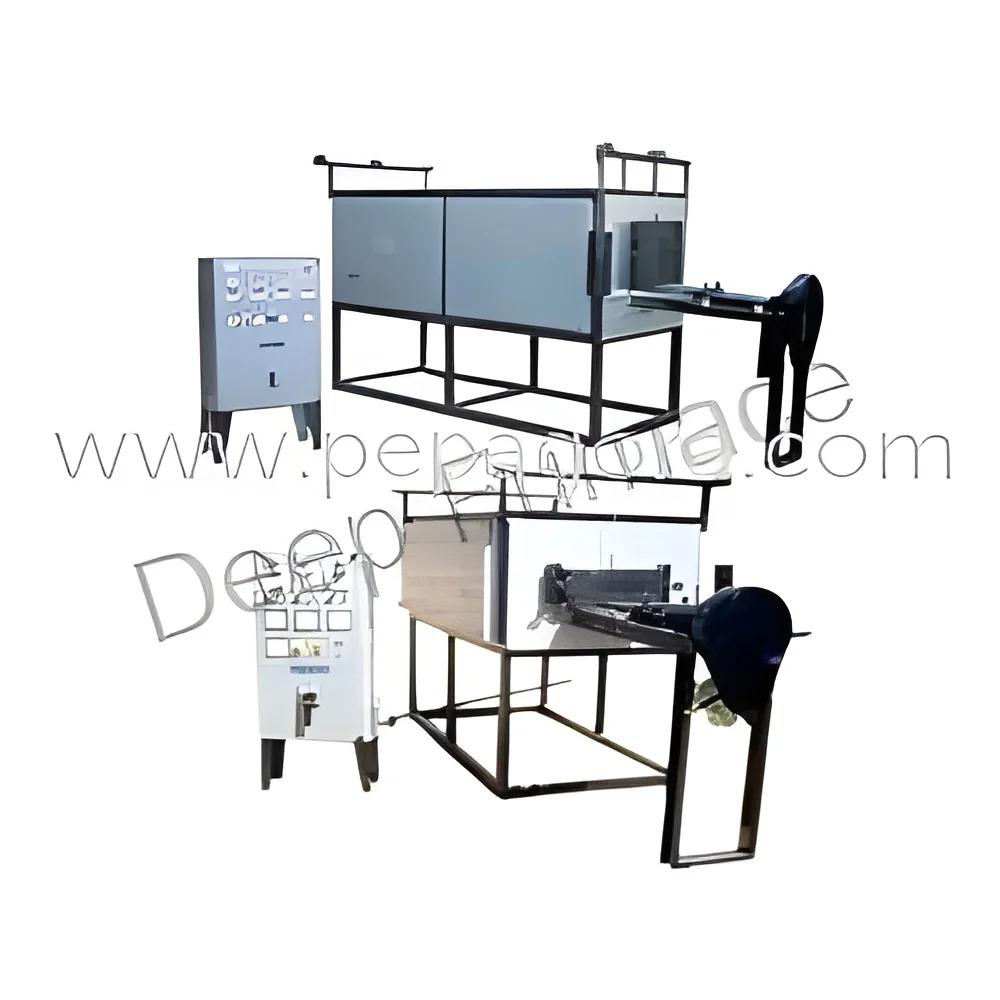
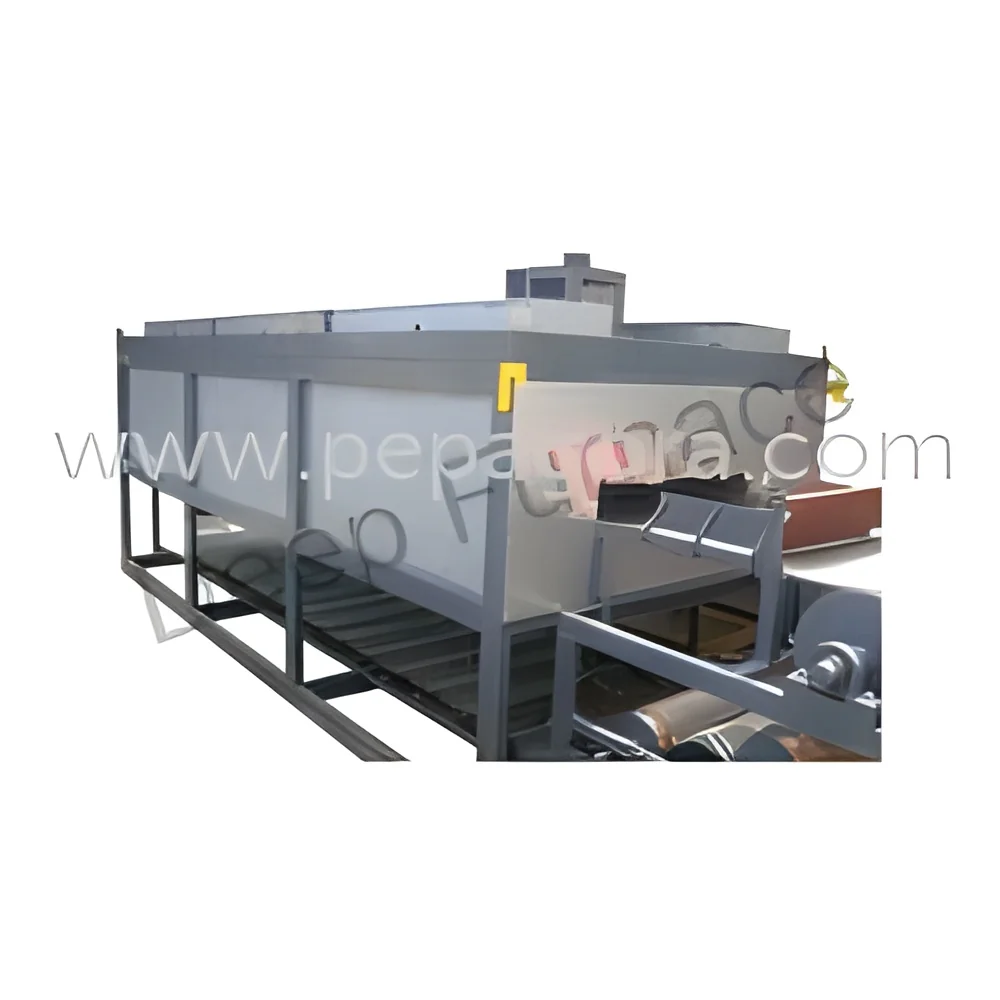
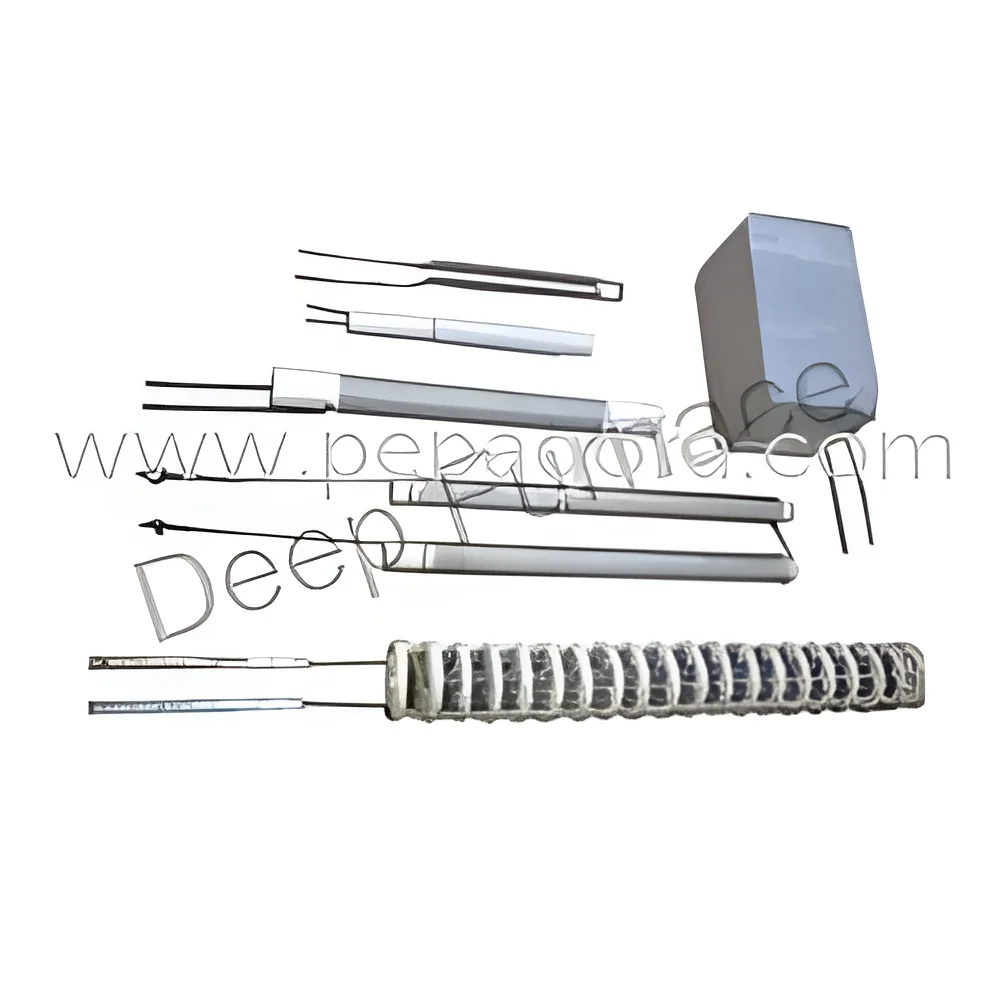
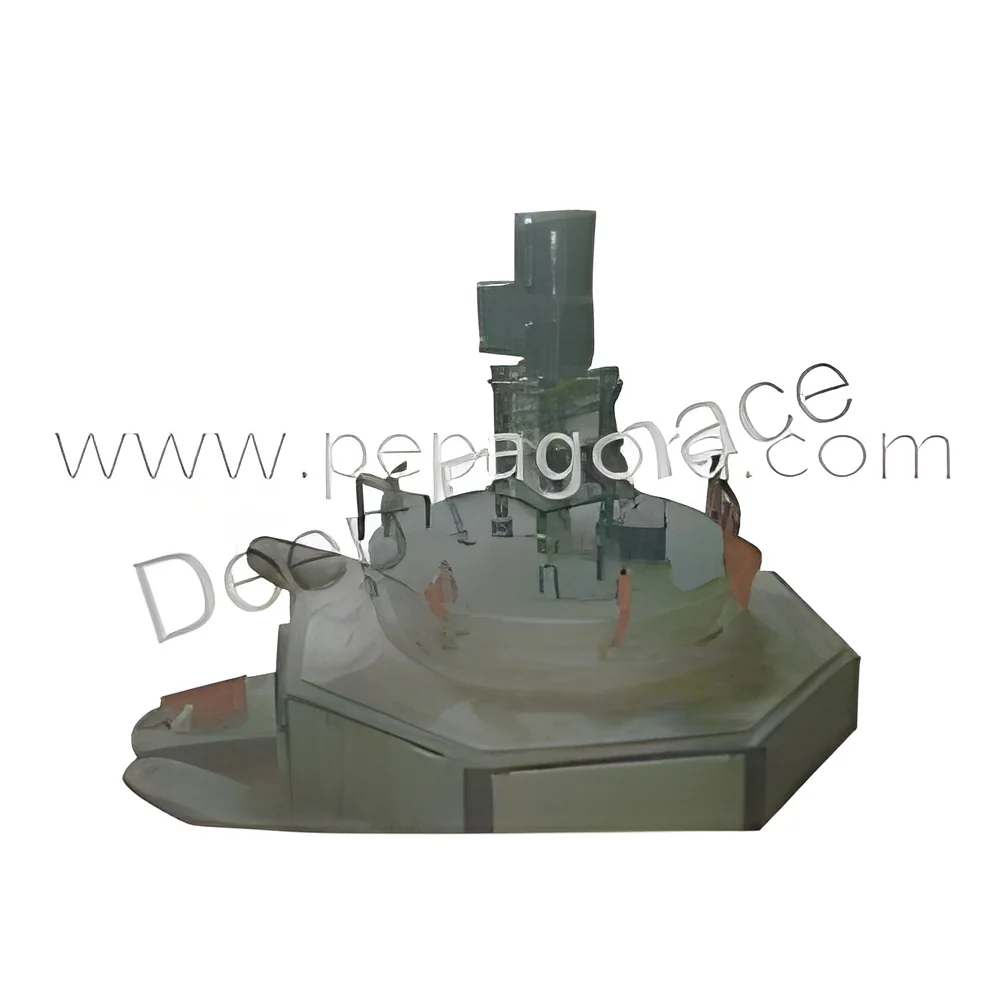
Industrial Retort Carburising and Nitriding Furnaces represent advanced thermal processing systems engineered for precision surface hardening operations. These specialized furnaces utilize sealed retort technology to maintain controlled atmospheres, facilitating efficient carburising, nitriding, hardening, annealing, austempering, martempering, and steam treatment processes. Constructed with heat-resistant austenitic steel retorts and sophisticated convective air circulation systems, they guarantee uniform temperature distribution and consistent treatment outcomes. The integration of programmable temperature controllers and optional thyristorised heating control enables exact process management, making these systems adaptable to various atmospheric conditions and specific operational requirements.

These furnaces serve critical roles across industries demanding high-performance metal treatment capabilities. The automotive sector relies on them for hardening gears, shafts, and transmiss...
Industrial Retort Carburising and Nitriding Furnaces represent advanced thermal processing systems engineered for precision surface hardening operations. These specialized furnaces utilize sealed retort technology to maintain controlled atmospheres, facilitating efficient carburising, nitriding, hardening, annealing, austempering, martempering, and steam treatment processes. Constructed with heat-resistant austenitic steel retorts and sophisticated convective air circulation systems, they guarantee uniform temperature distribution and consistent treatment outcomes. The integration of programmable temperature controllers and optional thyristorised heating control enables exact process management, making these systems adaptable to various atmospheric conditions and specific operational requirements.

These furnaces serve critical roles across industries demanding high-performance metal treatment capabilities. The automotive sector relies on them for hardening gears, shafts, and transmission components to achieve superior durability and operational lifespan. Aerospace applications utilize nitriding processes for critical parts requiring exceptional surface hardness and resistance to wear and corrosion. Tool and die manufacturers depend on these systems to extend the service life of cutting tools, while industrial machinery producers employ them for treating large components that demand precise case depth and reliable, repeatable performance across production batches.

The operational value of these furnaces stems from their proven reliability, precision engineering, and consistent delivery of high-quality results. They minimize operational downtime through features like hydraulically operated lift mechanisms and swing-type removable lids, ensuring straightforward maintenance and enhanced operational efficiency. The integrated in-atmosphere mixing and dosing system, combined with heating zone sub-division technology, provides exceptional temperature control and process repeatability. This operational reliability translates directly into reduced operational costs, increased production throughput, and improved final product quality, establishing these furnaces as trusted long-term investments for manufacturing operations seeking sustainable thermal processing solutions.

Key Features:
- Heat resistant austenitic steel retort construction ensures exceptional durability and extended service life
- Advanced convective air circulation system guarantees consistent and uniform heat treatment results
- Heating zone sub-division technology enables superior temperature control and processing precision
- Programmable temperature controllers provide automated operation and repeatable process management
- Hydraulically operated lift and swing-type removable lid design facilitates easy access and maintenance

Benefits:
- Enhanced component longevity through precise surface hardening and case depth control
- Consistent treatment results across production batches ensuring uniform quality standards
- Reduced operational downtime with efficient maintenance access and reliable performance
- Improved production efficiency through automated controls and repeatable process management
- Superior temperature uniformity ensures optimal material properties and performance characteristics
Specifications
| Additional Information | |
|---|---|
| Country of Origin | India |
Application
Retort type carburising and nitriding furnaces provide essential surface hardening and case hardening for metal components through controlled atmospheres. These systems enable precise diffusion of carbon and nitrogen into steel, significantly enhancing wear resistance, fatigue strength, and overall component longevity. The technology ensures uniform treatment results ideal for high-volume production environments where repeatable performance is critical for manufacturing operations and quality standards.
Multiple industrial sectors depend on these advanced heat treatment solutions for their most demanding applications. The furnaces support various thermal processes including annealing, austempering, martempering, and steam treatment with exceptional temperature control. Their versatility across different atmospheric conditions makes them suitable for treating diverse metal components while maintaining consistent quality output and operational efficiency throughout extended production cycles.
- Automotive gear and shaft hardening for enhanced durability and performance under stress
- Tool and die manufacturing processes to extend cutting and forming tool lifespan
- Aerospace component nitriding for superior surface hardness and corrosion resistance
- Bearing and transmission parts carburising for increased load capacity and wear resistance
- Industrial machinery components requiring precise case depth and uniform heat treatment
Trade Details
| Available Stock | In Stock |
| Sample Availability | No |
Payment Terms
| Payment Terms |
|
Company Profile
Deep Furnaces, Haryana
 Haryana, India
Haryana, IndiaIndustrial Equipment & Machinery•Manufacturer•Importer / Exporter
Factory Details
Factory SizeBelow 1000 sqm
Annual Production Capacity0
Industrial Retort Carburising and Nitriding Furnaces for Heat Treatment
Industrial Retort Carburising and Nitriding Furnaces deliver precise heat treatment for hardening, carburising, and nitriding processes. Engineered for reliability with uniform temperature distribution and consistent results for metal component treatment.
Min. Order Quantity: 1 unit
Shipping
Shipping fee and delivery date to be negotiated. Contact supplier now for more details.
Deep Furnaces
 Haryana, India
Haryana, IndiaIndustrial Equipment & MachineryManufacturer