IN
IN₹
Apparel & Fashion
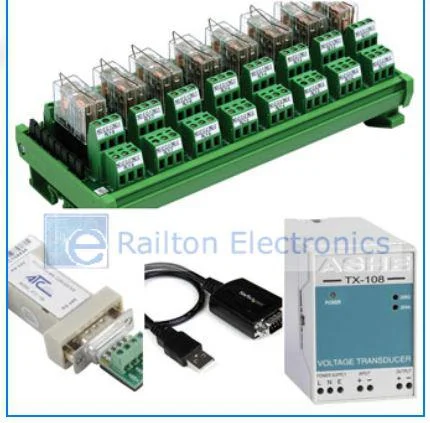
Description
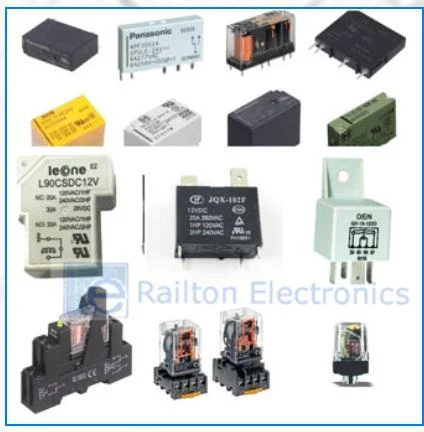
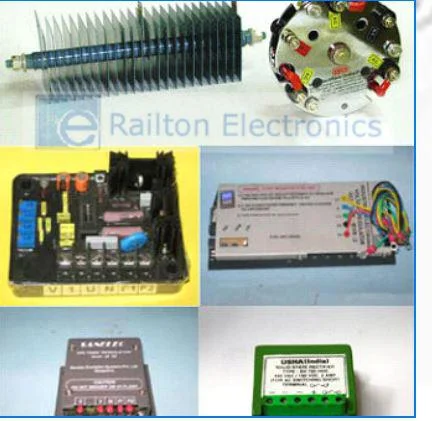
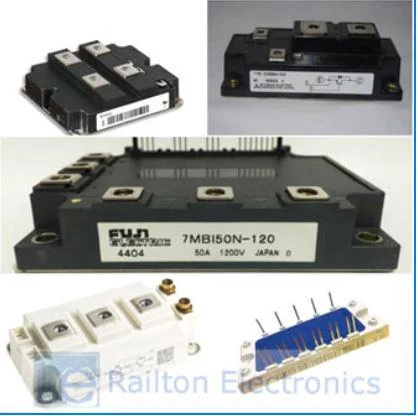
Relay modules and interface converters represent essential components in modern industrial control systems, providing the crucial link between different voltage levels, communication protocols, and control architectures. These devices enable safe and efficient operation by allowing low-power control signals to manage high-voltage or high-current loads while maintaining complete electrical isolation. Interface converters bridge communication gaps between various industrial protocols including RS232, RS485, Ethernet, USB, and Modbus, ensuring seamless data exchange between legacy equipment and contemporary control systems. This interoperability is vital for maintaining operational continuity while upgrading or expanding existing automation infrastructure, making these components fundamental to modern industrial operations.

Across industrial sectors, these devices find extensive application in manufacturing automation, process control, building management, and energy distribution systems...
Relay modules and interface converters represent essential components in modern industrial control systems, providing the crucial link between different voltage levels, communication protocols, and control architectures. These devices enable safe and efficient operation by allowing low-power control signals to manage high-voltage or high-current loads while maintaining complete electrical isolation. Interface converters bridge communication gaps between various industrial protocols including RS232, RS485, Ethernet, USB, and Modbus, ensuring seamless data exchange between legacy equipment and contemporary control systems. This interoperability is vital for maintaining operational continuity while upgrading or expanding existing automation infrastructure, making these components fundamental to modern industrial operations.

Across industrial sectors, these devices find extensive application in manufacturing automation, process control, building management, and energy distribution systems. In manufacturing environments, relay modules control machinery operations while interface converters enable communication between PLCs, HMIs, and various field devices. The building automation industry relies on them for HVAC control, lighting systems, and access control integration. Energy and utility sectors utilize these components for power distribution monitoring, grid management, and renewable energy systems. Their robust construction ensures reliable performance in demanding industrial conditions, making them suitable for harsh environments where temperature fluctuations, electrical noise, and mechanical stress are common challenges.

The business value of high-quality relay modules and interface converters extends beyond basic functionality to encompass operational reliability, system longevity, and reduced maintenance costs. These components deliver exceptional return on investment by minimizing downtime, simplifying system integration, and reducing wiring complexity. Their electrical isolation capabilities protect sensitive control equipment from power surges and electrical noise, significantly extending equipment lifespan. The customization options available allow businesses to tailor solutions to specific operational requirements, ensuring optimal performance in unique applications. This combination of reliability, flexibility, and protection makes them indispensable assets for businesses seeking to maintain competitive advantage through robust and efficient control systems.

Key Features:
- Robust electrical isolation for equipment protection
- Multi-protocol conversion capabilities
- Customizable configurations for specific applications
- Industrial-grade construction for harsh environments
- Easy integration with existing control systems

Benefits:
- Enhanced system reliability and reduced downtime
- Simplified integration between different equipment types
- Extended equipment lifespan through electrical protection
- Reduced wiring complexity and installation costs
- Improved operational efficiency and control precision
Specifications
| Additional Information | |
|---|---|
| Country of Origin | India |
Application
Relay modules and interface converters serve as critical components in industrial automation and control systems, enabling seamless communication and safe switching operations between different equipment types. These devices bridge the gap between legacy systems and modern technology, ensuring compatibility and operational continuity across various industrial environments while maintaining high reliability and performance standards.
These components are widely utilized across multiple sectors including manufacturing automation, building management systems, and energy distribution networks. They facilitate protocol conversion, signal isolation, and remote I/O operations, making them indispensable for system integrators and automation engineers working with complex control architectures and mixed-technology environments. Real-world applications:
Real-world applications:
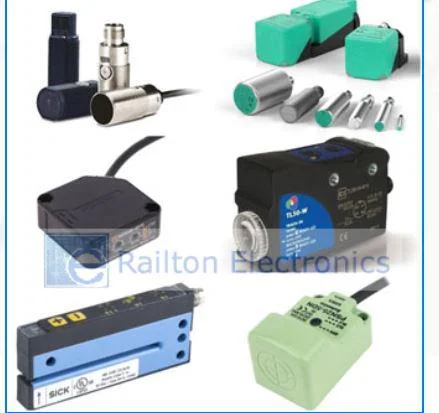
- Industrial automation systems integrating PLCs with sensors and actuators
- Building management systems controlling HVAC and lighting operations
- Manufacturing equipment requiring protocol conversion between legacy and modern devices
- Energy distribution networks monitoring and controlling power systems
- Machine control applications enabling remote I/O switching and signal conditioning
Trade Details
| Available Stock | In Stock |
| Sample Availability | No |
Payment Terms
| Payment Terms |
|
Company Profile

Railton Electronics, West Bengal
 West Bengal, India
West Bengal, IndiaElectronics & Electrical•Distributor / Wholesaler•Retailer
Factory Details
Factory SizeBelow 1000 sqm
Industrial Automation Relay Modules And Interface Converters For Control Systems
Relay modules and interface converters enable safe, efficient control and communication between different systems. They are essential for switching, signal isolation, and protocol conversion in automation and control applications.
Min. Order Quantity: 1
Shipping
Shipping fee and delivery date to be negotiated. Contact supplier now for more details.
Railton Electronics
 West Bengal, India
West Bengal, IndiaElectronics & ElectricalDistributor / Wholesaler