IN
IN₹
Apparel & Fashion
Description
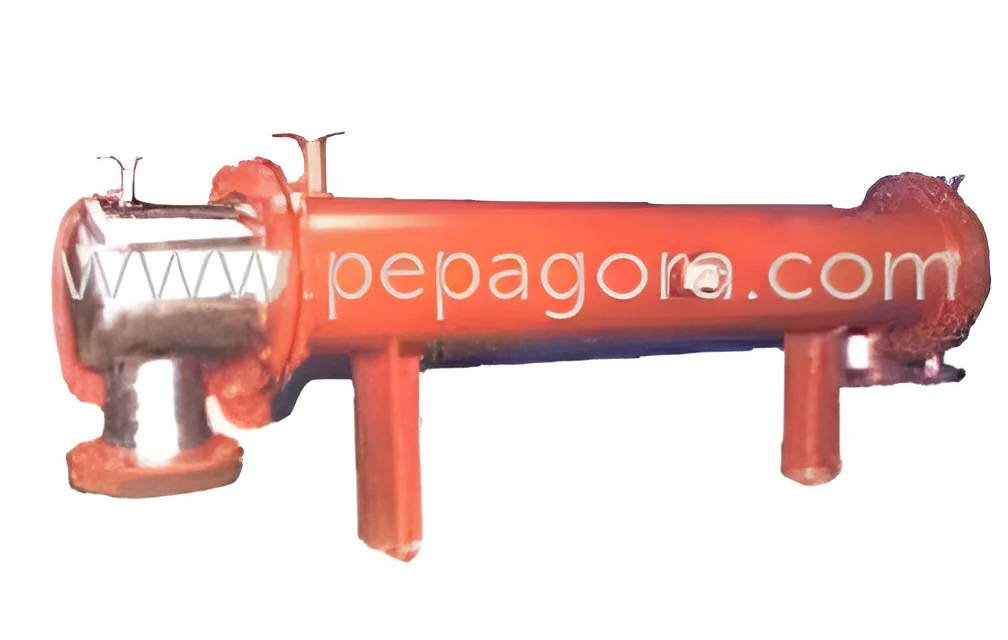
Industrial reaction vessels are precision-engineered systems designed to facilitate and control chemical reactions under specific, often demanding, conditions. They provide a sealed, controllable environment where factors like temperature, pressure, mixing intensity, and addition rates can be meticulously managed. This precise control is fundamental to achieving consistent product quality, optimizing reaction kinetics, maximizing yield, and ensuring operational safety. Built with robust, often corrosion-resistant materials, these vessels are constructed to withstand aggressive chemicals, high pressures, and thermal stresses, ensuring durability and long-term reliability in continuous industrial use. Their design prioritizes not only performance but also safety, incorporating features that mitigate risks associated with handling volatile or hazardous substances.

These vessels serve as the workhorse of production in several key industries. In pharmaceuticals, they are critical for the s...
Industrial reaction vessels are precision-engineered systems designed to facilitate and control chemical reactions under specific, often demanding, conditions. They provide a sealed, controllable environment where factors like temperature, pressure, mixing intensity, and addition rates can be meticulously managed. This precise control is fundamental to achieving consistent product quality, optimizing reaction kinetics, maximizing yield, and ensuring operational safety. Built with robust, often corrosion-resistant materials, these vessels are constructed to withstand aggressive chemicals, high pressures, and thermal stresses, ensuring durability and long-term reliability in continuous industrial use. Their design prioritizes not only performance but also safety, incorporating features that mitigate risks associated with handling volatile or hazardous substances.

These vessels serve as the workhorse of production in several key industries. In pharmaceuticals, they are critical for the synthesis of active pharmaceutical ingredients (APIs), where strict adherence to Good Manufacturing Practices (GMP) and precise control over reaction parameters is mandatory for efficacy and regulatory compliance. The chemical industry utilizes them extensively for processes such as polymerization, catalytic conversions, and the production of specialty chemicals, where reaction consistency directly impacts product properties. Within food processing, they enable controlled fermentation, emulsification, and the development of complex flavors. Furthermore, their application extends to emerging sectors like biotechnology for enzyme-mediated reactions and to environmental technology for advanced waste treatment processes, showcasing their broad utility.

Choosing a high-quality reaction vessel represents a strategic investment in operational stability and long-term cost-effectiveness. Their reliable performance minimizes unplanned downtime and production losses, while their durable construction reduces maintenance frequency and costs over the asset's lifespan. The ability to customize vessels to specific process requirements allows for optimization of efficiency and product quality, providing a tangible competitive advantage. Furthermore, built-in safety features and compliance with recognized standards like ASME help mitigate operational risks, protect personnel, and ensure regulatory adherence. This combination of reliability, adaptability, and safety makes these vessels a trusted cornerstone for businesses aiming to scale production sustainably while maintaining uncompromising standards for output and process control.

Key Features:
- Constructed from high-grade, corrosion-resistant materials like stainless steel 316L or Hastelloy for exceptional durability.
- Equipped with precision control systems for accurate management of temperature, pressure, and agitation speed.
- Features customizable options including vessel capacity, agitator type (anchor, turbine, etc.), and heating/cooling jacket configurations.
- Designed and manufactured in compliance with relevant industry standards, including ASME for pressure vessels.
- Integrates critical safety components such as pressure relief valves, rupture discs, and leak-proof mechanical seals.

Benefits:
- Ensures consistent batch-to-batch product quality through precise and repeatable reaction control.
- Enhances operational safety by securely containing reactions and incorporating fail-safe mechanisms.
- Delivers long-term value and reduced total cost of ownership via robust construction and minimal maintenance needs.
- Increases production efficiency and yield by providing an optimized environment for specific chemical processes.
- Offers flexibility to adapt to various production scales and evolving process requirements through customizable designs.
Specifications
| Additional Information | |
|---|---|
| Country of Origin | India |
Application
Industrial reaction vessels provide the controlled environment necessary for sensitive chemical transformations, where maintaining exact temperature, pressure, and agitation is critical to product quality and yield. They are designed to safely contain reactive materials, manage exothermic reactions, and facilitate efficient mixing, making them indispensable for synthesis, polymerization, and formulation processes across various scales from pilot plants to full production lines.
These vessels offer exceptional versatility, adapting to diverse industrial needs through customizable features like material of construction, heating/cooling systems, and agitator designs. This adaptability ensures compatibility with specific chemical processes, operational workflows, and stringent regulatory standards, providing a reliable foundation for manufacturing in sectors that demand precision and repeatability in every batch.
- Pharmaceutical manufacturing for synthesizing active pharmaceutical ingredients (APIs) and intermediates under GMP-controlled conditions.
- Chemical production processes including polymerization, esterification, hydrolysis, and catalytic reactions.
- Food industry applications such as fermentation, flavor and aroma compound development, and edible oil processing.
- Biofuel production through transesterification of oils and processing of biomass feedstocks.
- Specialty chemical manufacturing for products like adhesives, resins, coatings, and high-purity compounds.
Trade Details
| Available Stock | In Stock |
| Sample Availability | No |
Payment Terms
| Payment Terms |
|
Company Profile
Mangesh Industries, Maharashtra
 Maharashtra, India
Maharashtra, IndiaIndustrial Equipment & Machinery•Manufacturer
Factory Details
Factory SizeBelow 1000 sqm
Annual Production Capacity0
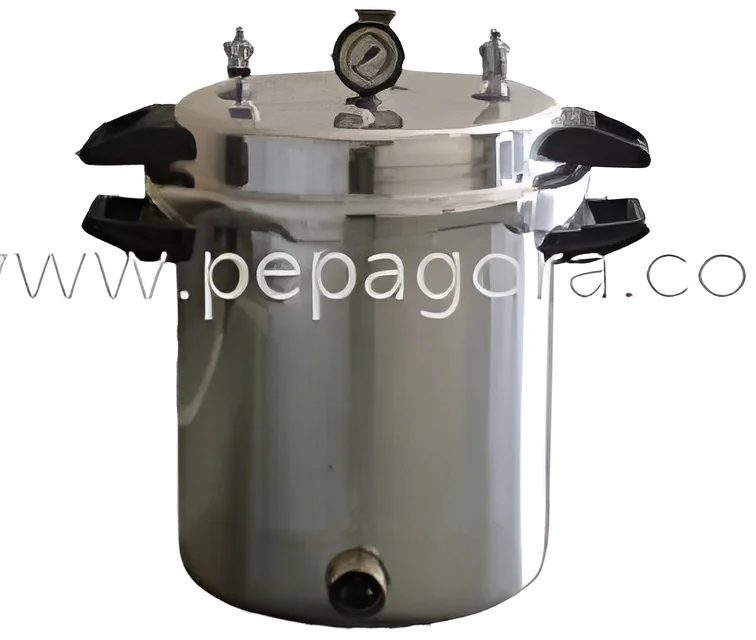
Industrial Reaction Vessels For Chemical Processing And Pharmaceutical Synthesis
Industrial reaction vessels for chemical processing and pharmaceutical synthesis deliver precise temperature and pressure control for reliable batch production. Engineered for demanding applications with customization options to meet specific industry requirements.
Min. Order Quantity: 1 unit
Shipping
Shipping fee and delivery date to be negotiated. Contact supplier now for more details.
Mangesh Industries
 Maharashtra, India
Maharashtra, IndiaIndustrial Equipment & MachineryManufacturer