IN
IN₹
Apparel & Fashion
Loading subcategories...
View More
Description
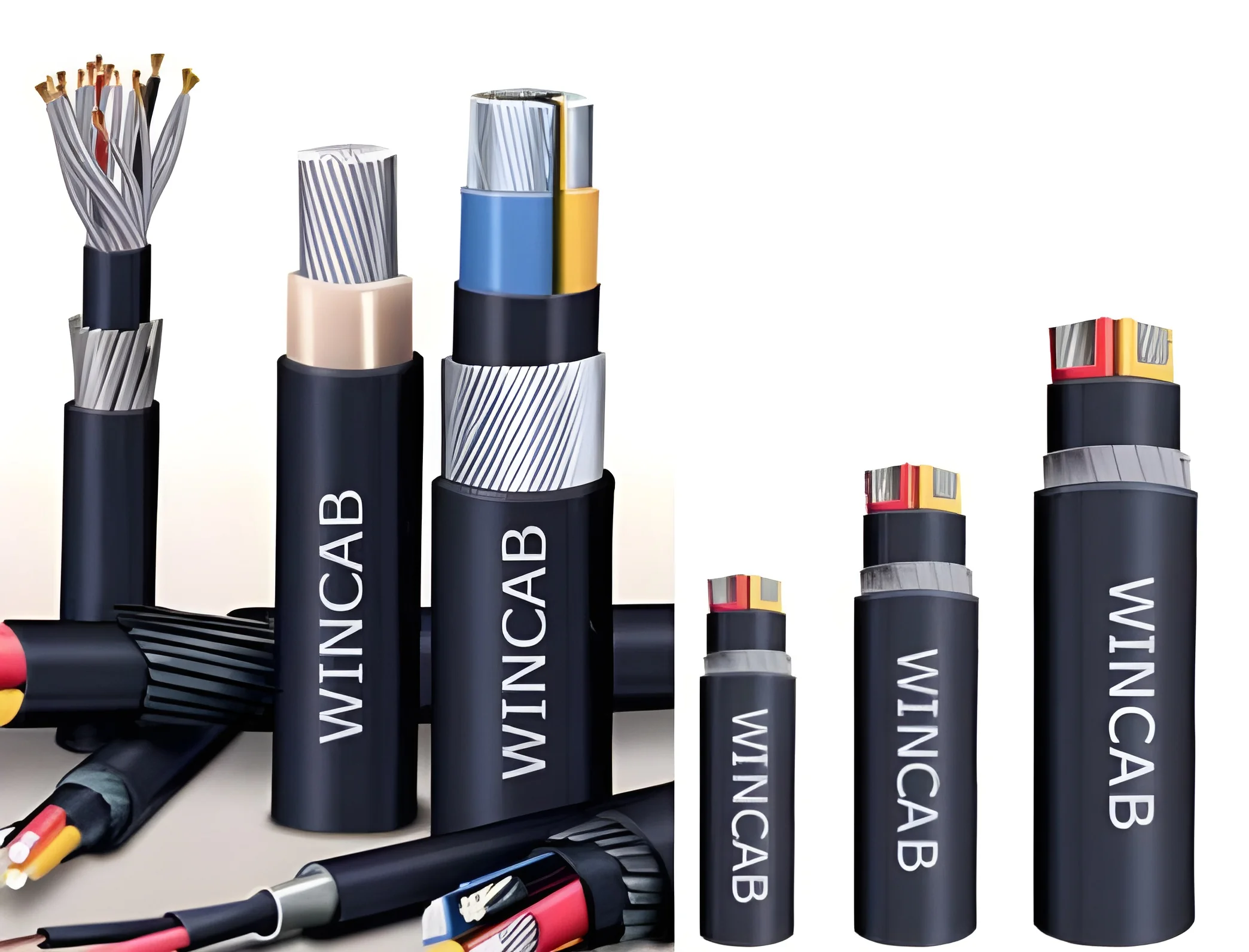
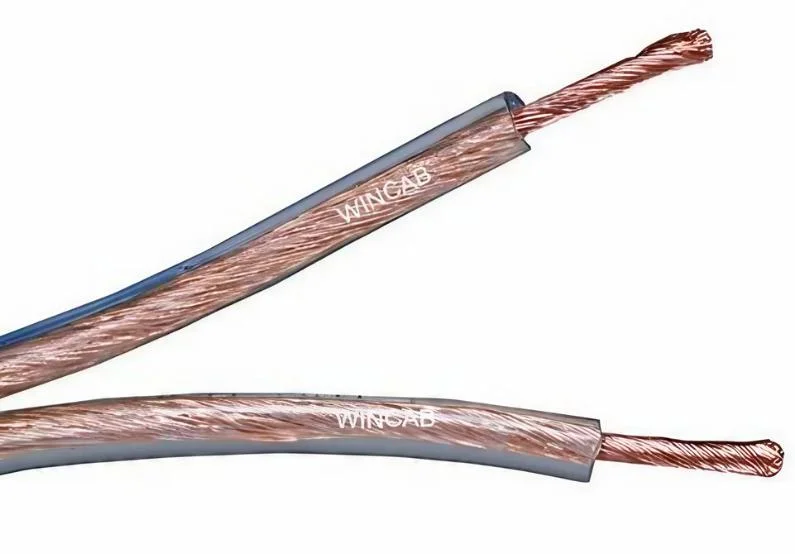
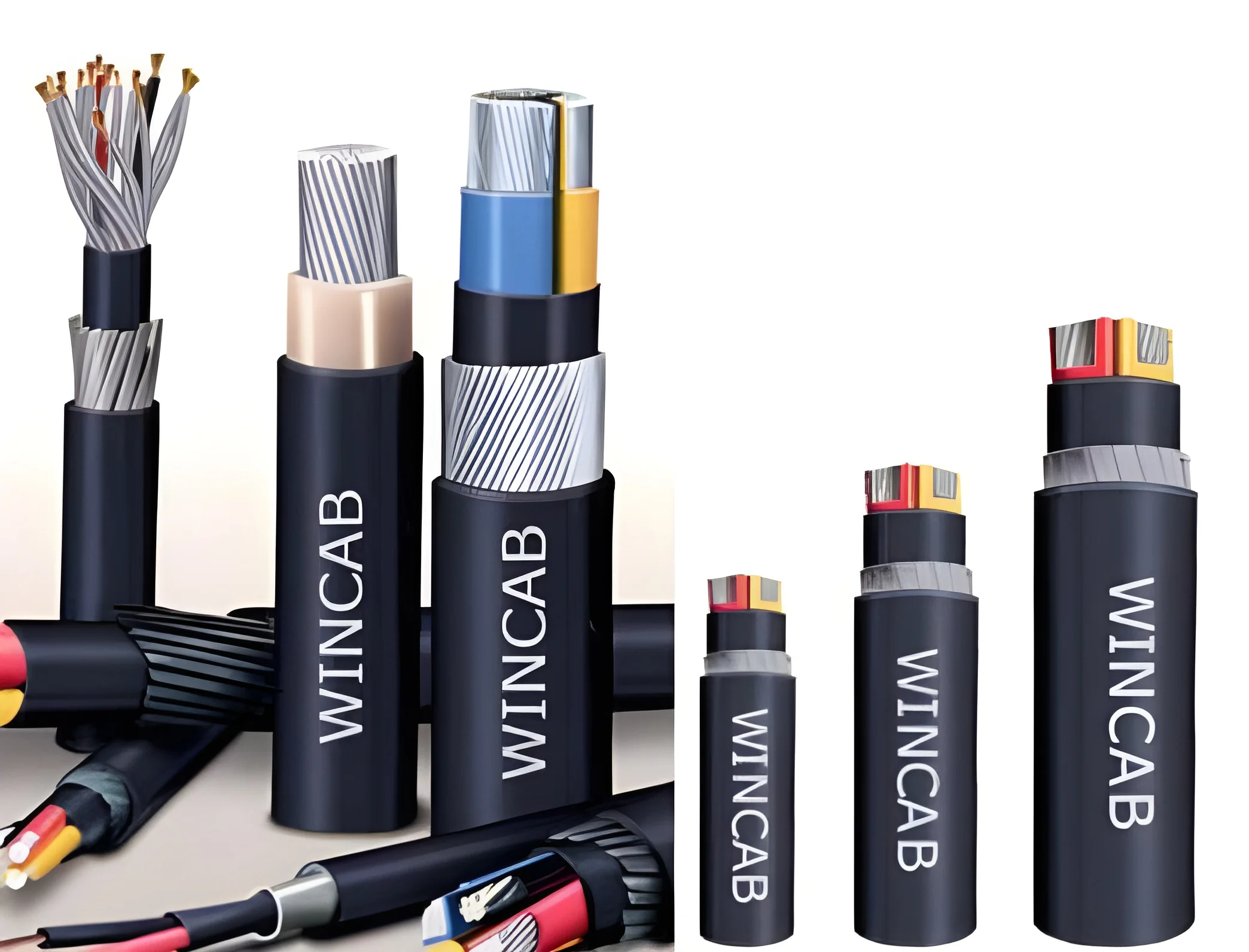
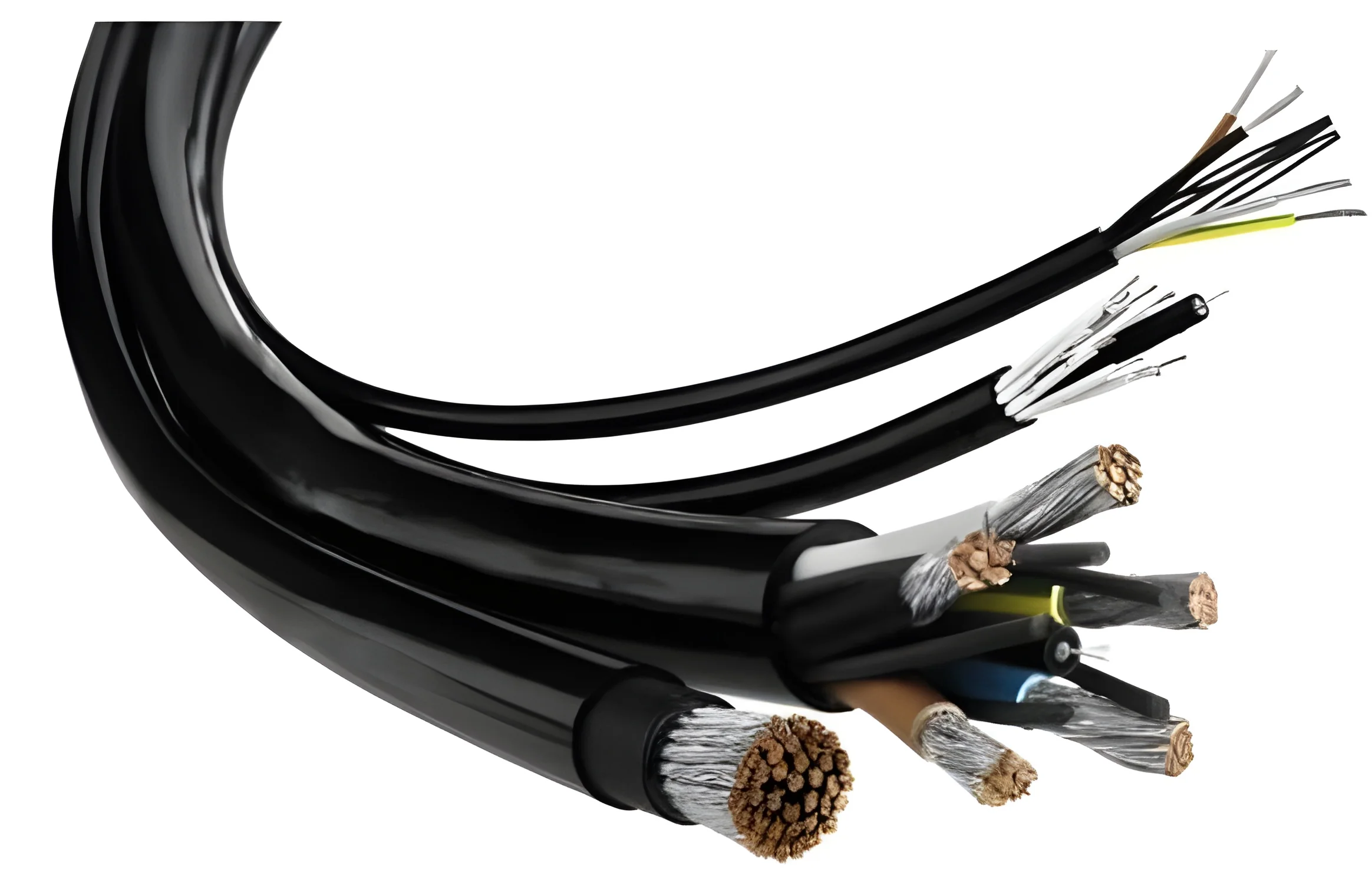
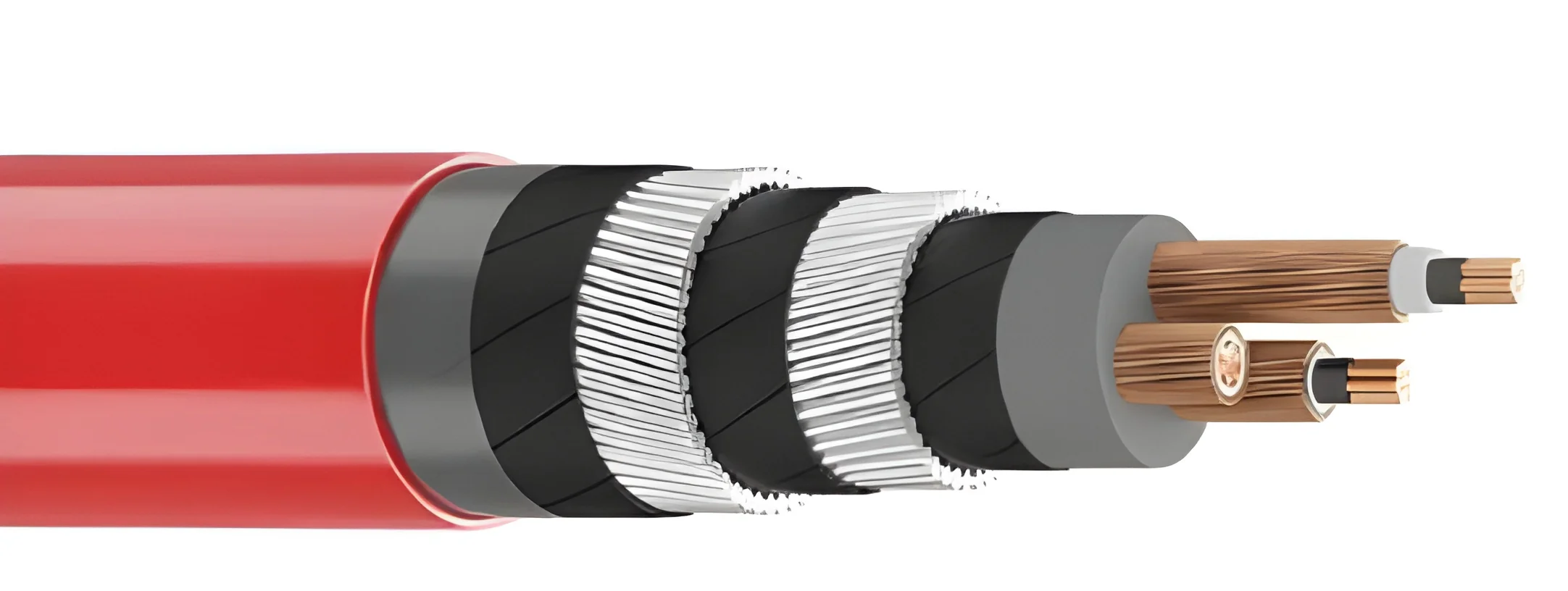
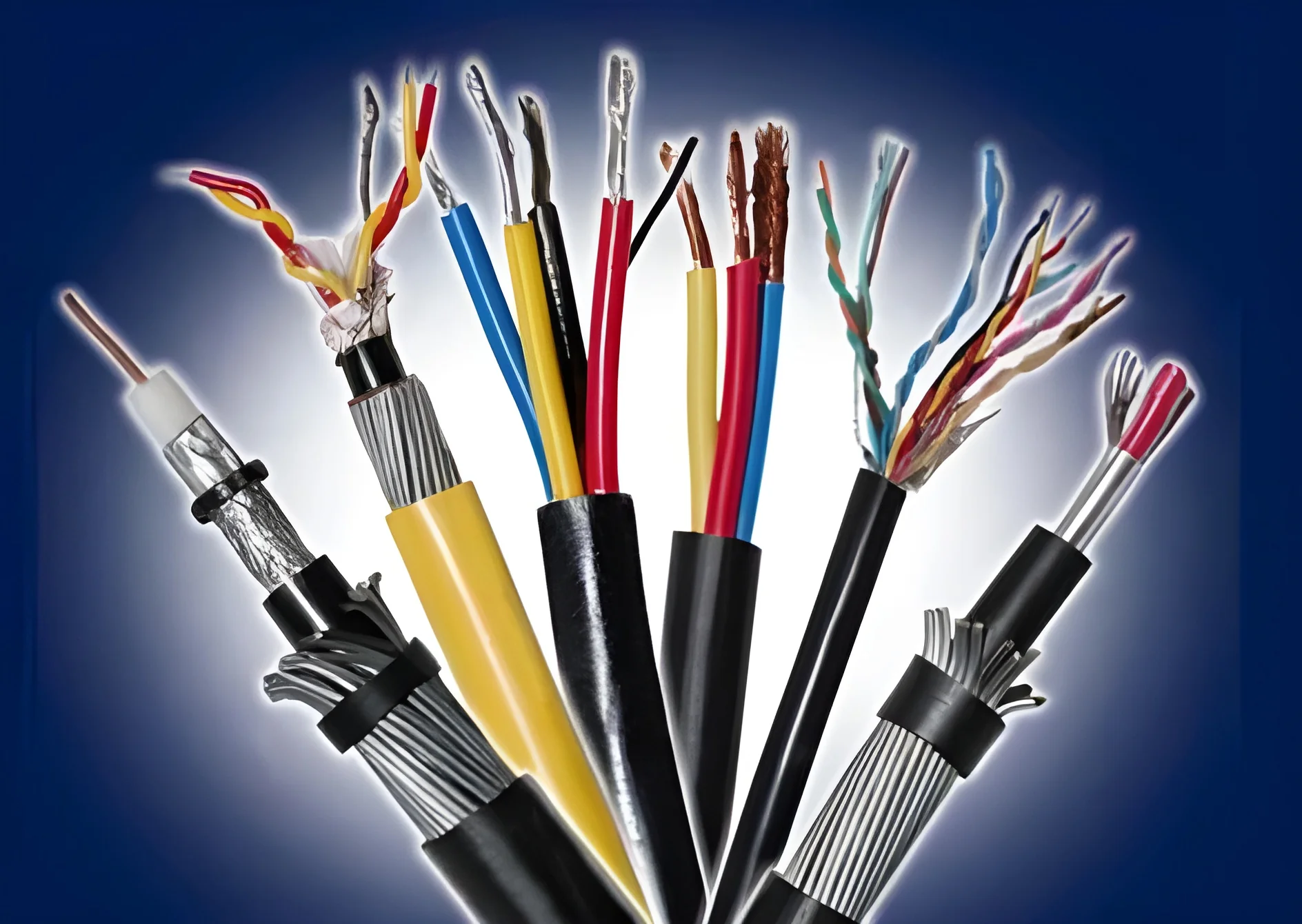
Premium railway signaling cables represent mission-critical infrastructure engineered specifically for modern rail transport networks where safety and reliability are paramount. These specialized cables feature high-conductivity stranded copper conductors with precision-engineered insulation and protective sheathing designed to maintain signal integrity across extensive railway networks. The multi-layer construction provides comprehensive protection against moisture, chemicals, abrasion, and temperature extremes while ensuring sufficient flexibility for installation in constrained spaces. Each cable undergoes rigorous testing for dielectric strength, capacitance unbalance, and mutual impedance to guarantee flawless performance in applications where signal failure could have serious consequences. These cables meet and exceed international standards including IRSE, RDSO, and IEC specifications, providing rail operators with complete confidence in their signaling infrastructure.

Rail net...
Premium railway signaling cables represent mission-critical infrastructure engineered specifically for modern rail transport networks where safety and reliability are paramount. These specialized cables feature high-conductivity stranded copper conductors with precision-engineered insulation and protective sheathing designed to maintain signal integrity across extensive railway networks. The multi-layer construction provides comprehensive protection against moisture, chemicals, abrasion, and temperature extremes while ensuring sufficient flexibility for installation in constrained spaces. Each cable undergoes rigorous testing for dielectric strength, capacitance unbalance, and mutual impedance to guarantee flawless performance in applications where signal failure could have serious consequences. These cables meet and exceed international standards including IRSE, RDSO, and IEC specifications, providing rail operators with complete confidence in their signaling infrastructure.

Rail networks globally depend on these signaling cables across multiple operational domains including mainline railways, metro systems, light rail transit, and freight corridors. They serve as the fundamental nervous system for interlocking installations at stations and junctions where they connect signals, points, and track circuits to control train movements safely and efficiently. Transportation authorities utilize them in automatic block signaling systems that maintain safe distances between trains on high-density routes. Railway construction companies specify these cables for new line projects and system upgrades where compatibility with existing infrastructure and future expansion requirements are essential considerations. Maintenance teams rely on their consistent performance for signaling system repairs and modernizations without causing service disruptions to daily operations.

The value of premium railway signaling cables extends well beyond initial procurement to encompass total cost of ownership through reduced maintenance, extended service life, and operational reliability. Rail operators benefit from minimized signal failures that cause delays, improved asset utilization through increased line capacity, and enhanced safety records that build public trust and regulatory compliance. These cables deliver measurable return on investment through significantly reduced downtime and lower lifetime maintenance costs compared to standard alternatives. Their consistent quality across production batches ensures predictable performance and compatibility with existing systems. Manufacturers support clients with comprehensive technical documentation, installation guidance, and responsive after-sales service to ensure optimal system performance throughout the cable's operational lifespan.

Key Features:
- High-conductivity stranded copper conductors for optimal signal transmission
- Multi-layer PVC insulation resistant to moisture, oils, and chemicals
- Enhanced mechanical strength with robust protective sheathing
- Excellent flexibility for easy installation in confined spaces
- Comprehensive compliance with international railway standards

Benefits:
- Ensures uninterrupted signal transmission for operational safety
- Reduces maintenance costs and extends system lifespan
- Withstands harsh environmental conditions and temperature extremes
- Minimizes signal loss and electromagnetic interference
- Provides reliable performance in safety-critical applications
Specifications
| Additional Information | |
|---|---|
| Country of Origin | 106 |
| Customisable | No |
Application
Railway signaling cables provide critical signal transmission between interlocking systems, track circuits, and central control units, ensuring safe train movement coordination. Their robust construction maintains performance in tunnels, bridges, and exposed tracks where reliability is non-negotiable for daily operations and passenger safety.
These specialized cables support advanced train protection systems where signal integrity is vital, integrating with modern railway networks for seamless communication. The design accommodates both fixed installations and dynamic applications near points and crossings, offering flexibility and resistance to repeated bending stresses throughout the system's lifespan.
- Interlocking systems connecting signals, points and track circuits
- Axle counter installations detecting train presence on tracks
- Level crossing protection systems activating barriers and signals
- Centralized Traffic Control systems for remote operations
- Train-to-wayside communication for automatic train control
Trade Details
| Available Stock | In Stock |
| Sample Availability | No |
Payment Terms
| Payment Terms |
|
Shipping & Logistics
| Shipping Internationally | - | |
| Methods | -- | |
| IncoTerms | -- | |
| Port of Dispatch | Indore, Madhya Pradesh, India | |
| Packaging Type | -- | |
| Units per Package | -- | |
| Barcode / HSN / GTIN / UPC | -- | |
| Dispatch Lead time | -- |
Company Profile

Electro Cables Industries, Madhya Pradesh
 Madhya Pradesh, India
Madhya Pradesh, IndiaElectronics & Electrical•Manufacturer•Distributor / Wholesaler•Importer / Exporter
Factory Details
Factory SizeBelow 1000 sqm
Annual Production Capacity0
Railway Signaling Cables Premium Safety Critical Transmission Durable
Premium railway signaling cables deliver flawless safety-critical signal transmission with superior durability, weather resistance, and global standard compliance for reliable rail network operations worldwide.
Min. Order Quantity: 500 Meter
Shipping
Shipping fee and delivery date to be negotiated. Contact supplier now for more details.
Electro Cables Industries
 Madhya Pradesh, India
Madhya Pradesh, IndiaElectronics & ElectricalManufacturer