IN
IN₹
Apparel & Fashion
Description
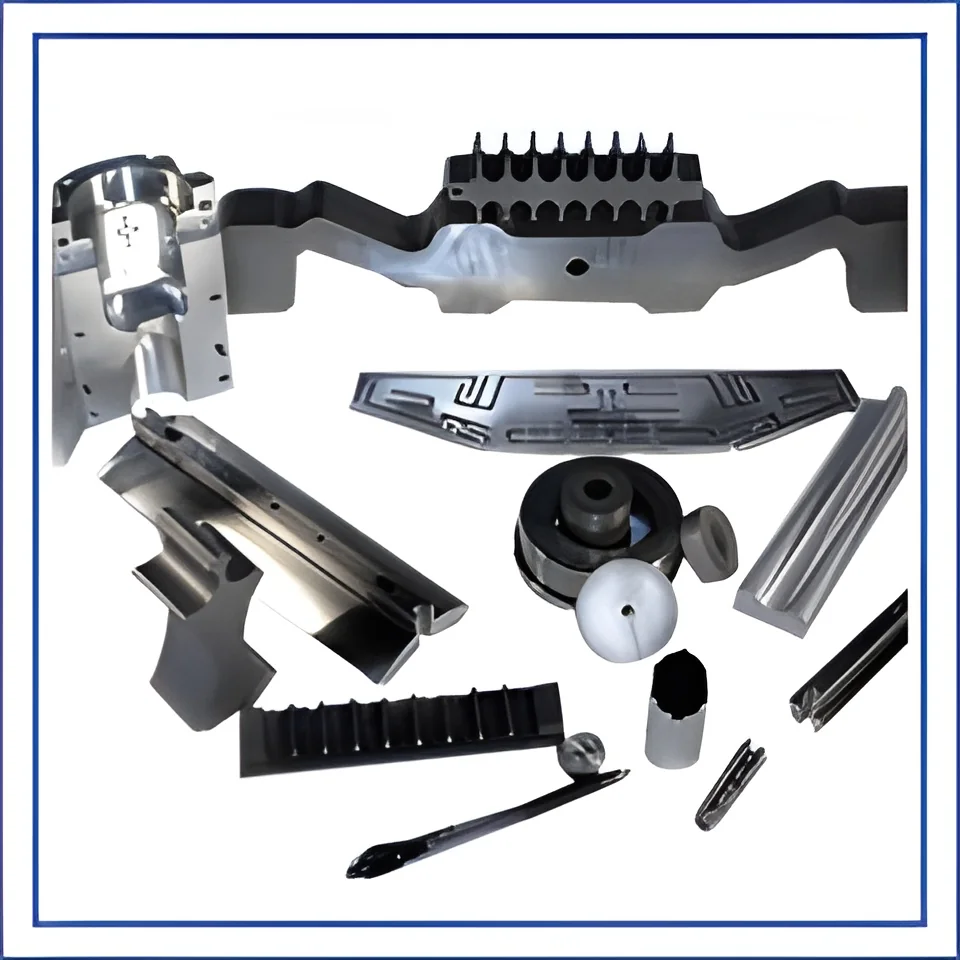
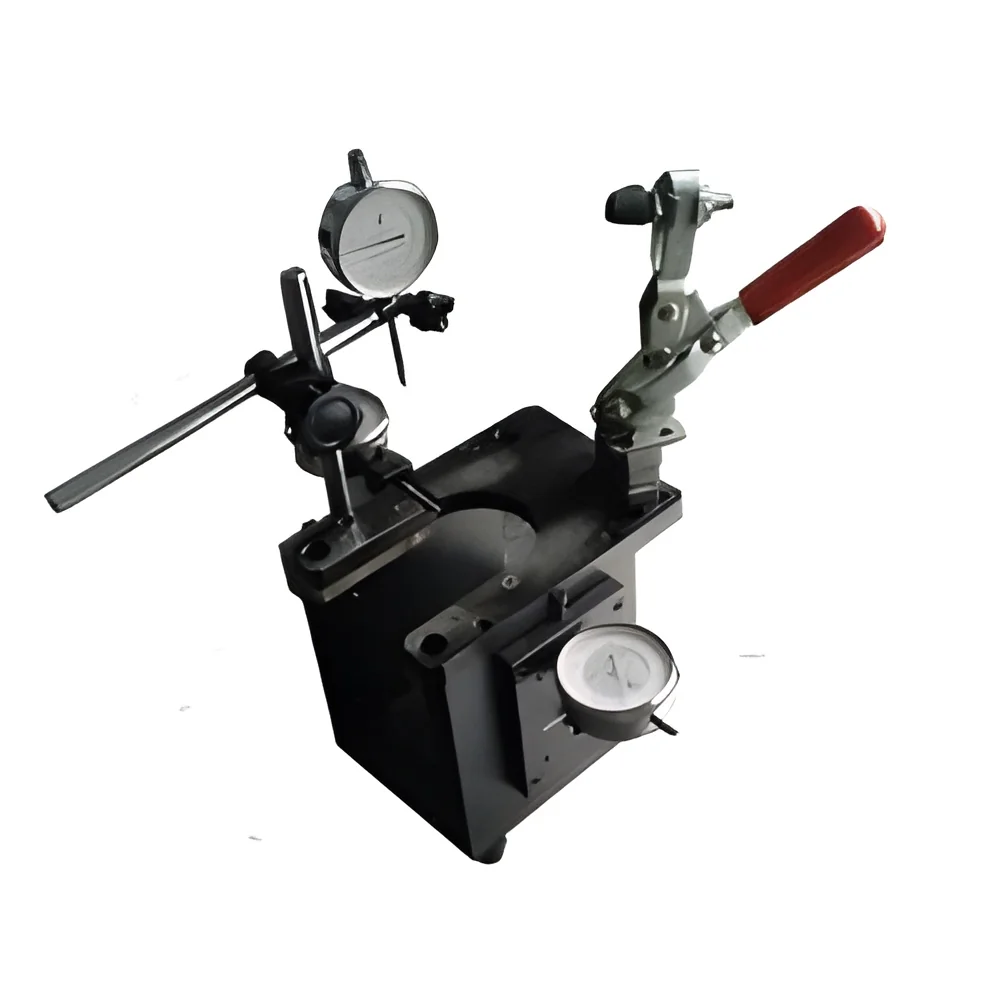
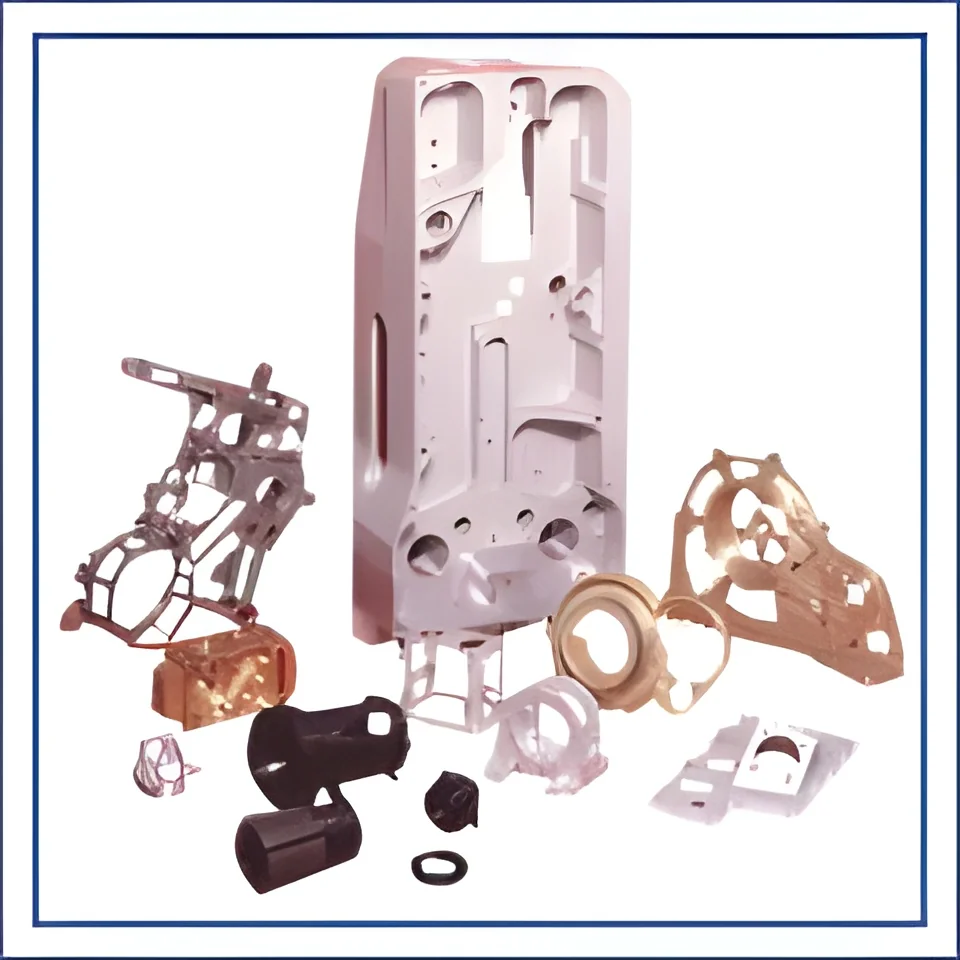
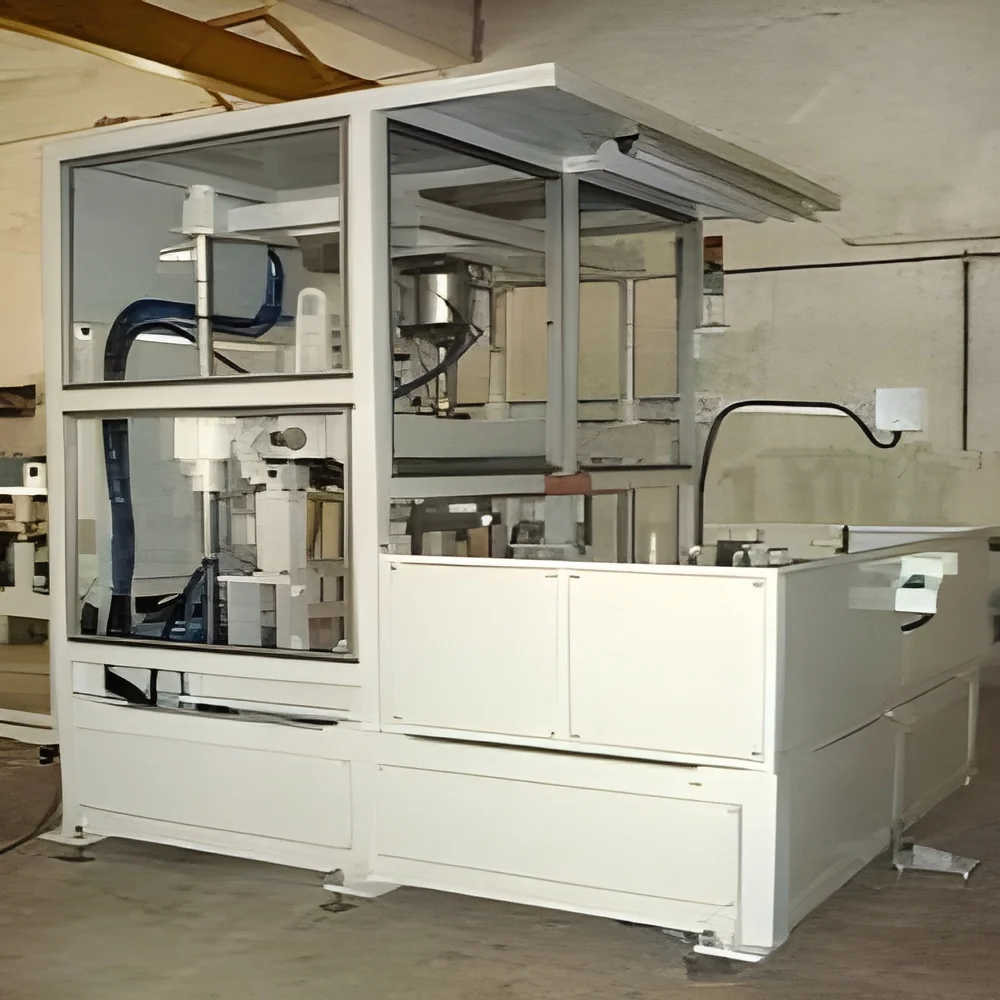
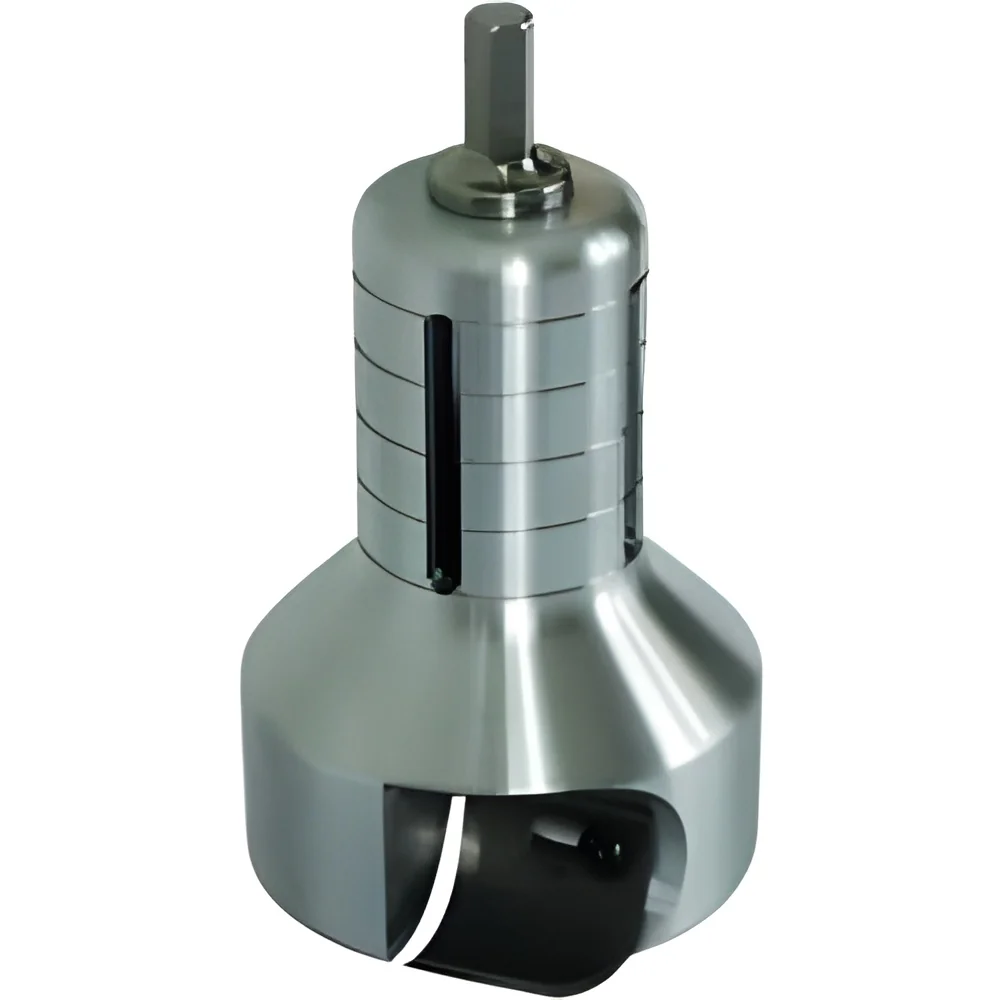
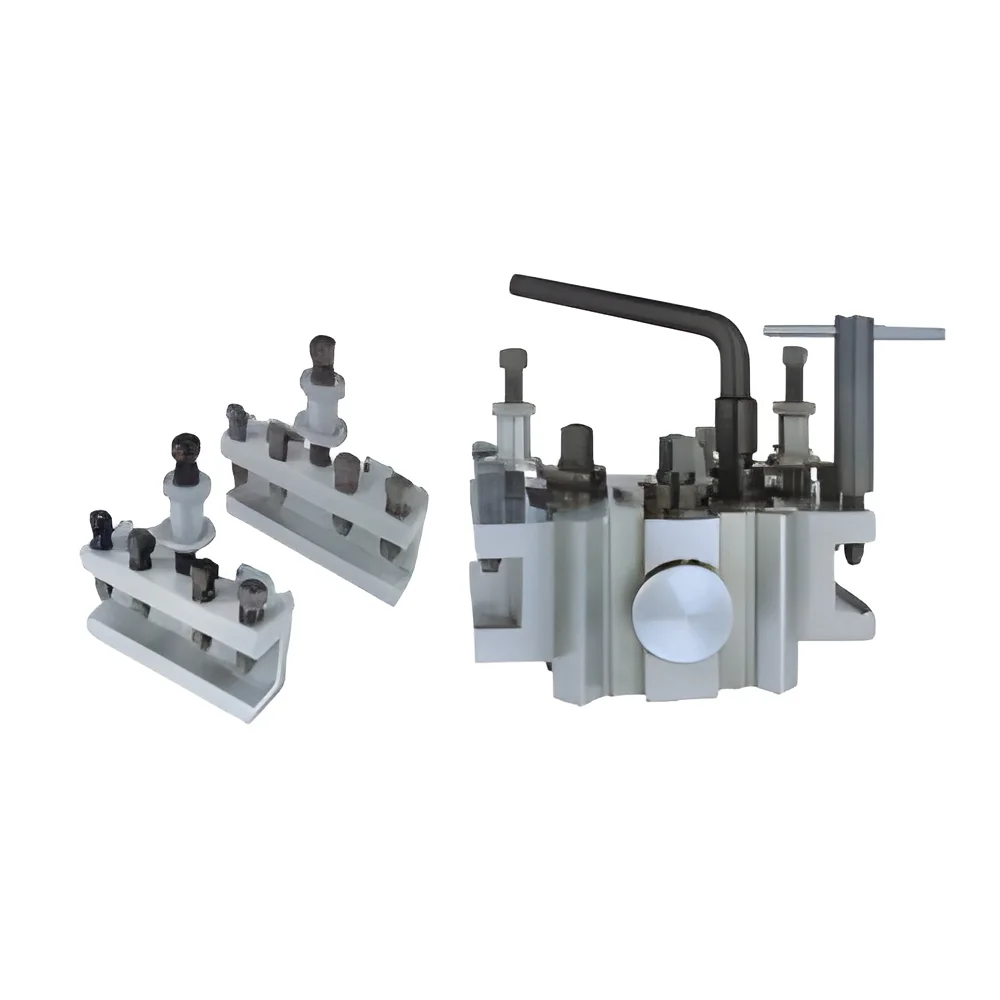
Quick change tooling systems revolutionize manufacturing efficiency by dramatically reducing tool changeover times on CNC machines. These precision systems consist of specialized tool holders and adapters that enable operators to swap tools rapidly without manual adjustment or recalibration. This capability is vital in modern machining environments where efficiency, accuracy, and flexibility directly impact productivity and bottom-line results. By eliminating lengthy setup procedures, quick change tooling helps manufacturers respond faster to evolving production demands while maintaining consistent quality across all batches and production runs.

These advanced tooling systems find extensive application across precision-driven industries including aerospace, automotive, medical device manufacturing, and general contract machining. In aerospace applications, they ensure precise machining of complex components from challenging materials like titanium and Inconel while maintaining strict ...
Quick change tooling systems revolutionize manufacturing efficiency by dramatically reducing tool changeover times on CNC machines. These precision systems consist of specialized tool holders and adapters that enable operators to swap tools rapidly without manual adjustment or recalibration. This capability is vital in modern machining environments where efficiency, accuracy, and flexibility directly impact productivity and bottom-line results. By eliminating lengthy setup procedures, quick change tooling helps manufacturers respond faster to evolving production demands while maintaining consistent quality across all batches and production runs.

These advanced tooling systems find extensive application across precision-driven industries including aerospace, automotive, medical device manufacturing, and general contract machining. In aerospace applications, they ensure precise machining of complex components from challenging materials like titanium and Inconel while maintaining strict tolerances. Automotive manufacturers depend on them for high-volume part production with minimal interruption between runs. Medical device makers benefit from the ability to quickly transition between tools for machining delicate, high-tolerance components. Job shops and contract manufacturers value quick change tooling for its versatility in handling diverse customer requirements without compromising setup speed or machining accuracy.

The business value of quick change tooling systems lies in their proven ability to enhance operational efficiency and reduce manufacturing costs. By minimizing machine downtime during changeovers, manufacturers significantly increase spindle uptime and overall equipment effectiveness. This translates directly to higher production throughput, better resource utilization, and improved return on investment for machining equipment. The inherent reliability of these systems ensures consistent performance batch after batch, reducing the risk of errors and costly rework. Their robust construction and precision engineering provide long-term value through extended service life and dependable operation in demanding production environments.

Key Features:
- Precision engineering for consistent tool positioning and repeatability
- Rapid tool change capability without manual recalibration requirements
- Compatibility with various CNC machining centers and lathe systems
- Robust construction for durability in high-demand manufacturing environments
- Reliable performance maintaining tight tolerances across production runs

Benefits:
- Reduced machine downtime during tool changeover operations
- Increased production throughput and overall equipment effectiveness
- Consistent part quality and dimensional accuracy across batches
- Lower operational costs through improved efficiency and reduced labor
- Enhanced manufacturing flexibility for diverse production requirements
Specifications
| Additional Information | |
|---|---|
| Country of Origin | India |
Application
Quick change tooling systems are essential in high-mix manufacturing where machine uptime is critical. Operators can switch tools in seconds without recalibration, maintaining tight tolerances across various materials and complex geometries. This flexibility supports just-in-time production while eliminating setup bottlenecks that slow down operations.
These precision tooling solutions serve industries where accuracy and repeatability are mandatory, including aerospace, automotive, and medical device manufacturing. Job shops and contract manufacturers handling diverse orders benefit from rapid transitions between machining tasks without sacrificing precision or increasing operational costs. The systems adapt to various production environments seamlessly.
- Reducing setup time between production runs in CNC milling and turning operations
- Enabling rapid tool changes for high-precision aerospace component machining
- Supporting flexible manufacturing cells in automotive part production
- Minimizing downtime in medical device manufacturing for implants and instruments
- Facilitating quick job changeovers in contract machining and job shop environments
Trade Details
| Available Stock | In Stock |
| Sample Availability | No |
Payment Terms
| Payment Terms |
|
Company Profile
Avant Tools, Karnataka
 Karnataka, India
Karnataka, IndiaIndustrial Equipment & Machinery•Manufacturer•Importer / Exporter
Factory Details
Factory SizeBelow 1000 sqm
Annual Production Capacity0
Quick Change Tooling Systems For CNC Machining Efficiency
Quick change tooling systems deliver fast CNC machining changeovers, reducing downtime and boosting efficiency for precision manufacturing industries requiring reliable high-performance tool holders.
Min. Order Quantity: 1 unit
Shipping
Shipping fee and delivery date to be negotiated. Contact supplier now for more details.
Avant Tools
 Karnataka, India
Karnataka, IndiaIndustrial Equipment & MachineryManufacturer