IN
IN₹
Description
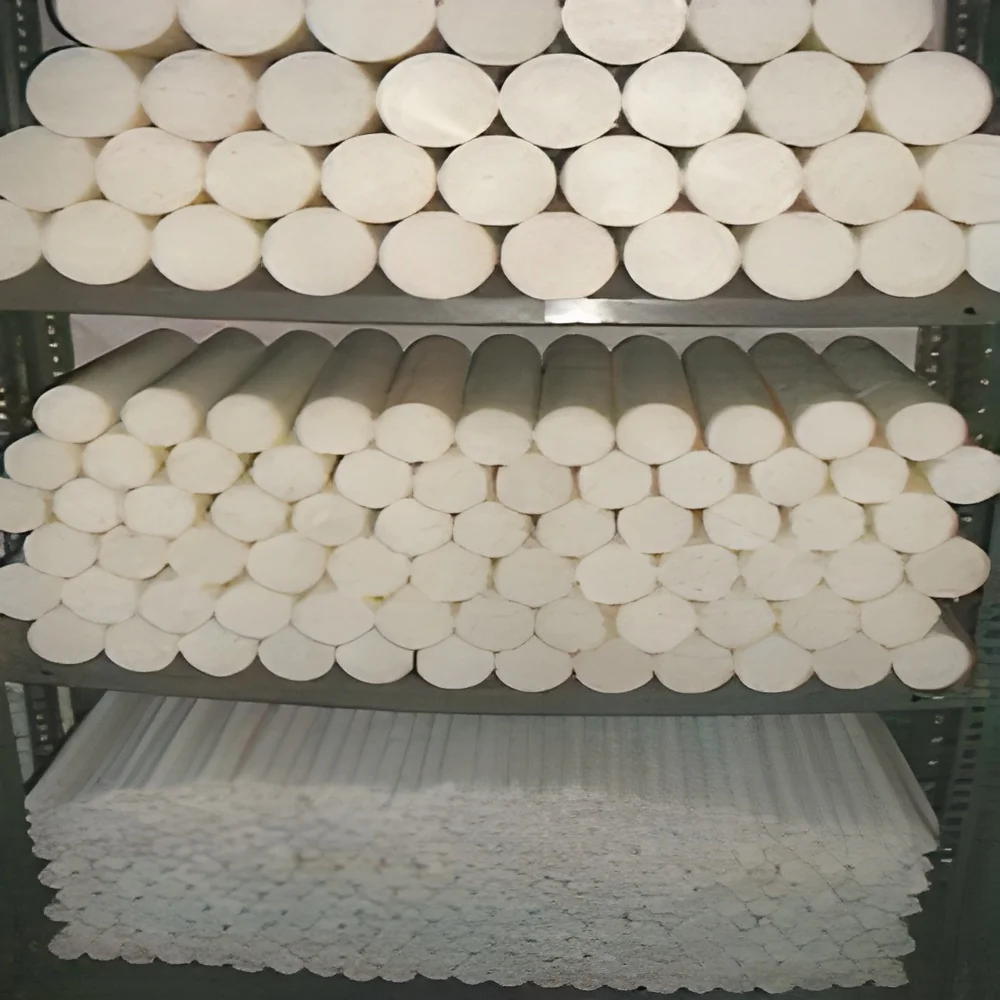
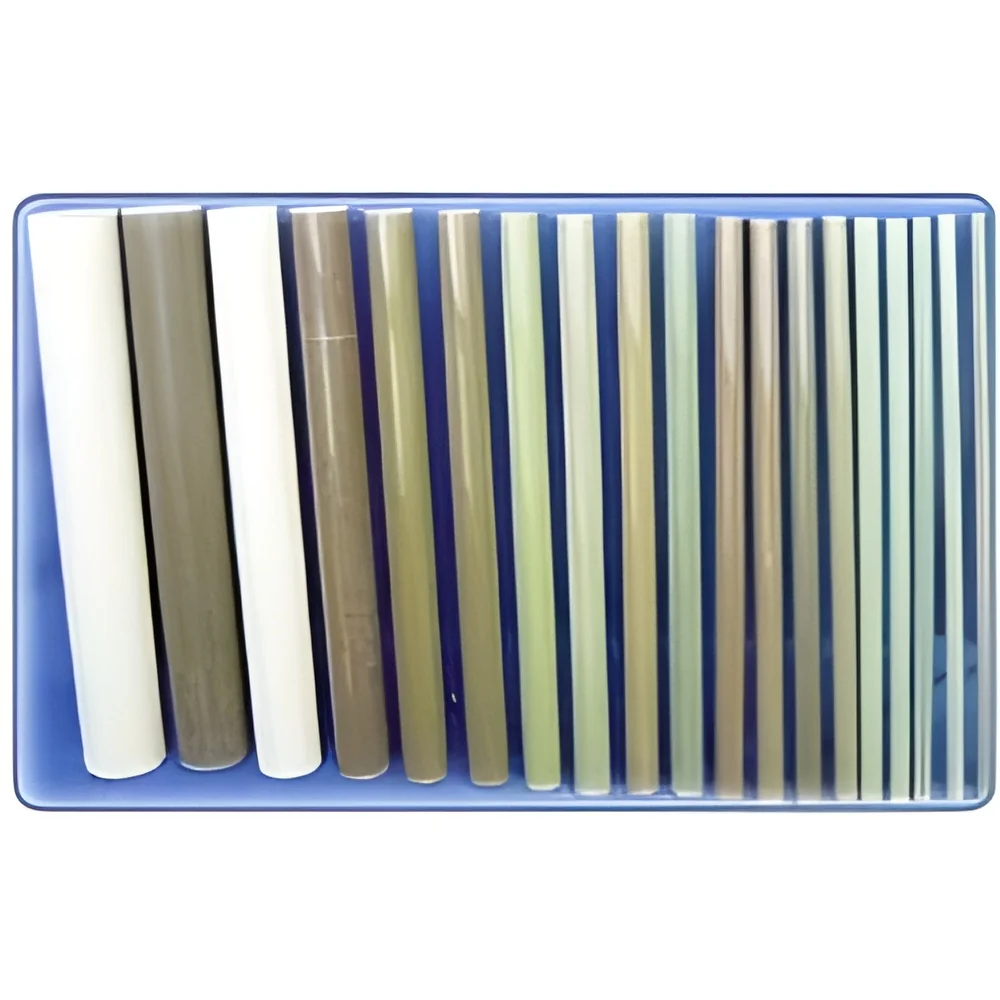
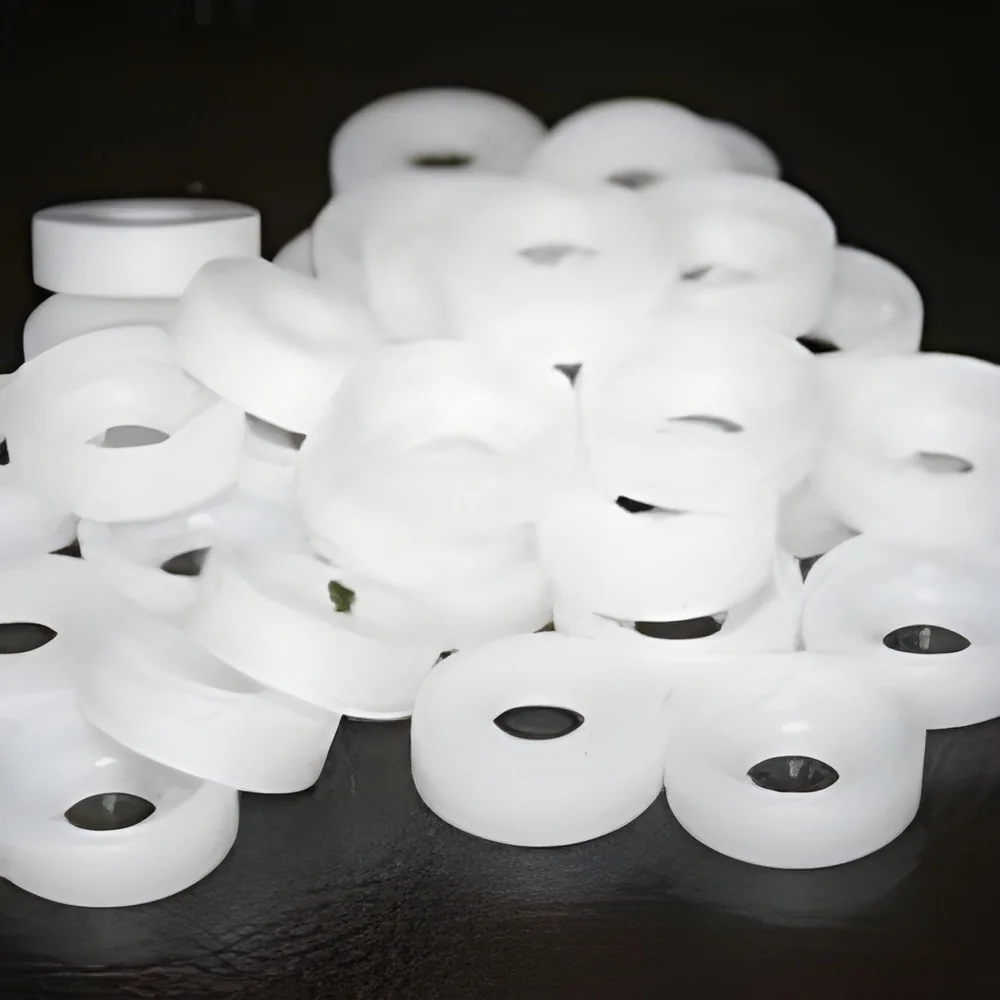
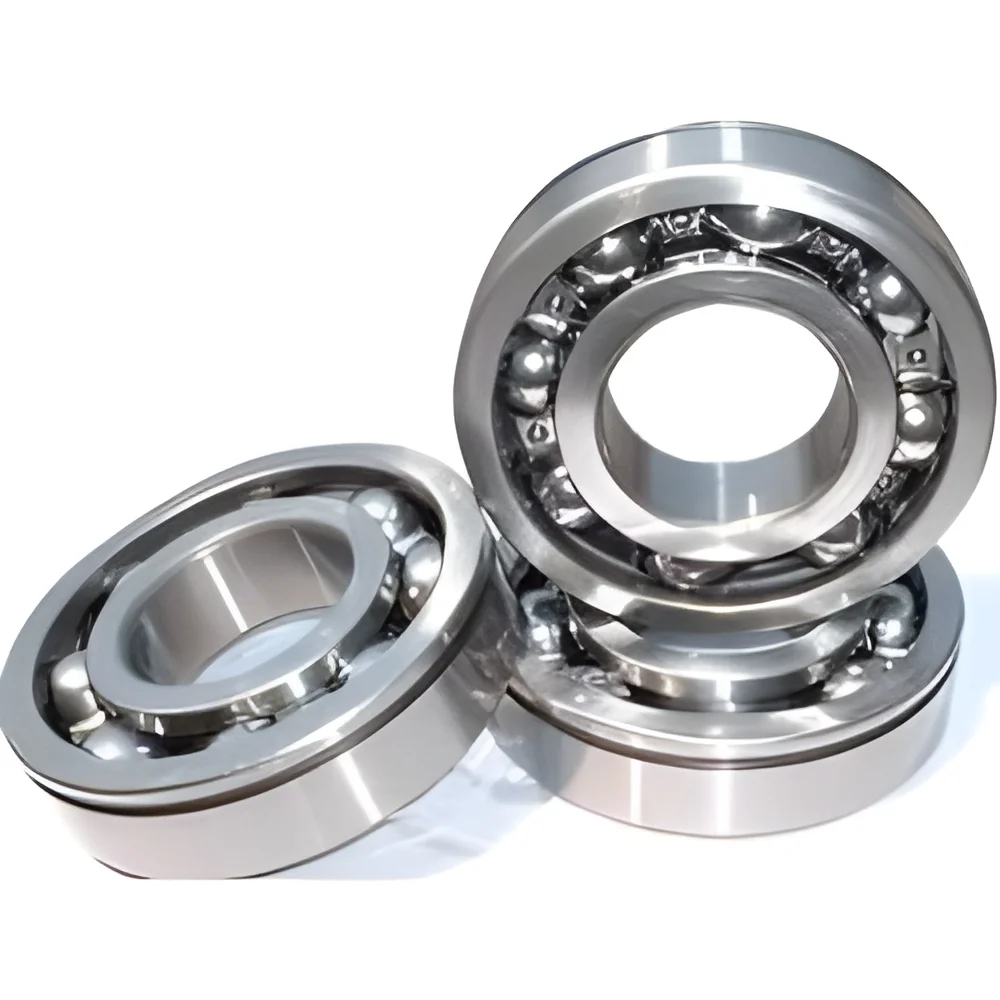
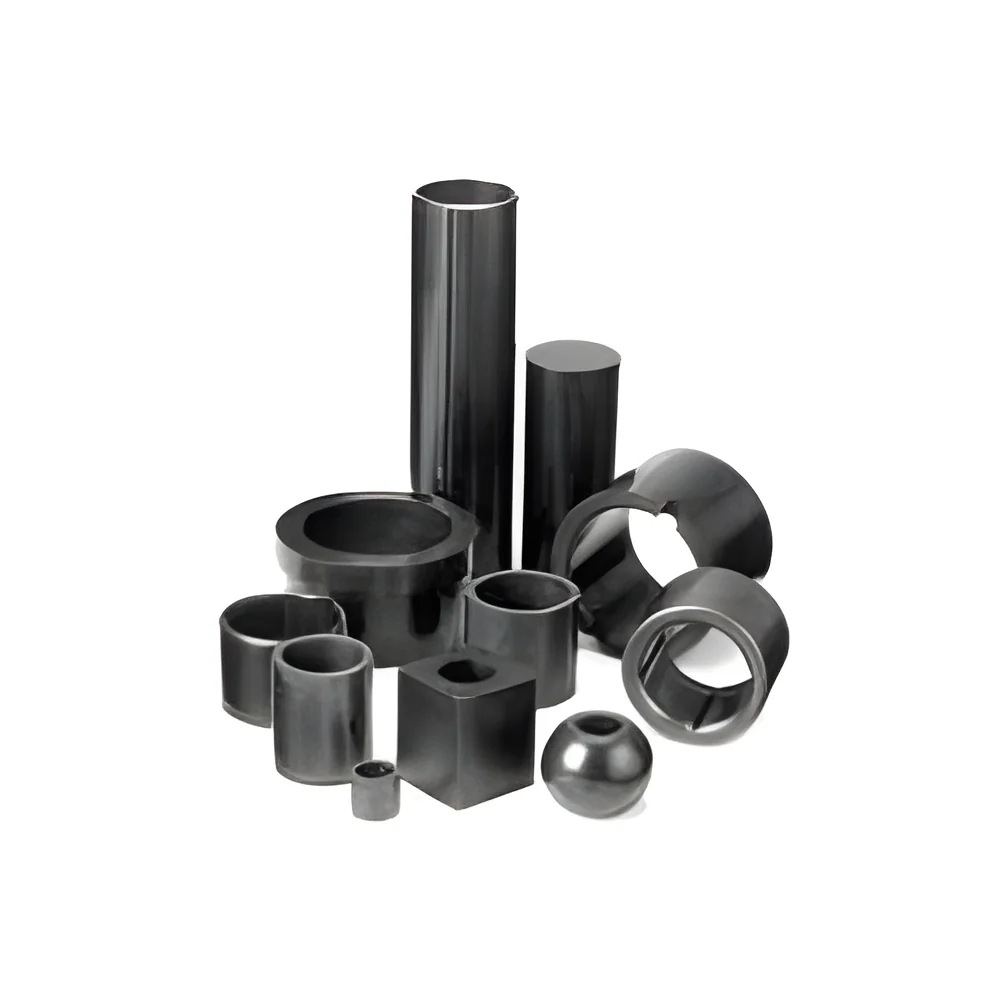
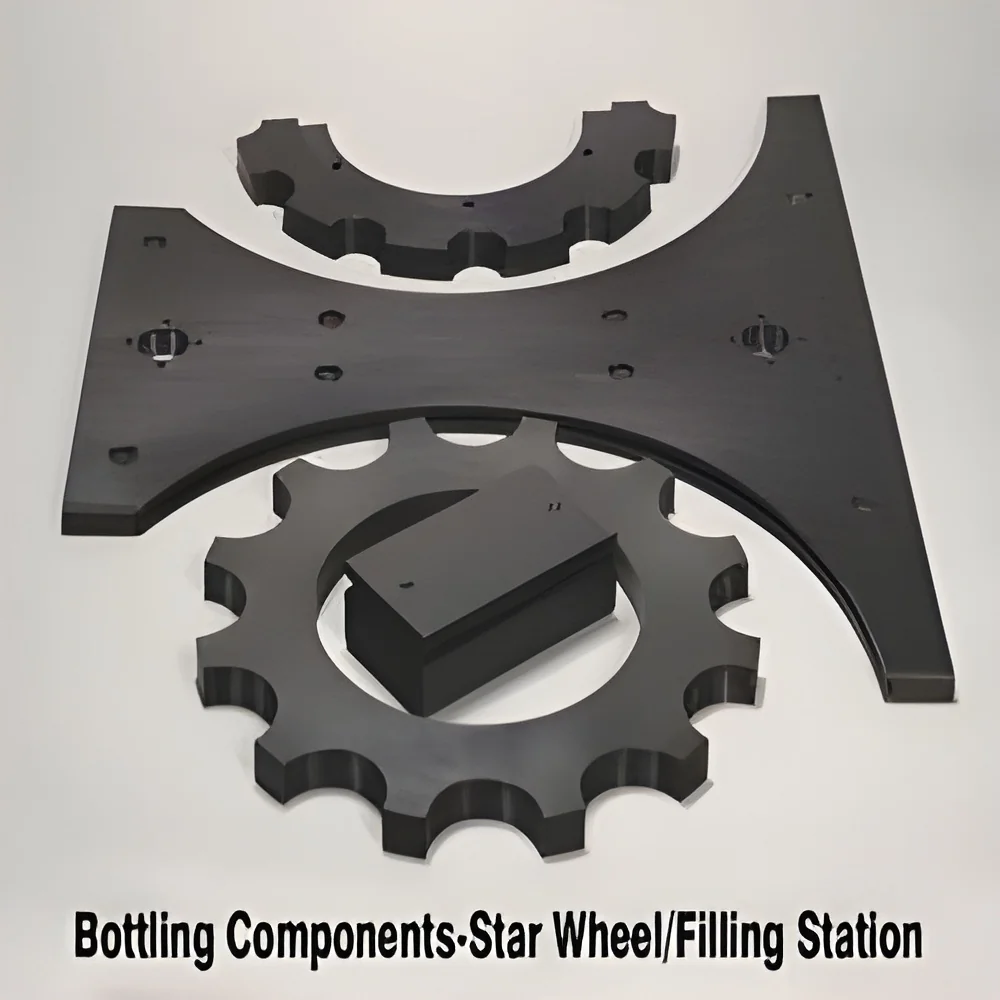
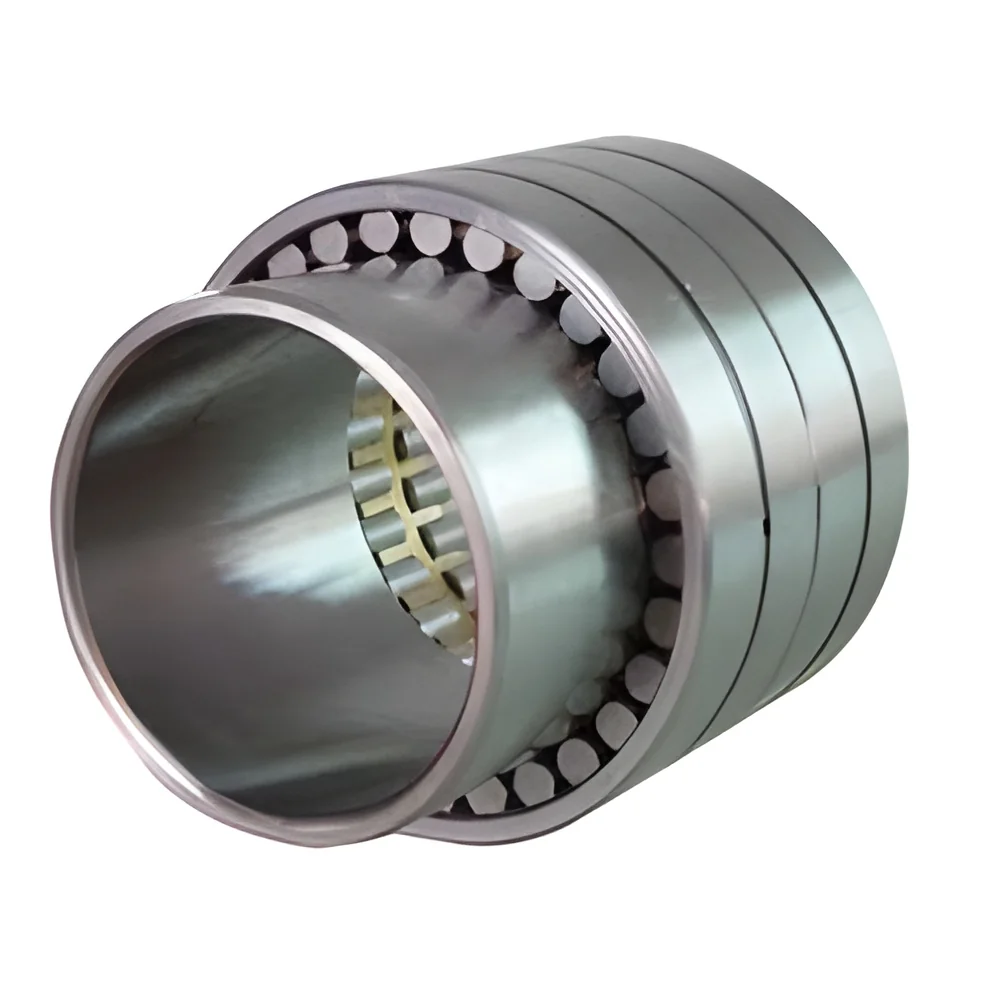
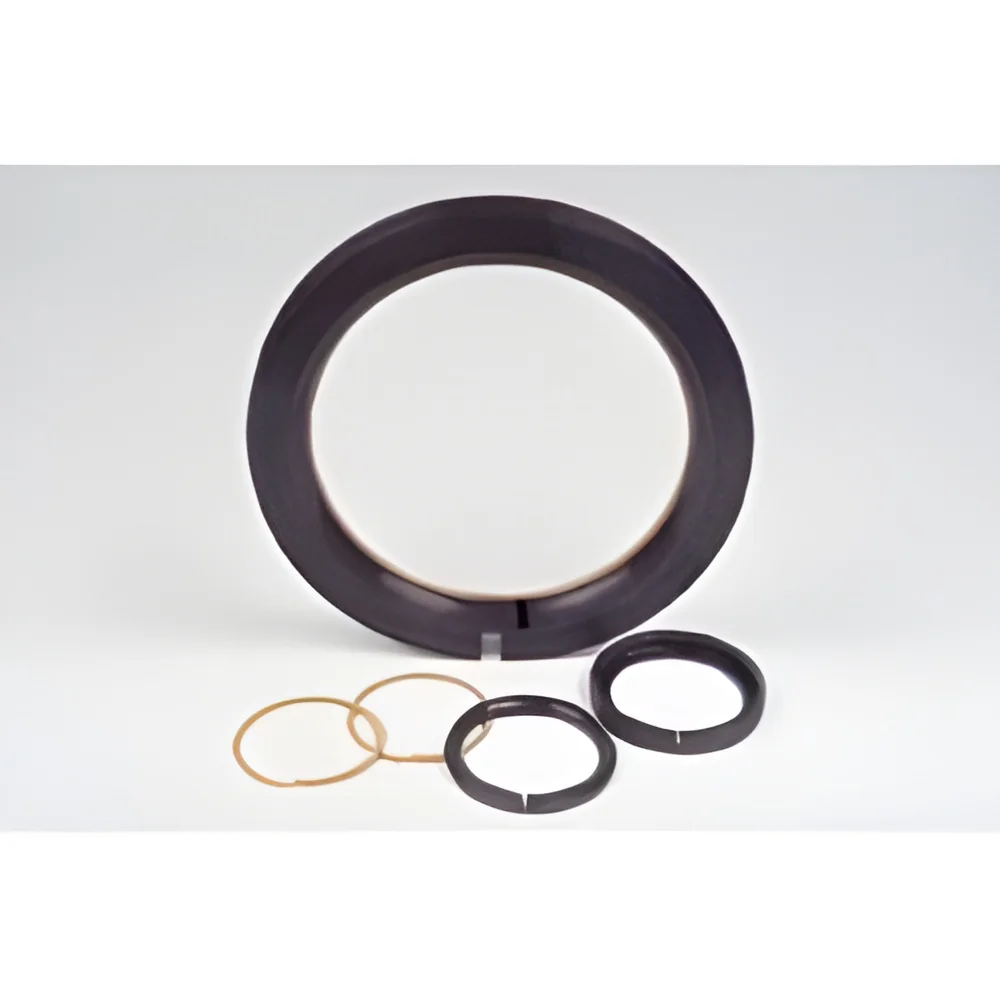
Industrial PTFE filled components represent precision engineering solutions designed for applications requiring uncompromising chemical resistance and mechanical durability. These specialized parts combine premium PTFE with carefully selected fillers to enhance mechanical strength while maintaining the base material's exceptional resistance to aggressive chemicals. Each component undergoes rigorous quality control processes to ensure consistent performance in the most challenging operating conditions. The manufacturing incorporates advanced compression molding and precision machining techniques to achieve exact dimensional specifications and optimal surface finishes for reliable operation.

These components serve essential functions across multiple industrial sectors including chemical processing, oil and gas exploration, pharmaceutical manufacturing, food processing equipment, and semiconductor production. In chemical processing facilities, they provide reliable sealing solutions for ...
Industrial PTFE filled components represent precision engineering solutions designed for applications requiring uncompromising chemical resistance and mechanical durability. These specialized parts combine premium PTFE with carefully selected fillers to enhance mechanical strength while maintaining the base material's exceptional resistance to aggressive chemicals. Each component undergoes rigorous quality control processes to ensure consistent performance in the most challenging operating conditions. The manufacturing incorporates advanced compression molding and precision machining techniques to achieve exact dimensional specifications and optimal surface finishes for reliable operation.

These components serve essential functions across multiple industrial sectors including chemical processing, oil and gas exploration, pharmaceutical manufacturing, food processing equipment, and semiconductor production. In chemical processing facilities, they provide reliable sealing solutions for valves and pumps handling corrosive media and solvents. The automotive and aerospace industries utilize them for low-friction bearings and guides that withstand extreme temperatures. Electrical equipment manufacturers depend on their excellent insulating properties for high-voltage applications, while food processing operations benefit from their compliance with industry standards and non-stick characteristics.

The operational value of PTFE filled components lies in their ability to minimize equipment downtime and reduce maintenance costs while enhancing workplace safety. Their exceptional durability translates to extended service life and decreased replacement frequency, providing significant long-term cost savings. The precision engineering ensures perfect integration with existing equipment, eliminating compatibility issues and installation challenges. Manufacturers can rely on consistent quality across production batches, ensuring predictable performance and reducing quality control overhead. These components help businesses maintain continuous production cycles while meeting stringent industry regulations and operational requirements.

Key Features:
- Enhanced mechanical strength through precision filler integration
- Exceptional chemical resistance against corrosive media and solvents
- Superior thermal stability maintaining performance across temperature extremes
- Low coefficient of friction ensuring smooth operation and minimal wear
- Rigorous quality control ensuring consistent performance and reliability

Benefits:
- Reduced equipment downtime and maintenance requirements
- Extended service life providing long-term cost savings
- Enhanced operational safety in challenging environments
- Reliable performance across varying temperature and chemical conditions
- Consistent quality ensuring predictable operational outcomes
Specifications
| Additional Information | |
|---|---|
| Country of Origin | India |
Application
PTFE filled components deliver critical performance where standard materials fail against aggressive chemicals and extreme conditions. These engineered parts offer exceptional chemical resistance, low friction operation, and thermal stability across demanding industrial applications. Industries depend on them for reliable sealing, guiding, and insulating functions where component failure would cause significant operational disruptions and safety concerns.
From chemical processing plants to semiconductor manufacturing facilities, these components maintain operational integrity and efficiency. Their robust construction ensures longevity and reduced maintenance requirements in continuous operation environments. Manufacturers value the consistent performance and reliability these high-performance components provide across various temperature ranges and chemical exposures.
- Valve seats and seals handling corrosive chemicals in processing equipment
- Pump diaphragms and chevron packings for leak-free fluid transfer systems
- Electrical insulators in high-voltage applications requiring non-conductive properties
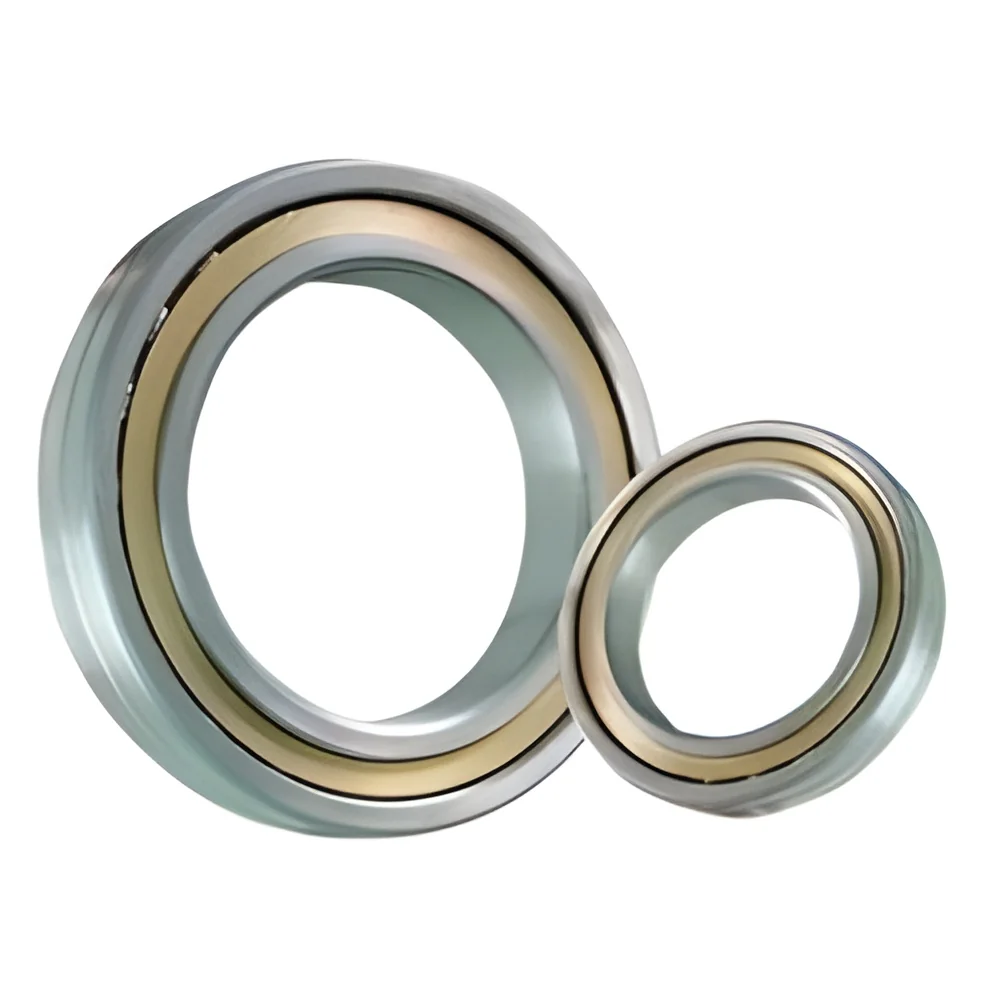
- Guide bearings and bushings in automotive and aerospace assemblies
- Bellows and nozzles in semiconductor and electronics manufacturing
Trade Details
| Available Stock | In Stock |
| Sample Availability | No |
Payment Terms
| Payment Terms |
|
Company Profile
Bearings International Co., Tamil Nadu
 Tamil Nadu, India
Tamil Nadu, IndiaManufacturer
Factory Details
Factory SizeBelow 1000 sqm
Annual Production Capacity0
Industrial PTFE Filled Components For Chemical Resistance And Durability
Industrial PTFE filled components from reliable manufacturers provide superior chemical resistance and durability for demanding applications including valve seats, pump diaphragms, bearings, and electrical insulators in harsh industrial environments.
Min. Order Quantity: 1 unit
Shipping
Shipping fee and delivery date to be negotiated. Contact supplier now for more details.
Bearings International Co.
 Tamil Nadu, India
Tamil Nadu, IndiaManufacturer