IN
IN₹
Apparel & Fashion
Description
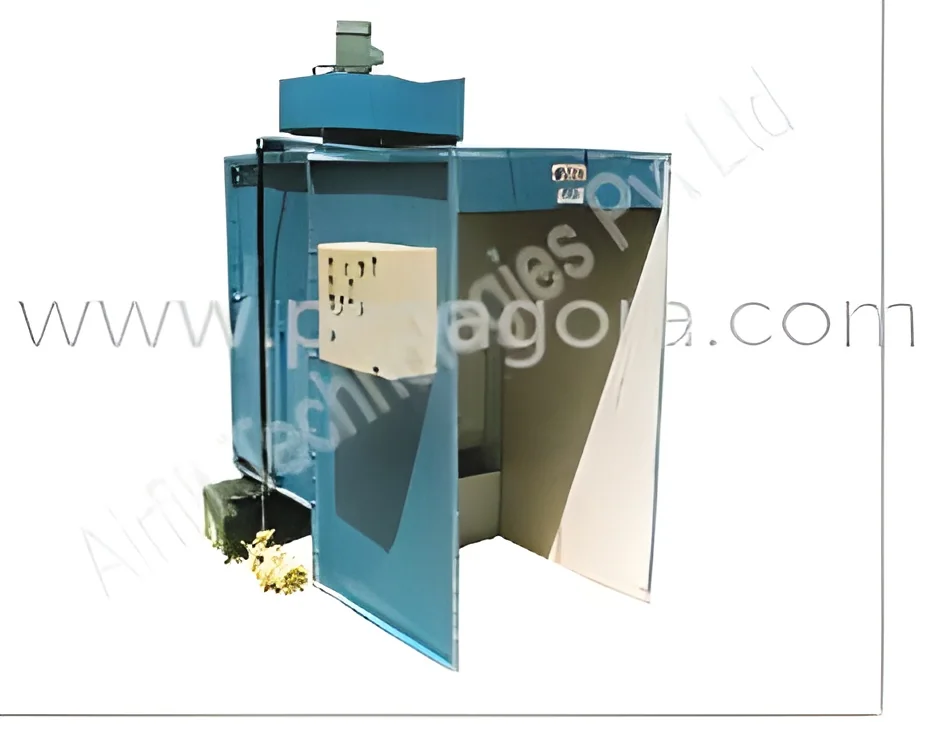
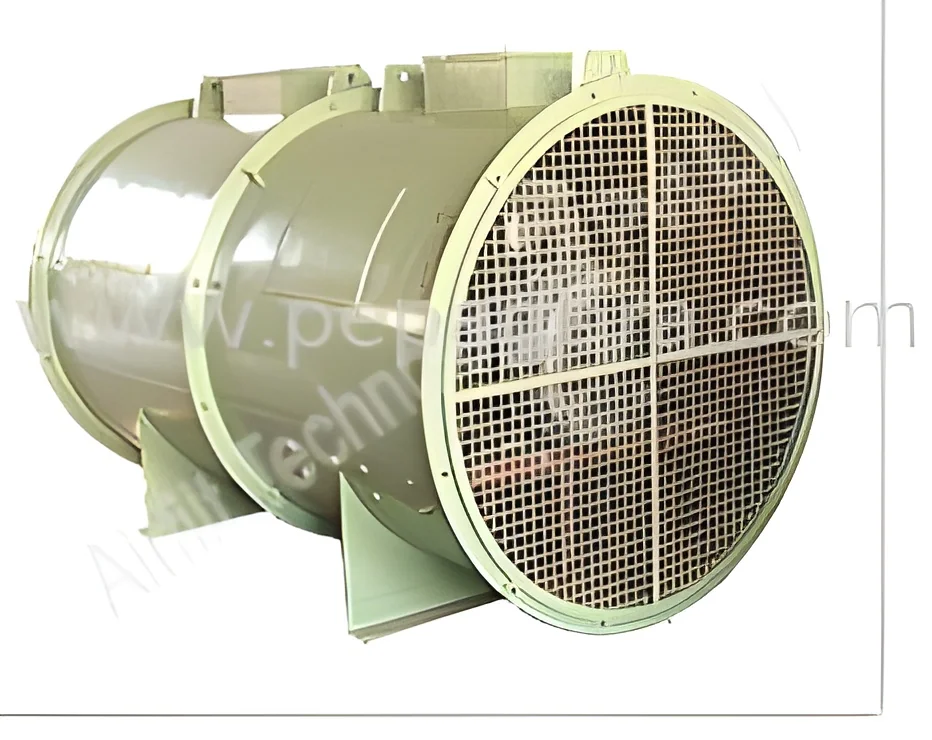
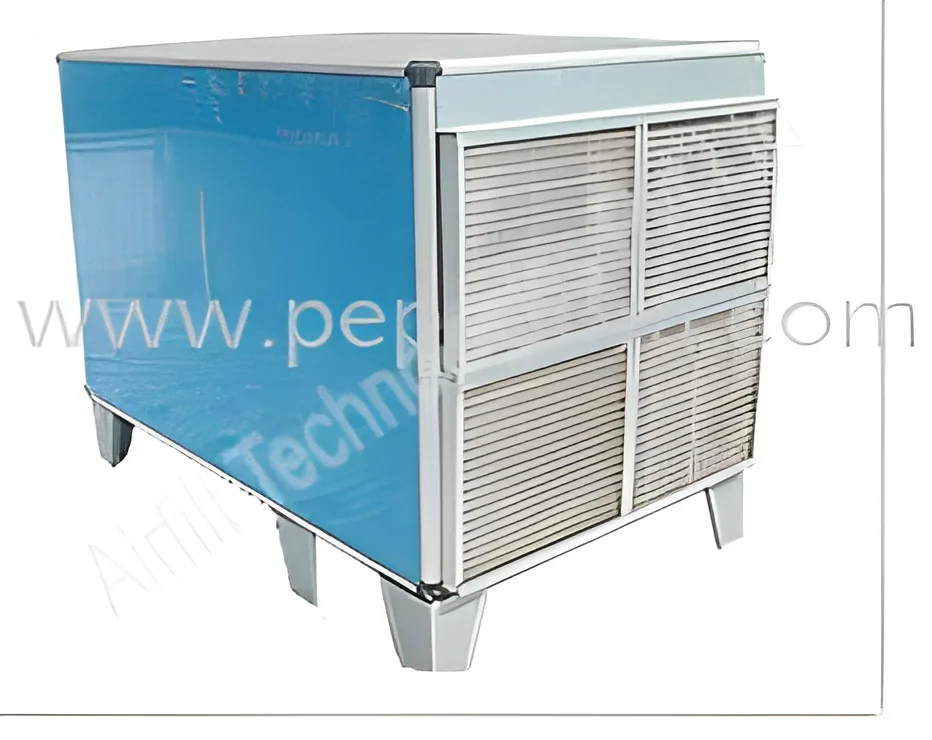
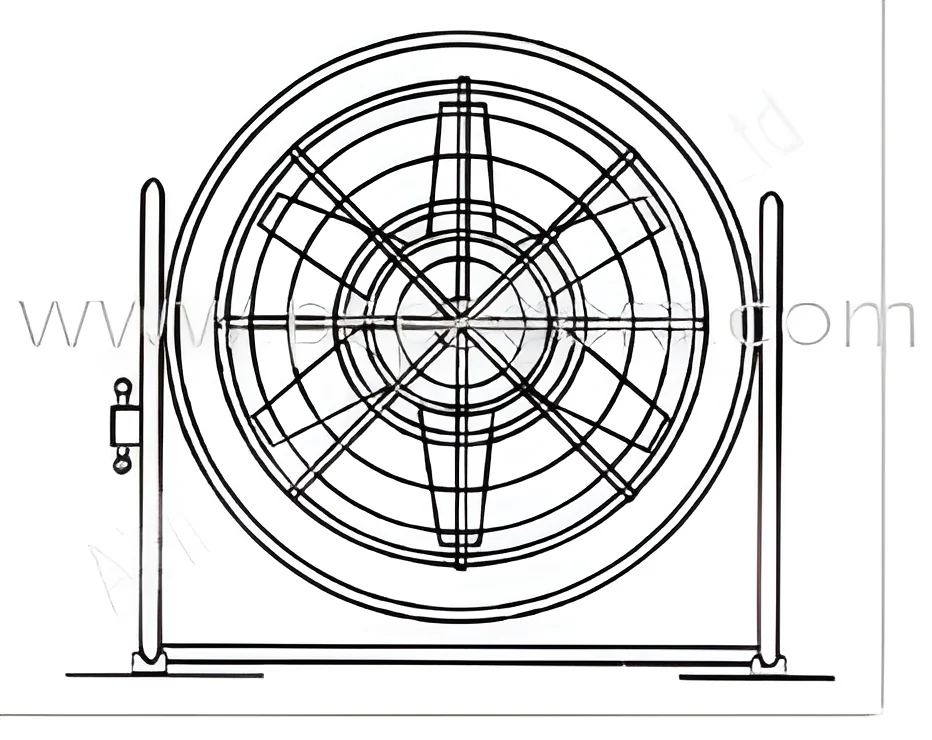
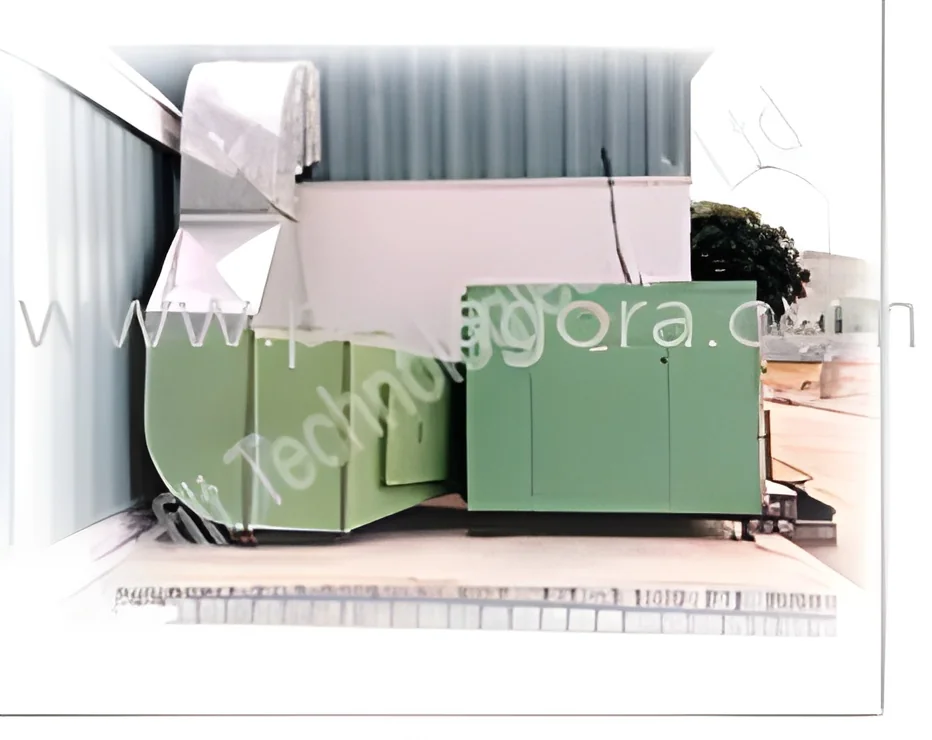
Industrial pressurizing units are specialized systems designed to create and maintain positive air pressure within enclosed working spaces, effectively preventing dust, contaminants, and unfiltered air from entering sensitive environments. These units work by continuously supplying filtered air into the space at higher pressure than surrounding areas, creating constant outward airflow through any openings. This pressure differential ensures airborne particles cannot infiltrate protected zones, maintaining cleanliness and protecting both products and personnel. The systems feature robust construction and reliable operation, making them suitable for demanding industrial applications where consistent environmental control is essential for operational success and quality assurance.

These pressurizing systems serve critical roles across multiple industries where environmental control directly impacts product quality and safety. In automotive manufacturing, they protect paint shops from dus...
Industrial pressurizing units are specialized systems designed to create and maintain positive air pressure within enclosed working spaces, effectively preventing dust, contaminants, and unfiltered air from entering sensitive environments. These units work by continuously supplying filtered air into the space at higher pressure than surrounding areas, creating constant outward airflow through any openings. This pressure differential ensures airborne particles cannot infiltrate protected zones, maintaining cleanliness and protecting both products and personnel. The systems feature robust construction and reliable operation, making them suitable for demanding industrial applications where consistent environmental control is essential for operational success and quality assurance.

These pressurizing systems serve critical roles across multiple industries where environmental control directly impacts product quality and safety. In automotive manufacturing, they protect paint shops from dust contamination that could compromise surface finishes. Electronics manufacturers depend on them to maintain static-free environments for sensitive component assembly. Pharmaceutical companies rely on these units to maintain sterile conditions in drug production facilities, while food processing plants utilize them to prevent contamination and uphold strict hygiene standards. The technology also proves valuable in packaging operations, research laboratories, and precision manufacturing facilities where controlled environments determine operational outcomes.

The operational value of industrial pressurizing units extends beyond basic contamination control to deliver significant business advantages. These systems reduce product rejection rates by maintaining consistent environmental conditions, directly improving profitability through higher yield and quality consistency. They enhance worker safety by providing cleaner air and reducing exposure to harmful particles, while also extending equipment lifespan by preventing dust accumulation in machinery. The reliability of these units ensures uninterrupted production processes, and their durable construction minimizes maintenance requirements and downtime. Businesses benefit from improved operational efficiency, reduced waste, and enhanced compliance with industry regulations and quality standards.

Key Features:
- Positive pressure maintenance technology preventing contaminant infiltration
- Multi-stage filtration system for comprehensive air quality control
- Robust industrial construction ensuring long-term durability
- Energy-efficient operation reducing operational costs
- Flexible configuration options for various space requirements

Benefits:
- Reduced product rejection rates through consistent environmental control
- Enhanced worker safety with cleaner air quality
- Extended equipment lifespan by preventing dust accumulation
- Improved operational efficiency with reliable performance
- Compliance with industry quality standards and regulations
Specifications
| Additional Information | |
|---|---|
| Country of Origin | India |
Application
Industrial pressurizing units create positive air pressure to prevent dust and contaminants from entering sensitive environments. These systems maintain controlled conditions where even minor airborne particles could compromise product quality, ensuring consistent results across various industrial operations and protecting both manufactured goods and personnel from contamination risks.
These units serve critical functions in industries requiring strict environmental control. From manufacturing facilities to processing plants, pressurizing systems provide reliable protection against airborne contaminants. The technology prevents unfiltered air infiltration, maintaining optimal working conditions for sensitive processes and helping businesses meet stringent quality standards and regulatory requirements.
- Paint shops and spray booths preventing dust settlement on finished surfaces
- Electronics manufacturing maintaining particle-controlled environments
- Pharmaceutical production ensuring sterile conditions for drug manufacturing
- Food processing plants maintaining hygiene and preventing contamination
- Automotive and aerospace assembly areas protecting precision components
Trade Details
| Available Stock | In Stock |
| Sample Availability | No |
Payment Terms
| Payment Terms |
|
Company Profile
Airfilt Technologies P Ltd, New Delhi
 New Delhi, India
New Delhi, IndiaIndustrial Equipment & Machinery•Manufacturer
Factory Details
Factory SizeBelow 1000 sqm
Annual Production Capacity0
Industrial Pressurizing Units For Cleanroom Dust Control And Safety
Industrial pressurizing units maintain clean, dust-free environments with positive air pressure. Ideal for manufacturing, assembly, and sensitive workspaces requiring contamination control and worker safety.
Min. Order Quantity: 1 unit
Shipping
Shipping fee and delivery date to be negotiated. Contact supplier now for more details.
Airfilt Technologies P Ltd
 New Delhi, India
New Delhi, IndiaIndustrial Equipment & MachineryManufacturer