Logo
Apparel & Fashion

Description

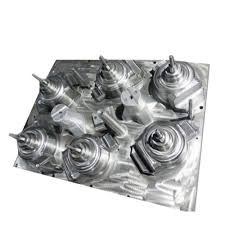
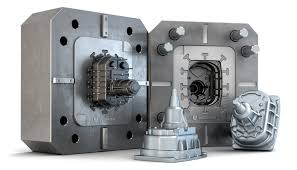
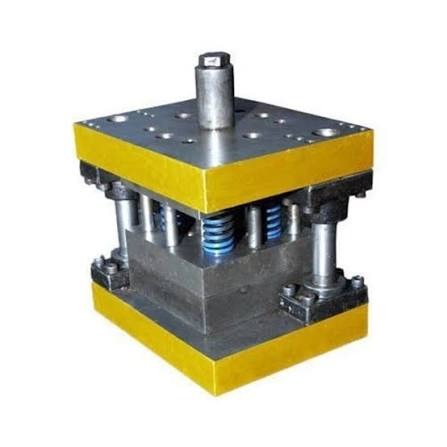
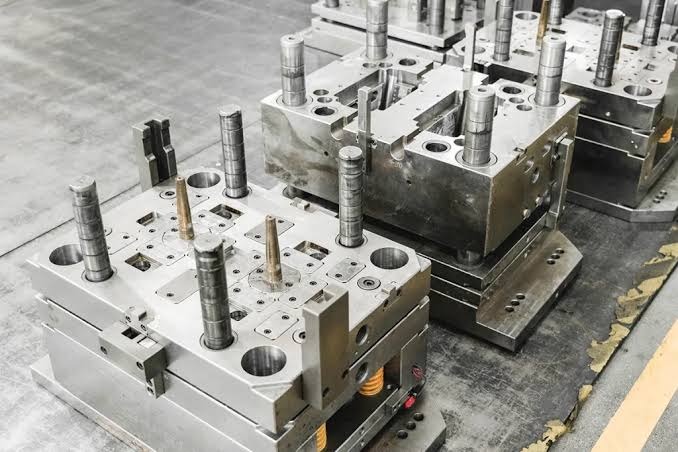
Precision injection molding core and cavity inserts represent the critical interior shaping elements of plastic injection molds, engineered to define the exterior geometry and internal features of molded plastic products. Manufactured from premium tool steels such as S136 stainless or NAK80, these inserts undergo precision CNC machining, electrical discharge machining (EDM), and rigorous heat treatment to withstand millions of high-pressure injection cycles. The core shapes the internal contours while the cavity forms the exterior surface, working together under extreme clamp force and molten plastic flow. Produced under strict metrological standards, each insert features optimized cooling channels to reduce cycle times and eliminate part warping. It serves as an essential tooling asset for mold makers, medical device manufacturers, and automotive plastic suppliers.

Specifications

Key Attributes
Material TypePre-hardened or vacuum heat-treated tool steel (P20, NAK80, S136, or H13)
Tolerance Range5 mm
CertificationsISO
Hardness RatingCore and cavity hardness ranging from 38 HRC up to 54 HRC
Surface FinishMirror-polished SPI A1 finish, texture grain, or DLC anti-friction coating
Cooling Channel TypeCNC-machined conformal cooling passages for fast heat dissipation
Additional Information
Country of OriginIndia

Application

Forms the interior and exterior shape of complex plastic housings, enclosures, and automotive trim pieces.

Replicates intricate snap-fits, screw bosses, and internal ribs inside molded thermoplastic parts.

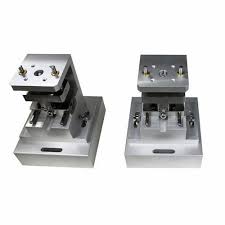
Operates as interchangeable insert blocks within modular master mold bases to facilitate multi-product runs.

Provides high surface polish for clear optical lenses, medical syringes, and transparent containers.

Withstands glass-filled resin abrasion during high-speed molding of engineering polymers.

Upgrades soft aluminum prototype tooling into long-life, production-grade steel core and cavity sets.

Company Profile

Krishna Automation, Tamil Nadu
TruBasic
IndiaTamil Nadu, India
15 yrs
Manufacturer
Turn Over

₹25 Lakhs – ₹1 Crore

Factory Details
Contract ManufacturingOEM Service
Main Markets
India
Frequently Asked Questions
1
What primary materials are used to manufacture core and cavity inserts?

They are built using high-grade tool steels including P20, NAK80, S136 corrosion-resistant stainless, and H13 hot-work steel.

2
What is the operational difference between the core and cavity in a mold?

The cavity insert forms the outer surface (A-side) of the plastic component, while the core insert forms the internal geometry (B-side) and houses the ejection mechanism.

3
How do conformal cooling channels improve injection molding performance?

Conformal cooling channels follow the exact contour of the part cavity, providing uniform heat extraction, reducing cycle times, and preventing thermal warpage.

4
What surface finishes can be applied to the cavity insert?

Cavity surfaces can be finished to an SPI A1 mirror polish for clear parts, or textured with VDI/chemical grain patterns for matte and non-slip plastic surfaces.

5
How many injection cycles can a hardened steel core and cavity withstand?

Depending on steel selection and plastic resin abrasiveness, hardened steel inserts last between 500,000 and over 1,000,000 shot cycles.

Precision Injection Molding Core and Cavity Insert

Precision injection molding core and cavity inserts offer a high-hardness, mirror-polished, and dimensionally accurate tooling solution designed to form complex plastic components during high-volume thermoplastic injection. Engineered from premium tool steel for high thermal conductivity and wear resistance, these custom-machined inserts ensure rapid cooling cycles and flawless surface finishes across plastic manufacturing industries.

Min. Order Quantity: 1 piece

Shipping

Shipping fee and delivery date to be negotiated. Contact supplier now for more details.

Krishna Automation
TruBasic
IndiaTamil Nadu, India
Manufacturer

More Products From Supplier