IN
IN₹
Description
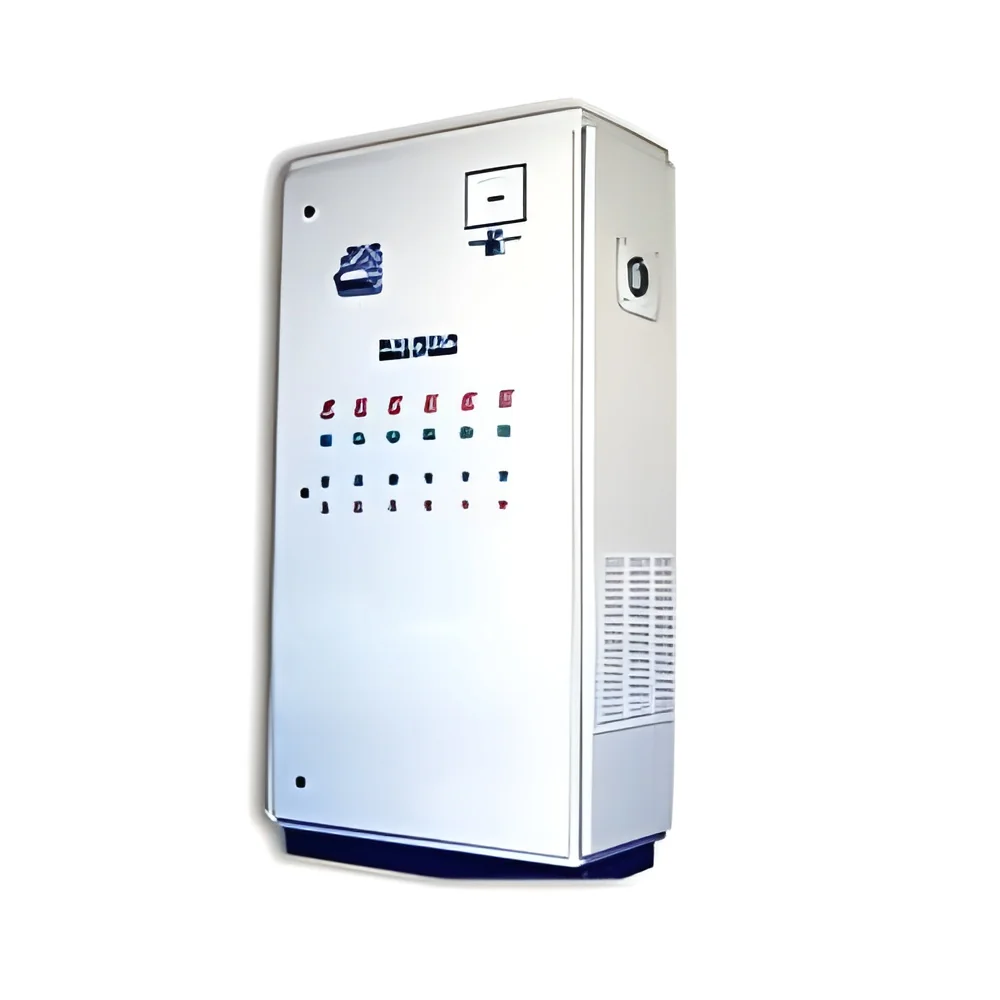
Our industrial power factor control panels are sophisticated electrical systems engineered to automatically correct inefficient power factor in demanding industrial environments. These panels continuously monitor electrical loads, detecting inductive lagging power factor caused by motors, transformers, and other reactive equipment. Utilizing advanced microprocessor technology, they analyze voltage and current phase relationships, then strategically activate capacitor banks to bring power factor closer to unity. This intelligent process significantly reduces reactive power consumption, minimizes energy waste, and optimizes your entire electrical system's performance. The panels feature rugged construction, intuitive interfaces, and reliable operation specifically designed for industrial settings where consistent performance matters most.

These control panels deliver critical benefits across multiple industries where electrical efficiency directly impacts operational costs and productiv...
Our industrial power factor control panels are sophisticated electrical systems engineered to automatically correct inefficient power factor in demanding industrial environments. These panels continuously monitor electrical loads, detecting inductive lagging power factor caused by motors, transformers, and other reactive equipment. Utilizing advanced microprocessor technology, they analyze voltage and current phase relationships, then strategically activate capacitor banks to bring power factor closer to unity. This intelligent process significantly reduces reactive power consumption, minimizes energy waste, and optimizes your entire electrical system's performance. The panels feature rugged construction, intuitive interfaces, and reliable operation specifically designed for industrial settings where consistent performance matters most.

These control panels deliver critical benefits across multiple industries where electrical efficiency directly impacts operational costs and productivity. Manufacturing facilities implement them to optimize production lines with multiple motors and heavy machinery. Textile mills rely on these systems to manage power consumption across weaving, spinning, and processing operations. Large commercial buildings install them to regulate energy usage of HVAC systems, elevators, and extensive lighting networks. The automotive manufacturing sector depends on these panels for welding equipment, assembly lines, and paint shops, while water treatment plants utilize them for pump stations and filtration systems. Any industry with significant inductive loading achieves substantial improvements in power quality and operational savings.

Investing in our power factor control panels delivers measurable business value through immediate cost reduction and long-term operational advantages. These systems typically reduce electricity expenses by minimizing reactive power charges and avoiding utility penalties for poor power factor compliance. The enhanced electrical efficiency extends the operational lifespan of motors, transformers, and connected equipment by reducing heat generation and preventing voltage fluctuations. Our panels are engineered for maximum reliability, incorporating quality components, protective mechanisms, and durable enclosures suitable for challenging industrial conditions. The proven technology ensures consistent performance and rapid return on investment through energy savings and improved equipment protection.

Key Features:
- Microprocessor-based automatic power factor correction
- Real-time monitoring of voltage, current, and phase relationships
- Strategic capacitor bank switching configurations
- Robust industrial-grade construction and components
- User-friendly interface with comprehensive display and control options

Benefits:
- Significant reduction in electricity costs and utility penalties
- Extended equipment lifespan through improved power quality
- Enhanced system reliability with industrial-grade components
- Automatic operation requiring minimal manual intervention
- Compliance with utility power factor standards and regulations
Specifications
| Additional Information | |
|---|---|
| Country of Origin | India |
Application
Power factor control panels are essential for industrial facilities with heavy inductive loads like motors, transformers, and machinery. These systems automatically monitor and correct poor power factor by switching capacitor banks, ensuring optimal electrical efficiency and compliance with utility standards. They prevent power wastage and reduce reactive power charges effectively.
These panels serve diverse sectors including manufacturing plants, textile mills, automotive factories, and commercial buildings. Their microprocessor-based technology provides precise control, adapting to fluctuating loads in real-time. Industries benefit from reduced electricity bills, improved voltage regulation, and extended equipment durability while meeting strict power quality requirements consistently.
- Manufacturing plants with motor-driven assembly lines and machinery
- Textile mills operating numerous induction motors and looms
- Automotive factories using welding equipment and large compressors
- Commercial buildings with HVAC systems, elevators, and lighting networks
- Water treatment facilities employing pumps and processing equipment
Trade Details
| Available Stock | In Stock |
| Sample Availability | No |
Payment Terms
| Payment Terms |
|
Company Profile
Bhagwati Electrical Trading Co, Haryana
 Haryana, India
Haryana, IndiaElectronics & Electrical•Manufacturer•Retailer
Factory Details
Factory SizeBelow 1000 sqm
Annual Production Capacity0
Main Markets
South Asia
Industrial Power Factor Control Panels For Energy Efficiency
Industrial Power Factor Control Panels automatically correct inductive lagging PF, reduce electricity costs, and extend equipment lifespan. Reliable energy efficiency solutions trusted by manufacturers globally for optimal electrical performance.
Min. Order Quantity: 1 unit
Shipping
Shipping fee and delivery date to be negotiated. Contact supplier now for more details.
Bhagwati Electrical Trading Co
 Haryana, India
Haryana, IndiaElectronics & ElectricalManufacturer