IN
IN₹
Apparel & Fashion
Loading subcategories...
View More
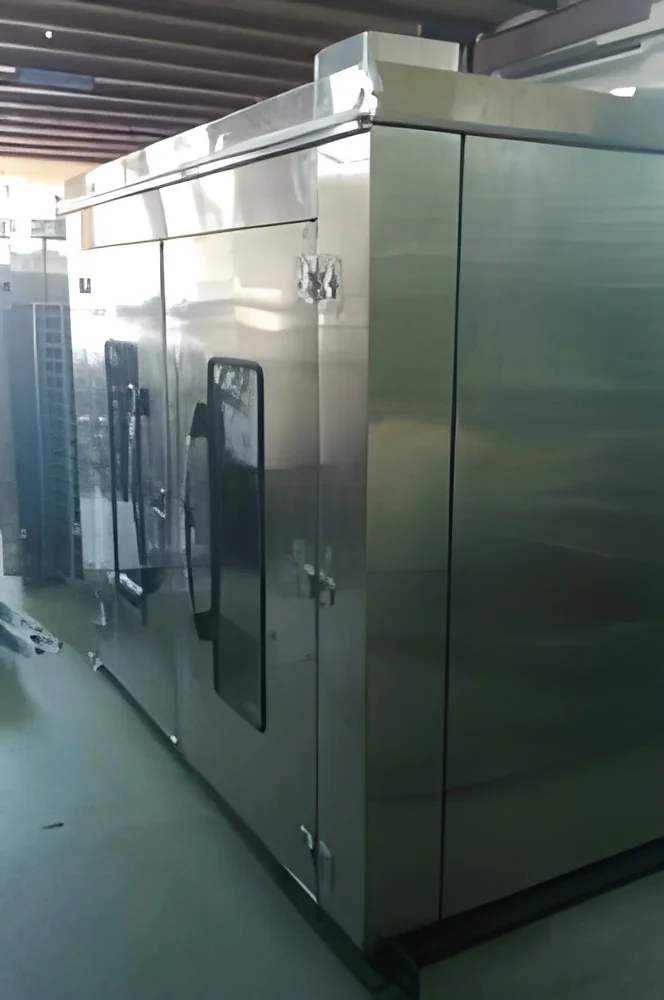
Description
Industrial Metal Casting Pouring Chambers are precision-engineered components designed for automated foundry systems. They provide a controlled pathway for molten metal, ensuring accurate delivery from furnace to mold. Constructed from specialized, heat-resistant materials, these chambers are built to endure the harsh conditions of continuous metal casting operations. Their primary function is to replace manual ladling, enabling consistent, repeatable pours that are critical for modern, high-volume manufacturing. This focus on precision and automation directly translates to improved product quality, reduced material waste, and enhanced operator safety on the foundry floor. These pouring chambers are indispensable across heavy industries that rely on metal casting. In automotive manufacturing, they are used to produce critical engine and drivetrain components where dimensional accuracy is non-negotiable. The aerospace sector utilizes them for casting complex, high-strength parts like tu...
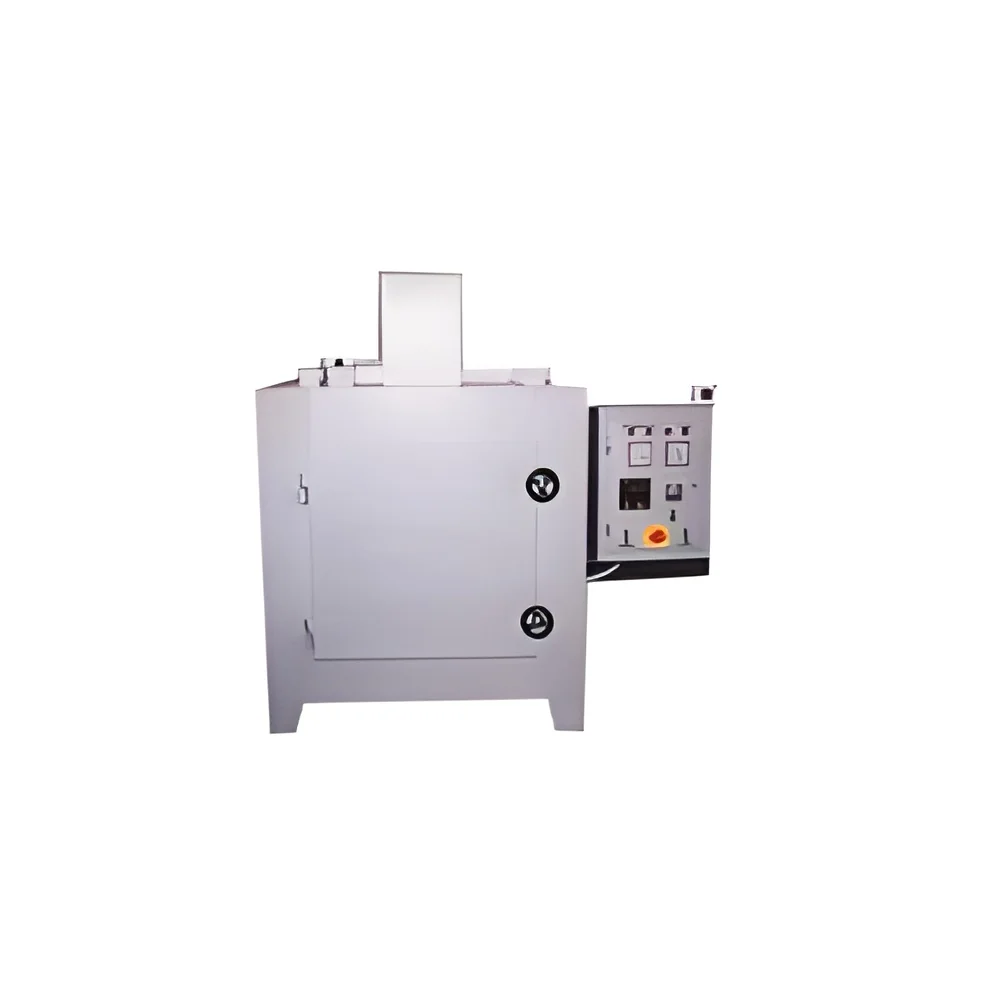
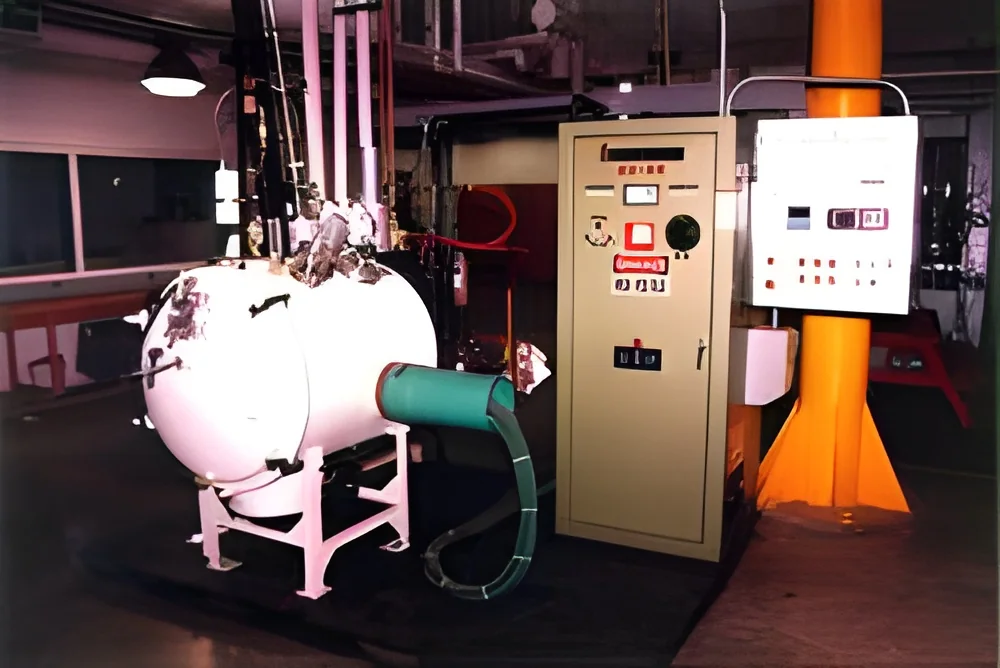
Industrial Metal Casting Pouring Chambers are precision-engineered components designed for automated foundry systems. They provide a controlled pathway for molten metal, ensuring accurate delivery from furnace to mold. Constructed from specialized, heat-resistant materials, these chambers are built to endure the harsh conditions of continuous metal casting operations. Their primary function is to replace manual ladling, enabling consistent, repeatable pours that are critical for modern, high-volume manufacturing. This focus on precision and automation directly translates to improved product quality, reduced material waste, and enhanced operator safety on the foundry floor.

These pouring chambers are indispensable across heavy industries that rely on metal casting. In automotive manufacturing, they are used to produce critical engine and drivetrain components where dimensional accuracy is non-negotiable. The aerospace sector utilizes them for casting complex, high-strength parts like turbine blades that demand flawless material properties. Industrial machinery builders depend on them for creating large, wear-resistant components. Furthermore, foundries specializing in ductile iron, steel, or aluminum alloys integrate these chambers into their automated lines to achieve superior process control and output consistency for a wide range of industrial castings.

The business value of these pouring chambers stems from their exceptional reliability and contribution to operational efficiency. By ensuring precise pouring, they minimize scrap rates and rework, leading to significant material cost savings. Their durable construction reduces unplanned downtime and maintenance frequency, maximizing equipment uptime. The seamless integration with automation lowers labor costs and mitigates safety risks associated with manual handling of molten metal. This combination of precision, durability, and automation-readiness delivers a strong return on investment by streamlining the core casting process, enhancing overall equipment effectiveness, and supporting the production of higher-quality cast components.

Key Features:
- Fabricated from advanced refractory and alloy materials for superior heat and corrosion resistance.
- Engineered for precise molten metal flow control to ensure consistent casting fill rates.
- Designed for direct compatibility with robotic arms, automated ladles, and programmable logic controllers.
- Features a robust structure to withstand thermal shock and mechanical stress in continuous operation.
- Allows for stable, splash-free metal transfer, critical for maintaining a safe working environment.

Benefits:
- Enhances casting quality and dimensional accuracy by providing consistent, controlled metal delivery.
- Increases production throughput and efficiency by enabling reliable, automated pouring cycles.
- Reduces operational costs by minimizing metal waste, spillage, and associated material loss.
- Improves workplace safety by automating the high-risk task of handling molten metal.
- Delivers long-term reliability and lower total cost of ownership through durable, low-maintenance design.
Specifications
| Additional Information | |
|---|---|
| Country of Origin | India |
| Customisable | No |
Application
Industrial pouring chambers are engineered for the precise and controlled transfer of molten metal in automated foundry environments. They are built to withstand extreme temperatures and corrosive materials, ensuring consistent performance and minimizing spillage during critical casting operations. This reliability is essential for maintaining production quality and operational safety in high-temperature industrial settings.
These chambers serve as a vital link in automated metal casting lines, facilitating accurate pouring for complex component manufacturing. Their robust construction and design compatibility allow for smooth integration with existing automation controls and robotic systems. This integration supports continuous, high-volume production cycles while reducing manual intervention and associated risks.
- Automotive foundries for casting engine blocks, cylinder heads, and transmission housings with precise metal flow.
- Aerospace component manufacturing for producing turbine blades, structural brackets, and other high-integrity parts.
- Industrial valve and pump production where corrosion-resistant castings require accurate molten metal dispensing.
- Heavy machinery manufacturing for creating durable gears, housings, and structural components via automated casting.
- General metal casting foundries handling iron, steel, and aluminum for various industrial and consumer parts.
Trade Details
| Available Stock | In Stock |
| Sample Availability | No |
Payment Terms
| Payment Terms |
|
Company Profile
Abhishek Enterprises, Maharashtra
 Maharashtra, India
Maharashtra, IndiaIndustrial Equipment & Machinery•Manufacturer•Distributor / Wholesaler•Importer / Exporter
Factory Details
Factory SizeBelow 1000 sqm
Annual Production Capacity0
Industrial Metal Casting Pouring Chambers For Foundry Automation
Industrial Metal Casting Pouring Chambers for foundry automation ensure precise, reliable molten metal transfer. Engineered for seamless integration with automated systems to enhance process control and efficiency in demanding metal casting operations.
Min. Order Quantity: 1 unit
Shipping
Shipping fee and delivery date to be negotiated. Contact supplier now for more details.
Abhishek Enterprises
 Maharashtra, India
Maharashtra, IndiaIndustrial Equipment & MachineryManufacturerDistributor / WholesalerImporter / Exporter