IN
IN₹
Apparel & Fashion
Description
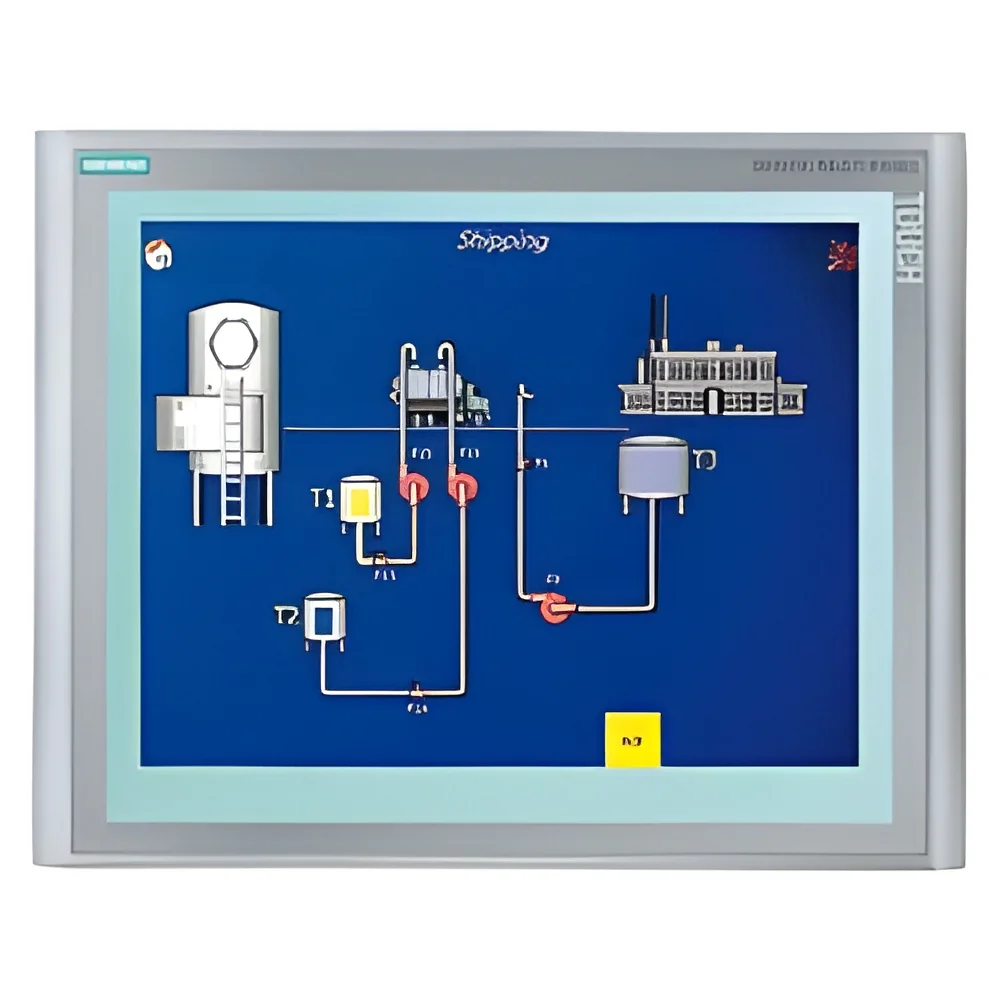
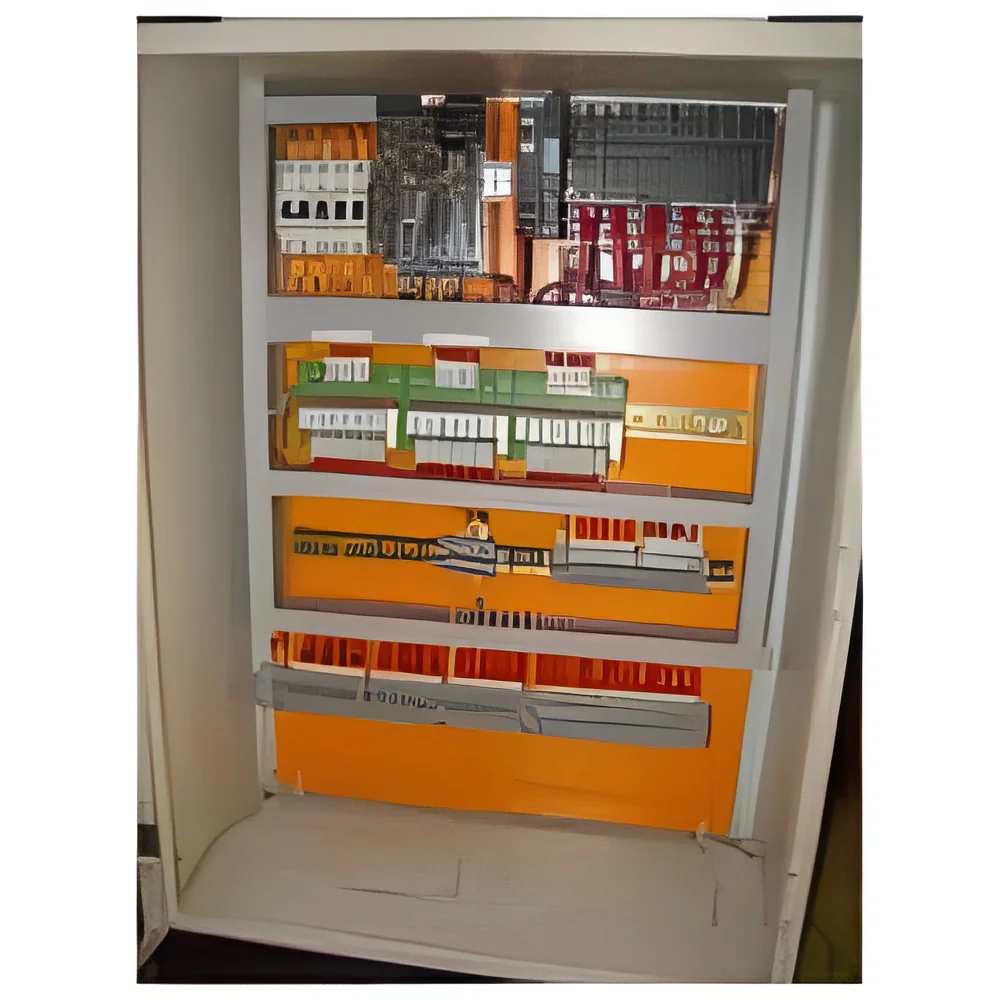
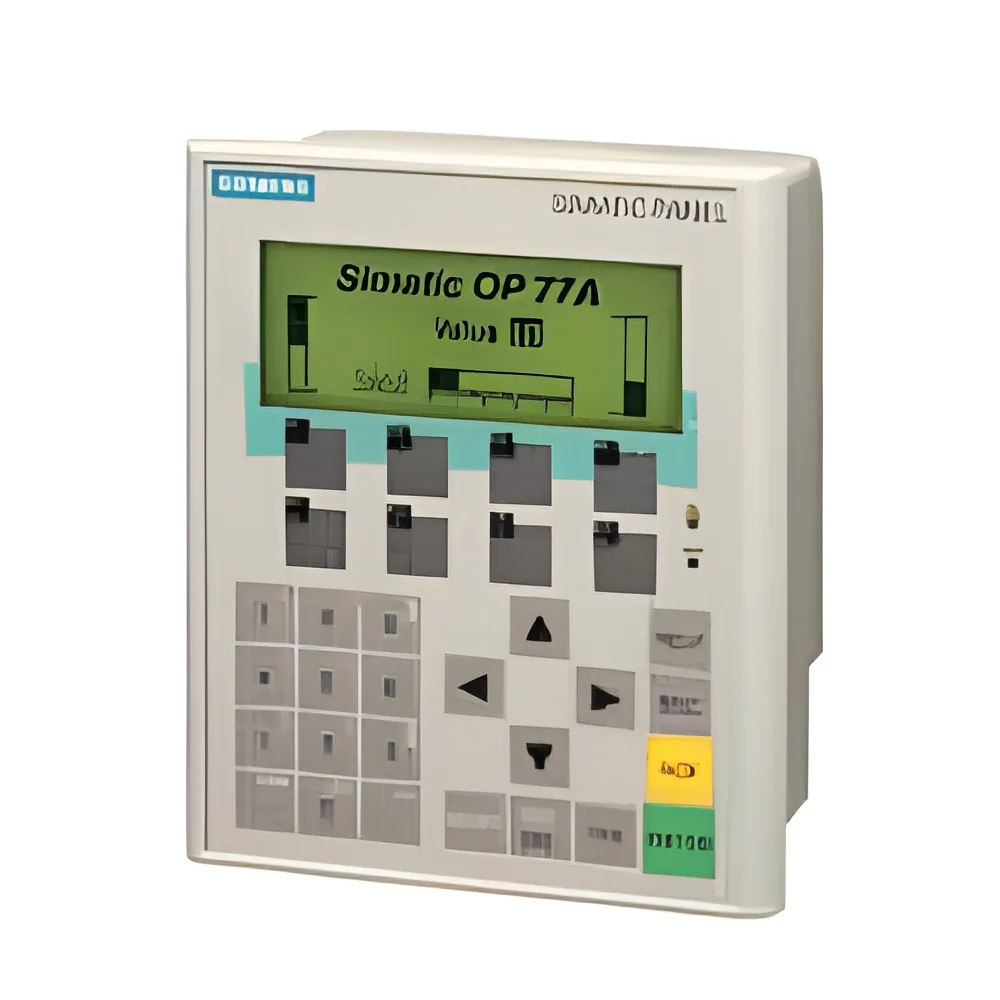
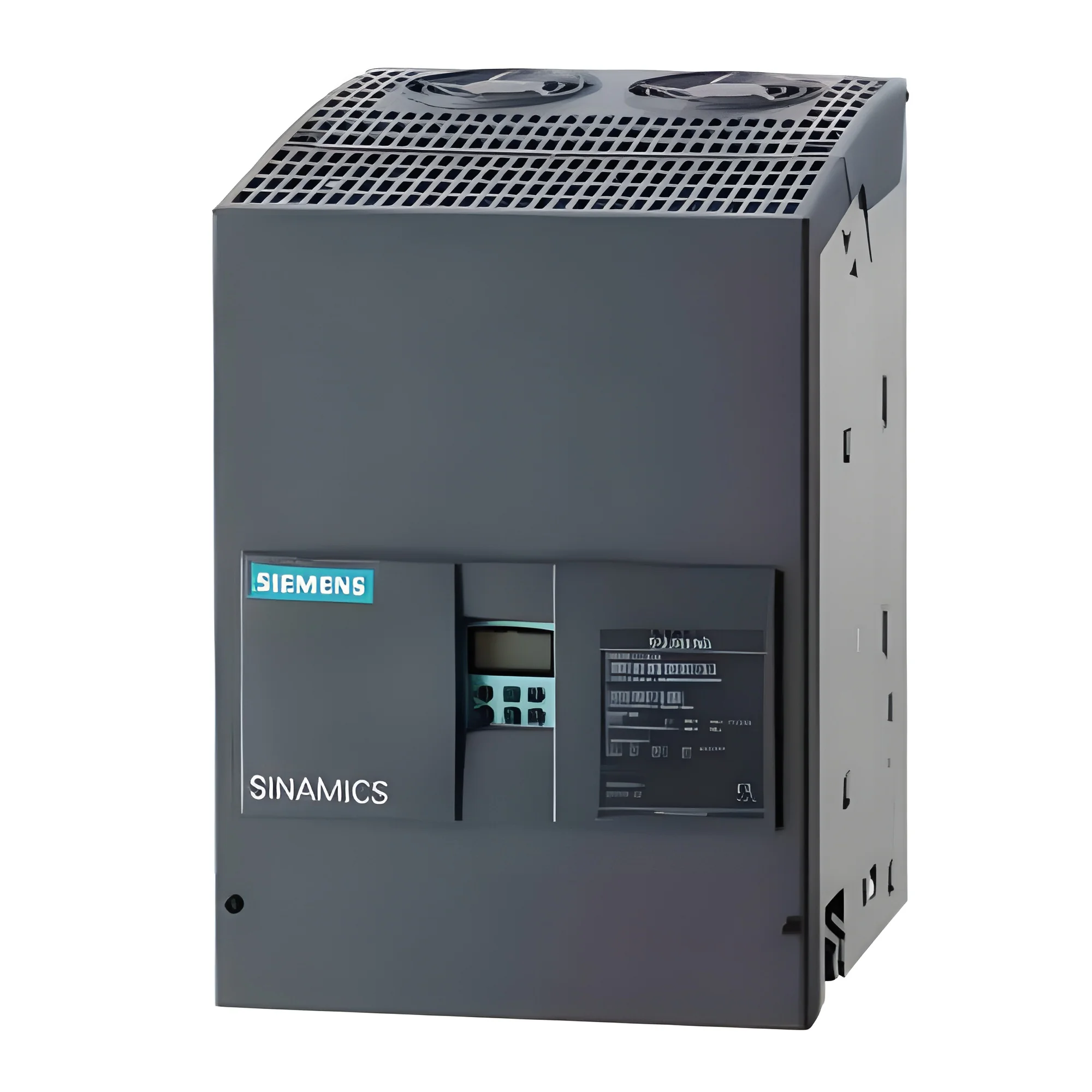
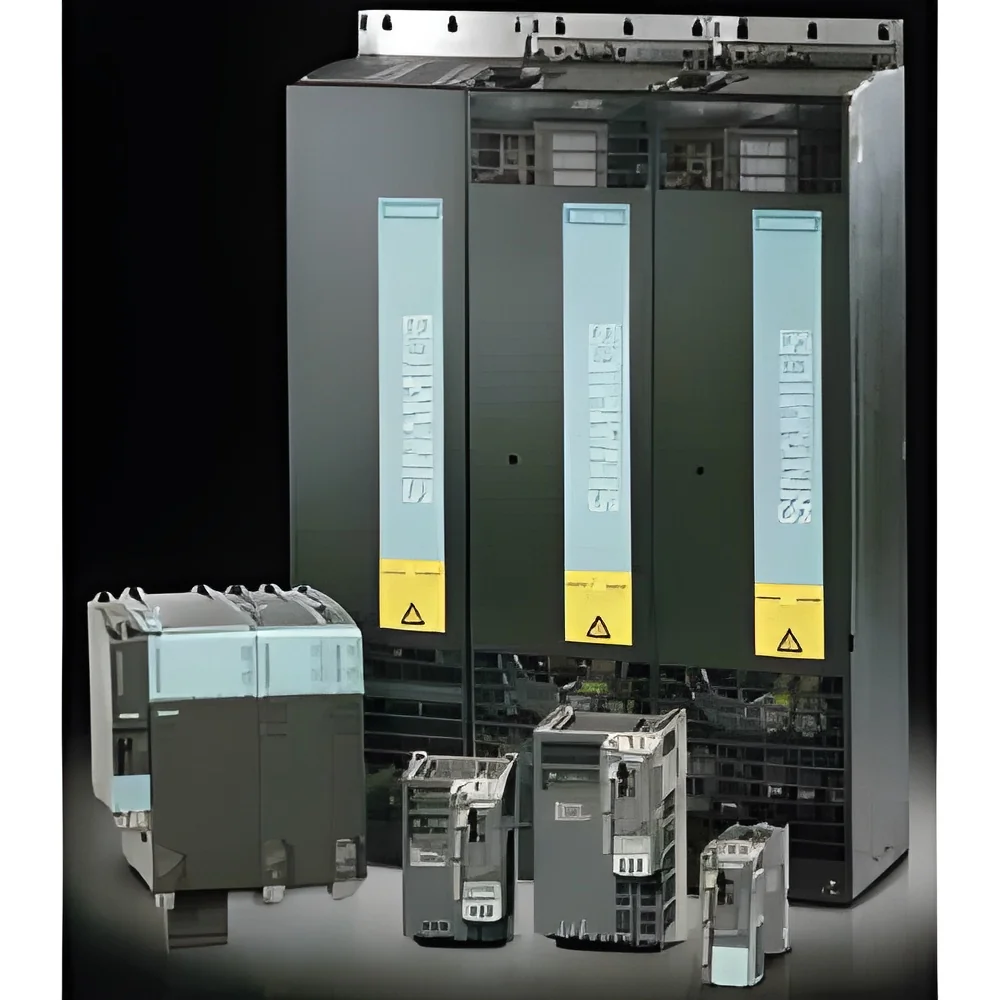
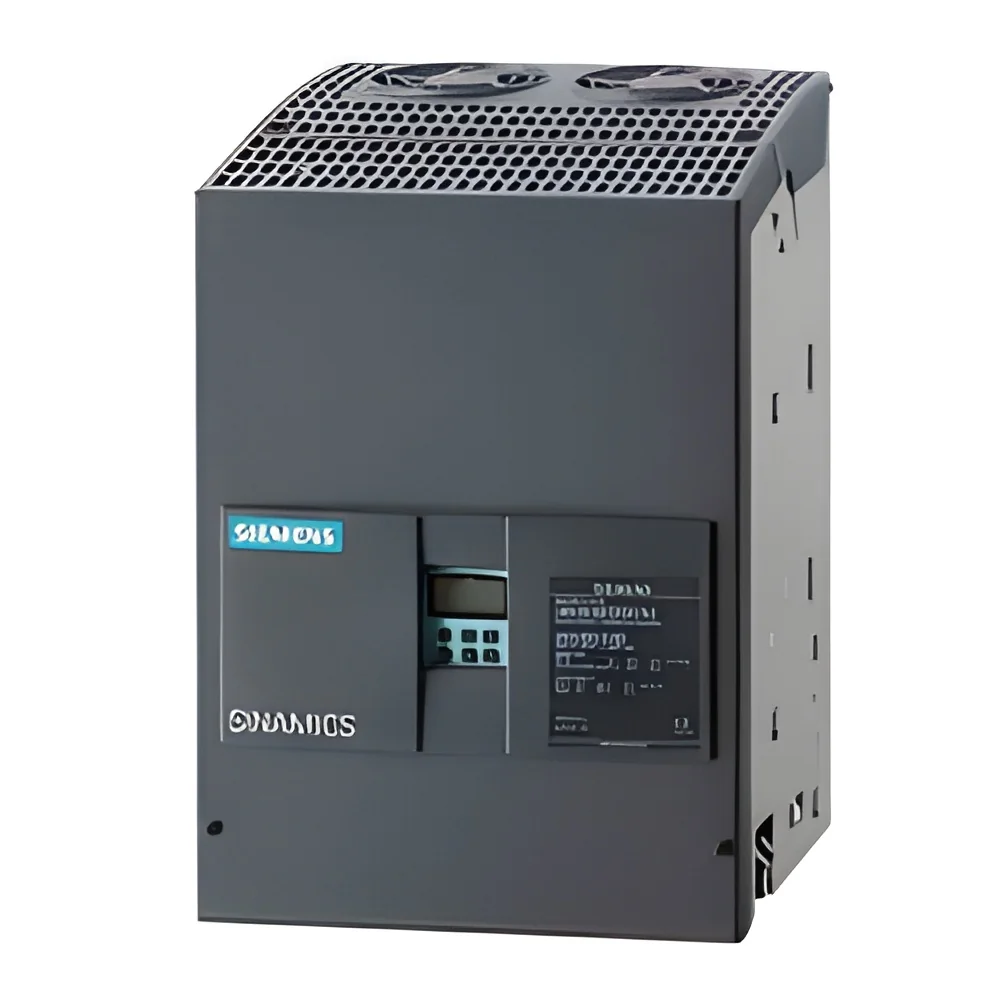
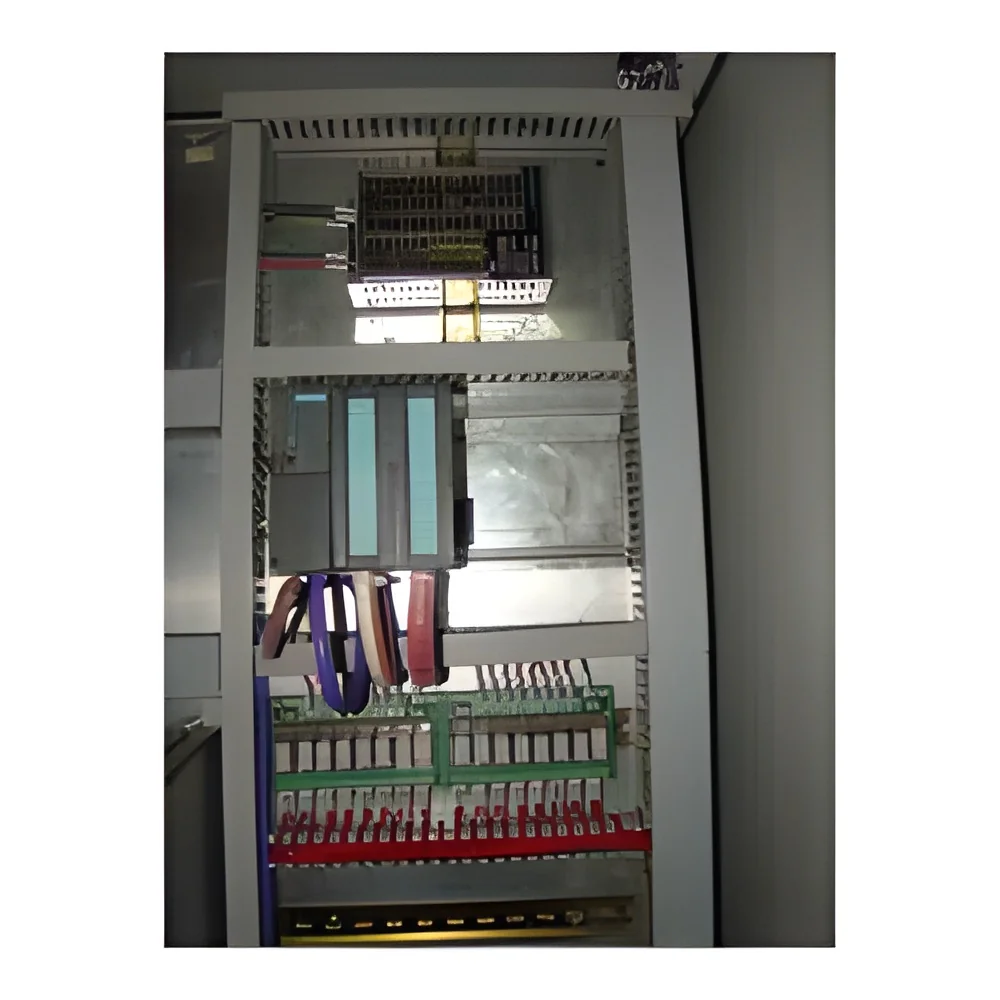
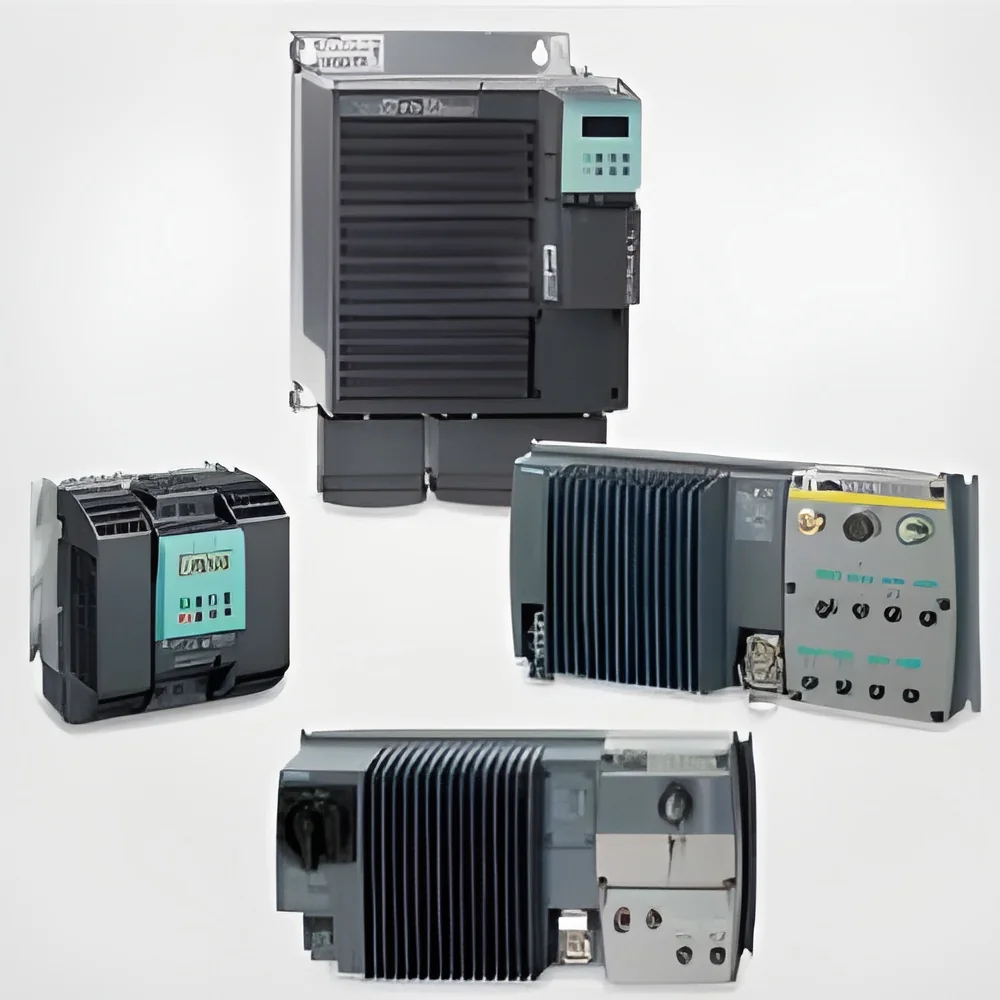
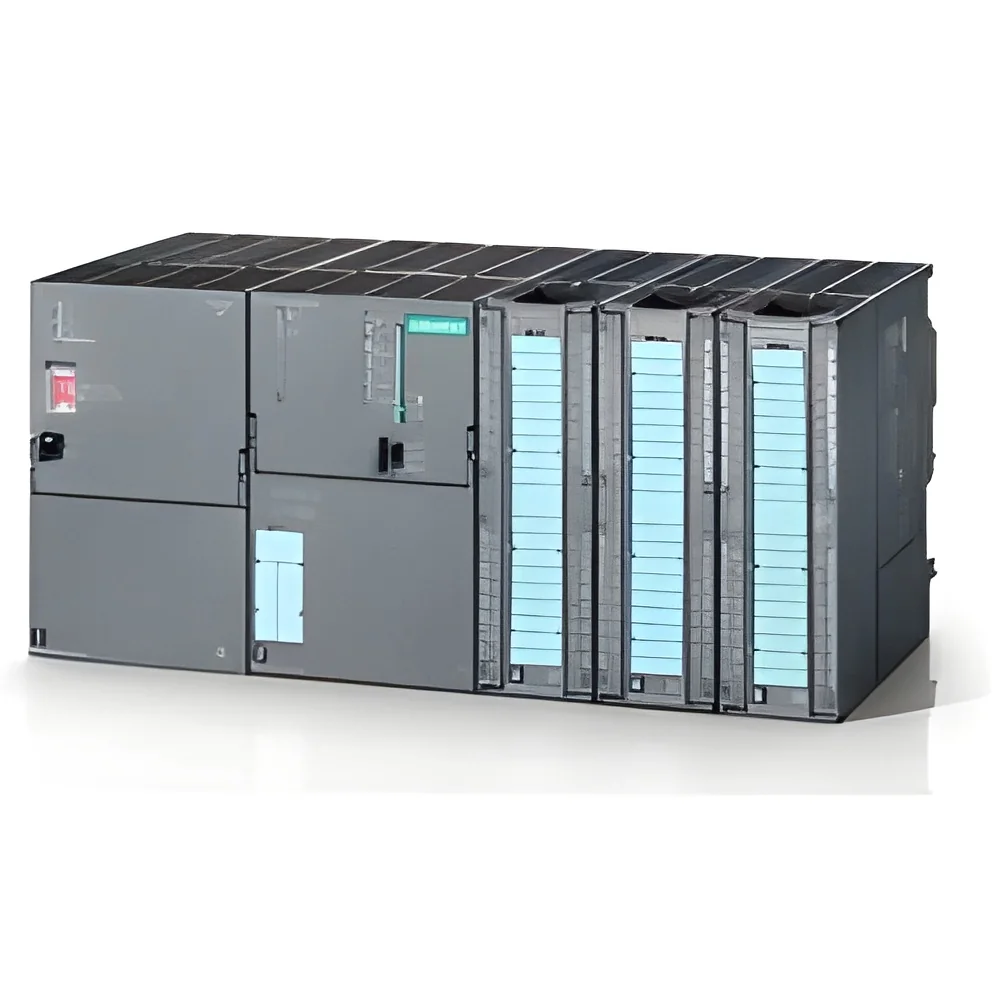
The Siemens S7 300 PLC Systems are engineered as the dependable core for industrial automation, where failure is not an option. Built with high-grade materials and advanced microprocessor technology, these programmable logic controllers are designed for resilience in challenging environments characterized by electrical noise, temperature fluctuations, and constant vibration. The series stands out for its modular architecture, allowing you to configure a system precisely tailored to your input/output requirements, processing power needs, and communication protocols. This flexibility, combined with Siemens' renowned engineering, creates a control solution trusted for its unwavering reliability and precise execution of complex automation sequences, ensuring your processes run smoothly and predictably.

These PLC systems are integral to operational success across a diverse range of industries. In automotive manufacturing, they provide the precise timing and coordination required for roboti...
The Siemens S7 300 PLC Systems are engineered as the dependable core for industrial automation, where failure is not an option. Built with high-grade materials and advanced microprocessor technology, these programmable logic controllers are designed for resilience in challenging environments characterized by electrical noise, temperature fluctuations, and constant vibration. The series stands out for its modular architecture, allowing you to configure a system precisely tailored to your input/output requirements, processing power needs, and communication protocols. This flexibility, combined with Siemens' renowned engineering, creates a control solution trusted for its unwavering reliability and precise execution of complex automation sequences, ensuring your processes run smoothly and predictably.

These PLC systems are integral to operational success across a diverse range of industries. In automotive manufacturing, they provide the precise timing and coordination required for robotic welding cells and automated assembly stations. The pharmaceutical and food & beverage sectors utilize them to enforce strict process parameters, ensuring product consistency and compliance with safety regulations. Water and wastewater treatment plants depend on their robust operation to manage critical pumping and filtration cycles. Furthermore, they are found controlling packaging machinery, material handling systems in warehouses, and even integrated building management systems, demonstrating exceptional versatility for both discrete manufacturing and continuous process control applications.

Investing in Siemens S7 300 PLC Systems delivers tangible business value through enhanced operational efficiency and reduced risk. Their proven reliability directly translates to higher overall equipment effectiveness (OEE) by minimizing unplanned stoppages. The modular design protects your investment, allowing for cost-effective future expansion as your needs grow without requiring a complete system overhaul. Compatibility with the broader Siemens automation ecosystem, including software like STEP 7, ensures easier integration, streamlined programming, and access to comprehensive diagnostic tools for proactive maintenance. This combination of durability, flexibility, and support provides long-term operational stability and a lower total cost of ownership, giving plant managers and engineers confidence in their automation infrastructure.

Key Features:
- Modular design for flexible configuration and scalable expansion of I/O and functionality.
- High-performance processors capable of executing complex control tasks with fast cycle times.
- Robust construction with industrial-grade components for reliable operation in harsh conditions.
- Extensive communication interfaces including PROFIBUS and Industrial Ethernet for seamless network integration.
- Comprehensive diagnostic and monitoring functions to enable predictive maintenance and quick troubleshooting.

Benefits:
- Maximizes production uptime and efficiency through proven, reliable performance in critical applications.
- Reduces long-term costs via a durable design that minimizes maintenance needs and allows scalable upgrades.
- Simplifies system integration and programming through compatibility with standard Siemens software and hardware.
- Enhances process control precision, leading to improved product quality and consistency.
- Provides operational peace of mind with robust diagnostics that help prevent failures before they occur.
Specifications
| Additional Information | |
|---|---|
| Country of Origin | India |
Application
The Siemens S7 300 PLC Systems provide robust, modular control for complex industrial processes. They are engineered to handle demanding automation tasks with precision, managing everything from simple machine sequences to intricate, multi-axis production lines. Their reliability ensures continuous operation, minimizing unplanned downtime and protecting your productivity in critical manufacturing environments.
These systems are versatile powerhouses deployed across key industries. In automotive plants, they orchestrate robotic assembly. In food and pharmaceutical sectors, they ensure precise, hygienic process control. Water treatment facilities rely on them for managing pumps and filters, while packaging lines use them for high-speed coordination. Their scalability makes them ideal for both expanding existing operations and new installations, adapting to specific control needs seamlessly.
- Automating automotive assembly lines for consistent welding, painting, and part handling.
- Controlling precise batching, mixing, and filling processes in pharmaceutical production.
- Managing filtration, chemical dosing, and pump sequences in municipal water treatment plants.
- Overseeing packaging, palletizing, and labeling machinery in food and consumer goods manufacturing.
- Monitoring and controlling conveyor systems, sortation, and material handling in logistics centers.
Trade Details
| Available Stock | In Stock |
| Sample Availability | No |
Payment Terms
| Payment Terms |
|
Company Profile
Active Systems, Maharashtra
 Maharashtra, India
Maharashtra, IndiaIndustrial Equipment & Machinery•Manufacturer•Distributor / Wholesaler•Importer / Exporter
Factory Details
Factory SizeBelow 1000 sqm
Annual Production Capacity0
Industrial Automation Siemens S7 300 PLC Systems High Reliability
Siemens S7 300 PLC Systems deliver high-reliability industrial automation control for manufacturing, processing, and machinery. Built with advanced technology for superior performance in demanding applications.
Min. Order Quantity: 1 unit
Shipping
Shipping fee and delivery date to be negotiated. Contact supplier now for more details.
Active Systems
 Maharashtra, India
Maharashtra, IndiaIndustrial Equipment & MachineryManufacturer