IN
IN₹
Apparel & Fashion
Loading subcategories...
View More
Description
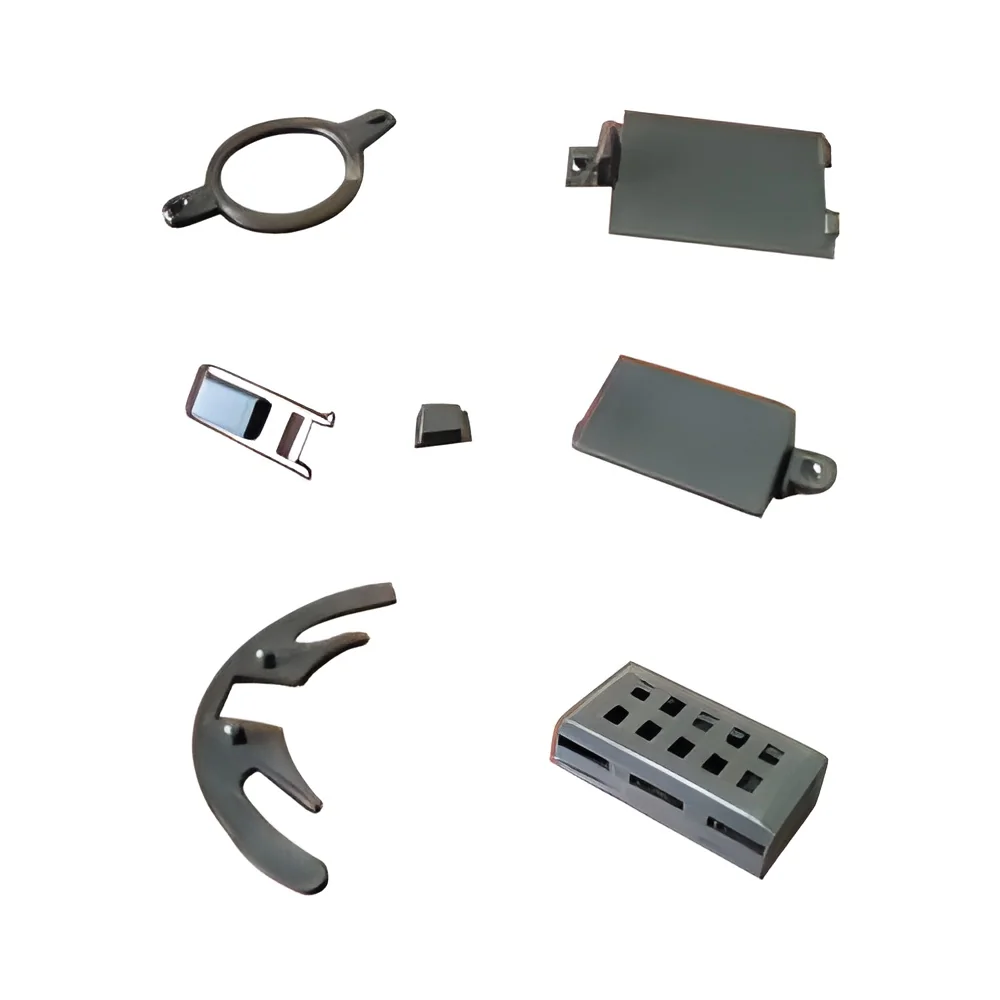
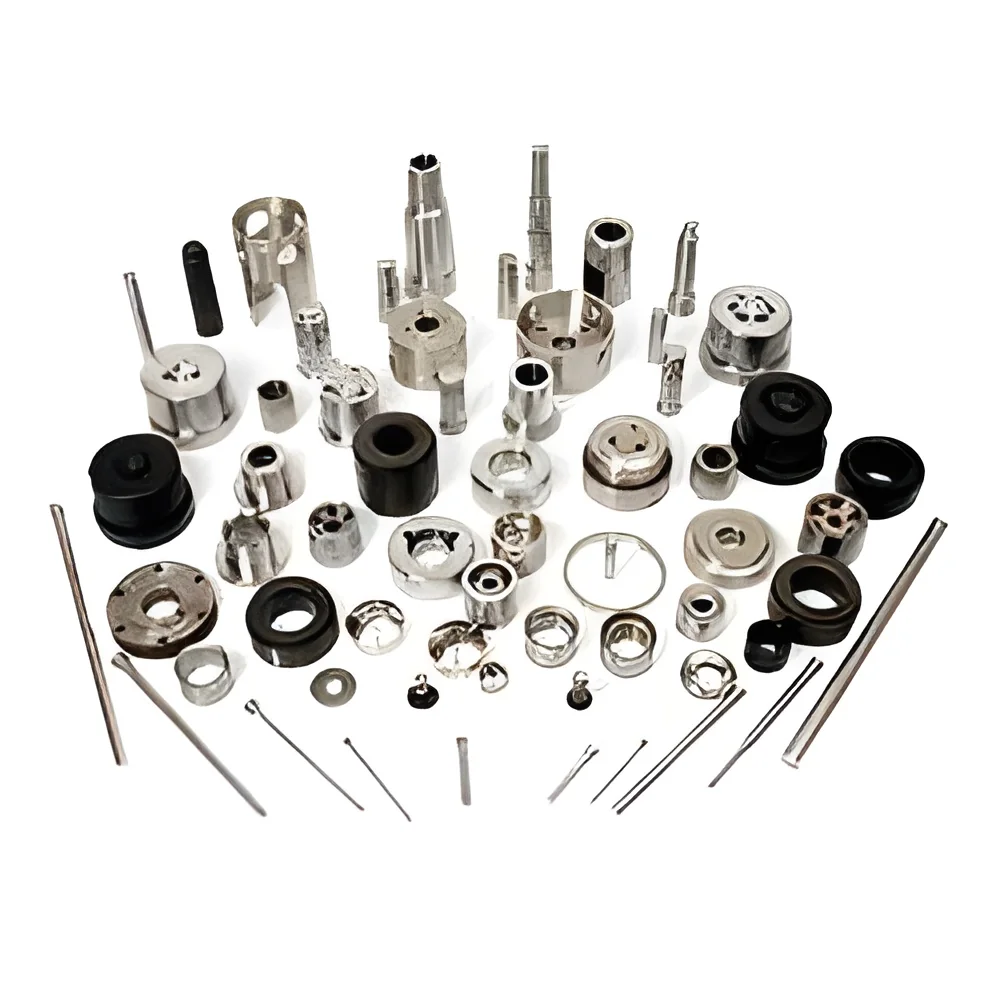
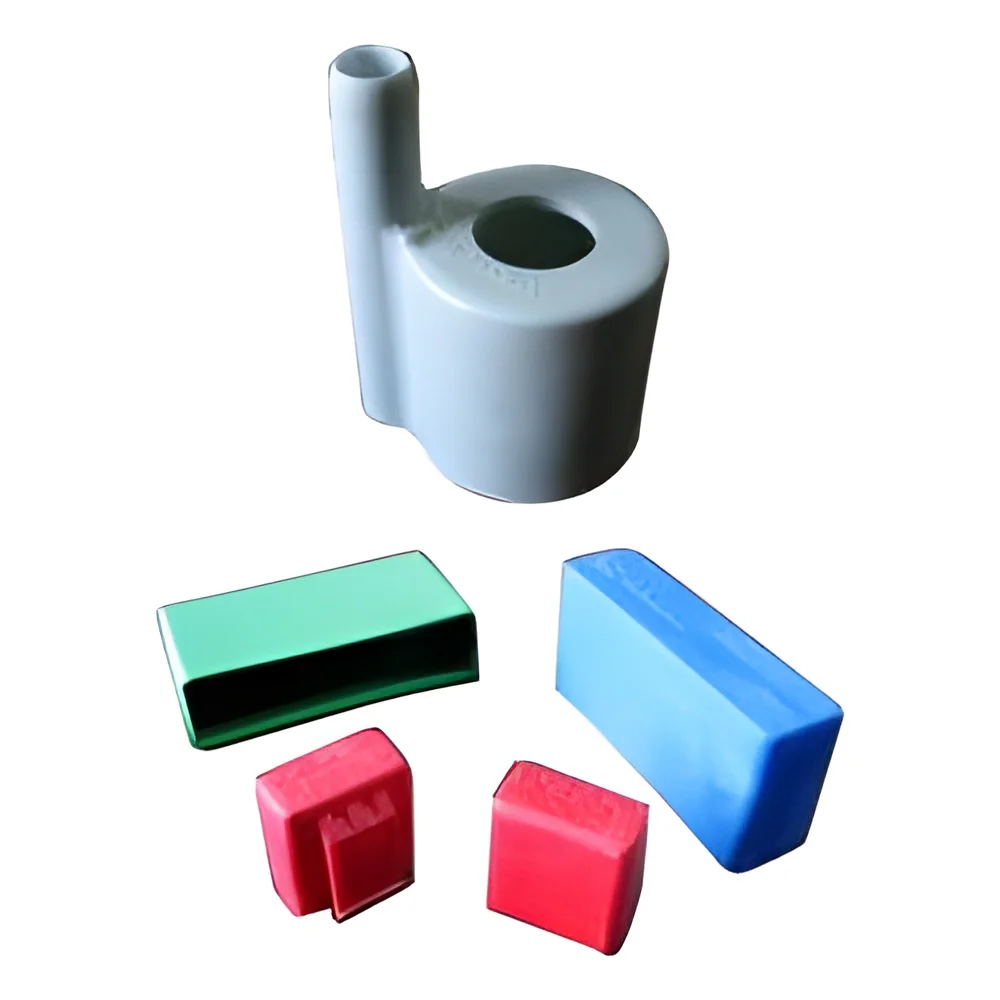
Precision plastic moulds represent the cornerstone of efficient, high-volume manufacturing for automotive and white goods industries. Engineered with exacting standards, these moulds transform raw plastic materials into consistent, high-tolerance components through injection molding processes. Each mould is designed to withstand continuous production cycles while maintaining dimensional stability and surface quality. The construction utilizes premium-grade steels and specialized surface treatments to resist wear, corrosion, and thermal stress. This focus on durability ensures consistent part quality across millions of cycles, reducing variation and minimizing production rejects. Manufacturers benefit from predictable performance that integrates seamlessly with automated production lines and quality control systems.

The automotive industry relies on these precision moulds for both interior and exterior vehicle components. Interior applications include dashboard assemblies, center conso...
Precision plastic moulds represent the cornerstone of efficient, high-volume manufacturing for automotive and white goods industries. Engineered with exacting standards, these moulds transform raw plastic materials into consistent, high-tolerance components through injection molding processes. Each mould is designed to withstand continuous production cycles while maintaining dimensional stability and surface quality. The construction utilizes premium-grade steels and specialized surface treatments to resist wear, corrosion, and thermal stress. This focus on durability ensures consistent part quality across millions of cycles, reducing variation and minimizing production rejects. Manufacturers benefit from predictable performance that integrates seamlessly with automated production lines and quality control systems.

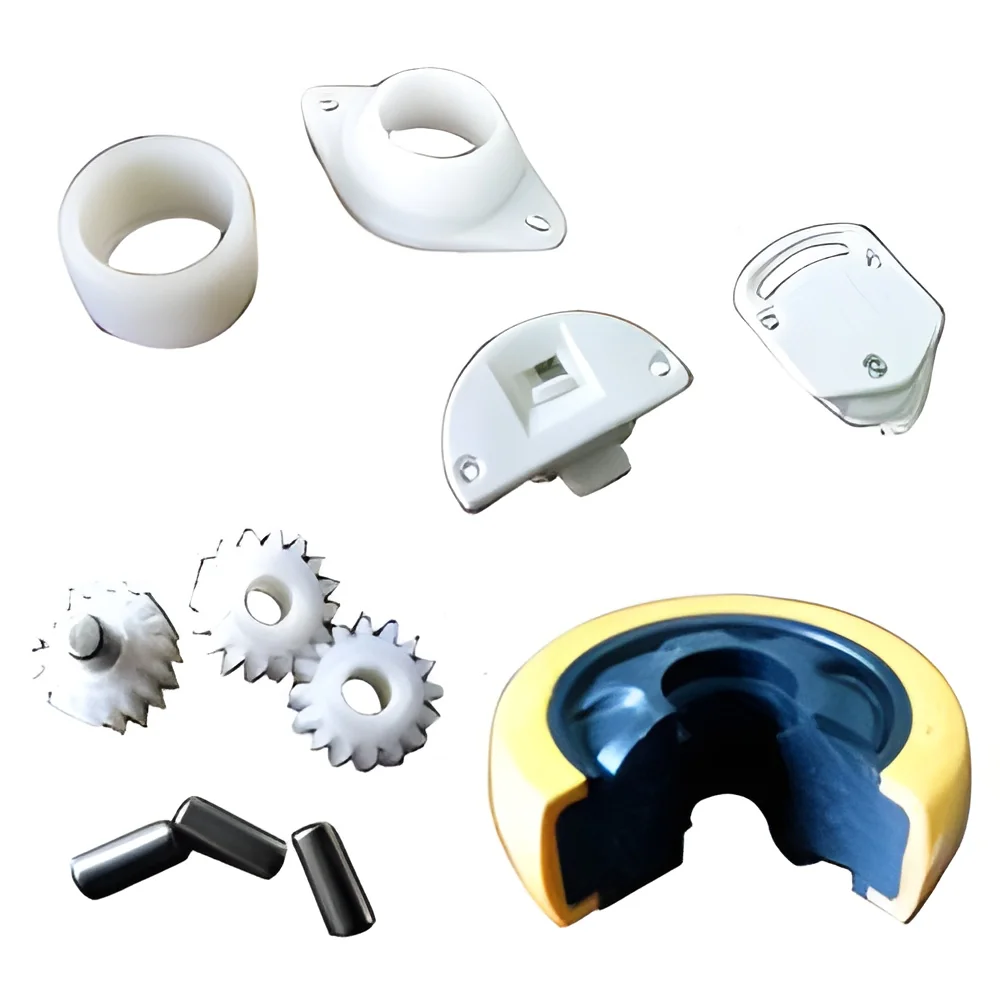
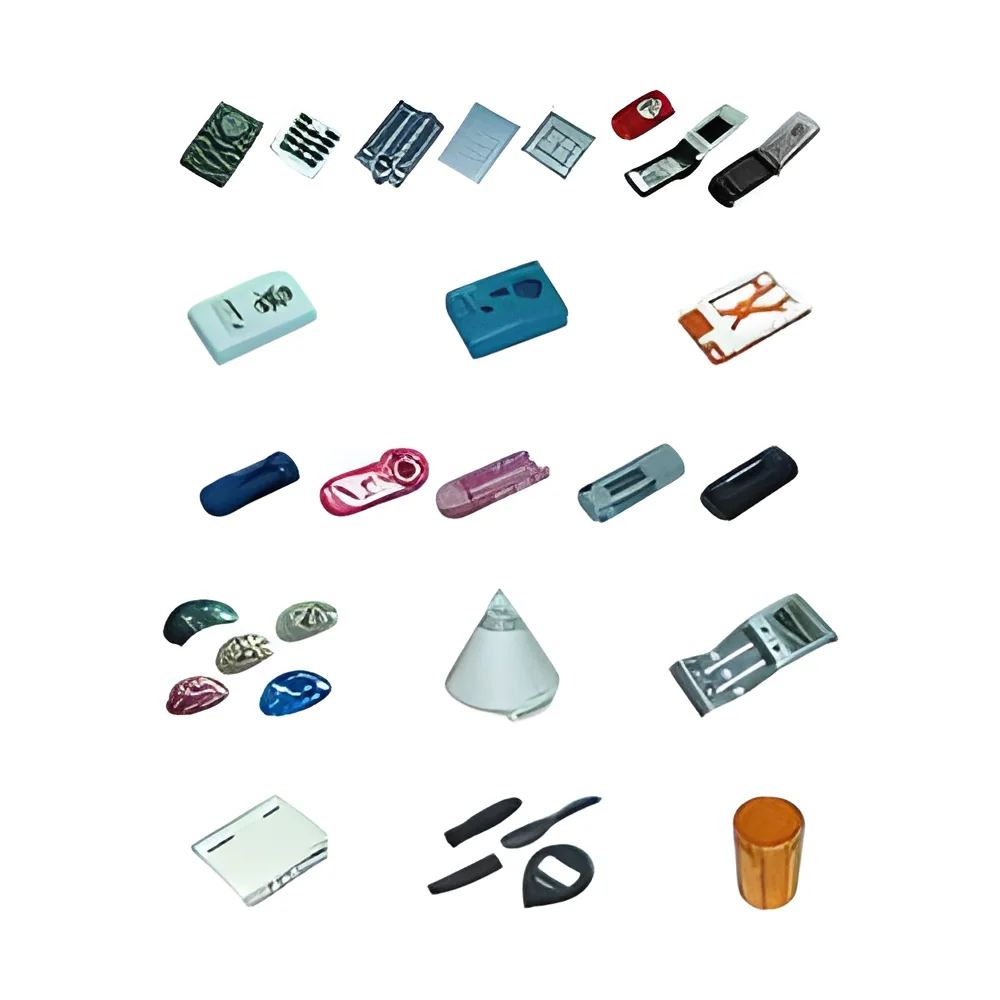
The automotive industry relies on these precision moulds for both interior and exterior vehicle components. Interior applications include dashboard assemblies, center consoles, door panels, and trim pieces that require Class A surface finishes and precise fitment. Exterior components such as bumper fascias, grilles, wheel arch liners, and mirror housings demand weather resistance, impact strength, and consistent color matching. White goods manufacturers utilize these moulds for refrigerator liners that maintain thermal properties, washing machine tubs that withstand mechanical stress, and air conditioner housings that provide structural support. Engineering sectors employ them for electrical enclosures, mechanical gears, and specialized components where dimensional accuracy directly impacts product functionality and safety compliance.

Business value is delivered through enhanced production efficiency, reduced per-part costs, and improved product quality. The precision engineering minimizes material waste and reduces secondary operations like trimming or machining. Long service life decreases tooling replacement frequency, while consistent performance reduces downtime for adjustments or repairs. Manufacturers gain competitive advantage through faster time-to-market and the ability to produce complex geometries that would be impractical with alternative methods. Reliability is built into every mould through rigorous testing, quality materials, and design optimization for specific plastic materials and production parameters. This reliability translates to predictable manufacturing schedules, consistent supply chain performance, and strengthened partnerships with component suppliers and OEMs.

Key Features:
- High-precision engineering for consistent dimensional accuracy across production runs
- Durable construction using corrosion-resistant steels and specialized surface treatments
- Optimized cooling and ejection systems for efficient cycle times and part release
- Designed for specific plastic materials including ABS, polypropylene, polycarbonate, and engineering grades
- Standardized mounting interfaces for easy integration with injection molding machines

Benefits:
- Reduced per-part manufacturing costs through efficient material usage and cycle times
- Consistent component quality that minimizes assembly issues and production rejects
- Extended service life that reduces tooling replacement and maintenance expenses
- Production flexibility to accommodate design changes and material substitutions
- Technical support for mold maintenance, troubleshooting, and optimization guidance
Specifications
| Additional Information | |
|---|---|
| Country of Origin | India |
| Customisable | No |
Application
Our precision plastic moulds are engineered for high-volume manufacturing of critical components in the automotive sector. They produce consistent interior trim, dashboard assemblies, under-hood parts, and exterior body panels with exacting dimensional accuracy. These moulds withstand rigorous production cycles while maintaining tight tolerances required for proper fit, finish, and assembly in vehicle manufacturing. The reliability ensures minimal downtime and consistent output quality across extended production runs.
In white goods manufacturing, these moulds create durable structural components and housings for refrigerators, washing machines, air conditioners, and kitchen appliances. They deliver excellent surface finish, structural integrity, and material efficiency for large plastic parts. The precision engineering enables complex geometries, integrated features, and thin-wall designs that reduce assembly steps and material usage. Manufacturers rely on these moulds for consistent production of components that meet safety standards and consumer durability expectations.
- Automotive interior components: dashboard panels, console assemblies, door trims, and pillar covers
- Automotive exterior parts: bumper fascias, grille components, wheel arch liners, and mirror housings
- White goods structural parts: refrigerator liners, washing machine tubs and bases, air conditioner housings
- Appliance functional components: control panel interfaces, door handles, dispenser assemblies, and covers
- Engineering components: electrical enclosure boxes, connector housings, gear assemblies, and custom mechanical parts
Trade Details
| Available Stock | In Stock |
| Sample Availability | No |
Payment Terms
| Payment Terms |
|
Company Profile
Mechanite Engineering Solutions, Maharashtra
 Maharashtra, India
Maharashtra, IndiaElectronics & Electrical•Manufacturer•Trading Company•Importer / Exporter
Factory Details
Factory SizeBelow 1000 sqm
Annual Production Capacity0
Precision Plastic Moulds For Automotive And White Goods Manufacturing
Precision plastic moulds for automotive and white goods manufacturing deliver high-tolerance components with reliable performance. Engineered for dimensional accuracy and durability in industrial production environments.
Min. Order Quantity: 1 unit
Shipping
Shipping fee and delivery date to be negotiated. Contact supplier now for more details.
Mechanite Engineering Solutions
 Maharashtra, India
Maharashtra, IndiaElectronics & ElectricalManufacturer