IN
IN₹
Apparel & Fashion
Description
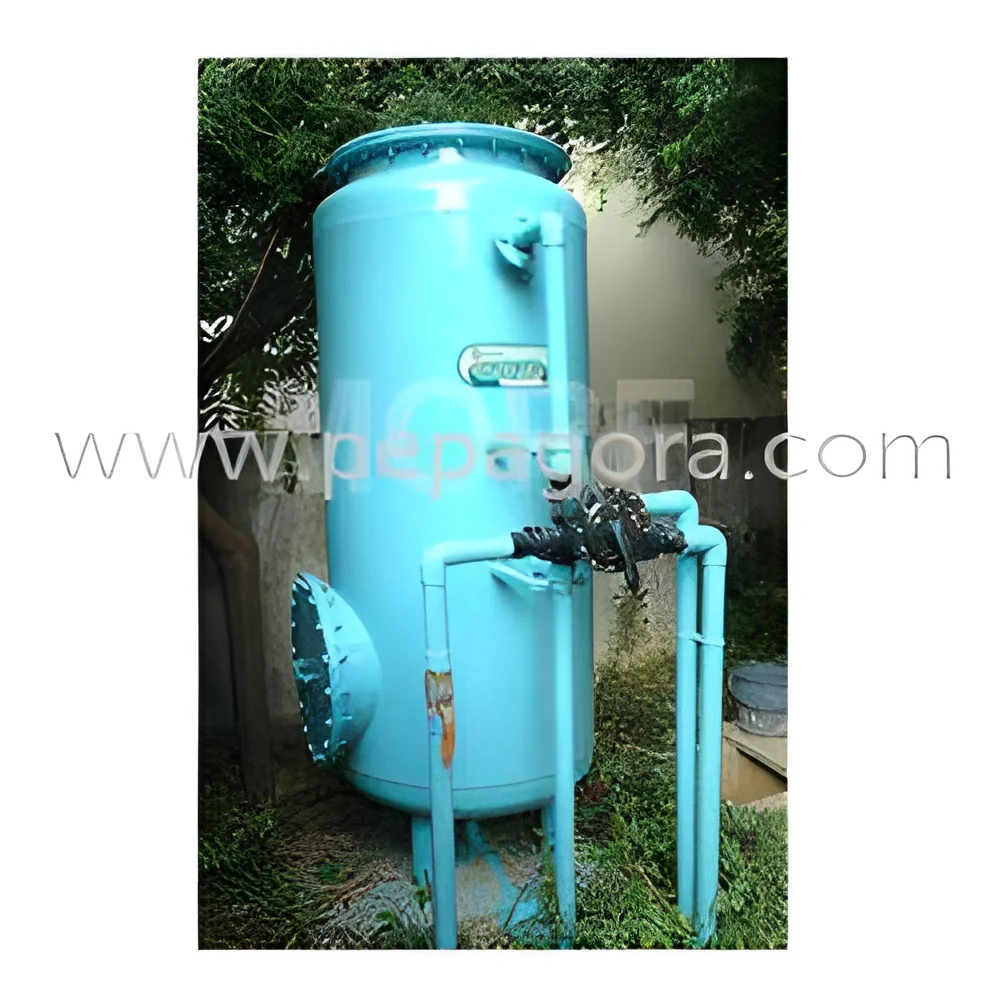
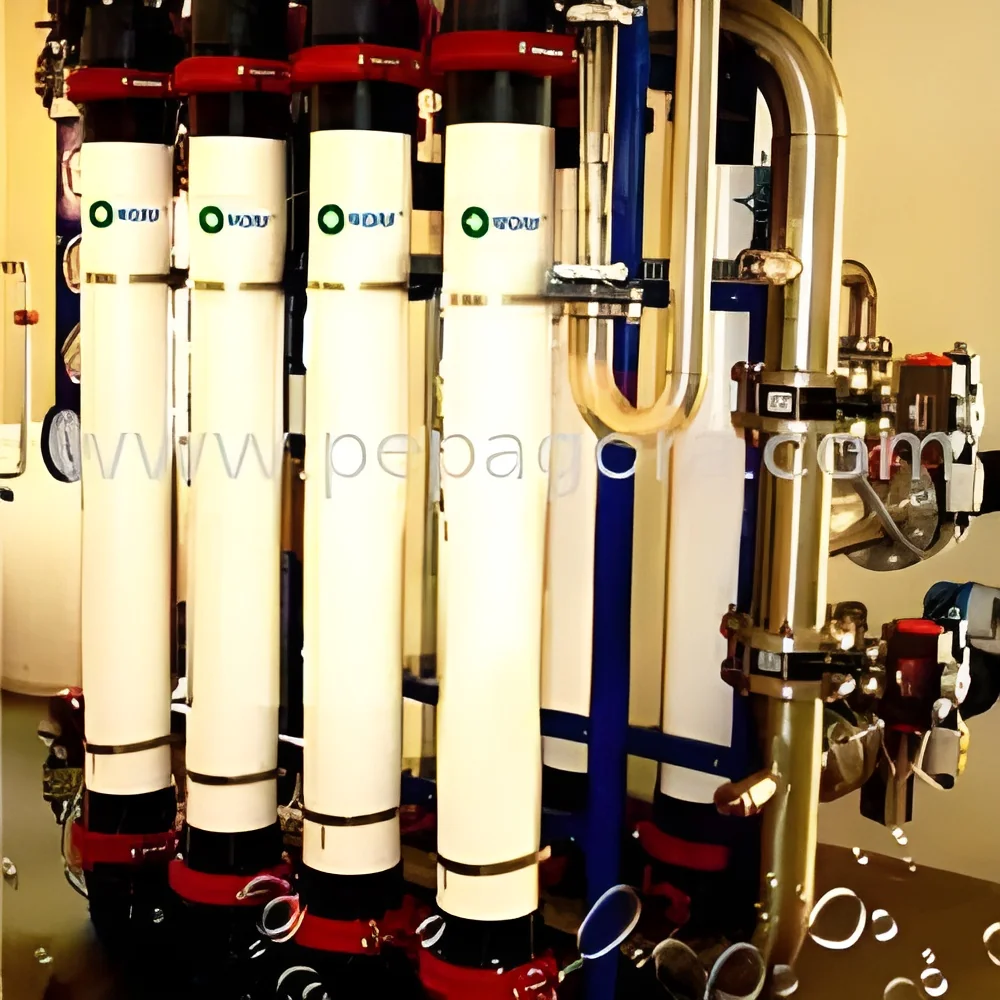
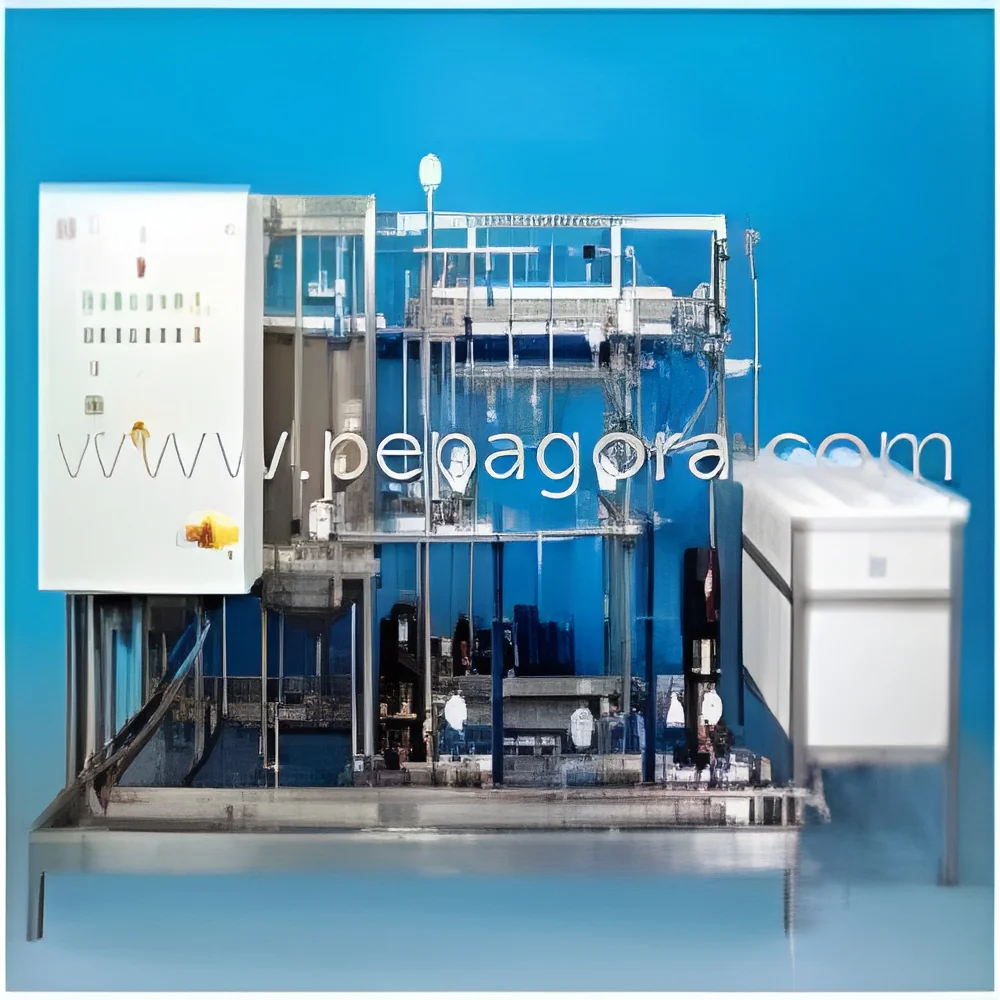
Industrial pilot plant studies represent a crucial intermediate step between laboratory research and full-scale industrial production. These specialized systems function as operational prototypes that simulate actual processing conditions to generate reliable data on process behavior, efficiency, and scalability. By operating at a reduced scale, pilot plants provide invaluable insights into how different processes will perform in real-world scenarios, enabling engineers to make informed decisions about facility design, equipment selection, and operational parameters. This approach significantly reduces the technical and financial risks associated with scaling up unproven processes while providing empirical data that computer simulations alone cannot replicate.

Various industries utilize pilot plant studies to validate and optimize their manufacturing processes. The chemical industry employs them to test reaction kinetics, catalyst performance, and separation processes. Pharmaceutical ...
Industrial pilot plant studies represent a crucial intermediate step between laboratory research and full-scale industrial production. These specialized systems function as operational prototypes that simulate actual processing conditions to generate reliable data on process behavior, efficiency, and scalability. By operating at a reduced scale, pilot plants provide invaluable insights into how different processes will perform in real-world scenarios, enabling engineers to make informed decisions about facility design, equipment selection, and operational parameters. This approach significantly reduces the technical and financial risks associated with scaling up unproven processes while providing empirical data that computer simulations alone cannot replicate.

Various industries utilize pilot plant studies to validate and optimize their manufacturing processes. The chemical industry employs them to test reaction kinetics, catalyst performance, and separation processes. Pharmaceutical companies rely on pilot plants to scale up drug formulation processes while maintaining strict quality control. Water treatment facilities use these systems to evaluate filtration technologies and disinfection methods. Food processing plants test new production methods and product formulations, while renewable energy sectors employ pilot studies to develop biofuel production and waste-to-energy conversion processes. Each industry benefits from the ability to test processes under controlled yet realistic conditions.

The business value of pilot plant studies lies in their ability to prevent costly mistakes and optimize production efficiency before major capital investment. These systems provide tangible evidence of process viability, helping businesses secure funding and regulatory approvals. The reliability of data obtained from properly conducted pilot studies translates into smoother scale-up processes, reduced downtime, and higher overall plant efficiency. Companies that invest in thorough pilot testing typically experience faster ROI, lower operational risks, and more predictable production outcomes. The modular nature of modern pilot plants also allows for flexibility in testing various scenarios and adapting to changing process requirements.

Key Features:
- Modular design allowing customization for specific process requirements
- Rugged construction ensuring durability under various operating conditions
- Integration capability with existing process sequences and filtration technologies
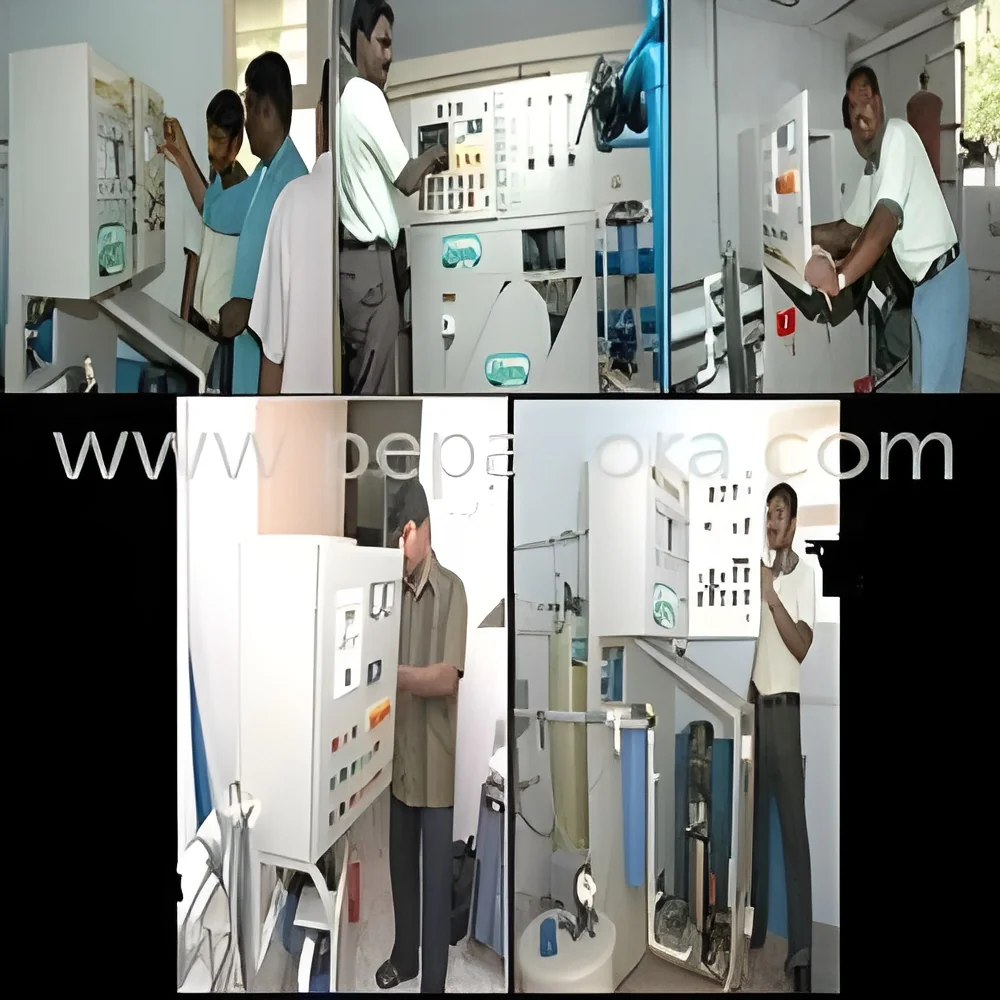
- Comprehensive data collection systems for accurate process monitoring
- Flexible operation supporting both standalone and integrated testing scenarios

Benefits:
- Reduces capital investment risk through thorough process validation
- Optimizes production efficiency before full-scale implementation
- Provides reliable scale-up data for facility design and equipment selection
- Ensures regulatory compliance through comprehensive testing protocols
- Accelerates time-to-market for new processes and technologies
Specifications
| Additional Information | |
|---|---|
| Country of Origin | India |
Application
Pilot plant studies serve as essential testing platforms across multiple industries, enabling businesses to validate processes before committing to full-scale production. These systems generate precise operational data, assess material behavior, and verify compliance with regulatory standards under real-world conditions. They are indispensable for de-risking capital investments and ensuring process efficiency from lab to commercial scale.
Industries such as chemical manufacturing, pharmaceuticals, water treatment, and food processing rely on pilot plants to test new technologies and optimize existing systems. These studies help identify potential operational challenges, fine-tune control mechanisms, and gather scale-up data necessary for designing efficient large-scale facilities. The flexibility of modern pilot plants allows integration with existing processes or standalone operation.
- Testing new chemical processes for scalability and safety before full plant construction
- Validating wastewater treatment technologies to meet environmental compliance standards
- Pharmaceutical companies optimizing drug formulation and manufacturing processes
- Food and beverage industry developing new products and ensuring quality control
- Renewable energy sectors testing biofuel production and material efficiency
Trade Details
| Available Stock | In Stock |
| Sample Availability | No |
Payment Terms
| Payment Terms |
|
Company Profile
Morf India Ltd, Tamil Nadu
 Tamil Nadu, India
Tamil Nadu, IndiaManufacturer•Importer / Exporter
Factory Details
Factory SizeBelow 1000 sqm
Annual Production Capacity0
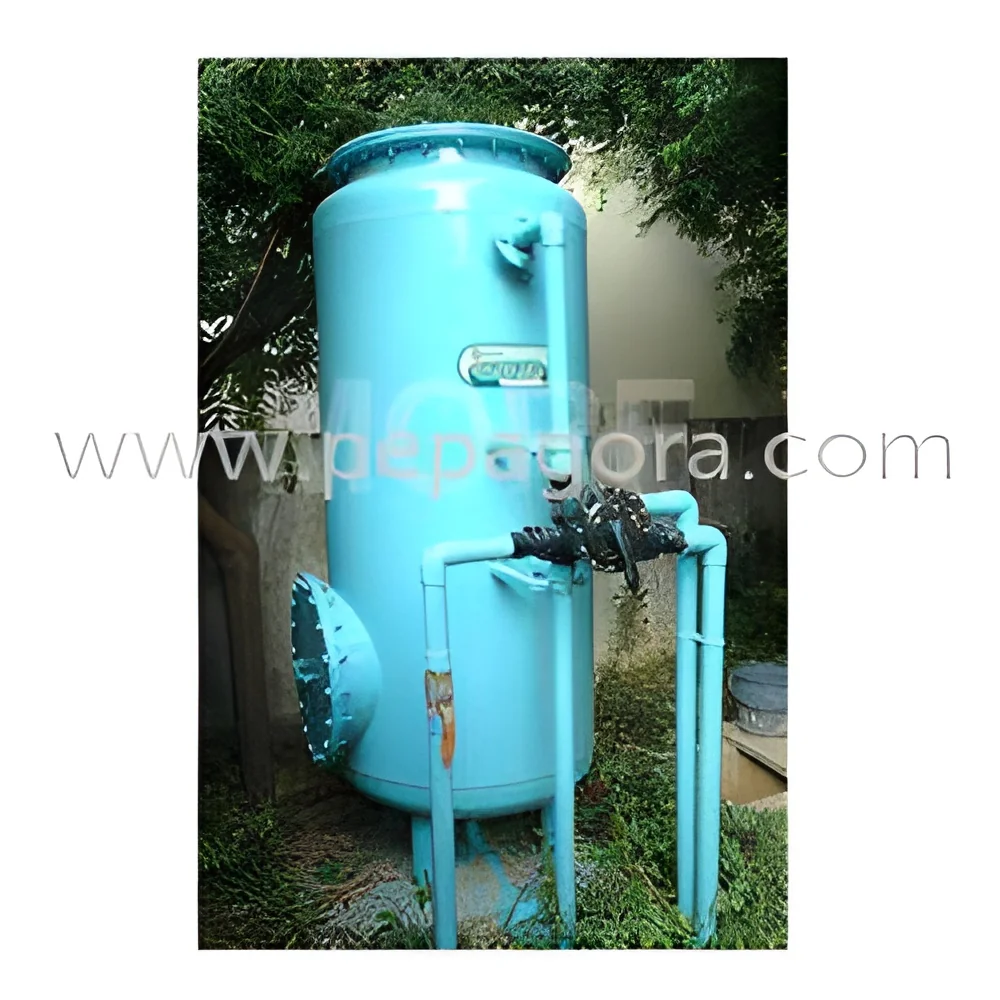
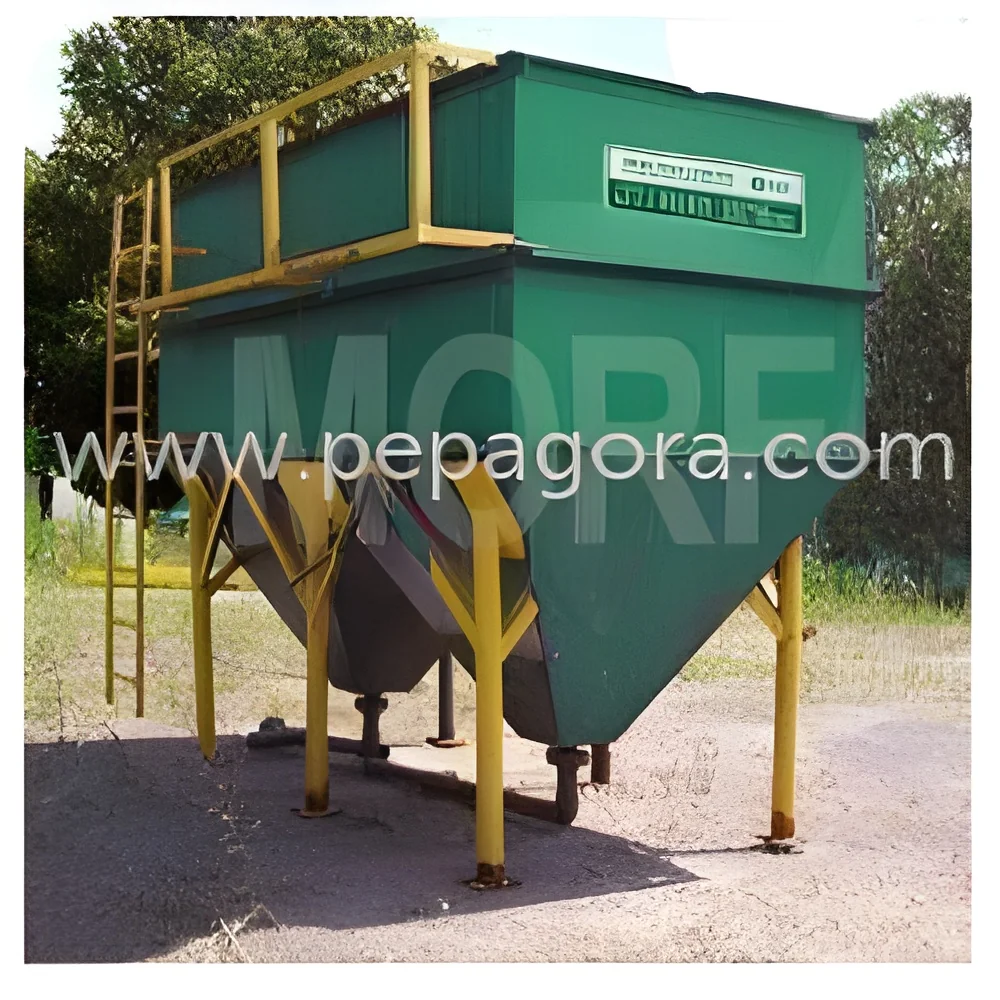
Industrial Pilot Plant Studies For Process Validation And Scale Up
Industrial pilot plant studies provide critical process validation and scale-up data for chemical, pharmaceutical, and manufacturing industries. Our modular systems reduce investment risk and optimize commercial viability before full-scale production.
Min. Order Quantity: 1 unit
Shipping
Shipping fee and delivery date to be negotiated. Contact supplier now for more details.
Morf India Ltd
 Tamil Nadu, India
Tamil Nadu, IndiaManufacturer