IN
IN₹
Apparel & Fashion
Loading subcategories...
View More
Description
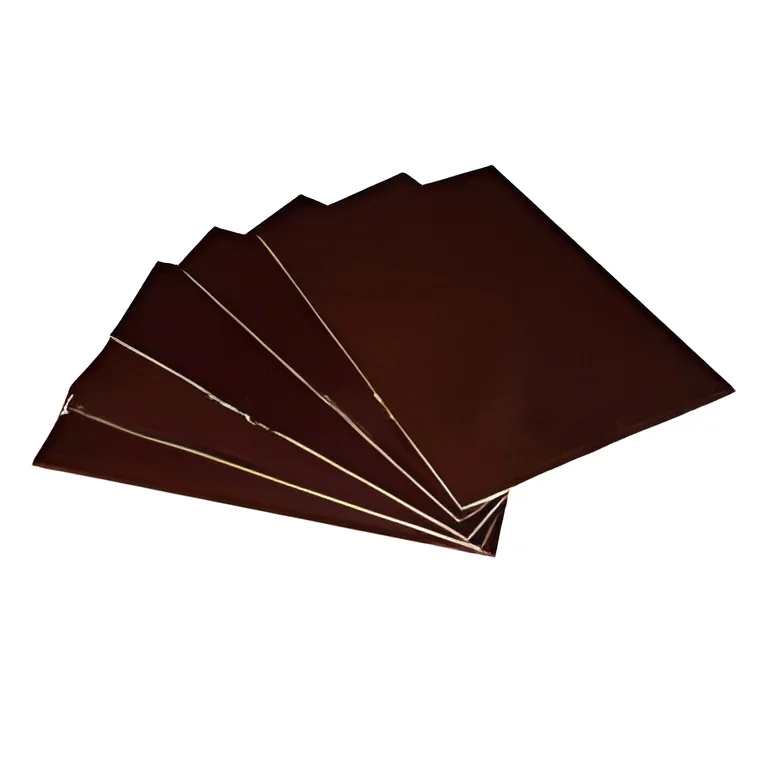
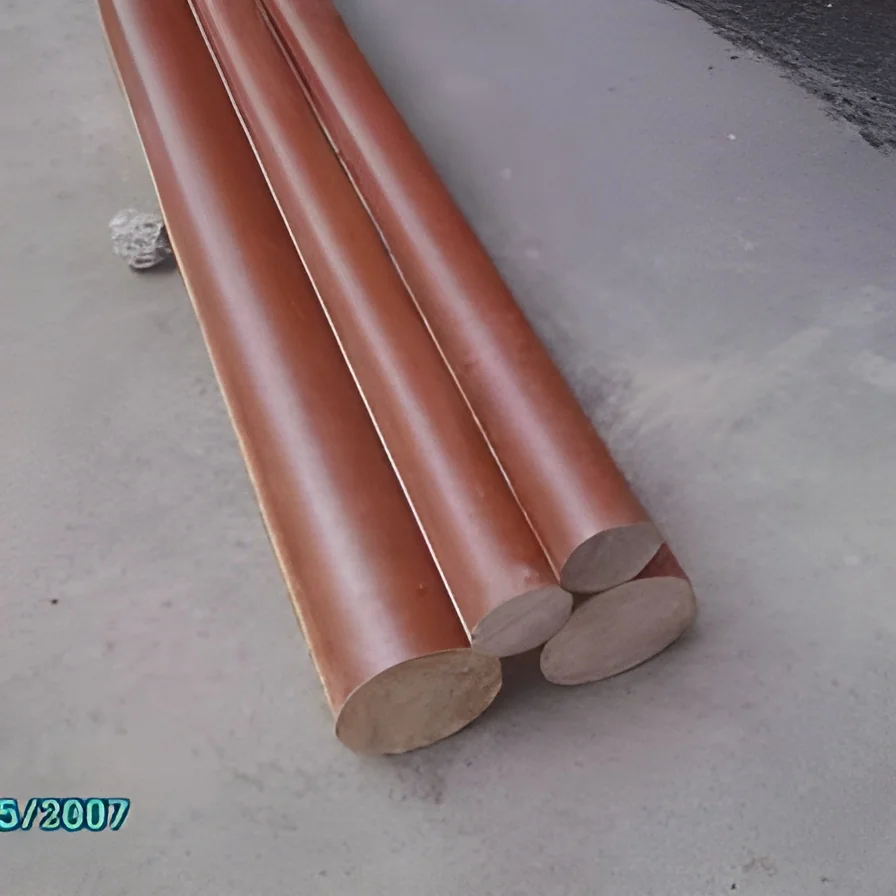
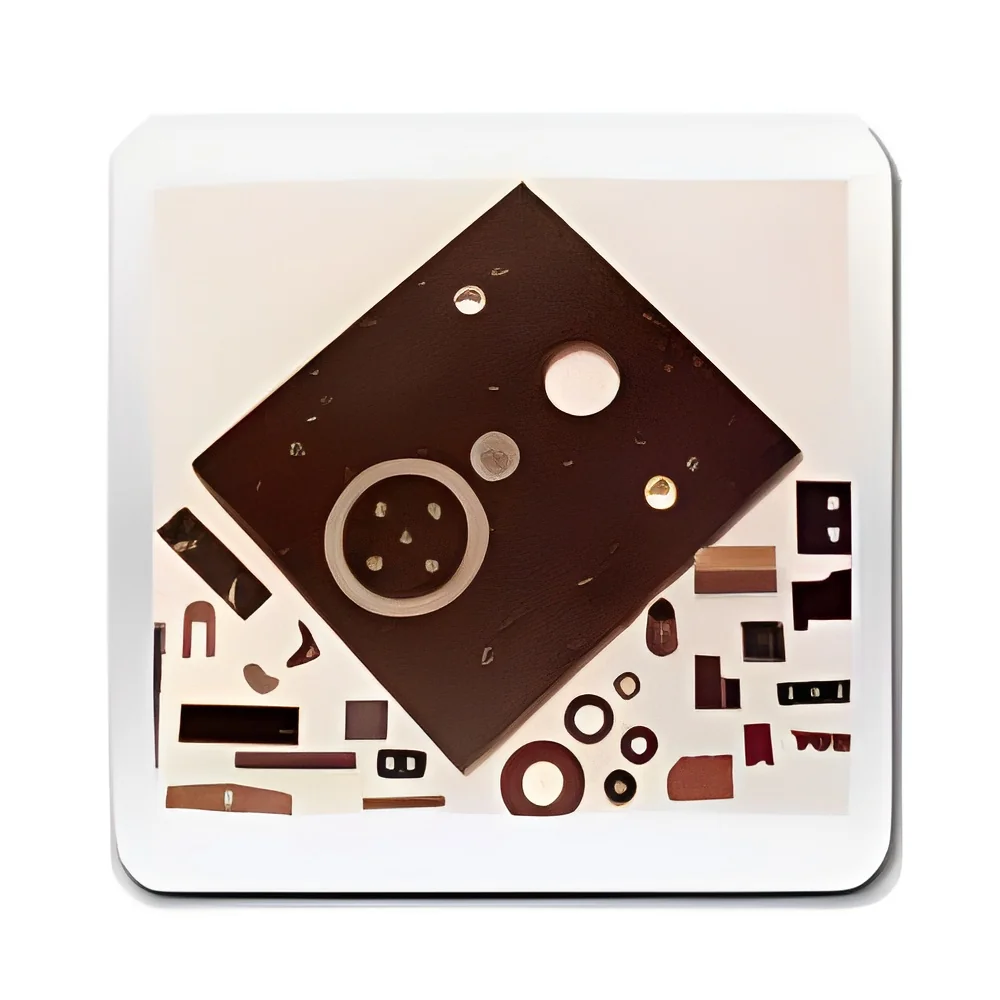
Electrical insulation paper cotton cloth phenolic laminates represent high-performance composite materials engineered for critical electrical insulation applications. Manufactured through a controlled process where paper or cotton cloth layers are impregnated with phenolic resin and cured under heat and pressure, these laminates deliver exceptional dielectric strength, mechanical rigidity, and thermal stability. Manufacturers value these materials for their consistent quality, availability in various standard grades, and adaptability to different fabrication methods including machining, punching, and cutting. The homogeneous structure ensures reliable performance across diverse environmental conditions, making them a preferred choice for electrical engineering applications where failure is not an option.

These laminates serve essential roles across multiple industrial sectors including power generation, industrial equipment manufacturing, and transportation systems. Electrical equipme...
Electrical insulation paper cotton cloth phenolic laminates represent high-performance composite materials engineered for critical electrical insulation applications. Manufactured through a controlled process where paper or cotton cloth layers are impregnated with phenolic resin and cured under heat and pressure, these laminates deliver exceptional dielectric strength, mechanical rigidity, and thermal stability. Manufacturers value these materials for their consistent quality, availability in various standard grades, and adaptability to different fabrication methods including machining, punching, and cutting. The homogeneous structure ensures reliable performance across diverse environmental conditions, making them a preferred choice for electrical engineering applications where failure is not an option.

These laminates serve essential roles across multiple industrial sectors including power generation, industrial equipment manufacturing, and transportation systems. Electrical equipment manufacturers incorporate them into transformers, motors, and switchgear where they function as insulation barriers, structural supports, and safety components. The power distribution industry utilizes these materials in control panels and electrical enclosures. The transportation sector relies on them for traction systems and railway electrification components. Their certification to international standards makes them suitable for global projects and export-oriented manufacturing requirements.

The business value of paper cotton cloth phenolic laminates lies in their proven reliability, extended service life, and contribution to equipment safety. By specifying these materials, businesses reduce operational downtime, minimize maintenance costs, and enhance the longevity of electrical equipment. The material's flame-retardant properties and self-extinguishing characteristics provide additional safety benefits, reducing operational risks. Manufacturers differentiate their offerings through consistent quality and material properties tailored to specific technical requirements, allowing buyers to source materials that precisely match their application needs and performance specifications.

Key Features:
- Composite structure combining paper/cotton fabric with phenolic resin
- Superior dielectric strength and electrical insulation properties
- High mechanical strength with excellent dimensional stability
- Good machinability for precise component fabrication
- Thermal resistance suitable for continuous high-temperature operation

Benefits:
- Enhanced electrical safety through reliable insulation performance
- Reduced maintenance costs and extended equipment lifespan
- Consistent quality meeting international standards and specifications
- Versatile application across multiple industrial sectors
- Durable performance in challenging operational environments
Specifications
| Additional Information | |
|---|---|
| Country of Origin | India |
| Customisable | No |
Application
Paper cotton cloth phenolic laminates deliver critical electrical insulation across demanding industrial environments. Their composite construction combines mechanical durability with excellent dielectric properties, ensuring safety and performance in high-voltage applications. These materials withstand thermal stress and mechanical wear while maintaining insulation integrity over long operational periods in challenging conditions.
Engineers and procurement specialists specify these laminates for components requiring certified materials meeting international standards. They serve as terminal boards, slot wedges, and barrier insulation in electrical systems. The material's versatility supports both custom productions and high-volume manufacturing with consistent quality and reliability across diverse industrial applications.
- Insulating layers in power and distribution transformers
- Slot insulation and phase separators in electric motors and generators
- Arc barriers and support structures in medium-voltage switchgear
- Terminal boards and bushing materials in control panels and junction boxes
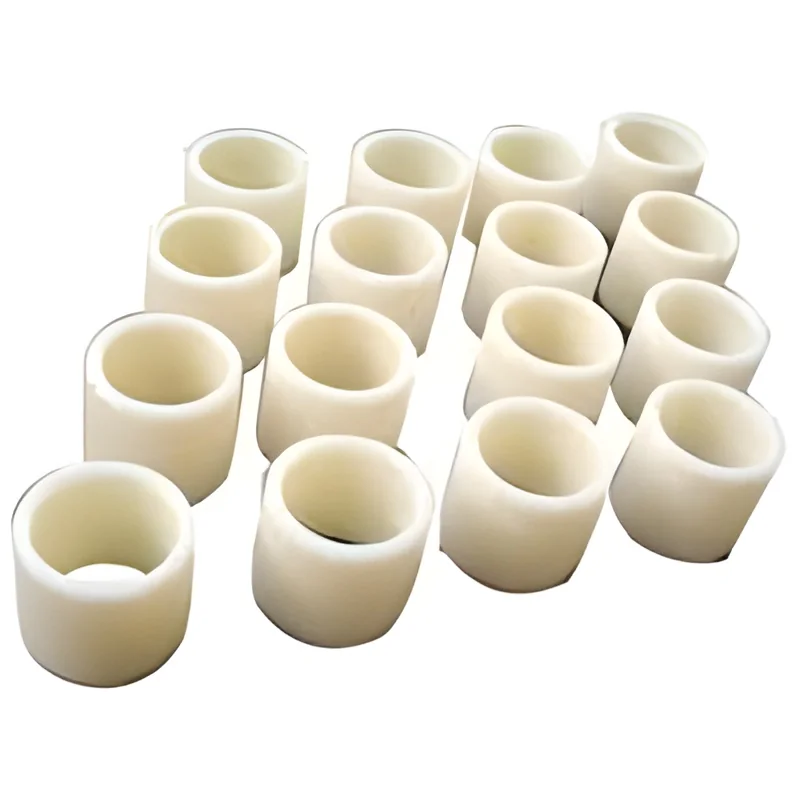
- Fabrication of commutator V-rings in traction motors and industrial drives
Trade Details
| Available Stock | In Stock |
| Sample Availability | No |
Payment Terms
| Payment Terms |
|
Company Profile

Bihar Mica House, New Delhi
 New Delhi, India
New Delhi, IndiaIndustrial Equipment & Machinery•Distributor / Wholesaler•Importer / Exporter
Factory Details
Factory SizeBelow 1000 sqm
Annual Production Capacity0
Electrical Insulation Paper Cotton Cloth Phenolic Laminates
Electrical insulation paper cotton cloth phenolic laminates provide superior dielectric strength and reliability for transformers, motors, and switchgear applications. Trusted by manufacturers for demanding industrial environments.
Min. Order Quantity: 1 unit
Shipping
Shipping fee and delivery date to be negotiated. Contact supplier now for more details.
Bihar Mica House
 New Delhi, India
New Delhi, IndiaIndustrial Equipment & MachineryDistributor / Wholesaler