IN
IN₹
Apparel & Fashion
Description
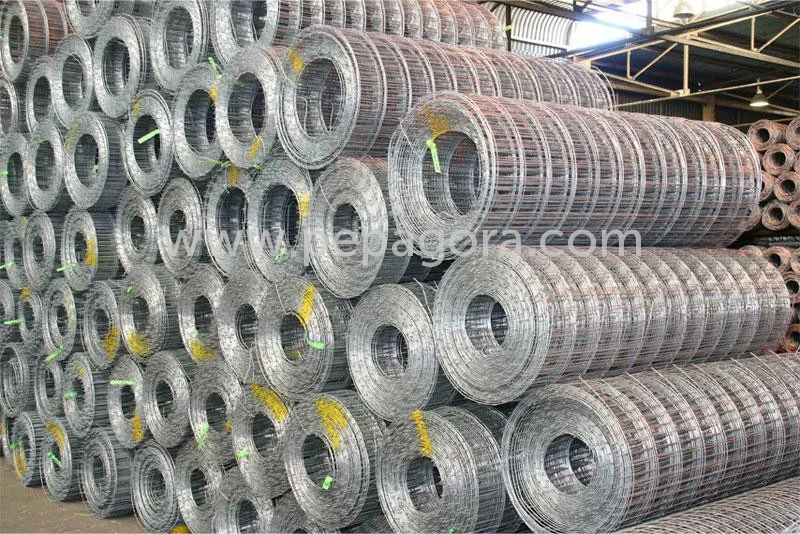
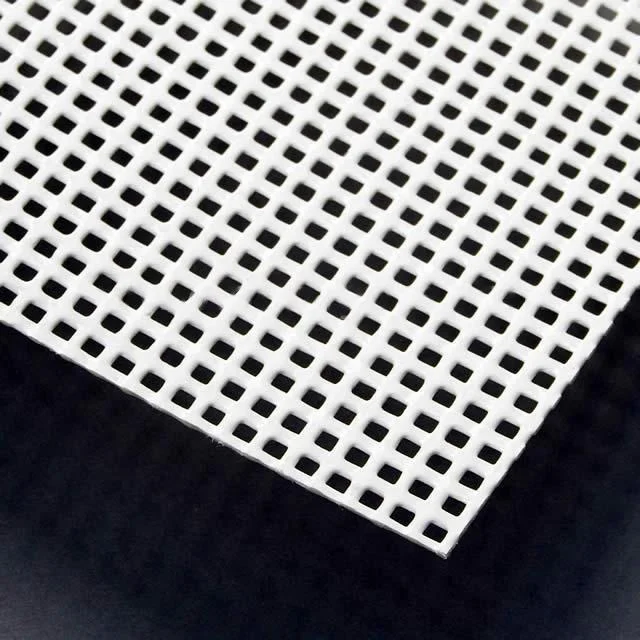
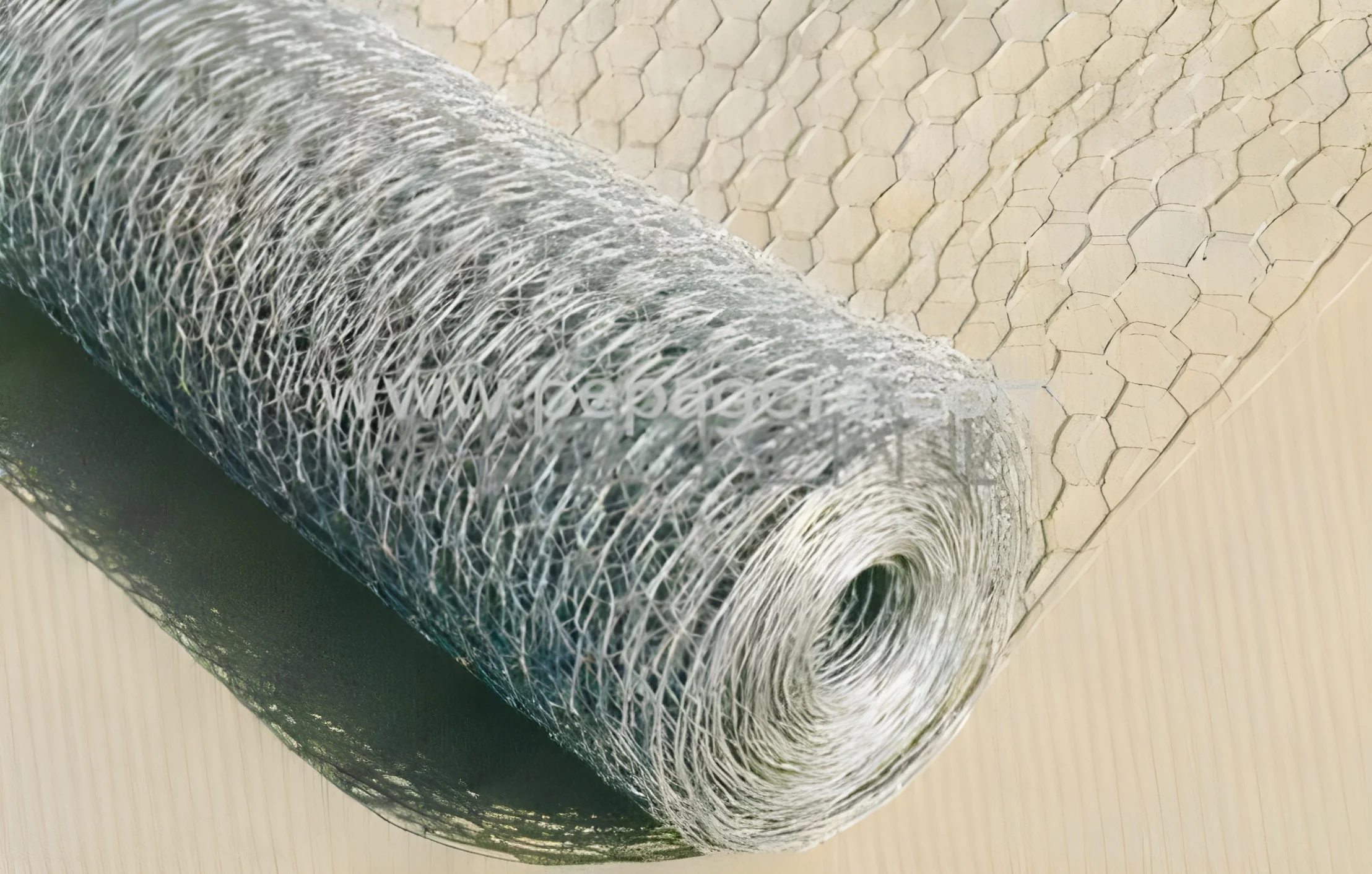
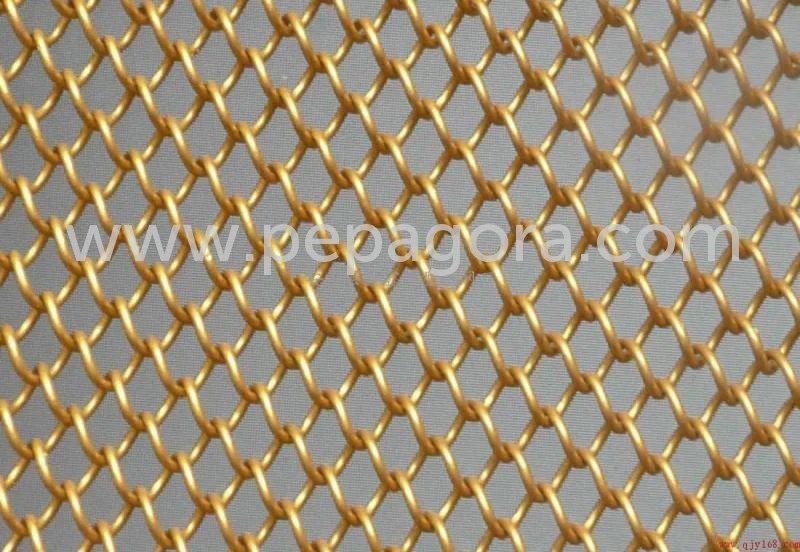
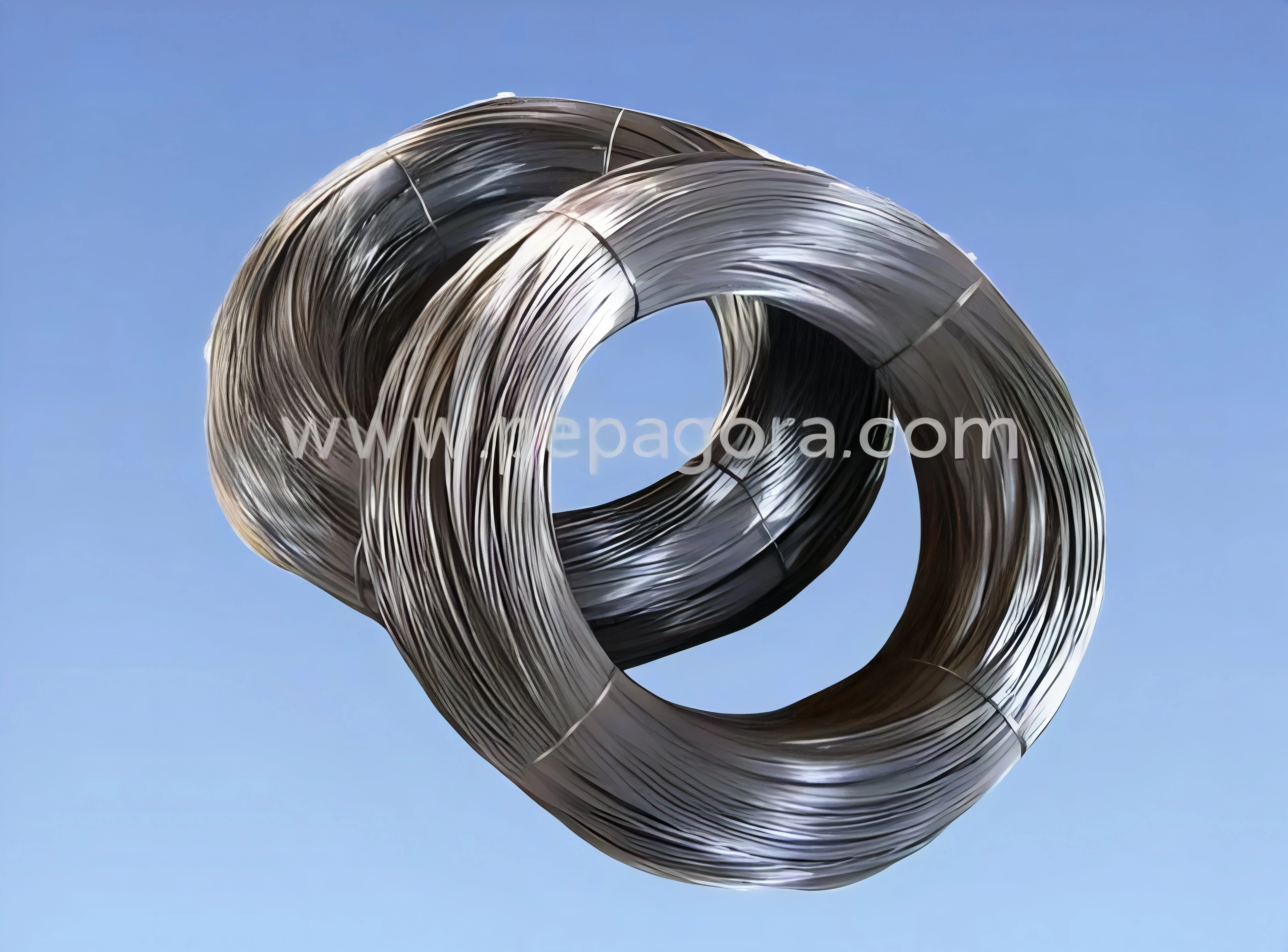
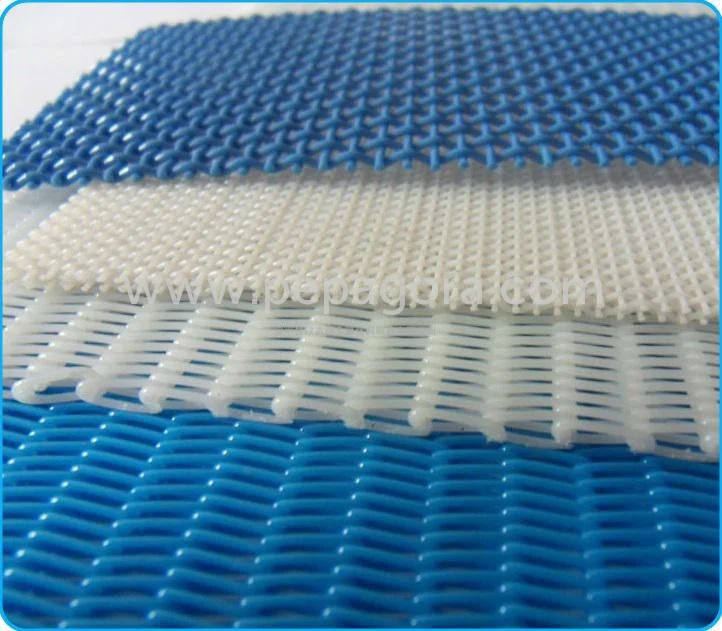
Paper mill mesh represents critical components in modern paper manufacturing, specifically engineered for optimal pulp drainage and paper formation processes. These precision-woven meshes, available in both copper and stainless steel materials, provide essential filtration functions that determine paper quality, production efficiency, and operational consistency. The mesh serves as the primary interface between pulp suspension and formed paper sheet, controlling water removal rates while maintaining uniform fiber distribution. With mesh counts ranging from 5 to 40, these products accommodate various paper grades from fine writing papers to heavy packaging boards. The plain weave technique ensures consistent performance across the entire mesh surface, while new condition guarantees maximum operational life and reliability in continuous production environments.

Paper mill meshes find extensive application across the global paper industry, serving tissue manufacturers, packaging producer...
Paper mill mesh represents critical components in modern paper manufacturing, specifically engineered for optimal pulp drainage and paper formation processes. These precision-woven meshes, available in both copper and stainless steel materials, provide essential filtration functions that determine paper quality, production efficiency, and operational consistency. The mesh serves as the primary interface between pulp suspension and formed paper sheet, controlling water removal rates while maintaining uniform fiber distribution. With mesh counts ranging from 5 to 40, these products accommodate various paper grades from fine writing papers to heavy packaging boards. The plain weave technique ensures consistent performance across the entire mesh surface, while new condition guarantees maximum operational life and reliability in continuous production environments.

Paper mill meshes find extensive application across the global paper industry, serving tissue manufacturers, packaging producers, specialty paper mills, and recycled paper facilities. Tissue manufacturers utilize these meshes for their superior drainage characteristics that maintain fiber softness while ensuring adequate formation. Packaging paper producers rely on the mesh's durability and consistent performance for heavy-weight paper production. Specialty paper mills producing technical grades, filter papers, and electrical insulation materials benefit from the precise mesh openings that control fiber retention and formation characteristics. Recycled paper operations particularly value the corrosion resistance of stainless steel meshes when handling acidic pulp conditions and various contaminants present in recycled fiber streams.

The operational value of premium paper mill mesh extends beyond initial purchase considerations to encompass total cost of ownership through extended operational life, reduced downtime, and consistent paper quality output. Reliability stems from the combination of quality materials, precise weaving techniques, and customization options that ensure perfect machine compatibility. The copper and stainless steel construction provides inherent corrosion resistance, reducing replacement frequency and maintenance interventions. Customization capabilities allow paper mills to optimize their production processes for specific paper grades, resulting in improved product quality and reduced waste. The standardized approach ensures that mills receive products that meet exact operational requirements while maintaining interchangeability and serviceability across different paper machine configurations.

Key Features:
- Woven construction using premium copper and stainless steel materials
- Available in 5 to 40 mesh range for various paper grade requirements
- Plain weave technique ensures consistent filtration performance
- Customizable dimensions, diameter, and thickness specifications
- New condition with precise tolerance control as per requirements

Benefits:
- Enhanced durability and corrosion resistance for longer service life
- Optimal pulp drainage and paper formation across various grades
- Consistent performance reducing production variability
- Reduced maintenance requirements and operational downtime
- Improved paper quality with better fiber retention and formation
Specifications
| Key Attributes | |
|---|---|
| Type | Mesh |
| Material | Copper & S.S |
| Techniques | Woven |
| Style | Plain |
| Mesh Type | Paper Mill |
| Condition | New |
| Standard or Non Standard | Standard |
| Dimension | Customized |
| Maximim | 5 mesh & 40 mesh |
| Diameter | Customized |
| Thickness | Customized |
| Tolerance | As per Clients Request |
| Additional Information | |
|---|---|
| Country of Origin | India |
Application
Paper mill mesh serves as essential filtration components specifically engineered for pulp drainage and paper formation stages in manufacturing processes. These precision-woven meshes provide optimal water removal while maintaining superior fiber retention, directly impacting paper strength and surface quality characteristics for consistent production output across various paper grades and machine configurations.
Constructed from durable copper and stainless steel materials, these meshes withstand continuous operation in demanding wet environments while resisting corrosion and mechanical wear. The plain weave technique ensures consistent open area percentage for controlled drainage rates, making them suitable for tissue paper, packaging board, and specialty paper production with reliable performance and long operational lifespan.
- Fourdrinier paper machine forming fabrics for drainage and sheet formation
- Pulp screening and filtration systems in kraft and recycled paper mills
- Paper machine dryer section fabrics for moisture evaporation control
- Specialty paper production including filter papers and technical grades
- Board manufacturing for packaging materials requiring specific thickness control
Trade Details
| Available Stock | In Stock |
| Sample Availability | No |
Payment Terms
| Payment Terms |
|
Shipping & Logistics
| Port of Dispatch | Coimbatore |
Company Profile
Calcutta Wire Netting Co .pvt, Tamil Nadu
 Tamil Nadu, India
Tamil Nadu, IndiaRaw Materials & Chemicals•Manufacturer•Trading Company•Distributor / Wholesaler
Factory Details
Factory SizeBelow 1000 sqm
Annual Production Capacity0
Main Markets
Eastern Asia
South Asia
Southeast Asia
Paper Mill Mesh Copper Stainless Steel Woven 5 40 Mesh
Premium paper mill mesh in copper and stainless steel woven construction for efficient pulp drainage and paper formation. Available in 5 to 40 mesh range with customized dimensions for reliable filtration solutions in paper manufacturing operations worldwide.
Min. Order Quantity: 1 piece
Shipping
Shipping fee and delivery date to be negotiated. Contact supplier now for more details.
Calcutta Wire Netting Co .pvt
 Tamil Nadu, India
Tamil Nadu, IndiaRaw Materials & ChemicalsManufacturer