IN
IN₹
Apparel & Fashion
Loading subcategories...
View More
Description
Industrial Nylon and Teflon rods represent a category of high-performance engineering plastics specifically formulated for demanding industrial environments. These rods are manufactured to exacting standards, providing a reliable raw material for machining into precision components. Nylon rods are celebrated for their exceptional mechanical strength, impact resistance, and ability to withstand significant wear, making them suitable for parts subject to constant motion and load. Teflon rods, known for their trademark low friction and outstanding chemical inertness, excel in applications involving corrosive substances or where non-stick properties are paramount. Together, they offer a solution set for engineers and manufacturers seeking to improve equipment longevity, reduce maintenance frequency, and enhance operational efficiency through superior material selection. The consistent quality and dimensional stability of these rods ensure they machine cleanly and predictably, which is cruc...
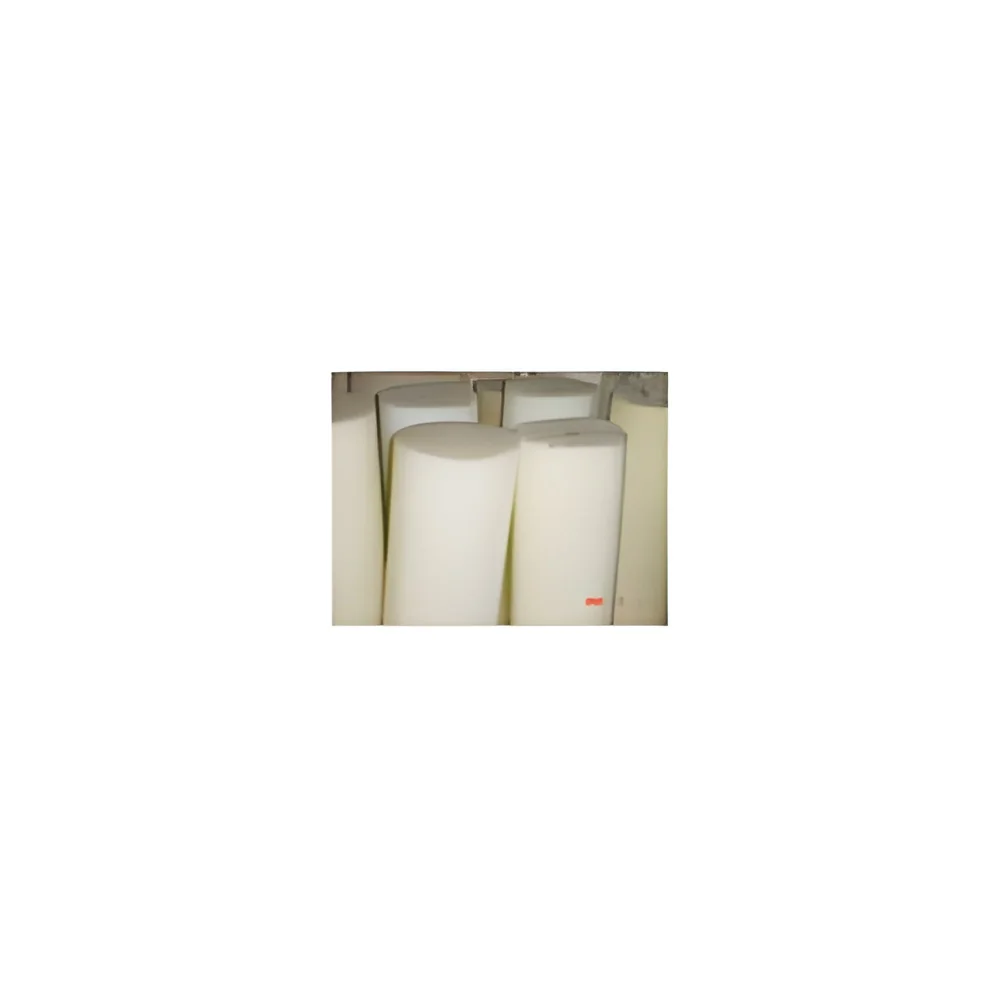
Industrial Nylon and Teflon rods represent a category of high-performance engineering plastics specifically formulated for demanding industrial environments. These rods are manufactured to exacting standards, providing a reliable raw material for machining into precision components. Nylon rods are celebrated for their exceptional mechanical strength, impact resistance, and ability to withstand significant wear, making them suitable for parts subject to constant motion and load. Teflon rods, known for their trademark low friction and outstanding chemical inertness, excel in applications involving corrosive substances or where non-stick properties are paramount. Together, they offer a solution set for engineers and manufacturers seeking to improve equipment longevity, reduce maintenance frequency, and enhance operational efficiency through superior material selection. The consistent quality and dimensional stability of these rods ensure they machine cleanly and predictably, which is crucial for producing components with tight tolerances.

The application of these rods spans a broad spectrum of industries, each leveraging the material's unique advantages. In automotive and transportation, they are machined into bushings, bearings, and lightweight structural components that contribute to fuel efficiency and reduced noise, vibration, and harshness (NVH). The aerospace sector values them for non-critical structural parts, insulators, and low-friction components where weight savings and reliability under variable temperatures are essential. Chemical processing and pharmaceutical industries depend heavily on Teflon-based components for seals, pump parts, and tank linings that resist aggressive acids, bases, and solvents. Food and beverage production utilizes these materials for parts in processing lines where hygiene, cleanability, and FDA-compliance are mandatory. General manufacturing and heavy industry integrate these rods into machinery for wear plates, guide rails, and insulating spacers that endure abrasive conditions and electrical stresses.

Choosing these industrial rods delivers tangible business value by directly addressing operational cost centers and reliability concerns. The primary value proposition lies in their ability to extend the service life of machinery components, thereby reducing downtime for repairs and lowering long-term maintenance expenditures. Components made from these materials often operate with greater energy efficiency due to reduced friction, contributing to lower operational power costs. Their reliability in harsh conditions minimizes the risk of unplanned production stops, protecting output schedules and product quality. For procurement and engineering teams, these rods offer a proven, specification-grade material that simplifies the component design and sourcing process, backed by a supply chain capable of delivering consistent quality. This reliability translates into stronger partnerships with your own customers, as the end-products you create or maintain demonstrate enhanced durability and performance.

Key Features:
- Engineered for high mechanical strength and superior impact resistance to withstand demanding operational loads.
- Exhibits excellent wear and abrasion resistance, significantly reducing surface degradation over time.
- Provides outstanding chemical resistance, particularly in Teflon formulations, for use with corrosive substances.
- Features a very low coefficient of friction for smooth operation, reduced stick-slip, and lower drive power requirements.
- Available in consistent diameters and lengths with reliable dimensional stability for precision machining.

Benefits:
- Extends equipment service life and reduces frequency of part replacement, lowering total cost of ownership.
- Minimizes maintenance downtime and associated labor costs by providing more durable component materials.
- Enhances operational safety and reliability in challenging environments involving chemicals or electrical hazards.
- Improves energy efficiency of moving assemblies by reducing frictional losses during operation.
- Offers a trusted, specification-grade material solution that simplifies engineering and procurement for critical components.
Specifications
| Additional Information | |
|---|---|
| Country of Origin | India |
| Customisable | No |
Application
Industrial Nylon and Teflon rods are precision-engineered materials designed for high-performance applications where durability and reliability are non-negotiable. Their inherent properties make them ideal for creating custom-machined parts that withstand challenging operational conditions, from heavy mechanical loads to corrosive chemical exposure. These rods serve as the foundational material for components that require consistent performance over extended periods, reducing the need for frequent replacements and maintenance interventions across various machinery and systems.
These versatile rods find critical use in sectors where material failure is not an option. The automotive industry relies on them for lightweight, durable components that endure constant motion and stress. Manufacturing plants utilize them in conveyor systems and automated equipment where low friction and wear resistance directly impact production efficiency and uptime. Their excellent electrical insulation properties make them vital in power transmission and electronic applications, ensuring safety and operational integrity in sensitive environments.
- Machining custom bushings, bearings, and gears for automotive and industrial machinery that require high strength with minimal friction.
- Manufacturing seals, gaskets, and valve components in chemical processing plants where chemical resistance is critical.
- Producing guide rails, wear strips, and conveyor parts for packaging and material handling equipment needing smooth operation.
- Creating electrical insulators and housings in power distribution systems and electronic devices for reliable insulation.
- Fabricating food processing equipment components that demand hygienic, non-stick surfaces and compliance with safety standards.
Trade Details
| Available Stock | In Stock |
| Sample Availability | No |
Payment Terms
| Payment Terms |
|
Company Profile

Arihant Hardware, Karnataka
 Karnataka, India
Karnataka, IndiaTrading Company•Distributor / Wholesaler
Factory Details
Factory SizeBelow 1000 sqm
Annual Production Capacity0
Industrial Nylon Teflon Rods High Strength Low Friction Wear Resistant
Industrial Nylon Teflon Rods offer high strength, low friction, and wear resistance for machining bearings, insulators, and custom components. Trusted for durable performance in demanding industrial applications.
Min. Order Quantity: 1 unit
Shipping
Shipping fee and delivery date to be negotiated. Contact supplier now for more details.
Arihant Hardware
 Karnataka, India
Karnataka, IndiaTrading Company