IN
IN₹
Apparel & Fashion
Description
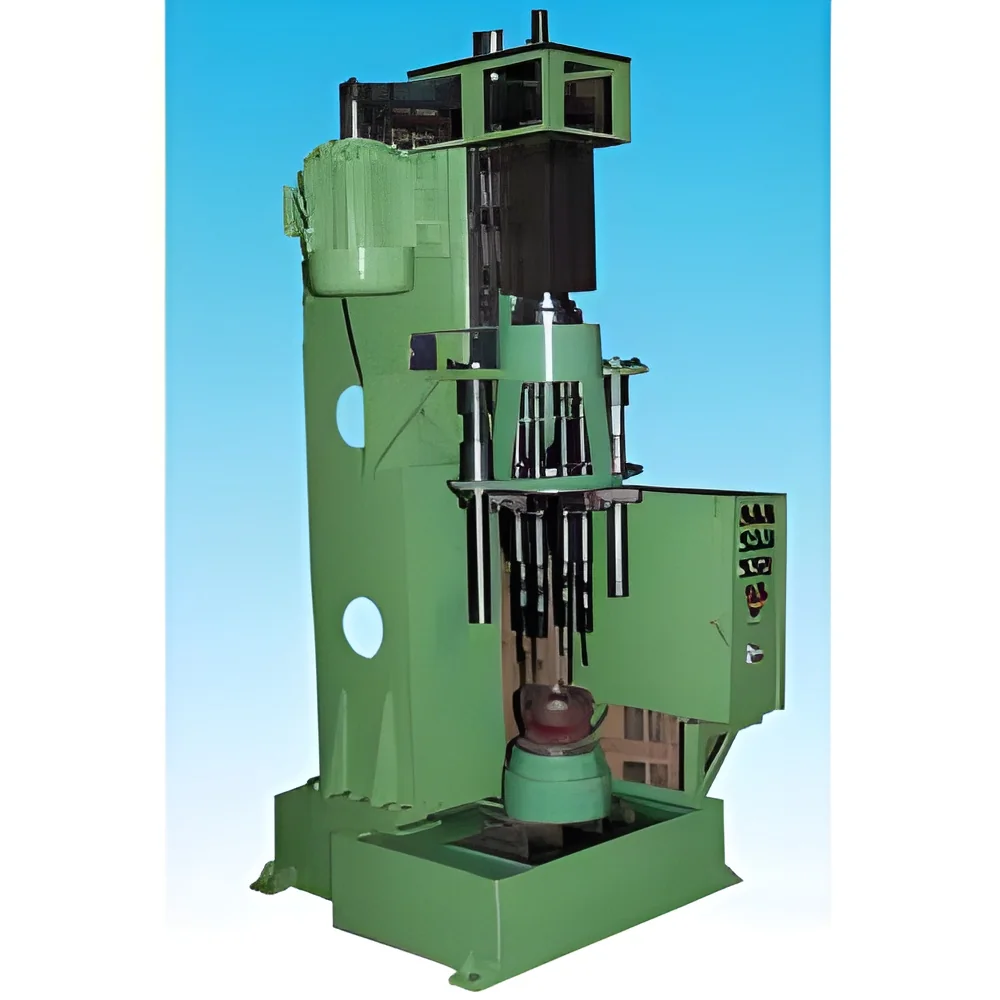
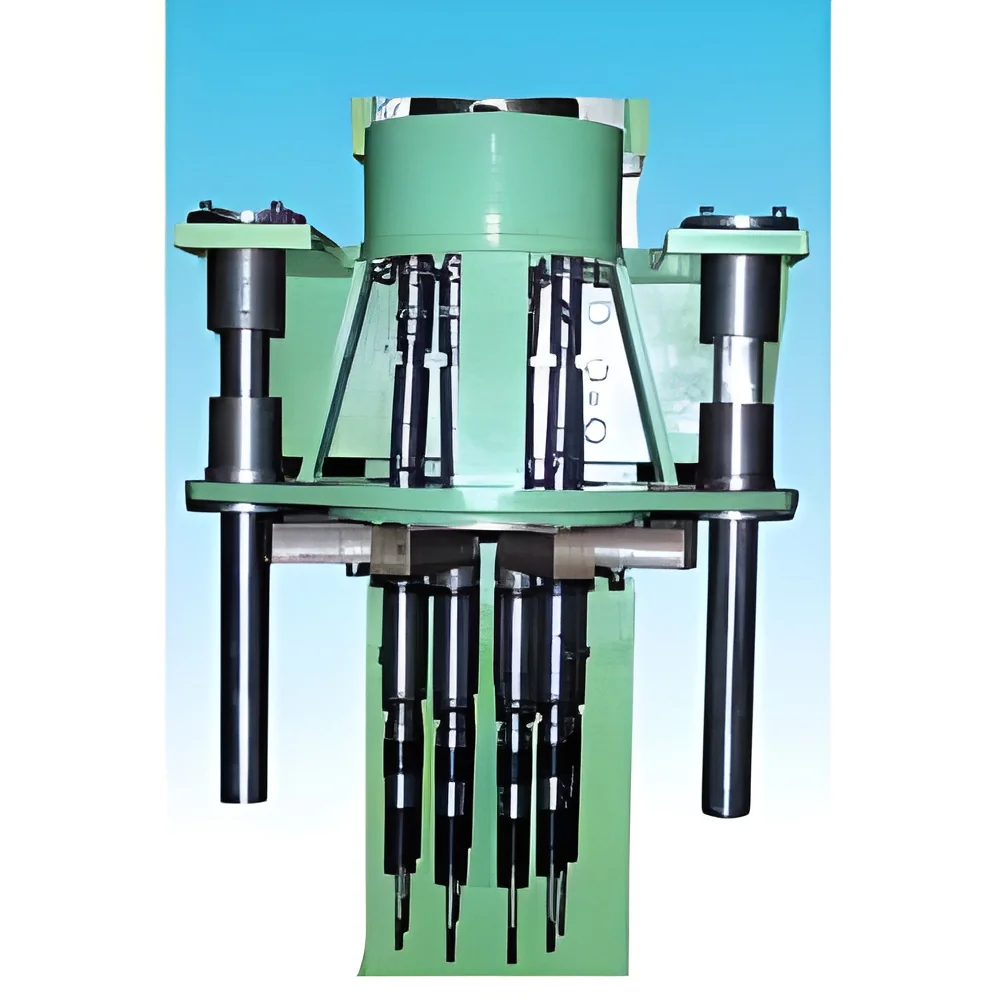
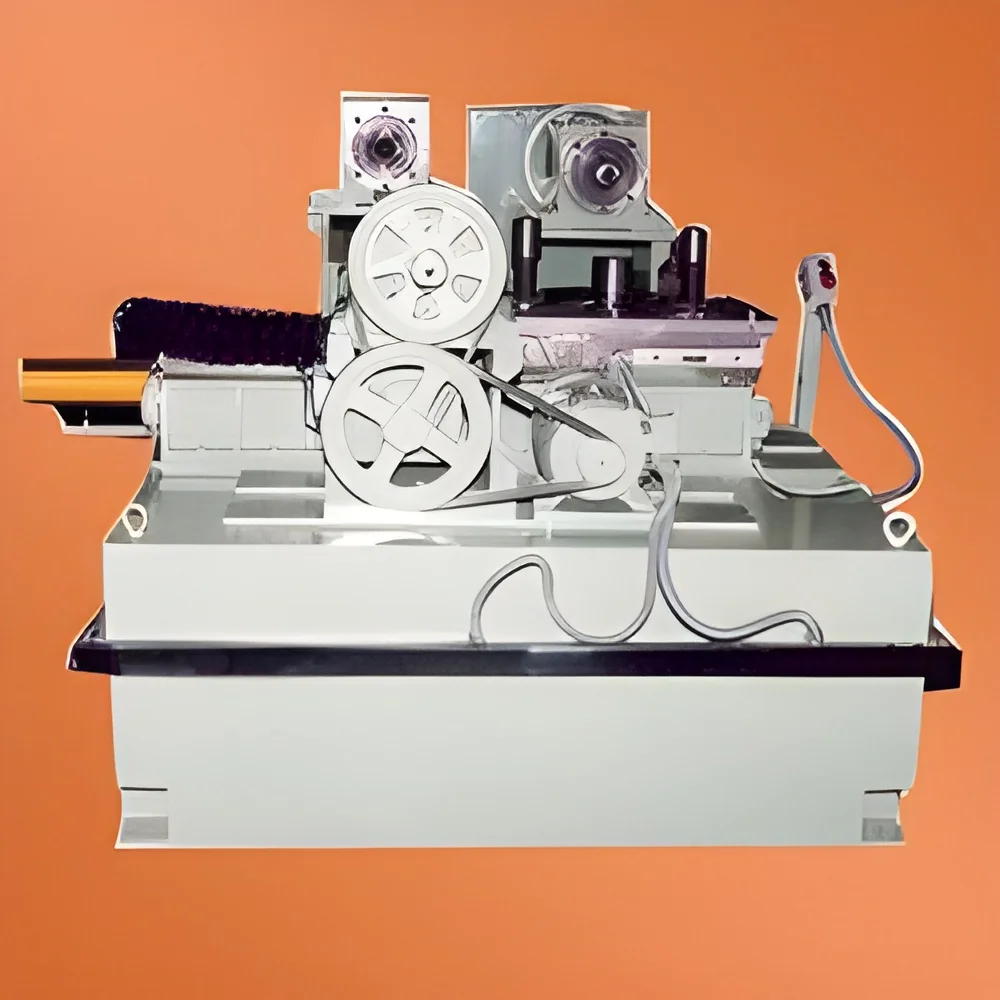
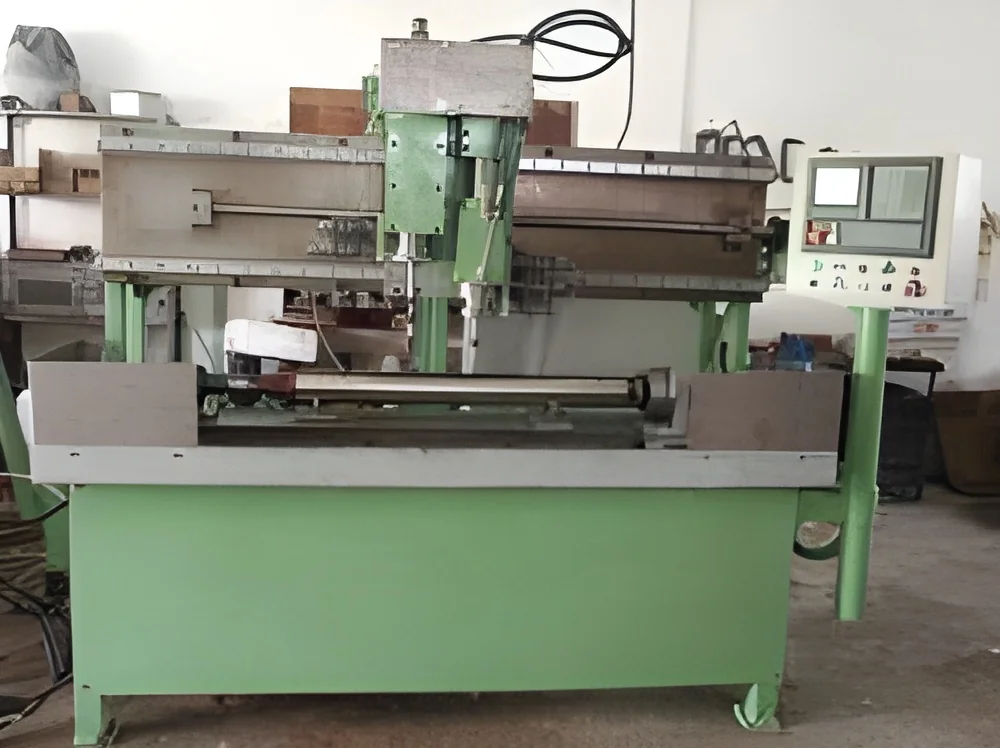
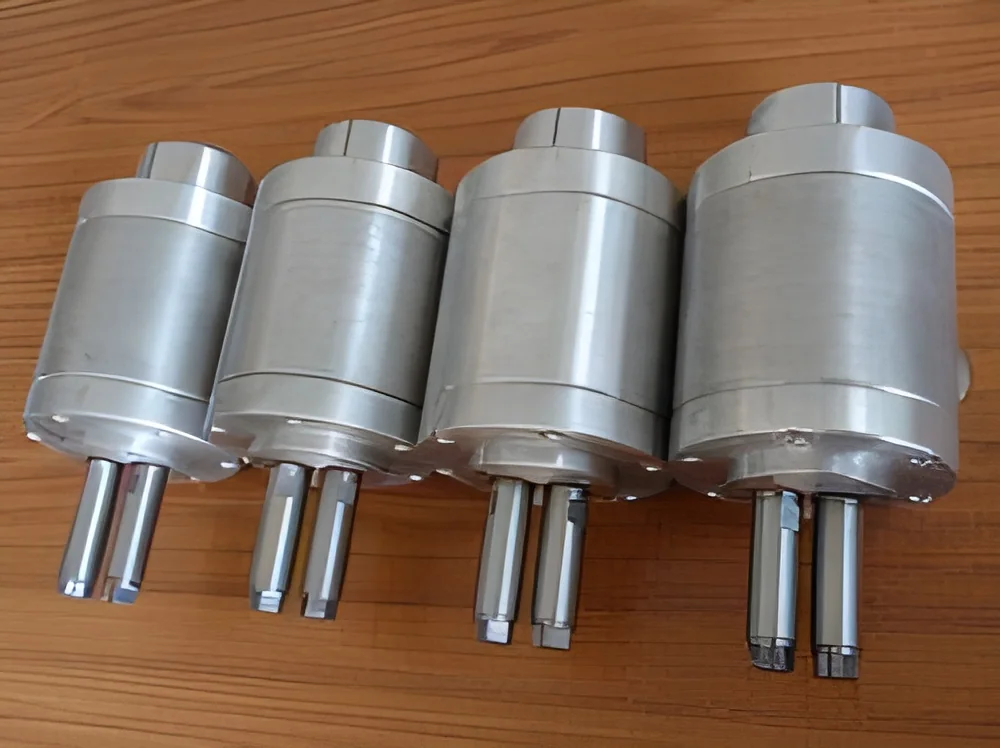
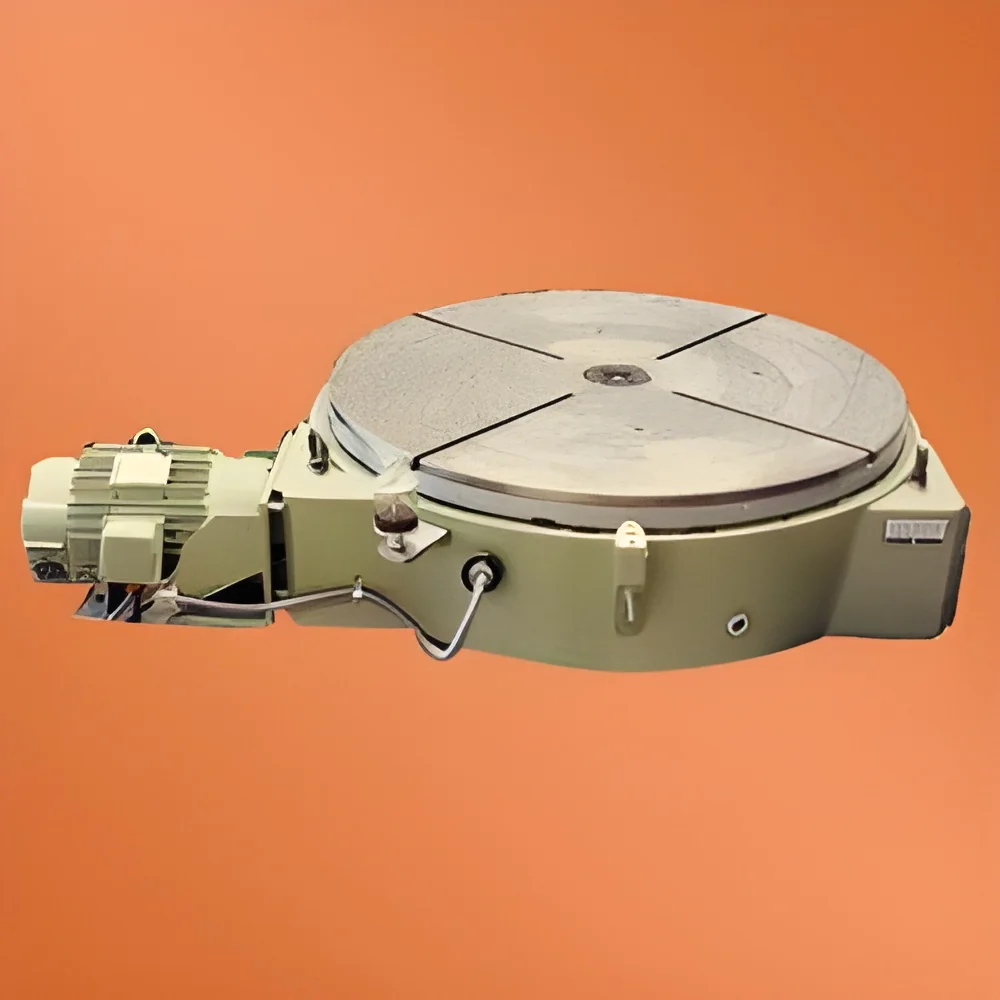
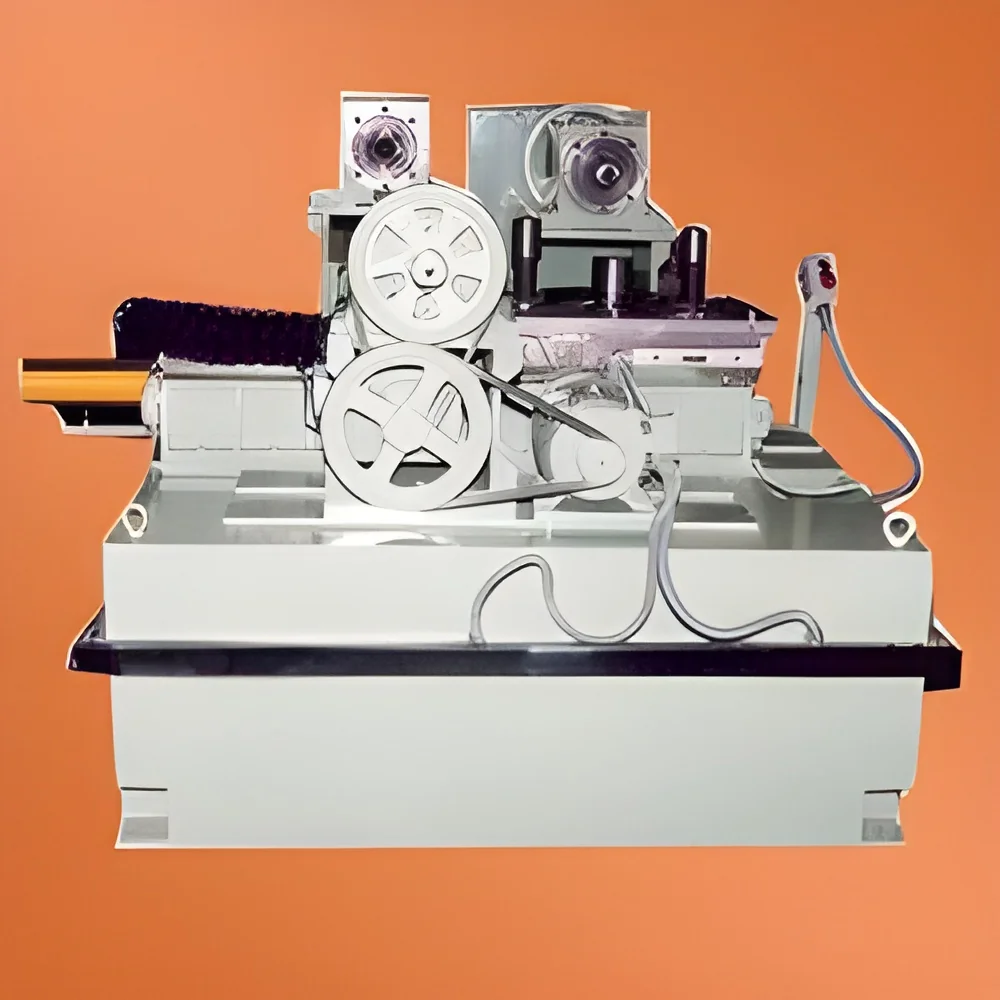
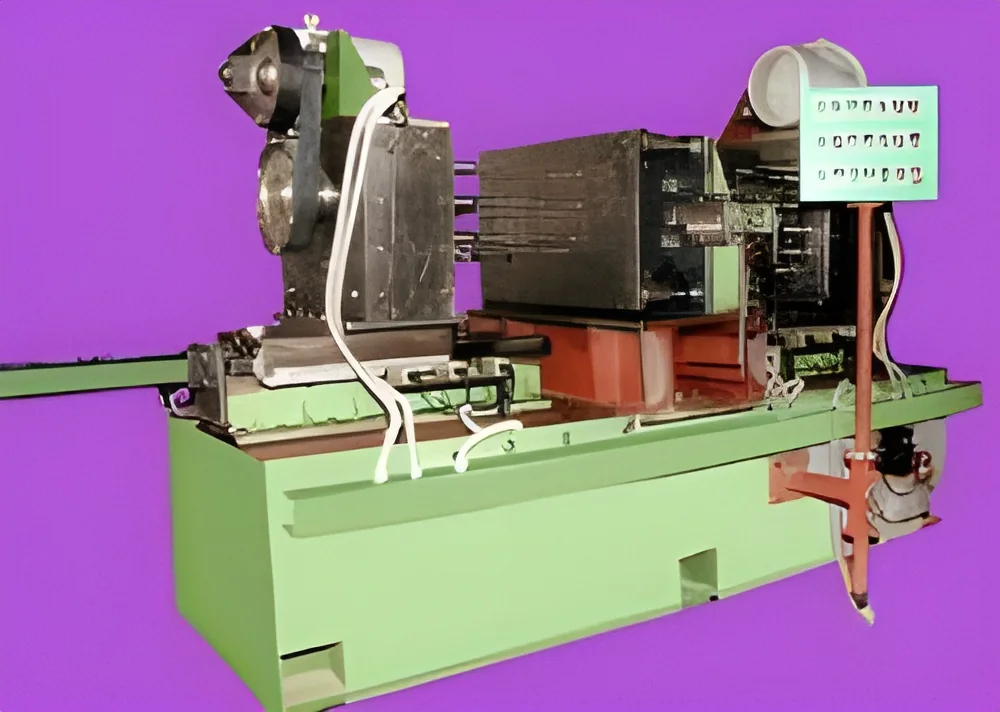
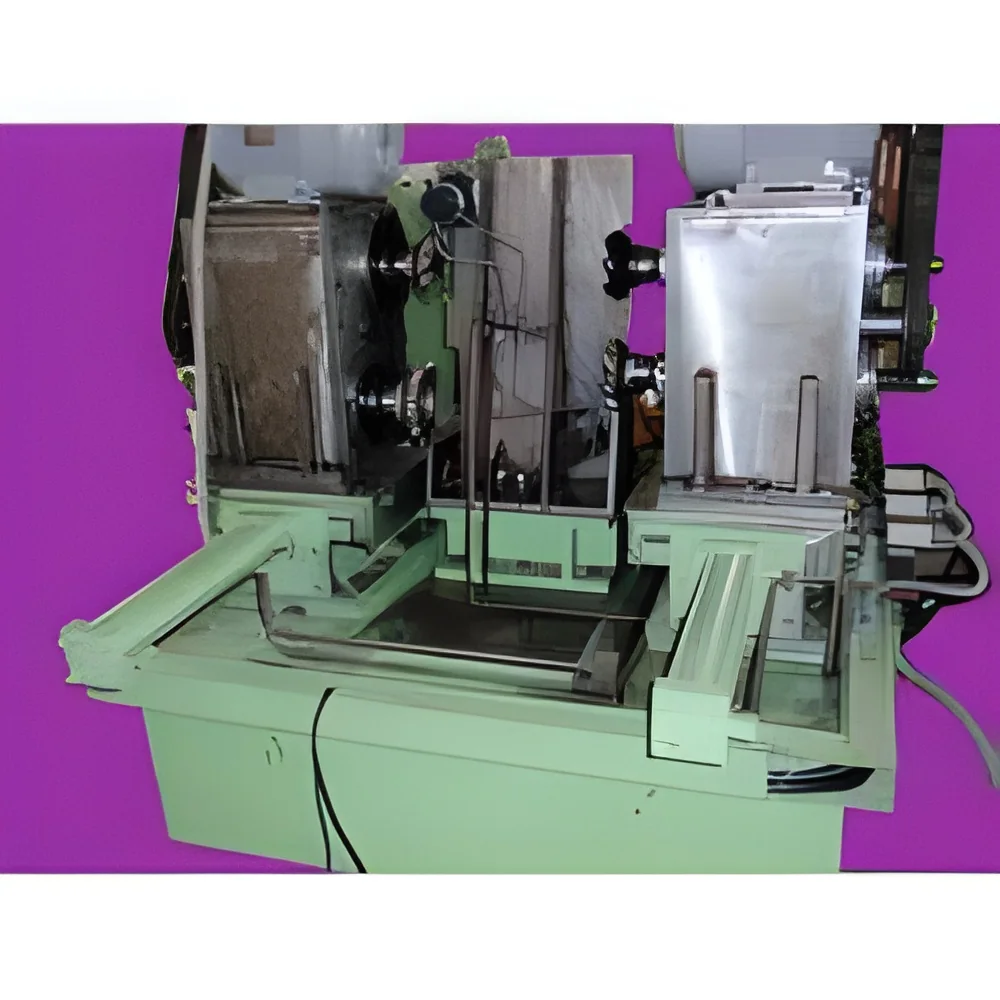
Multi spindle milling machines are engineered to perform milling operations on multiple positions or planes of a component within a single setup. This advanced capability eliminates the need for workpiece repositioning between operations, dramatically reducing cycle times while enhancing overall production efficiency. Built with robust construction and precision engineering, these machines ensure consistent accuracy and reliable performance for demanding manufacturing environments. They represent the ideal solution for businesses seeking to streamline production processes, minimize human error, and achieve higher output volumes without compromising on quality standards. The integration of advanced spindle technology enables simultaneous machining operations, establishing these machines as fundamental to modern manufacturing efficiency and productivity.

These versatile machines serve critical roles across multiple industries including automotive, aerospace, industrial machinery, and en...
Multi spindle milling machines are engineered to perform milling operations on multiple positions or planes of a component within a single setup. This advanced capability eliminates the need for workpiece repositioning between operations, dramatically reducing cycle times while enhancing overall production efficiency. Built with robust construction and precision engineering, these machines ensure consistent accuracy and reliable performance for demanding manufacturing environments. They represent the ideal solution for businesses seeking to streamline production processes, minimize human error, and achieve higher output volumes without compromising on quality standards. The integration of advanced spindle technology enables simultaneous machining operations, establishing these machines as fundamental to modern manufacturing efficiency and productivity.

These versatile machines serve critical roles across multiple industries including automotive, aerospace, industrial machinery, and energy sectors. Automotive manufacturers utilize them for precision milling of engine blocks, transmission cases, and braking system components with exceptional accuracy. Aerospace companies depend on these machines for machining critical structural elements like turbine blades, wing brackets, and landing gear components. Industrial machinery producers employ them for fabricating pump bodies, valve housings, and complex gearbox assemblies. The energy sector relies on these machines for precision parts in turbines, generators, and power transmission systems. Their adaptability makes them suitable for any industry requiring multi-face milling operations on medium to large-scale components with tight tolerance requirements.

Investing in a multi spindle milling machine delivers significant business value through reduced operational costs, minimized production downtime, and increased manufacturing throughput. The inherent reliability of these machines ensures consistent part quality, substantially reducing scrap rates and eliminating rework expenses. Their precision engineering allows businesses to maintain tight tolerances across high-volume production runs, enhancing product quality and customer satisfaction. With lower energy consumption per operation compared to multiple single-spindle machines, they offer improved energy efficiency and reduced utility costs. These distinct advantages make them an intelligent choice for manufacturers seeking long-term reliability, operational excellence, and sustainable competitive advantage in today's demanding industrial landscape.

Key Features:
- Multiple spindles enable simultaneous milling operations
- Robust construction ensures durability and operational stability
- Precision engineering maintains consistent machining accuracy
- Advanced control systems for seamless operation integration
- High-performance components for reliable long-term operation

Benefits:
- Significant reduction in production cycle times
- Enhanced manufacturing productivity and output capacity
- Consistent part quality with minimal variation
- Reduced operational costs through efficiency improvements
- Lower energy consumption compared to multiple single machines
Specifications
| Additional Information | |
|---|---|
| Country of Origin | India |
Application
Multi spindle milling machines excel at complex components requiring milling on multiple surfaces simultaneously. They eliminate repositioning needs while ensuring consistent accuracy and significantly reducing handling time. These machines prove essential for high-volume production environments where precision and efficiency are critical operational requirements.
Manufacturers across automotive, aerospace, and industrial machinery sectors depend on these machines for critical components like engine blocks and structural parts. Their capability to perform diverse operations in single setup makes them indispensable for optimizing floor space and improving operational workflow efficiency while maintaining tight tolerances.
- Automotive engine block milling for cylinder heads and mounting surfaces
- Aerospace component machining for wing brackets and landing gear parts
- Industrial pump and valve body milling in fluid handling systems
- Electrical enclosure and panel machining for precise cut-outs and holes
- Custom fabrication of jigs, fixtures, and tooling plates with multi-face operations
Trade Details
| Available Stock | In Stock |
| Sample Availability | No |
Payment Terms
| Payment Terms |
|
Company Profile
Auram App Tech Pvt Ltd, Maharashtra
 Maharashtra, India
Maharashtra, IndiaFood & Agriculture•Manufacturer•Trading Company•Importer / Exporter
Factory Details
Factory SizeBelow 1000 sqm
Annual Production Capacity0
Main Markets
South Asia
Multi Spindle Milling Machine For Precision Multi Position Operations
Multi Spindle Milling Machine delivers precision multi-position operations simultaneously, reducing cycle times while enhancing manufacturing productivity for reliable performance in component production.
Min. Order Quantity: 1 unit
Shipping
Shipping fee and delivery date to be negotiated. Contact supplier now for more details.
Auram App Tech Pvt Ltd
 Maharashtra, India
Maharashtra, IndiaFood & AgricultureManufacturer