IN
IN₹
Apparel & Fashion
Description
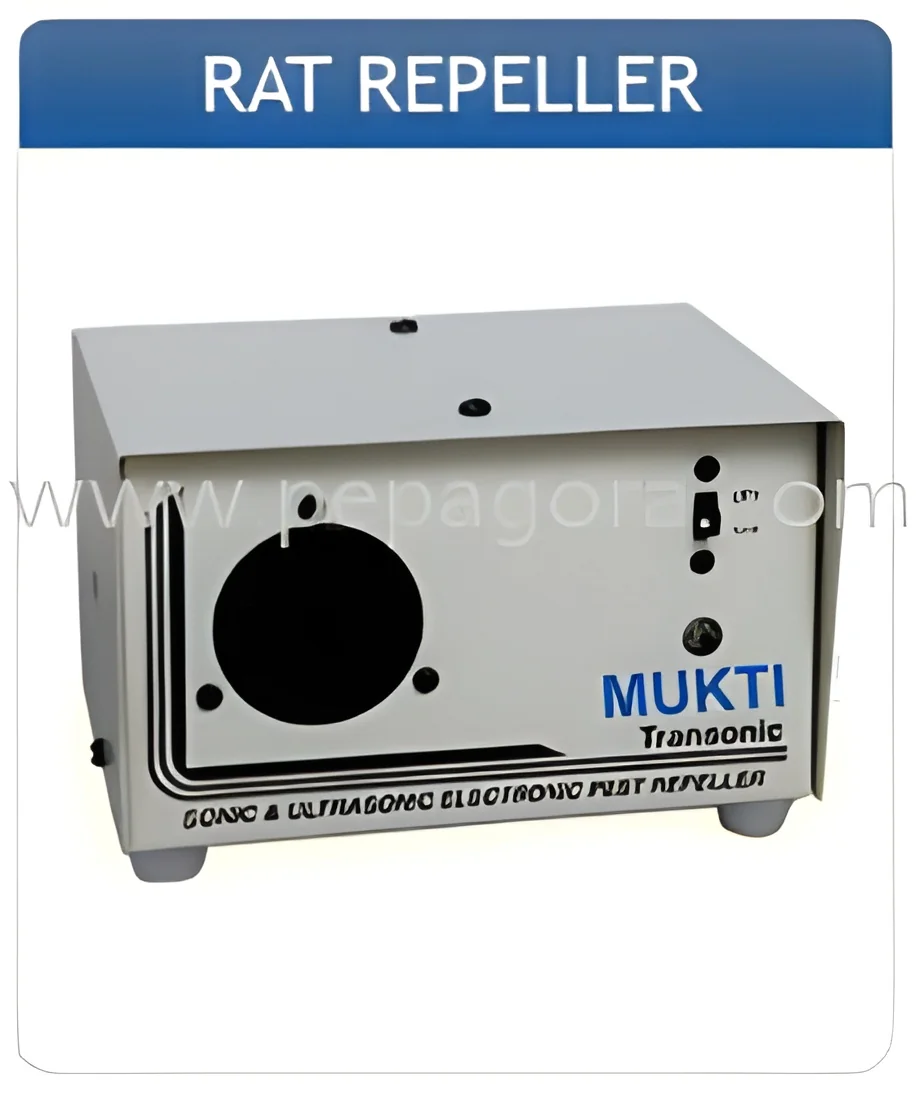
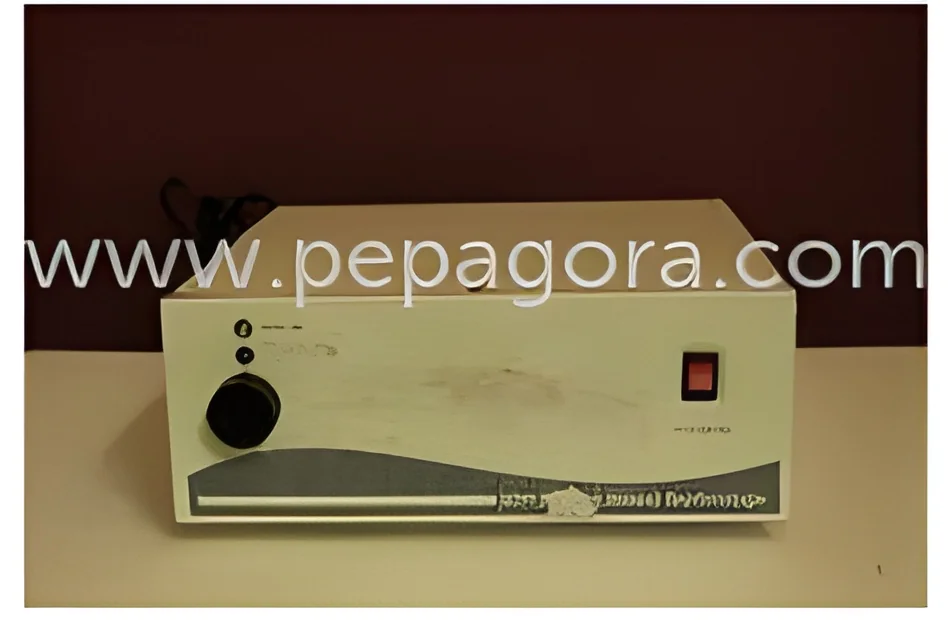
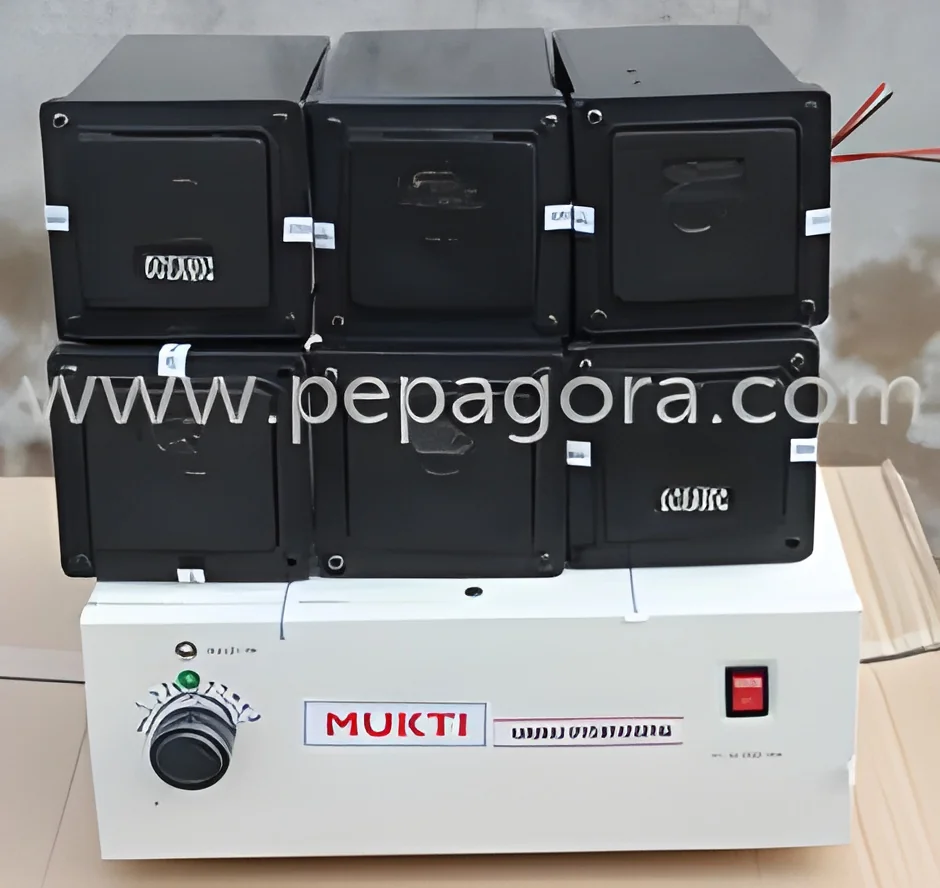
The Industrial Electronic Monkey Repeller Machine represents advanced ultrasonic technology designed for commercial pest control applications. This innovative device utilizes modulated high-frequency sound waves to create an effective deterrent against monkeys and various pests without employing chemicals, traps, or physical barriers. Operating within the 10 KHz to 65 KHz frequency range, the system automatically sweeps through different frequencies to prevent pest adaptation while remaining completely safe for humans, pets, and electronic equipment. The non-interference design ensures compatibility with existing security systems, communication equipment, and facility operations, allowing seamless integration into diverse commercial environments. This approach provides continuous, maintenance-free protection that addresses pest challenges while upholding ethical and environmental standards.

Multiple industries implement this ultrasonic repeller technology to solve specific pest-relate...
The Industrial Electronic Monkey Repeller Machine represents advanced ultrasonic technology designed for commercial pest control applications. This innovative device utilizes modulated high-frequency sound waves to create an effective deterrent against monkeys and various pests without employing chemicals, traps, or physical barriers. Operating within the 10 KHz to 65 KHz frequency range, the system automatically sweeps through different frequencies to prevent pest adaptation while remaining completely safe for humans, pets, and electronic equipment. The non-interference design ensures compatibility with existing security systems, communication equipment, and facility operations, allowing seamless integration into diverse commercial environments. This approach provides continuous, maintenance-free protection that addresses pest challenges while upholding ethical and environmental standards.

Multiple industries implement this ultrasonic repeller technology to solve specific pest-related operational challenges. Agricultural operations utilize these systems to protect valuable crops, orchards, and farm produce from monkey damage and consumption, significantly reducing crop losses. Industrial facilities including manufacturing plants, warehouses, and storage yards deploy the repellers to prevent pest contamination of materials, products, and equipment while avoiding structural damage. Infrastructure managers install these devices at electrical substations, solar power installations, and telecommunications facilities to safeguard critical equipment from animal interference that could cause outages or damage. Commercial property owners use the technology to protect resorts, hotels, and business premises from monkey-related nuisances that affect operations and customer experience. Food industry facilities implement these systems to maintain strict hygiene standards and prevent pest access to processing, packaging, and storage areas.

The business value of this electronic monkey repeller system lies in its operational reliability and cost-effectiveness compared to traditional pest control methods. The initial investment delivers substantial long-term savings by eliminating recurring expenses for chemical treatments, manual pest control services, and damage repairs. Reliability is ensured through robust construction designed for continuous operation in various environmental conditions, from extreme temperatures to moisture exposure. The system's automated operation requires minimal supervision while providing consistent protection, reducing labor costs and management overhead. This technology addresses both immediate pest problems and provides sustainable, long-term solutions that align with modern operational requirements and environmental considerations. The result is enhanced operational continuity, protected assets, and maintained facility standards without compromising safety or ethics.

Key Features:
- Ultrasonic technology emitting modulated frequencies from 10 KHz to 65 KHz for effective pest deterrence
- Automated frequency sweeping prevents pest adaptation and ensures continuous long-term effectiveness
- Non-interference design compatible with existing electronic systems, security equipment, and facility operations
- Weather-resistant construction suitable for both indoor and outdoor installation in diverse environments
- Simple installation with minimal maintenance requirements for reliable, cost-effective operation

Benefits:
- Provides chemical-free, humane pest control that is safe for humans, pets, and the environment
- Reduces operational costs by eliminating recurring expenses for traditional pest control methods
- Protects assets, products, and equipment from pest-related damage and contamination
- Ensures continuous protection with automated operation and minimal supervision requirements
- Offers reliable performance across various environmental conditions and facility types
Specifications
| Additional Information | |
|---|---|
| Country of Origin | India |
Application
This ultrasonic monkey repeller provides a versatile, humane solution for facilities requiring effective pest management without environmental impact. The device operates by emitting modulated high-frequency sound waves that create an uncomfortable environment for monkeys and other pests, encouraging them to leave the area without causing physical harm. Its silent operation ensures no disruption to human activities while providing continuous protection against pest intrusion, damage, and contamination across various operational settings.
Industrial and commercial operations benefit significantly from this technology where traditional pest control methods prove impractical or costly. The system's automated frequency sweeping prevents pests from adapting to the deterrent, ensuring long-term effectiveness. Simple installation and minimal maintenance requirements make it suitable for challenging environments including outdoor agricultural areas, industrial yards, and sensitive facilities where chemical use is restricted. The weather-resistant design guarantees reliable performance through seasonal changes and diverse climatic conditions.
- Protects agricultural fields, orchards, and crop storage areas from monkey damage and fruit theft
- Secures industrial warehouses, manufacturing plants, and storage facilities against pest contamination
- Safeguards electrical substations, solar farms, and telecommunications infrastructure from animal interference
- Maintains hygiene in food processing units, packaging facilities, and cold storage warehouses
- Preserves commercial properties, resorts, and public spaces from monkey-related disturbances and property damage
Trade Details
| Available Stock | In Stock |
| Sample Availability | No |
Payment Terms
| Payment Terms |
|
Company Profile
Modern Pest Control, New Delhi
 New Delhi, India
New Delhi, IndiaServices & Support
Factory Details
Factory SizeBelow 1000 sqm
Annual Production Capacity0
Industrial Electronic Monkey Repeller Machine Ultrasonic Pest Control
Industrial Electronic Monkey Repeller Machine uses ultrasonic pest control technology to effectively deter monkeys and pests from commercial facilities, warehouses, and agricultural areas without chemicals or harm.
Min. Order Quantity: 1 unit
Shipping
Shipping fee and delivery date to be negotiated. Contact supplier now for more details.
Modern Pest Control
 New Delhi, India
New Delhi, IndiaServices & Support