IN
IN₹
Apparel & Fashion
Description
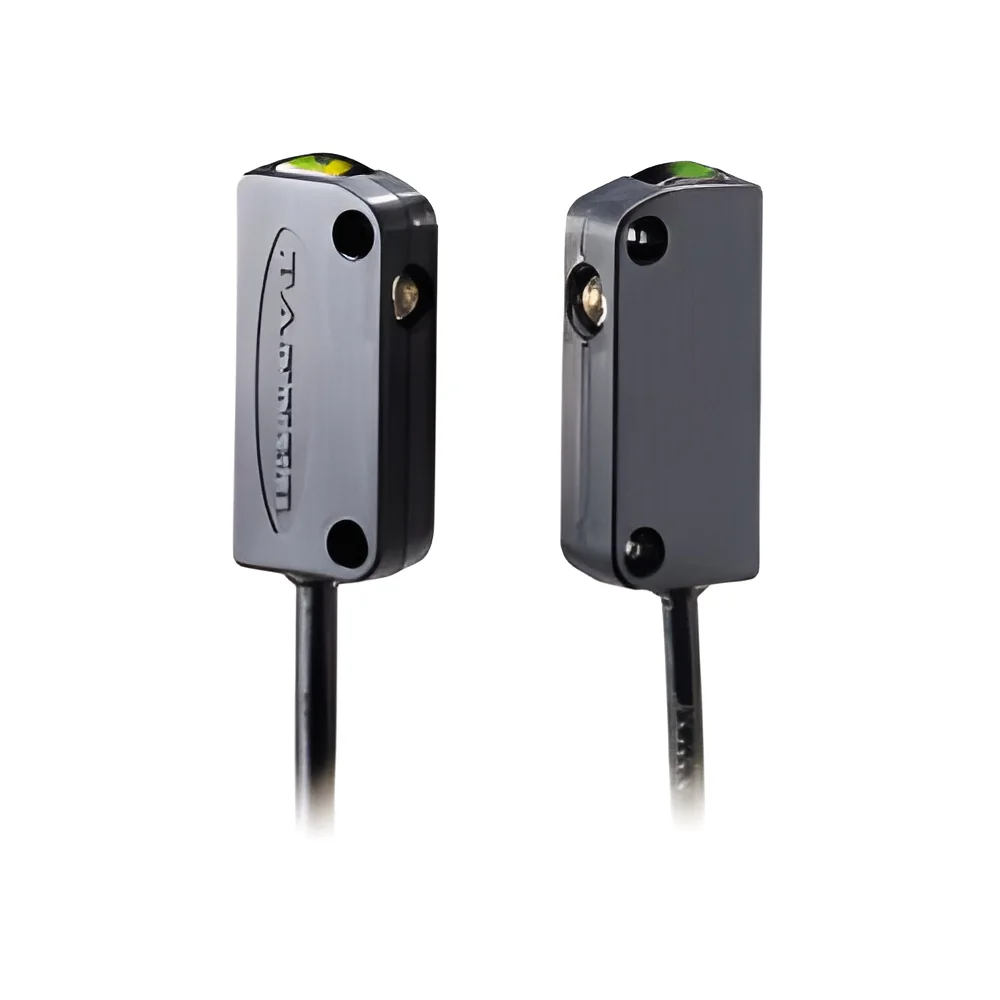
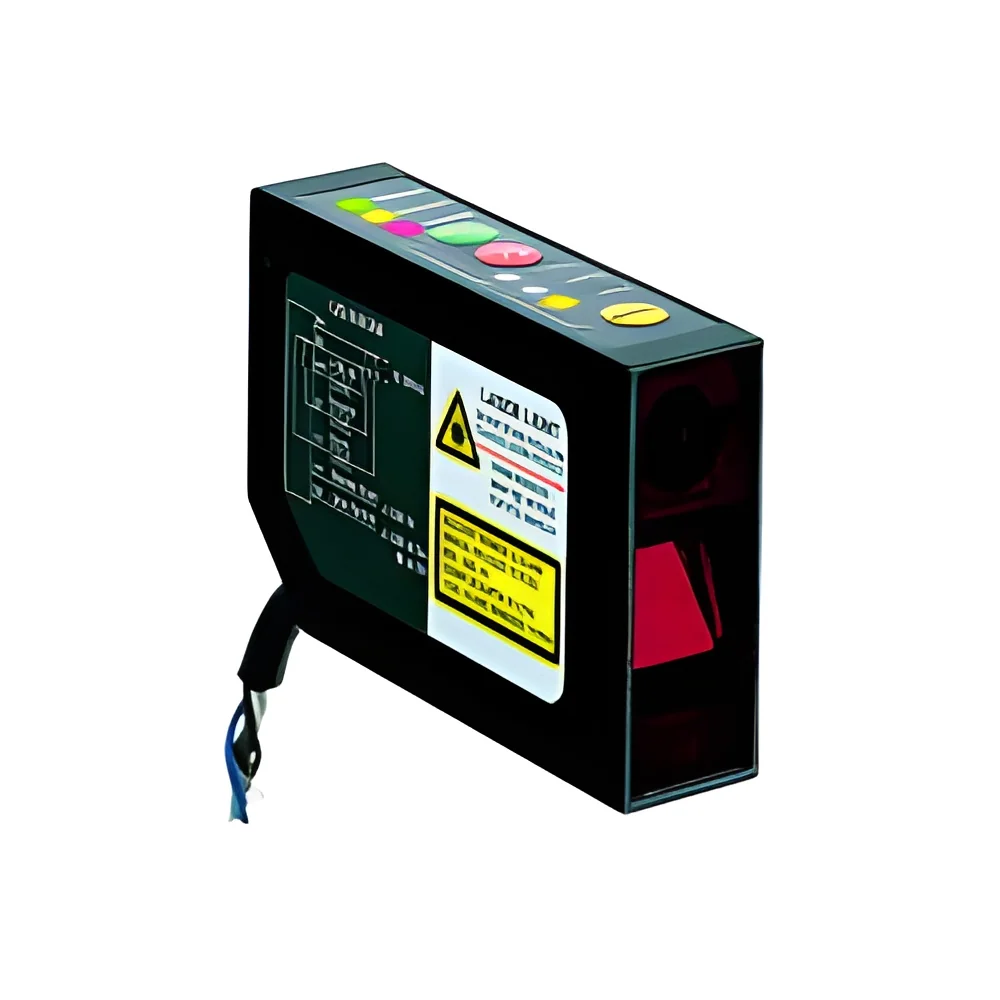
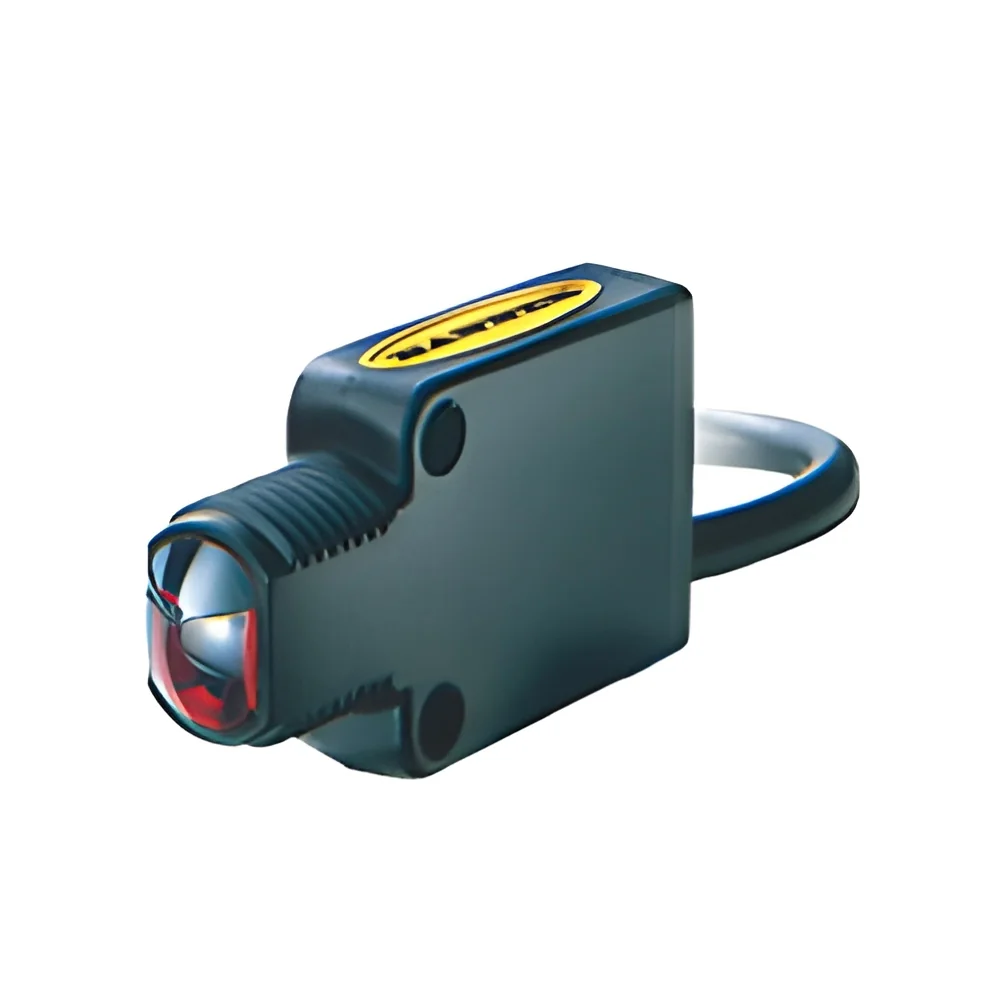
The Industrial Automation Mini Beam MBS 2 Photoelectric Sensor represents precision sensing technology engineered for space-constrained industrial applications. This compact sensor delivers full performance despite being 66% smaller than standard models, operating reliably on 10-30V DC power with both NPN and PNP output configurations. Multiple sensing modes including opposed, polarized retroreflective, non-polarized retroreflective, diffuse, and divergent diffuse provide flexible detection solutions for various application requirements. The intuitive push-button setup simplifies installation and calibration processes, while dual LED indicators visible from multiple angles ensure straightforward status monitoring during operation.

This versatile photoelectric sensor serves critical functions across multiple industrial sectors where space optimization and reliable detection are paramount. Manufacturing facilities utilize it for part verification in tight machinery spaces and component ...
The Industrial Automation Mini Beam MBS 2 Photoelectric Sensor represents precision sensing technology engineered for space-constrained industrial applications. This compact sensor delivers full performance despite being 66% smaller than standard models, operating reliably on 10-30V DC power with both NPN and PNP output configurations. Multiple sensing modes including opposed, polarized retroreflective, non-polarized retroreflective, diffuse, and divergent diffuse provide flexible detection solutions for various application requirements. The intuitive push-button setup simplifies installation and calibration processes, while dual LED indicators visible from multiple angles ensure straightforward status monitoring during operation.

This versatile photoelectric sensor serves critical functions across multiple industrial sectors where space optimization and reliable detection are paramount. Manufacturing facilities utilize it for part verification in tight machinery spaces and component counting on high-speed production lines. Packaging operations benefit from its ability to detect transparent materials and monitor container levels accurately. The automotive industry employs the MBS-2 for precise positioning in assembly processes, while electronics manufacturers rely on it for PCB verification and component presence detection. Logistics and material handling systems integrate this sensor for parcel counting, sorting operations, and automated guidance applications where consistent performance is essential.

The MBS-2 delivers substantial business value through enhanced operational efficiency and reduced system downtime. Its reliability stems from robust construction and quality components that ensure consistent performance even in challenging industrial environments with vibration, dust, and variable lighting conditions. The compact design enables installation in previously inaccessible areas, allowing for better machine layout optimization and more efficient use of available space. Universal voltage compatibility reduces inventory complexity across different markets, while the straightforward installation process minimizes setup time and labor costs. These advantages combine to provide a cost-effective sensing solution that improves system performance while lowering total cost of ownership through reduced maintenance requirements and extended service life.

Key Features:
- Compact housing design 66% smaller than standard photoelectric sensors
- Wide operating voltage range of 10-30V DC with NPN and PNP outputs
- Multiple sensing modes including opposed, retroreflective, and diffuse options
- Simple push-button configuration for quick setup and calibration
- Dual LED status indicators visible from back and side angles

Benefits:
- Space-saving design enables installation in tight machinery spaces
- Universal compatibility with various control systems worldwide
- Flexible detection capabilities for different materials and surfaces
- Reduced installation time and simplified maintenance procedures
- Enhanced operational visibility through multi-angle status monitoring
Specifications
| Additional Information | |
|---|---|
| Country of Origin | India |
Application
The Mini-Beam MBS-2 excels in space-constrained industrial environments where reliable object detection is critical. Its compact design enables installation in tight machinery spaces while maintaining high-performance sensing capabilities across various operating conditions. The sensor's versatile output configurations and multiple detection modes ensure compatibility with diverse automation systems and applications.
With universal 10-30V DC operation and both NPN/PNP output options, this sensor integrates seamlessly into existing control systems worldwide. The multiple sensing modes including opposed, retroreflective, and diffuse detection provide solutions for different surface materials and environmental challenges, ensuring accurate performance in demanding industrial settings.
- Component detection on automated assembly lines in manufacturing facilities
- Position verification in robotic handling and pick-and-place systems
- Level monitoring for transparent containers in packaging operations
- Object counting and sorting on conveyor systems in distribution centers
- Presence detection in pharmaceutical manufacturing equipment
Trade Details
| Available Stock | In Stock |
| Sample Availability | No |
Payment Terms
| Payment Terms |
|
Company Profile

Automation Systems & Solution, New Delhi
 New Delhi, India
New Delhi, IndiaElectronics & Electrical•Manufacturer•Retailer
Factory Details
Factory SizeBelow 1000 sqm
Annual Production Capacity0
Industrial Automation Mini Beam MBS 2 Photoelectric Sensor 10 30V DC NPN/PNP
Mini Beam MBS 2 photoelectric sensor delivers reliable object detection in compact spaces with 10-30V DC operation, NPN/PNP outputs, and multiple sensing modes for industrial automation applications requiring precision and durability.
Min. Order Quantity: 1 unit
Shipping
Shipping fee and delivery date to be negotiated. Contact supplier now for more details.
Automation Systems & Solution
 New Delhi, India
New Delhi, IndiaElectronics & ElectricalManufacturer