IN
₹
Description
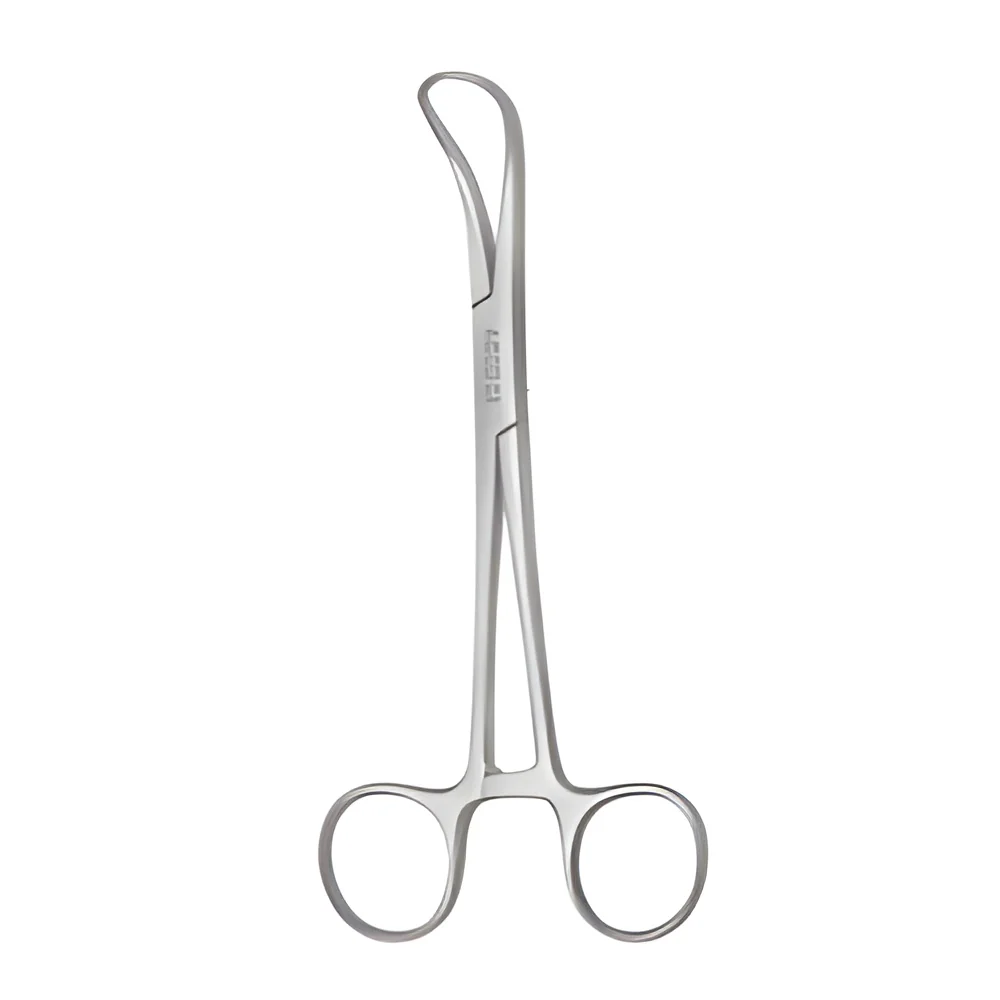
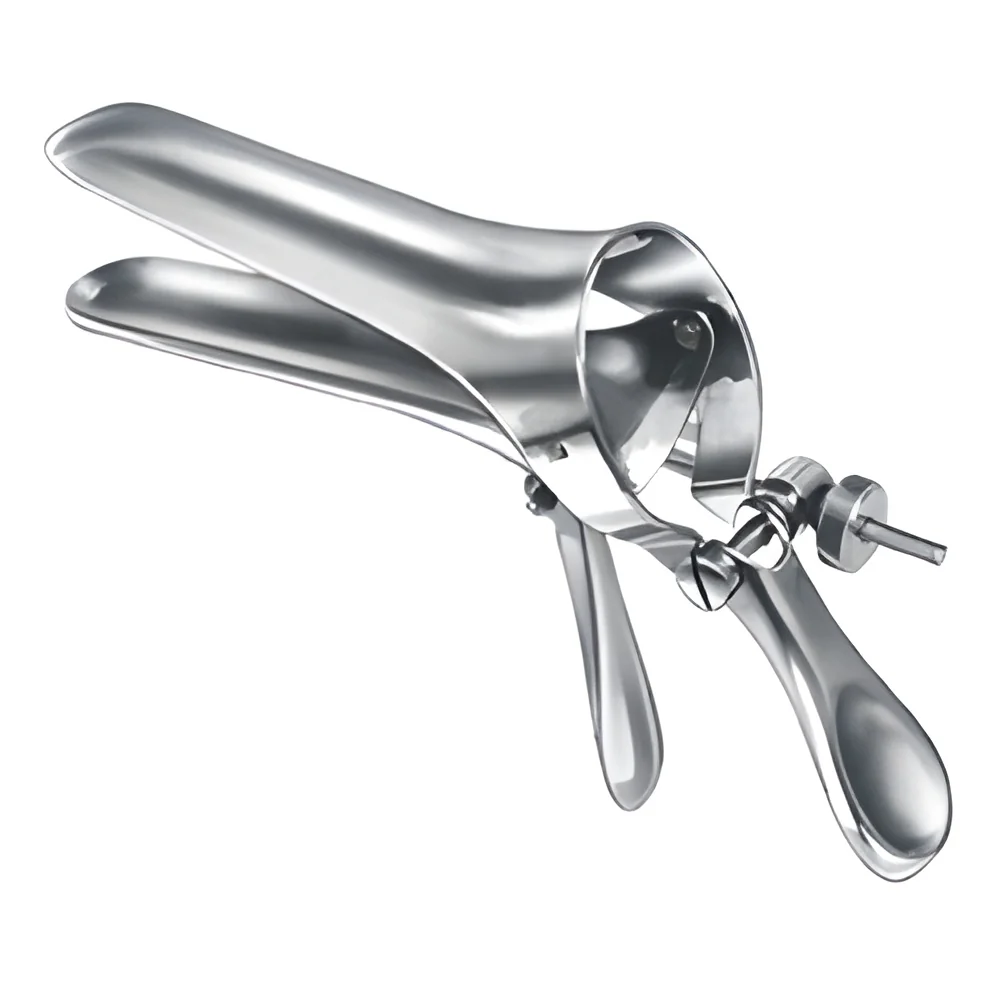
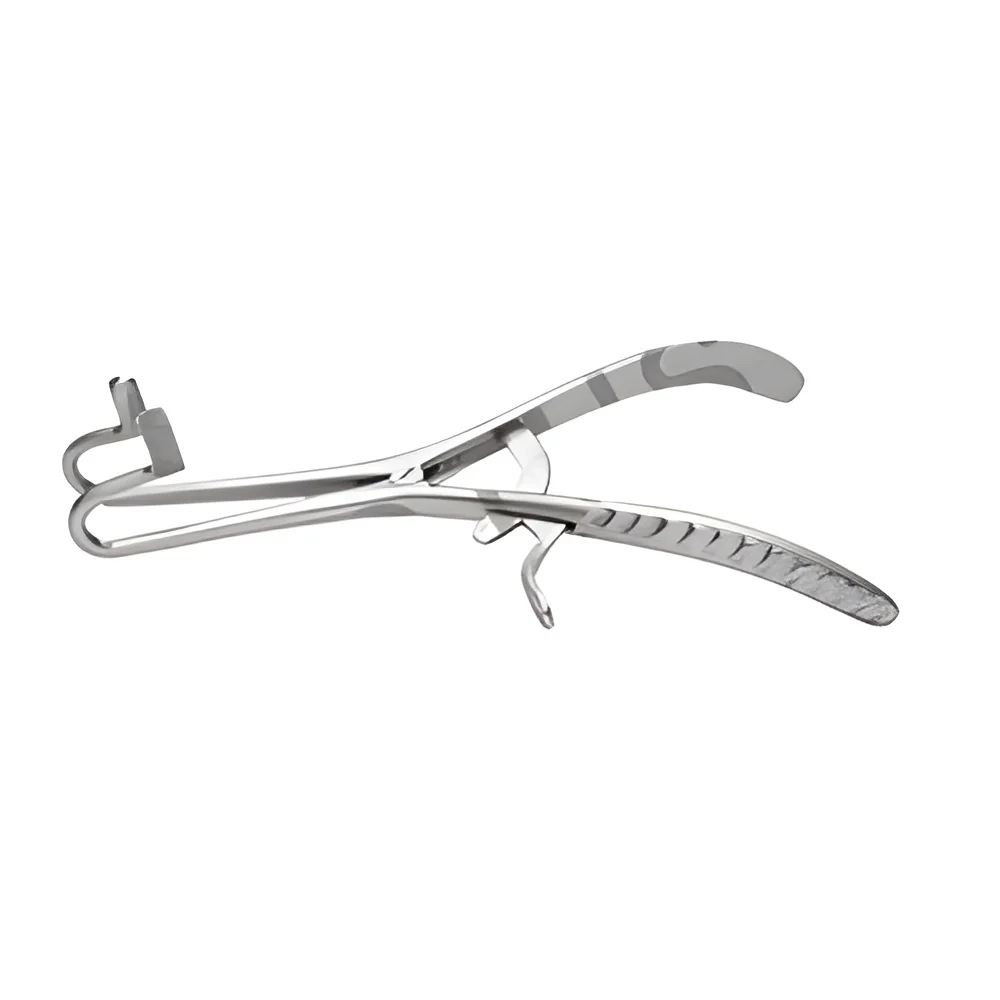
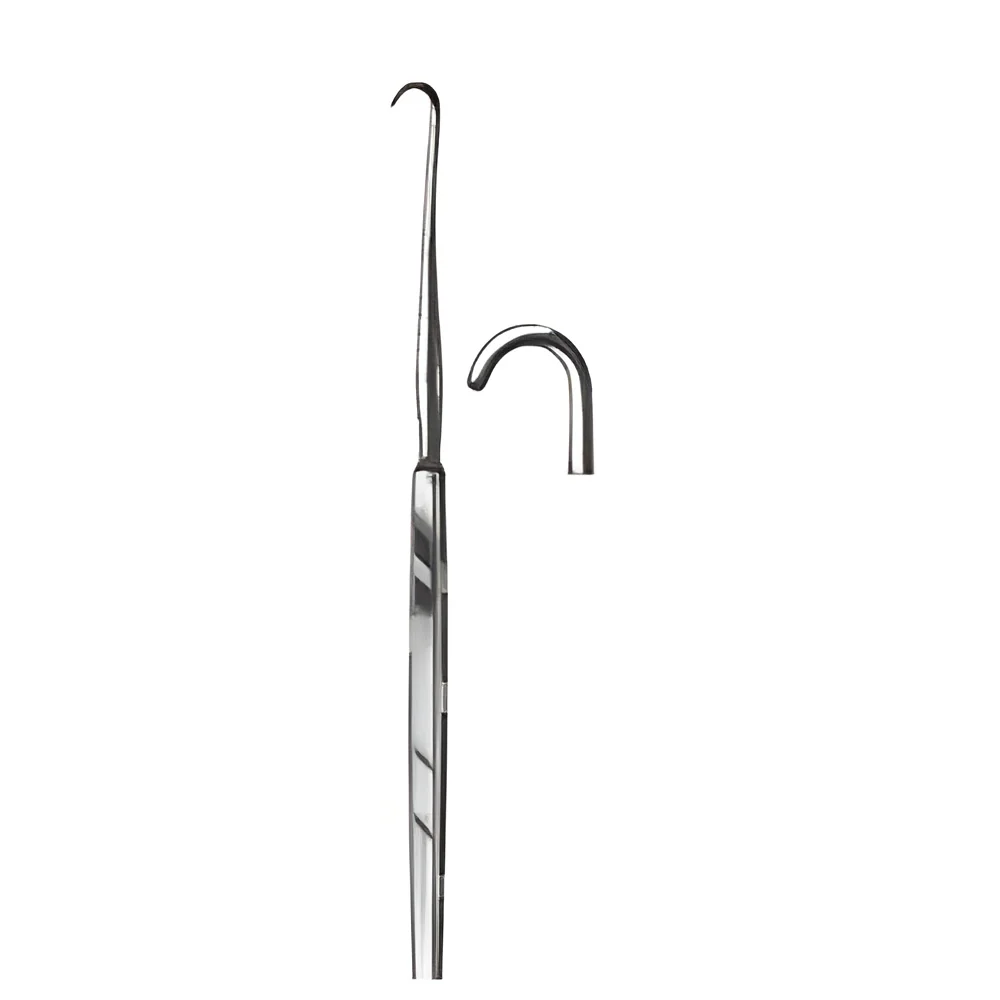
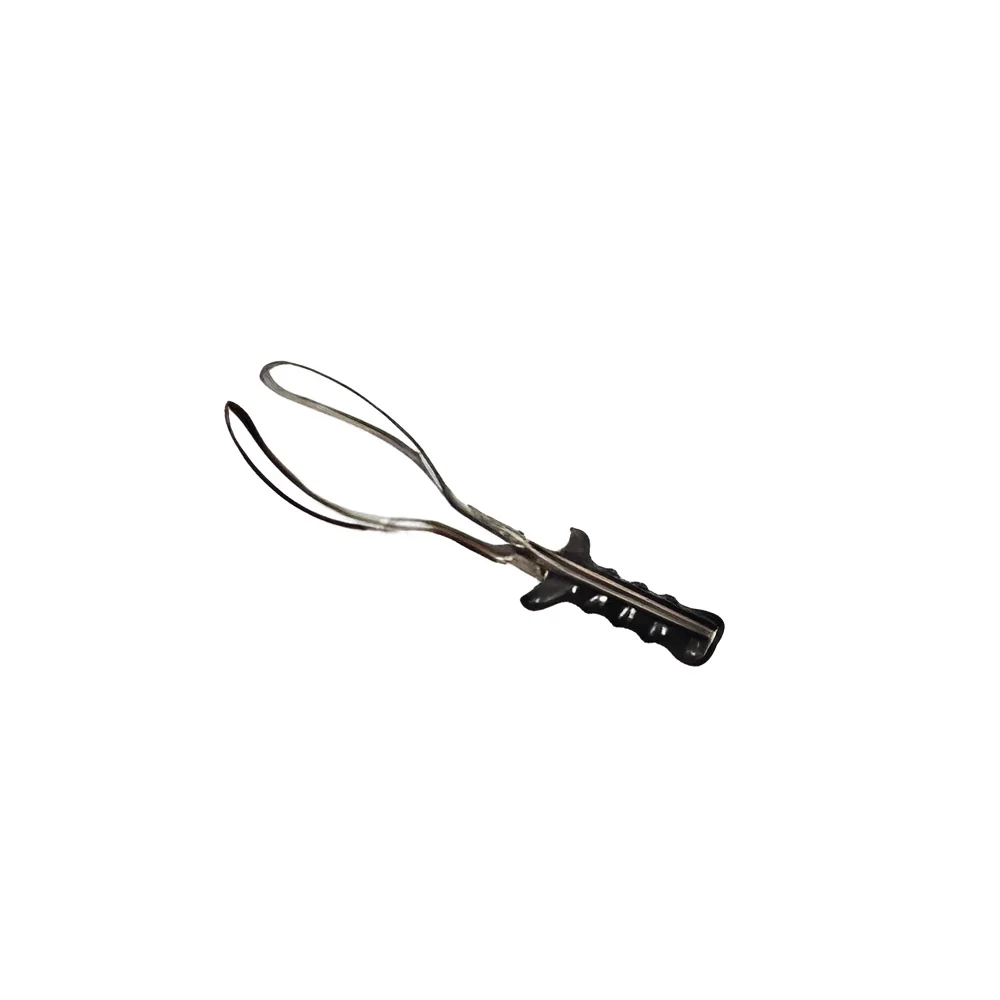
Our premium midwifery forceps represent advanced obstetric instrument engineering, designed specifically for safe and effective assisted deliveries. Crafted from high-grade surgical stainless steel, these forceps undergo rigorous quality control processes to ensure exceptional durability and reliability in critical medical situations. The precision-engineered design provides healthcare professionals with optimal control during delicate procedures, while the sterilization-compatible construction allows for repeated use in various clinical environments. We understand the critical nature of obstetric interventions, which is why our forceps combine traditional medical craftsmanship with modern manufacturing standards to deliver instruments that meet the highest global healthcare requirements.

These obstetric forceps serve vital roles across multiple healthcare settings, including hospital maternity wards, private obstetric practices, community health centers, and teaching hospitals. Obste...
Our premium midwifery forceps represent advanced obstetric instrument engineering, designed specifically for safe and effective assisted deliveries. Crafted from high-grade surgical stainless steel, these forceps undergo rigorous quality control processes to ensure exceptional durability and reliability in critical medical situations. The precision-engineered design provides healthcare professionals with optimal control during delicate procedures, while the sterilization-compatible construction allows for repeated use in various clinical environments. We understand the critical nature of obstetric interventions, which is why our forceps combine traditional medical craftsmanship with modern manufacturing standards to deliver instruments that meet the highest global healthcare requirements.

These obstetric forceps serve vital roles across multiple healthcare settings, including hospital maternity wards, private obstetric practices, community health centers, and teaching hospitals. Obstetricians, gynecologists, certified midwives, and medical training institutions rely on these instruments for both routine and complex delivery scenarios. The forceps are particularly essential in facilities handling high-risk pregnancies and complicated deliveries, where precise intervention can significantly impact patient outcomes. Their application extends to medical education programs where proper technique training is crucial for developing competent healthcare professionals.

The value of these midwifery forceps lies in their exceptional reliability and cost-effectiveness that meet specific institutional requirements. Healthcare facilities benefit from reduced intervention times, lower complication rates, and decreased need for emergency cesarean sections, ultimately leading to better patient outcomes and more efficient resource utilization. Our forceps are manufactured to withstand repeated sterilization cycles and maintain performance consistency, ensuring long-term value for medical institutions. The competitive pricing structure makes quality obstetric care more accessible across different healthcare systems while maintaining the highest standards of safety and performance.

Key Features:
- Precision-engineered blades designed for secure fetal head grip and minimal tissue trauma
- Ergonomically designed handles with optimal weight distribution for practitioner comfort and control
- High-grade surgical stainless steel construction ensuring durability and corrosion resistance
- Complete sterilization compatibility supporting repeated use in clinical environments
- Multiple size and style options available to accommodate various delivery scenarios and preferences

Benefits:
- Enhanced patient safety through controlled and precise delivery assistance
- Reduced delivery complications and improved childbirth outcomes for mother and infant
- Long-term cost savings through durable construction and repeated sterilization capability
- Improved practitioner comfort and control during prolonged or complex delivery procedures
- Versatile application across various healthcare settings and delivery protocols
Specifications
| Additional Information | |
|---|---|
| Country of Origin | India |
Application
Midwifery forceps are essential obstetric instruments used by medical professionals during assisted vaginal deliveries. They provide secure grip and gentle traction to guide the baby's head, reducing delivery complications and ensuring safer childbirth outcomes for both mother and infant in hospital maternity wards, birthing centers, and clinical settings where obstetricians and trained midwives require reliable tools for challenging delivery scenarios.
These precision instruments are particularly valuable in cases of prolonged labor, fetal distress, or maternal exhaustion where timely intervention becomes necessary. The forceps help maintain proper fetal positioning and controlled delivery during critical moments, supporting both routine procedures and emergency obstetric interventions while being compatible with various delivery protocols and clinical settings across global healthcare systems.
- Assisted vaginal deliveries in hospital maternity wards and birthing centers
- Emergency obstetric interventions when fetal distress requires immediate action
- Training medical students and residents in proper delivery techniques
- Reducing cesarean section rates through appropriate assisted delivery methods
- Supporting midwives and obstetricians in community healthcare clinics
Trade Details
| Available Stock | In Stock |
| Sample Availability | No |
Payment Terms
| Payment Terms |
|
Company Profile
Bir International, Punjab
 Punjab, India
Health & Personal Care•Manufacturer•Distributor / Wholesaler•Importer / Exporter
Factory Details
Factory SizeBelow 1000 sqm
Annual Production Capacity0
Premium Midwifery Forceps For Safe Assisted Deliveries In Hospitals
Premium midwifery forceps for safe assisted deliveries in hospitals and clinics. These reliable obstetric instruments ensure precise control and patient safety, trusted by healthcare professionals worldwide for cost-effective performance.
Min. Order Quantity: 1 unit
Shipping
Shipping fee and delivery date to be negotiated. Contact supplier now for more details.
Bir International
 Punjab, India
Health & Personal CareManufacturer