IN
₹
Description
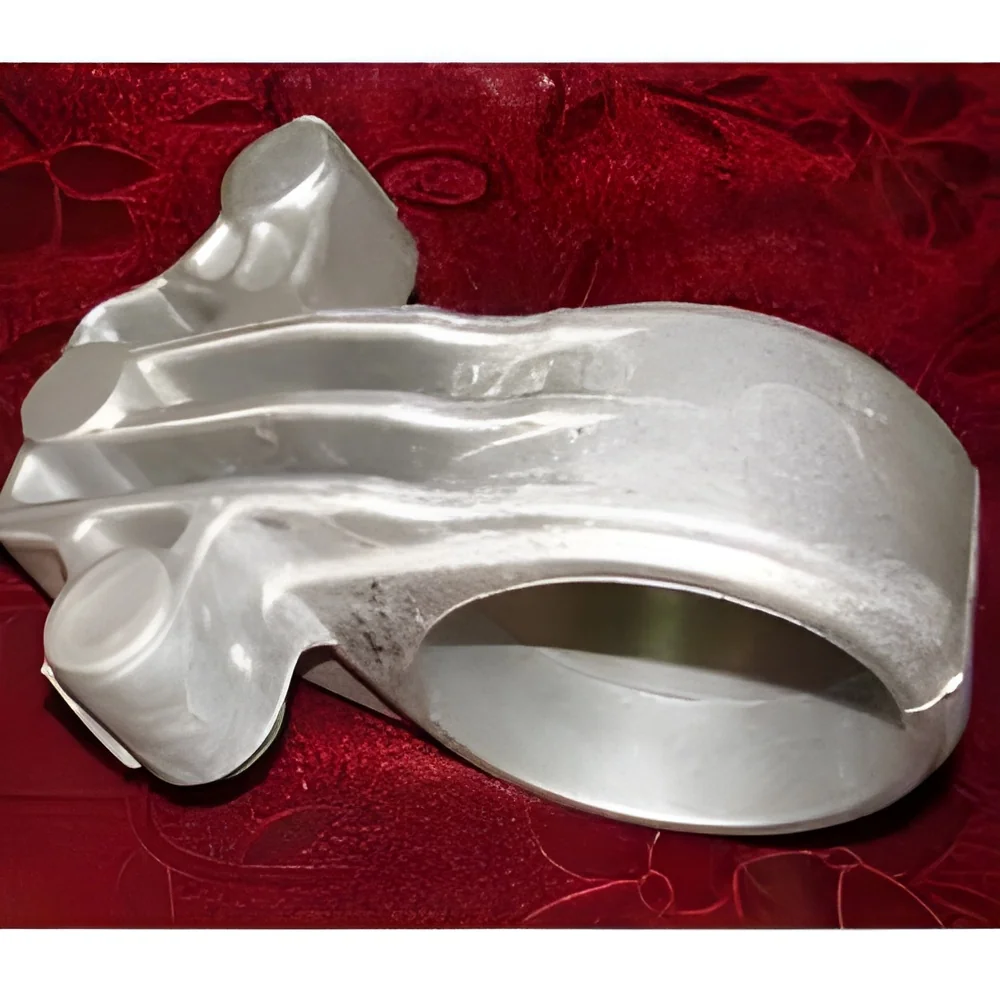
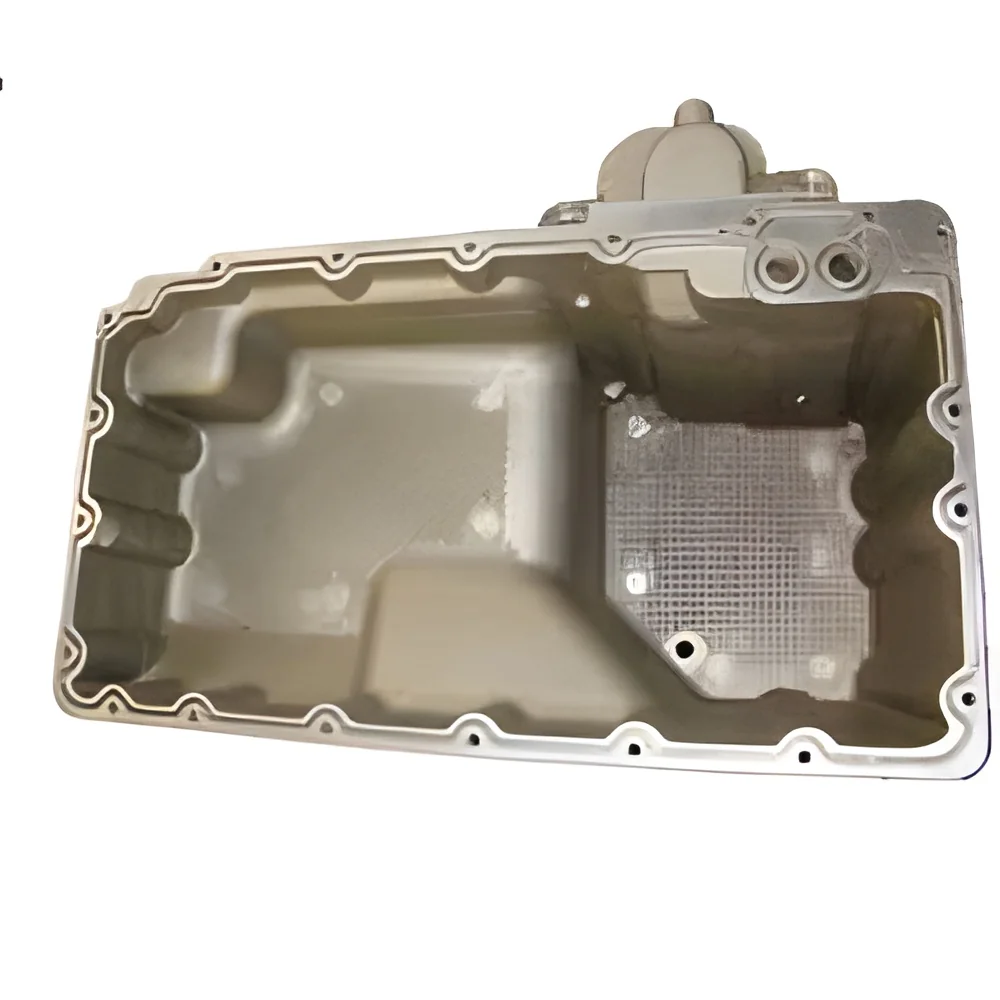
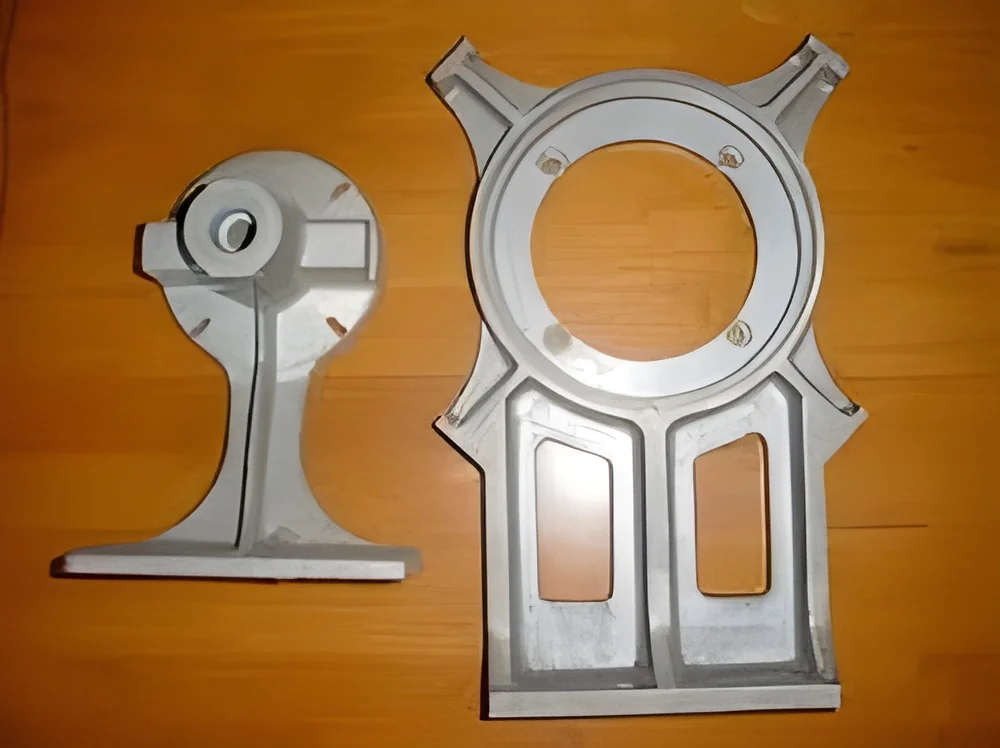
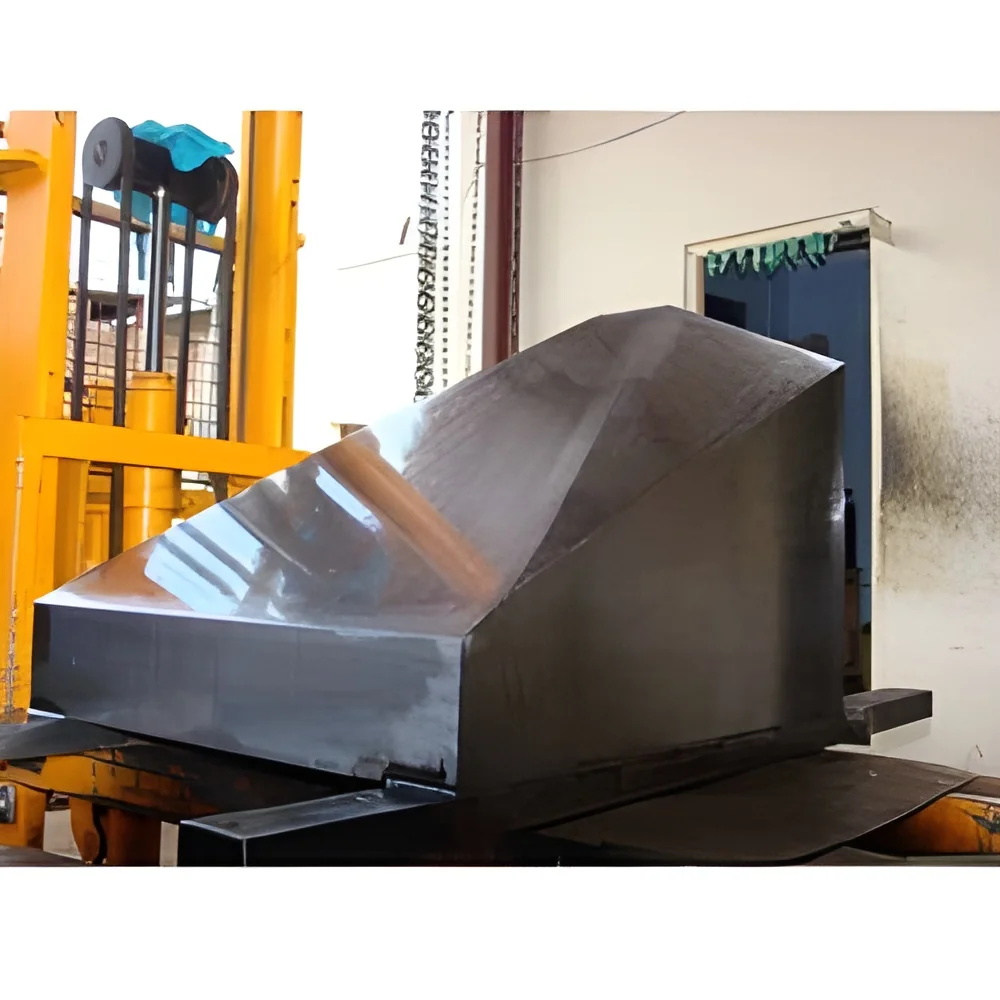
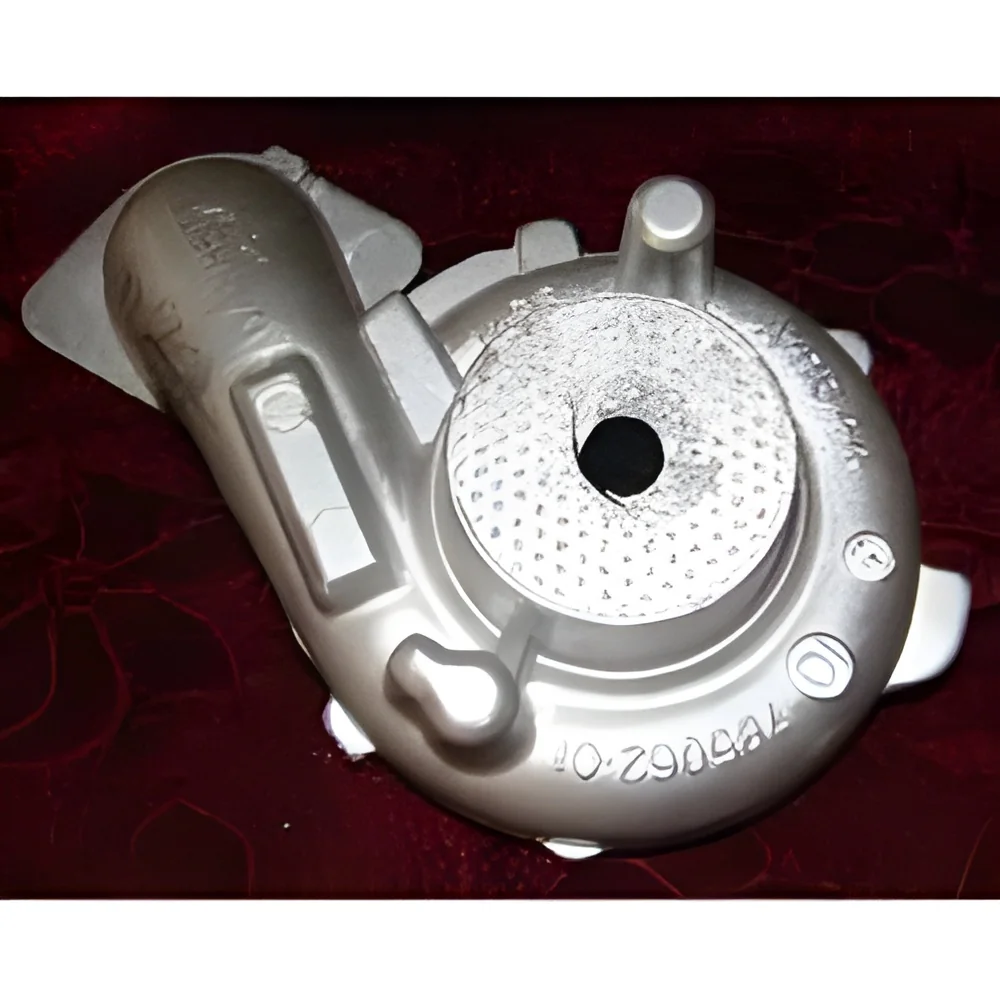
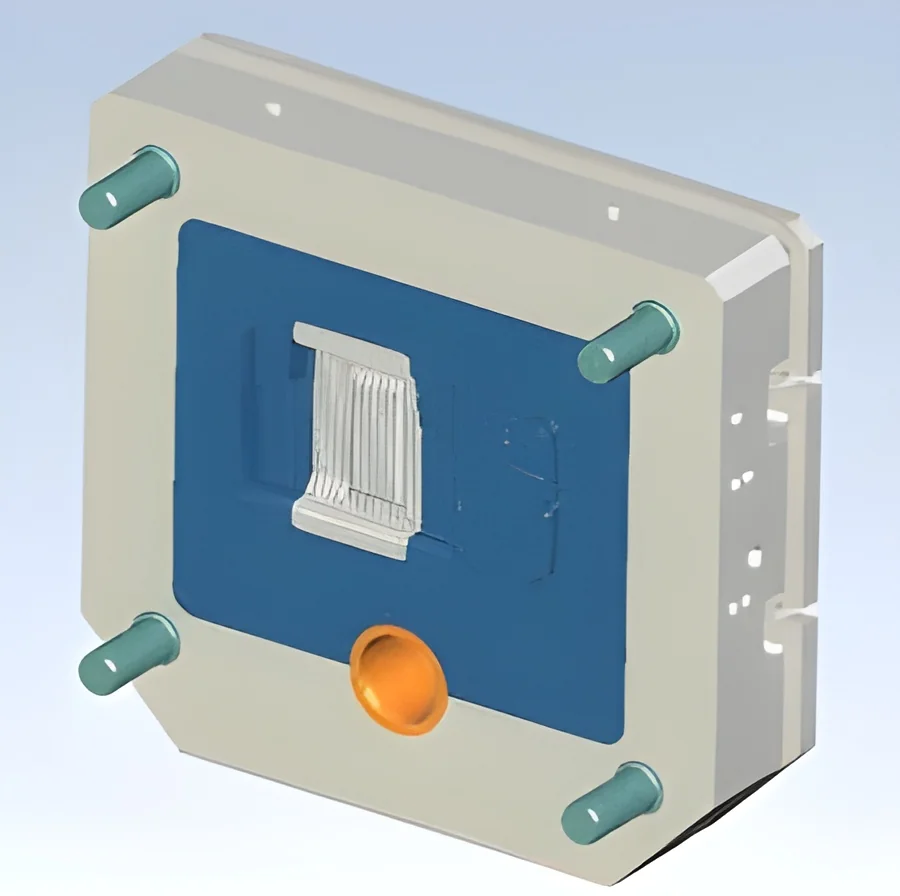
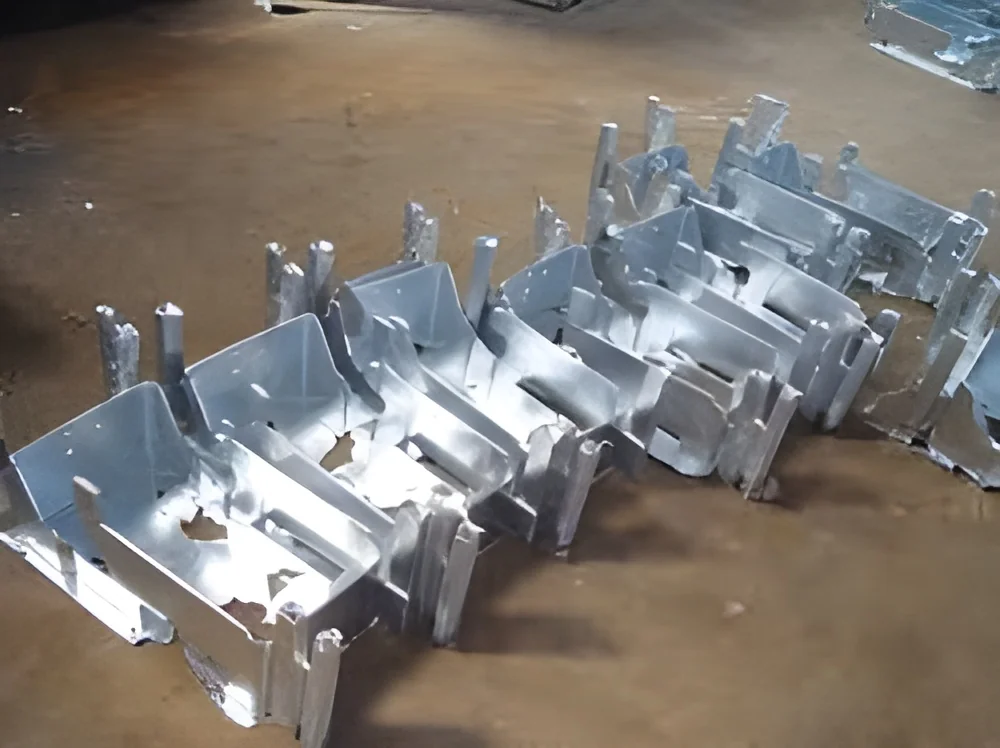
High-pressure metal die casting represents an advanced manufacturing process where molten metal is injected under high pressure into precision steel molds, creating components with exceptional dimensional accuracy and surface quality. The high-pressure injection method ensures complete mold filling and produces parts with consistency as precise as 0.2% of casting dimensions. Our manufacturing process specializes in aluminum, zinc, and copper alloy die castings that undergo rigorous quality control measures at every production stage. We deliver components with excellent mechanical properties, fine surface finishes, and minimal porosity, making this method ideal for high-volume production runs where consistency and reliability are paramount requirements for industrial applications.

Multiple industries depend on die cast components for critical applications due to the method's ability to produce complex shapes with tight tolerances. The automotive sector extensively uses die cast parts f...
High-pressure metal die casting represents an advanced manufacturing process where molten metal is injected under high pressure into precision steel molds, creating components with exceptional dimensional accuracy and surface quality. The high-pressure injection method ensures complete mold filling and produces parts with consistency as precise as 0.2% of casting dimensions. Our manufacturing process specializes in aluminum, zinc, and copper alloy die castings that undergo rigorous quality control measures at every production stage. We deliver components with excellent mechanical properties, fine surface finishes, and minimal porosity, making this method ideal for high-volume production runs where consistency and reliability are paramount requirements for industrial applications.

Multiple industries depend on die cast components for critical applications due to the method's ability to produce complex shapes with tight tolerances. The automotive sector extensively uses die cast parts for engine components, transmission cases, and structural elements that demand high strength and lightweight characteristics. Aerospace manufacturers utilize die castings for instrument housings, brackets, and control system components requiring precision and reliability under extreme operating conditions. Electronics companies rely on die cast enclosures and heat sinks for their EMI shielding properties and thermal management capabilities. Consumer goods manufacturers incorporate die cast parts in power tools, appliances, and hardware where durability and aesthetic appeal are essential. The medical industry also benefits from die cast components in surgical instruments and device housings that require sterilization compatibility and precise dimensional stability.

Our die casting services deliver significant business value through reduced production costs, faster manufacturing cycles, and minimal material waste compared to other metal forming methods. The high-pressure die casting process ensures consistent part quality across large production runs, eliminating variations and reducing rejection rates. We maintain reliability through stringent quality checks, material traceability, and process controls that guarantee every component meets specified requirements. The structural integrity of our die cast components ensures long service life and reduced maintenance costs for end-products. We prioritize client requirements and maintain flexibility in production to accommodate urgent orders while maintaining the highest quality standards and delivery timelines.

Key Features:
- High-pressure injection technology ensuring dimensional accuracy within 0.2%
- Multiple material options including aluminum, zinc, and copper alloys
- Stringent quality control processes at every manufacturing stage
- Capability for complex geometries and intricate designs
- Excellent surface finish quality requiring minimal post-processing

Benefits:
- Consistent part quality across large production runs with minimal variations
- Reduced production costs and faster manufacturing cycles
- Minimal material waste compared to other metal forming methods
- Long service life and reduced maintenance costs for end-products
- Reliable performance under demanding operational conditions
Specifications
| Additional Information | |
|---|---|
| Country of Origin | India |
Application
High-pressure metal die casting produces complex, high-volume components with consistent quality and tight tolerances. This manufacturing method creates durable, precision-engineered parts with excellent surface finishes and minimal post-processing requirements. The high-pressure injection technique ensures dimensional accuracy as precise as 0.2%, making it ideal for applications where consistency and reliability are critical.
Industries from automotive and aerospace to electronics and consumer goods utilize die cast components for superior mechanical properties and cost-effectiveness. Our die casting solutions accommodate various aluminum, zinc, and copper alloys, providing manufacturers with components that meet specific operational requirements. The versatility allows for intricate designs and thin walls that other manufacturing methods cannot achieve efficiently.
- Automotive engine blocks, transmission cases, and structural components requiring high strength-to-weight ratios
- Aerospace instrument housings, brackets, and control mechanisms demanding precision and reliability
- Electronic enclosures, heat sinks, and connector housings requiring EMI shielding and thermal management
- Consumer goods including power tool housings, appliance components, and hardware fixtures needing durability
- Medical equipment parts such as surgical instrument housings and device components requiring sterilization capability
Trade Details
| Available Stock | In Stock |
| Sample Availability | No |
Payment Terms
| Payment Terms |
|
Company Profile
Asian Automation, Tamil Nadu
 Tamil Nadu, India
Manufacturer•Distributor / Wholesaler
Factory Details
Factory SizeBelow 1000 sqm
Annual Production Capacity0
Main Markets
South Asia
High Pressure Metal Die Casting For Precision Components With 0.2% Accuracy
High Pressure Metal Die Casting delivers precision components with 0.2% dimensional accuracy. Our aluminum, zinc, and copper alloy castings provide excellent surface finish and reliability for industrial applications.
Min. Order Quantity: 1 unit
Shipping
Shipping fee and delivery date to be negotiated. Contact supplier now for more details.
Asian Automation
 Tamil Nadu, India
Manufacturer