IN
IN₹
Apparel & Fashion
Loading subcategories...
View More
Description
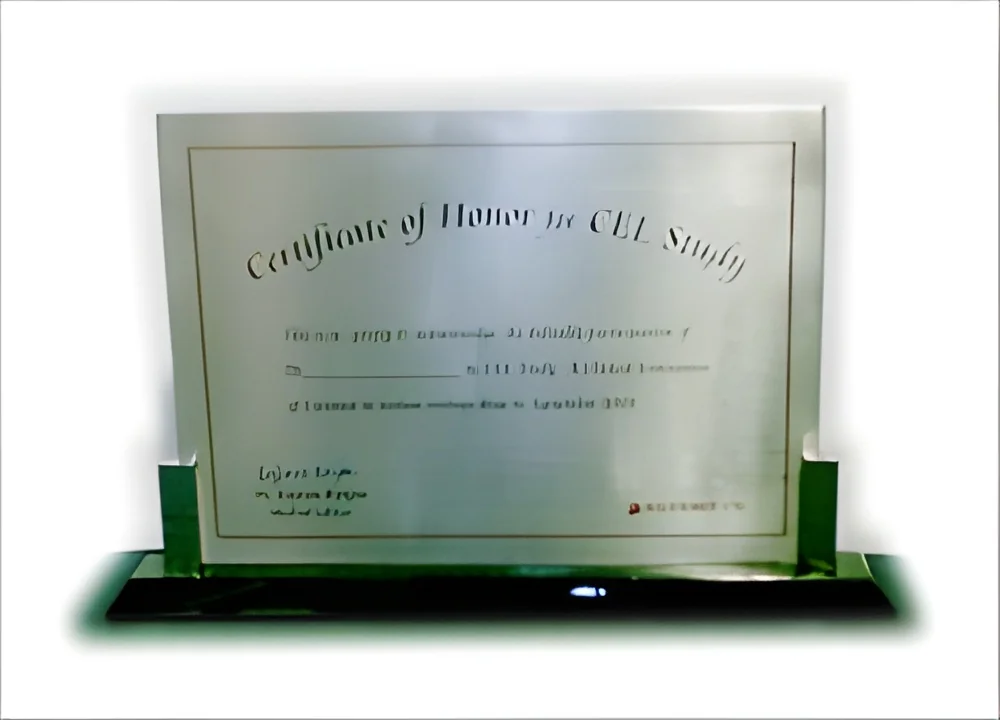
Metal certificates serve as official verification documents that detail the quality, composition, and properties of metal materials. These certificates provide comprehensive information including material grade, chemical analysis, mechanical properties, and compliance with international standards such as ASTM, ISO, and DIN. They offer reliable assurance to procurement specialists, quality managers, and compliance officers who need to validate that materials meet specific project requirements. This documentation enables informed decision-making throughout the supply chain while reducing risks associated with substandard materials. The certificates establish a foundation of trust between trading partners by providing transparent, verifiable data about metal quality and characteristics.

Multiple industrial sectors depend on metal certificates to maintain quality control and meet regulatory requirements. Automotive manufacturers use these documents to verify that metals meet stringent saf...
Metal certificates serve as official verification documents that detail the quality, composition, and properties of metal materials. These certificates provide comprehensive information including material grade, chemical analysis, mechanical properties, and compliance with international standards such as ASTM, ISO, and DIN. They offer reliable assurance to procurement specialists, quality managers, and compliance officers who need to validate that materials meet specific project requirements. This documentation enables informed decision-making throughout the supply chain while reducing risks associated with substandard materials. The certificates establish a foundation of trust between trading partners by providing transparent, verifiable data about metal quality and characteristics.

Multiple industrial sectors depend on metal certificates to maintain quality control and meet regulatory requirements. Automotive manufacturers use these documents to verify that metals meet stringent safety standards for vehicle components and structural elements. Aerospace companies require certificates to ensure materials can withstand extreme operational conditions while adhering to rigorous specifications. Construction firms rely on them to confirm the strength and durability of structural steel in buildings and infrastructure projects. Industrial machinery manufacturers need certificates to guarantee material reliability in equipment production, while energy sectors utilize them for pipeline and power generation applications where materials must endure harsh environments.

The business value of metal certificates lies in their ability to enhance supply chain reliability and reduce potential liabilities. These documents provide clear differentiation in competitive markets by demonstrating commitment to quality and transparency. For businesses, this translates to fewer material rejections, reduced warranty claims, and improved operational efficiency. The reliability of certified metals ensures that end products perform as expected, minimizing downtime and maintenance costs. This documentation supports comprehensive risk management strategies while ensuring regulatory compliance across international markets. Ultimately, metal certificates contribute to stronger supplier relationships and increased customer confidence in material quality.

Key Features:
- Comprehensive chemical composition analysis for precise material verification
- Mechanical properties testing including tensile strength and hardness measurements
- Compliance documentation for international standards including ASTM, ISO, and DIN
- Detailed heat treatment records and processing information
- Traceable batch numbering for complete supply chain accountability

Benefits:
- Enhanced material quality assurance and reduced risk of failures
- Improved regulatory compliance and documentation for audits
- Streamlined procurement processes with verified material data
- Increased supply chain transparency and trust between partners
- Support for quality management systems and certification requirements
Specifications
| Additional Information | |
|---|---|
| Country of Origin | India |
| Customisable | No |
Application
Metal certificates provide documented verification of material composition and quality standards for industrial applications. They serve as essential proof that metals meet required specifications, enabling procurement teams and quality assurance professionals to validate materials before integration into production processes. These documents are fundamental for maintaining supply chain integrity and regulatory adherence across multiple sectors.
Industries including automotive, aerospace, construction, and heavy equipment manufacturing rely on metal certificates to ensure material performance and safety compliance. These certificates help mitigate risks associated with material failures while supporting transparent transactions between suppliers and buyers. The documentation provides assurance that metals will perform as expected in critical applications, from structural components to precision machinery parts.
- Verifying steel composition for automotive chassis and engine components
- Ensuring aluminum alloy specifications for aircraft structural elements
- Validating structural steel quality for high-rise building construction
- Confirming material grades for industrial machinery manufacturing
- Documenting metal properties for pipeline and energy infrastructure projects
Trade Details
| Available Stock | In Stock |
| Sample Availability | No |
Payment Terms
| Payment Terms |
|
Company Profile

Antrikash Metal Works, Maharashtra
 Maharashtra, India
Maharashtra, IndiaSports & Entertainment•Manufacturer•Trading Company•Distributor / Wholesaler
Factory Details
Factory SizeBelow 1000 sqm
Annual Production Capacity0
Main Markets
Domestic
Metal Certificates For Quality Assurance And Compliance
Metal certificates verify material quality and compliance for industrial buyers. These trusted documents ensure reliability in global trade with detailed specifications for metals used across manufacturing sectors.
Min. Order Quantity: 1 unit
Shipping
Shipping fee and delivery date to be negotiated. Contact supplier now for more details.
Antrikash Metal Works
 Maharashtra, India
Maharashtra, IndiaSports & EntertainmentManufacturer