IN
IN₹
Description
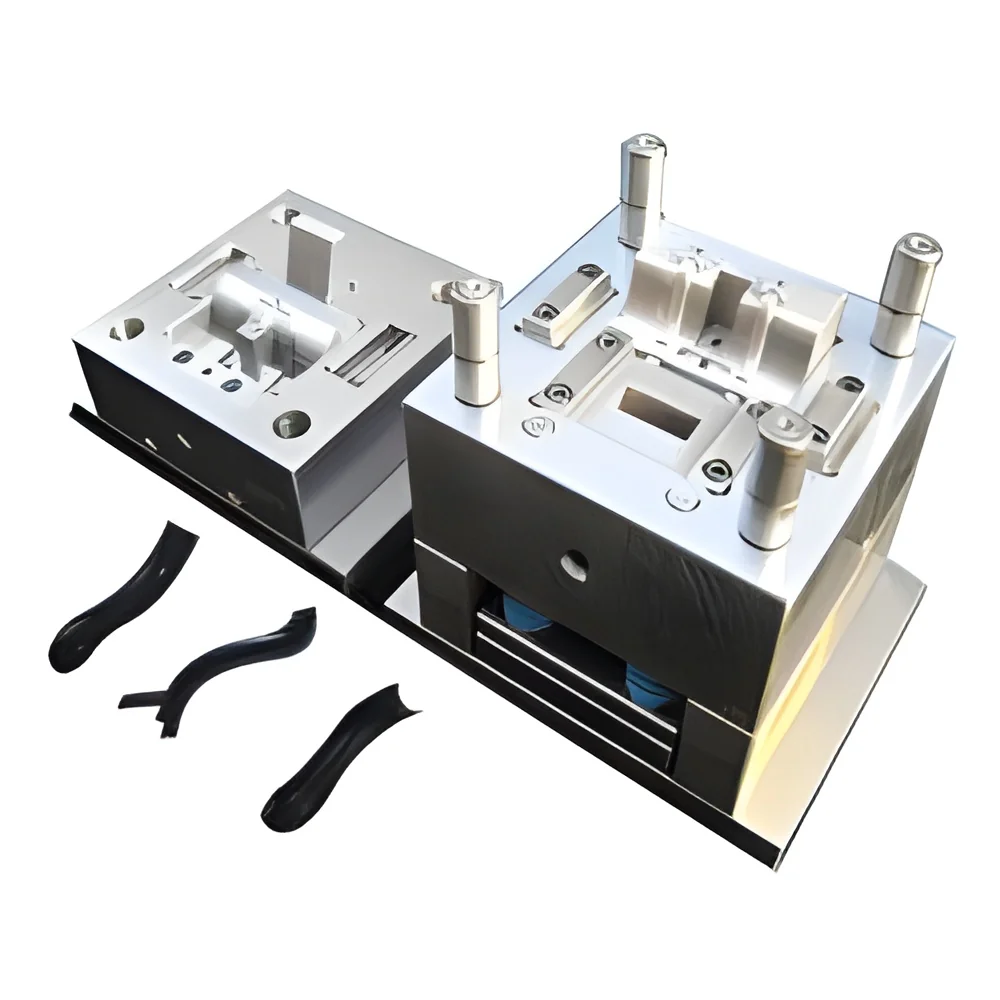
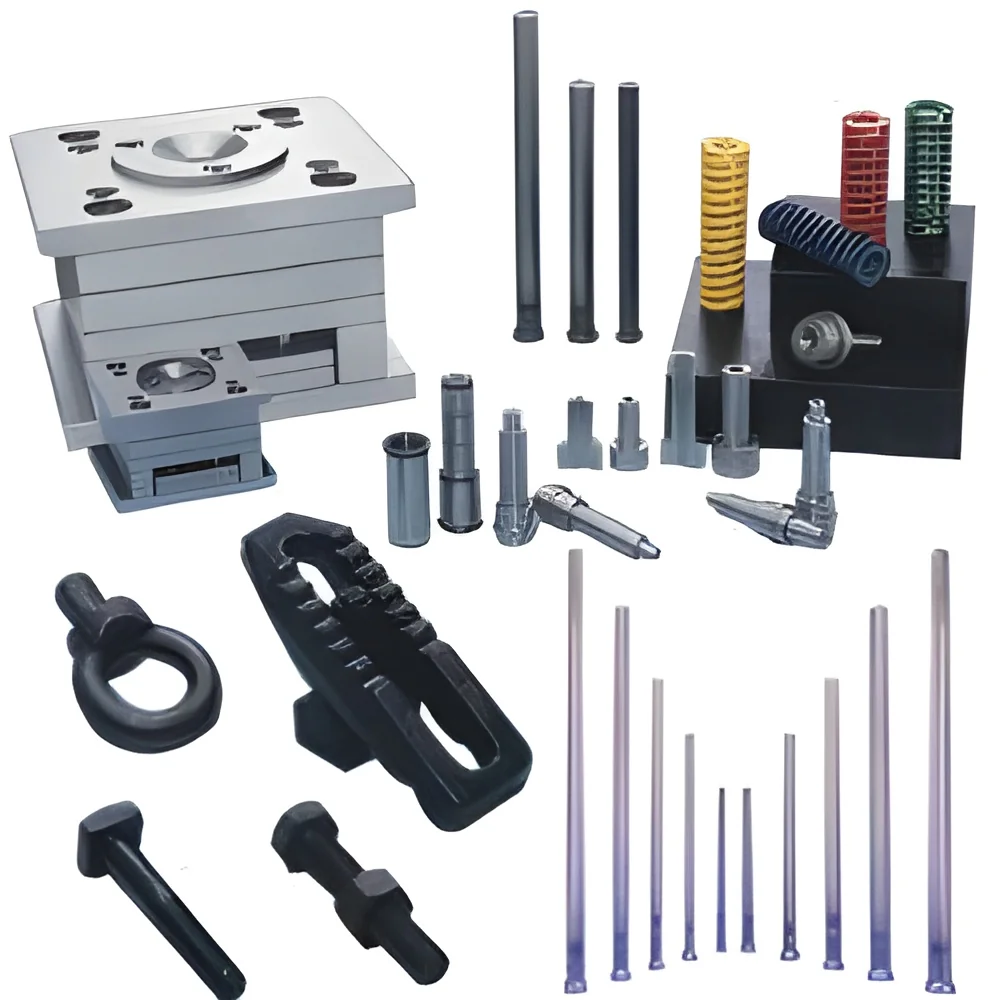
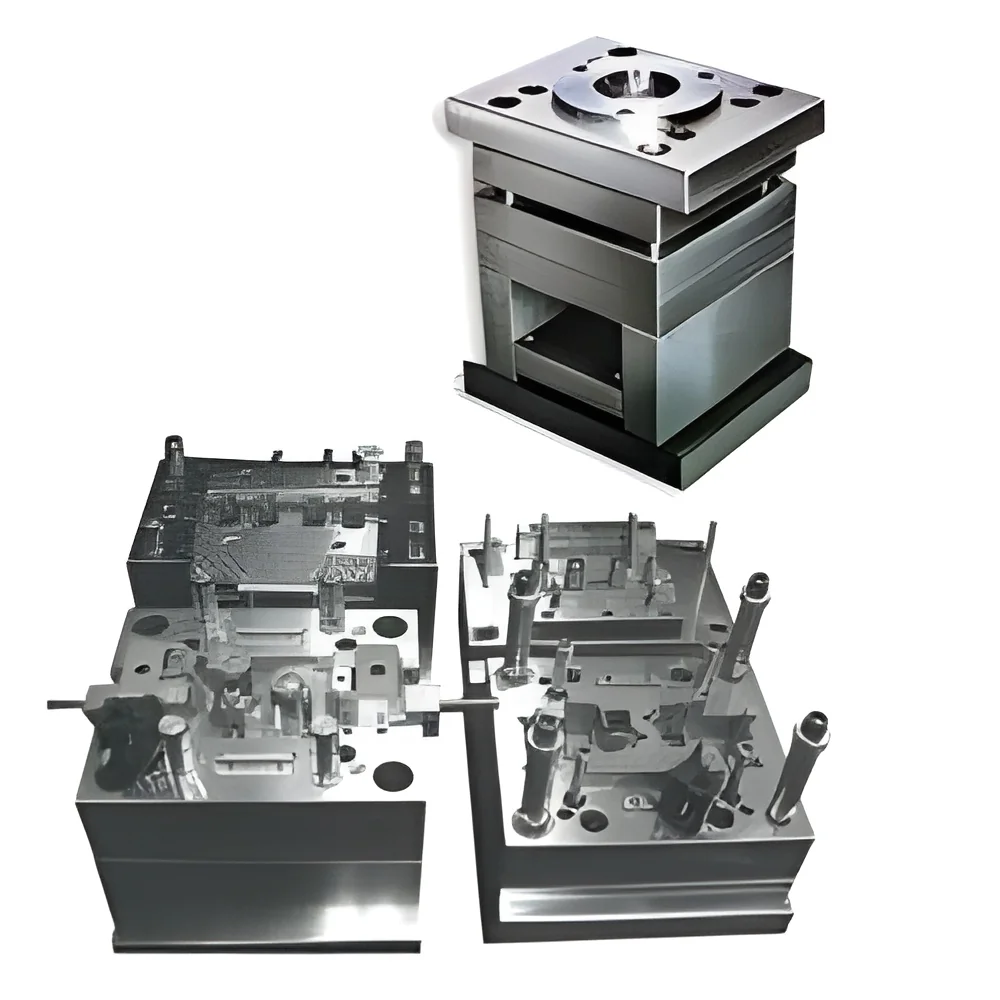
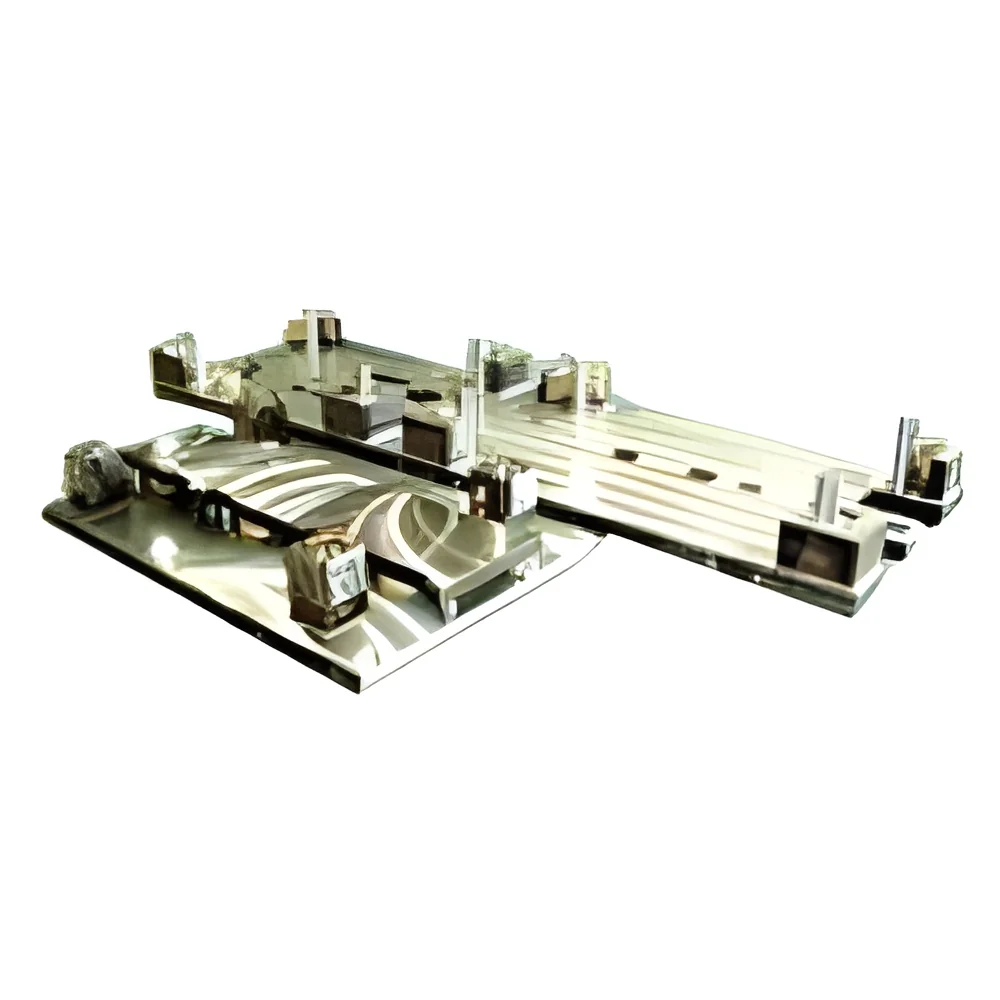
Precision machining fixtures are engineered solutions designed to hold, position, and secure workpieces during welding, fabrication, and assembly processes. These specialized tools ensure components maintain exact alignment throughout manufacturing operations, eliminating human error and variability. Built with industrial-grade materials and precise engineering, they provide reliable positioning that translates directly to consistent product quality. Manufacturers rely on these fixtures to achieve repeatable results across production runs, reducing setup time while improving overall process efficiency. Their robust construction withstands the rigors of industrial environments, maintaining dimensional stability through thousands of operational cycles.

These fixtures find essential applications across industries where precision directly impacts product performance and safety. In automotive manufacturing, they ensure proper alignment of chassis components during welding operations. Aeros...
Precision machining fixtures are engineered solutions designed to hold, position, and secure workpieces during welding, fabrication, and assembly processes. These specialized tools ensure components maintain exact alignment throughout manufacturing operations, eliminating human error and variability. Built with industrial-grade materials and precise engineering, they provide reliable positioning that translates directly to consistent product quality. Manufacturers rely on these fixtures to achieve repeatable results across production runs, reducing setup time while improving overall process efficiency. Their robust construction withstands the rigors of industrial environments, maintaining dimensional stability through thousands of operational cycles.

These fixtures find essential applications across industries where precision directly impacts product performance and safety. In automotive manufacturing, they ensure proper alignment of chassis components during welding operations. Aerospace applications utilize specialized fixtures to maintain tight tolerances for critical aircraft components. Heavy machinery producers depend on them for accurate assembly of large-scale equipment, while construction and infrastructure projects use fabrication fixtures for structural steel components. Industrial equipment manufacturers implement these solutions for complex mechanical assemblies where precise component relationships determine operational functionality.

The business value of precision machining fixtures lies in their ability to transform manufacturing efficiency and product quality. By ensuring consistent component positioning, they reduce material waste from misaligned assemblies and minimize rework requirements. Their reliability translates to reduced downtime and lower maintenance costs compared to improvised positioning methods. These fixtures enable faster production cycles through reduced setup time while improving workplace safety by securely holding components during operations. Their engineered precision supports quality certification requirements and helps manufacturers meet stringent industry standards consistently.

Key Features:
- Precision-engineered alignment systems ensuring accurate component positioning during operations.
- Industrial-grade construction using durable materials for long-term reliability in demanding environments.
- Secure clamping mechanisms that hold workpieces firmly without causing distortion or damage.
- Modular designs allowing adaptation to various component sizes and shapes within manufacturing processes.
- Engineered stability maintaining alignment integrity through repeated use cycles and environmental conditions.

Benefits:
- Consistent product quality through repeatable, accurate component positioning across production runs.
- Reduced setup time and increased operational efficiency in welding and fabrication processes.
- Lower material waste and rework costs by preventing alignment errors during manufacturing.
- Enhanced workplace safety through secure workpiece holding during machining and assembly operations.
- Long-term reliability with minimal maintenance requirements supporting continuous production schedules.
Specifications
| Additional Information | |
|---|---|
| Country of Origin | India |
| Customisable | No |
Application
Precision machining fixtures provide secure, repeatable positioning for components during welding, fabrication, and assembly operations. They eliminate measurement errors and reduce setup time by holding workpieces in exact alignment, ensuring every part meets specified tolerances. This consistency is essential for maintaining quality across production batches and preventing costly rework in manufacturing environments.
These fixtures serve critical roles across multiple industrial sectors where dimensional accuracy directly impacts product performance and safety. From automotive frame welding to aerospace component assembly, they enable operators to achieve precise results consistently. Their robust construction withstands industrial environments while maintaining alignment integrity through repeated use cycles in demanding production settings.
- Welding jigs for automotive chassis and frame assembly ensuring proper component alignment before welding.
- Fabrication fixtures for structural steel components in construction and infrastructure projects.
- Assembly fixtures for heavy machinery production maintaining precise positioning of large components.
- Machining fixtures for aerospace parts requiring strict adherence to engineering tolerances.
- Positioning tools for industrial equipment manufacturing ensuring accurate assembly of complex mechanical systems.
Trade Details
| Available Stock | In Stock |
| Sample Availability | No |
Payment Terms
| Payment Terms |
|
Company Profile
Aew Micro Products, New Delhi
 New Delhi, India
New Delhi, IndiaConstruction•Manufacturer•Distributor / Wholesaler
Factory Details
Factory SizeBelow 1000 sqm
Annual Production Capacity0
Main Markets
South Asia
Precision Machining Fixtures for Welding and Fabrication Assembly
Precision machining fixtures from trusted manufacturers ensure accurate alignment for welding and fabrication assembly. These reliable jigs feature durable construction for industrial applications requiring consistent component positioning.
Min. Order Quantity: 1 unit
Shipping
Shipping fee and delivery date to be negotiated. Contact supplier now for more details.
Aew Micro Products
 New Delhi, India
New Delhi, IndiaConstructionManufacturer