IN
IN₹
Apparel & Fashion
Loading subcategories...
View More
Description
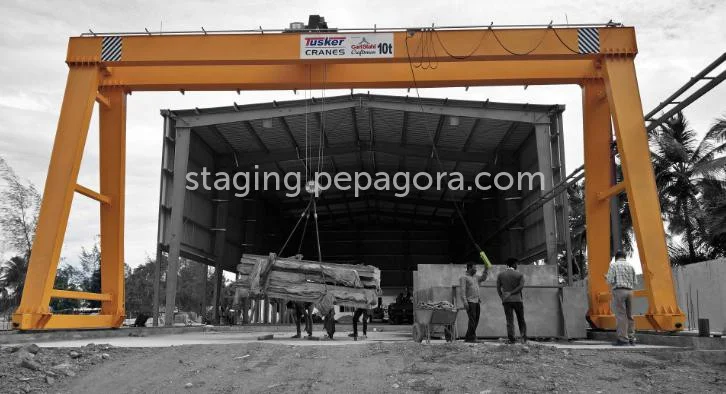
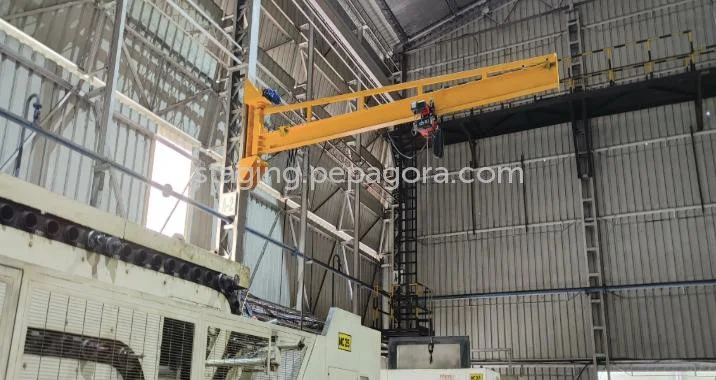
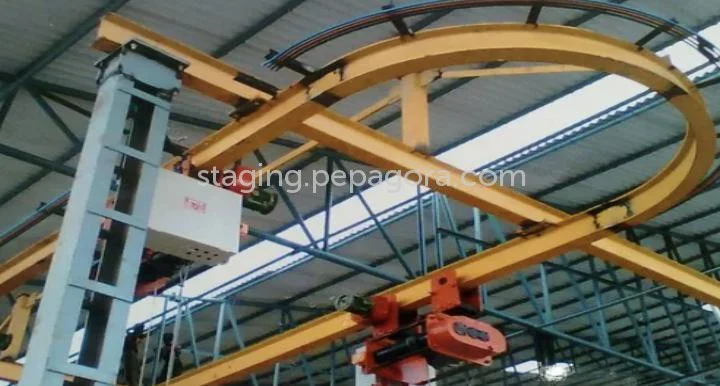
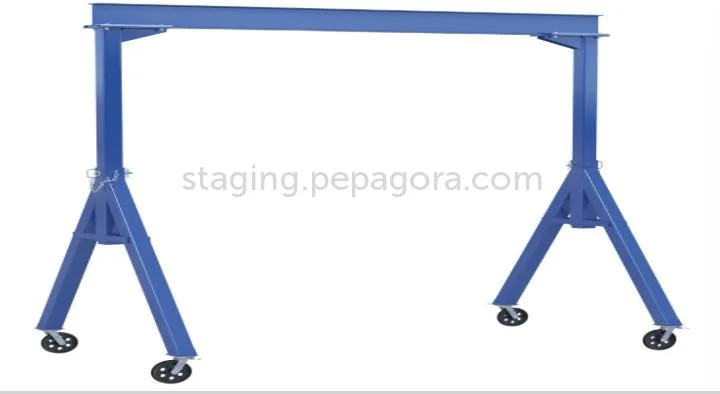
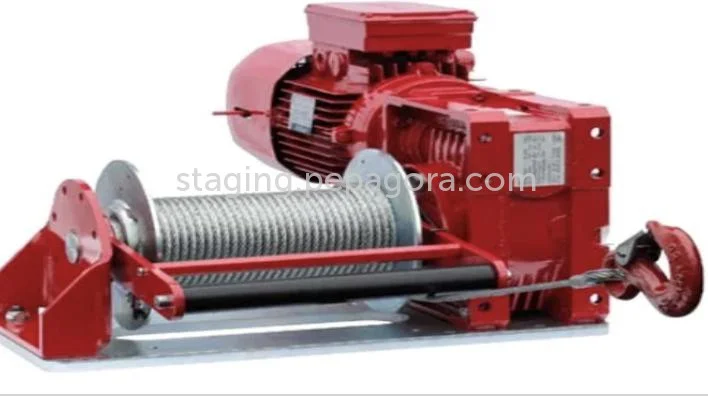
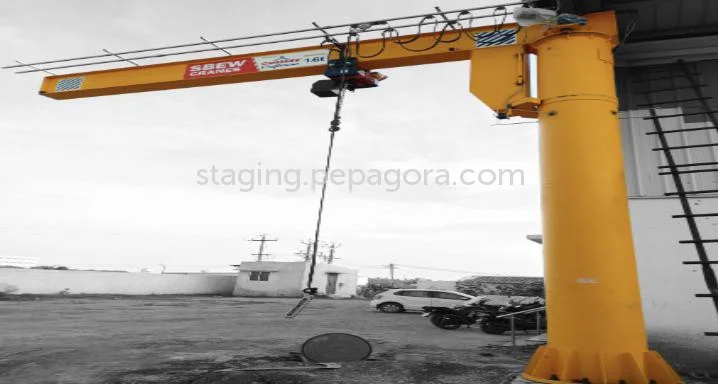
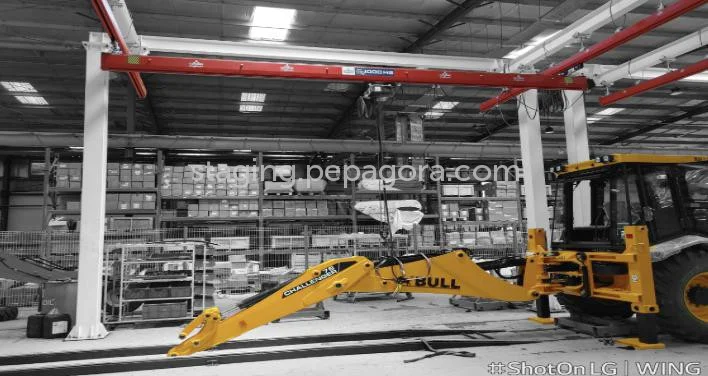
Light Crane Systems represent a specialized category of material handling equipment designed specifically for lightweight component manipulation in industrial environments. These systems combine structural integrity with operational flexibility, featuring modular components that can be configured to match specific workspace requirements. Engineered with precision controls and smooth movement mechanisms, they facilitate the safe transportation of items typically ranging from small mechanical parts to medium-sized assemblies. The core design philosophy emphasizes user-friendly operation while maintaining robust construction standards suitable for continuous industrial use. These cranes incorporate safety features as fundamental elements, including overload protection and secure locking mechanisms, ensuring compliance with workplace safety regulations across various jurisdictions. Across industrial sectors, Light Crane Systems serve as essential tools in environments where manual handling...
Light Crane Systems represent a specialized category of material handling equipment designed specifically for lightweight component manipulation in industrial environments. These systems combine structural integrity with operational flexibility, featuring modular components that can be configured to match specific workspace requirements. Engineered with precision controls and smooth movement mechanisms, they facilitate the safe transportation of items typically ranging from small mechanical parts to medium-sized assemblies. The core design philosophy emphasizes user-friendly operation while maintaining robust construction standards suitable for continuous industrial use. These cranes incorporate safety features as fundamental elements, including overload protection and secure locking mechanisms, ensuring compliance with workplace safety regulations across various jurisdictions.

Across industrial sectors, Light Crane Systems serve as essential tools in environments where manual handling would be inefficient or potentially hazardous. In automotive workshops, technicians utilize these systems for engine removal, transmission handling, and component positioning during vehicle repairs and assembly. Manufacturing facilities employ them along production lines for moving sub-assemblies between workstations, particularly in electronics, appliance manufacturing, and precision engineering operations. Warehousing and distribution centers implement these cranes for organizing inventory and facilitating order picking processes, especially for items requiring careful handling. The systems' adaptability makes them valuable in research laboratories, maintenance departments, and fabrication shops where space constraints demand versatile equipment solutions.

The business value of Light Crane Systems extends beyond basic functionality to encompass operational efficiency improvements and long-term reliability. These systems reduce labor costs by minimizing manual handling requirements while accelerating material flow through production processes. Their durable construction ensures consistent performance over extended periods, with minimal maintenance requirements contributing to lower total ownership costs. The modular nature allows businesses to scale their material handling capabilities as operational needs evolve, protecting initial investment value. Reliability is demonstrated through precision engineering that maintains consistent lifting capacity and smooth operation across thousands of cycles, with quality components selected for endurance in industrial environments.

Key Features:
- Modular design allowing configuration for specific workspace layouts and requirements
- Precision controls enabling smooth and accurate positioning of components
- Robust construction with durable materials suitable for continuous industrial use
- Safety mechanisms including overload protection and secure locking systems
- Ergonomic operation reducing operator fatigue during repetitive tasks

Benefits:
- Increased operational efficiency through faster material handling and reduced manual labor
- Enhanced workplace safety by minimizing risks associated with manual lifting
- Space optimization through adaptable designs that fit existing facility layouts
- Reduced maintenance costs with durable components and reliable performance
- Improved productivity with consistent performance across various industrial applications
Specifications
| Additional Information | |
|---|---|
| Country of Origin | India |
| Customisable | No |
Application
Light Crane Systems are engineered for precision handling in environments where space optimization and operational efficiency are critical. These systems enable smooth transportation of components across workstations, reducing manual handling and minimizing production bottlenecks. Their adaptable design allows integration into existing layouts without major modifications, making them ideal for facilities with evolving operational needs.
These cranes excel in applications requiring frequent lifting of small to medium-weight items, where speed and safety are paramount. Operators benefit from intuitive controls and ergonomic designs that reduce fatigue during repetitive tasks. The systems maintain consistent performance across various temperature and environmental conditions, ensuring reliable operation in demanding industrial settings.
Real-world applications:
- Automotive repair shops for lifting engines, transmissions, and vehicle components during maintenance
- Electronics manufacturing facilities for handling circuit boards and delicate electronic assemblies
- Small parts warehouses for organizing and moving inventory between storage and packing areas
- Assembly lines in consumer goods manufacturing for positioning components during product assembly
- Maintenance departments in industrial plants for equipment repair and component replacement tasks
Trade Details
| Available Stock | In Stock |
| Sample Availability | No |
Payment Terms
| Payment Terms |
|
| Payment Methods |
|
Company Profile

Sree Balaji Engineering Works, Tamil Nadu
 Tamil Nadu, India
Tamil Nadu, India24 yrs
Manufacturer
Turn Over
₹1 Crore – ₹5 Crore
Factory Details
Factory SizeBelow 1000 sqm
Main Markets
Mid East
Africa
Workshop Light Crane Systems For Efficient Material Handling Operations
Light Crane Systems provide flexible lifting solutions for lightweight components in assembly and automotive workshops, featuring modular design and reliable performance for efficient material handling operations.
Min. Order Quantity: 1 piece
Shipping
Shipping fee and delivery date to be negotiated. Contact supplier now for more details.
Sree Balaji Engineering Works Tamil Nadu, India
Tamil Nadu, IndiaManufacturer