IN
IN₹
Apparel & Fashion
Loading subcategories...
View More
Description
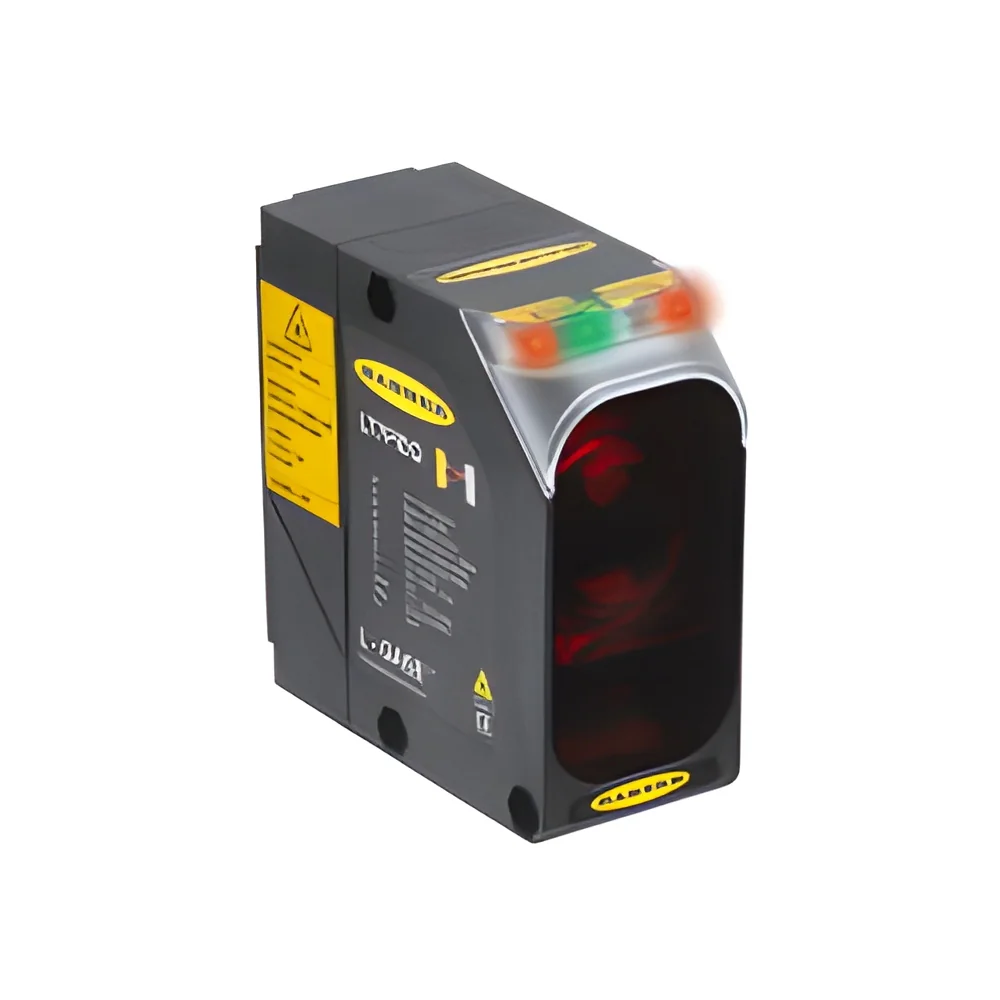
The L-GAGE LT7 Series represents a significant advancement in photoelectric sensing technology, designed to meet the rigorous demands of modern industrial automation. This series is available in two primary models: retroreflective models capable of extremely long sensing ranges up to 250 meters with two discrete PNP outputs, and diffuse models offering long-range background suppression up to 10 meters with both discrete PNP and a 4-20 mA analog output. A standout feature is its continuous LCD display, which provides real-time feedback and simplifies troubleshooting by displaying the exact sensing distance in millimeters or inches. The sensor incorporates TEACH-mode programming, which can be activated via integrated push buttons or a serial interface, ensuring quick and precise setup. Its excellent linearity of ±10 mm guarantees accurate measurements, while the choice of RS-422 or SSI-compatible serial connections offers flexibility for various industrial communication protocols. The in...
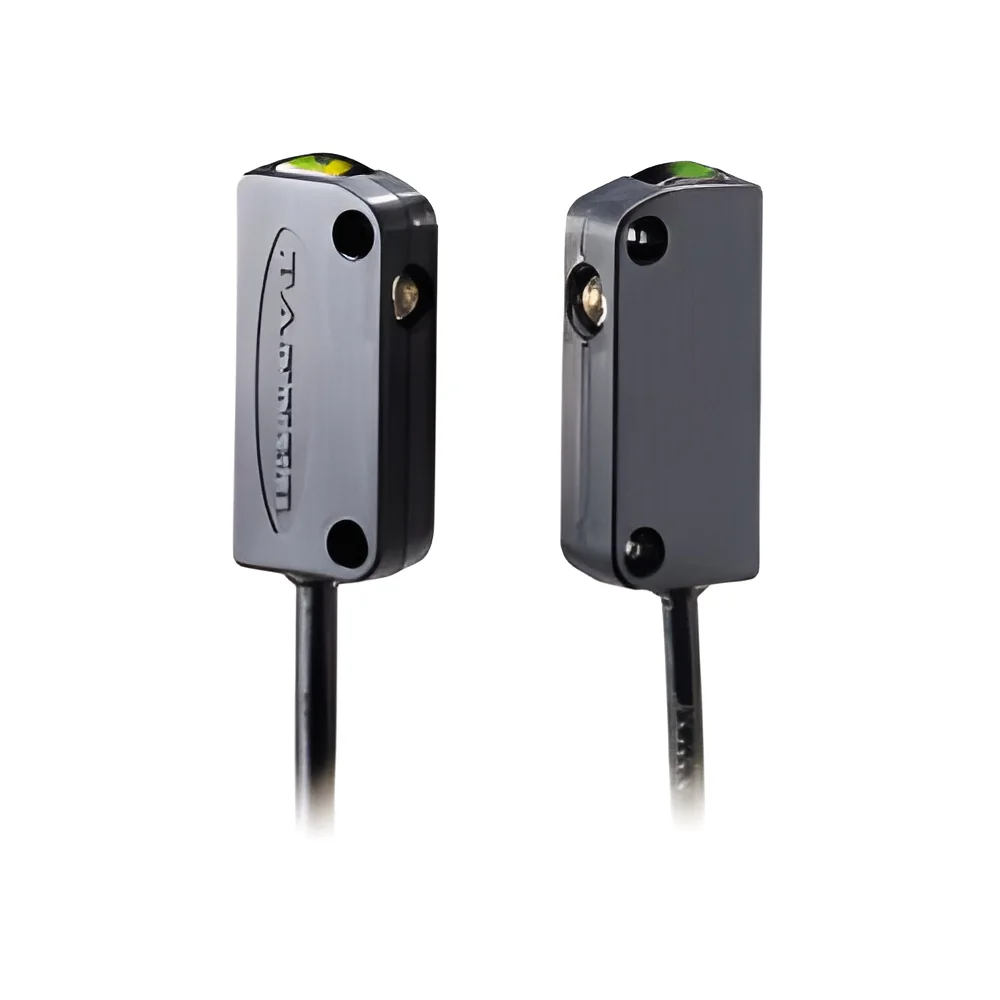
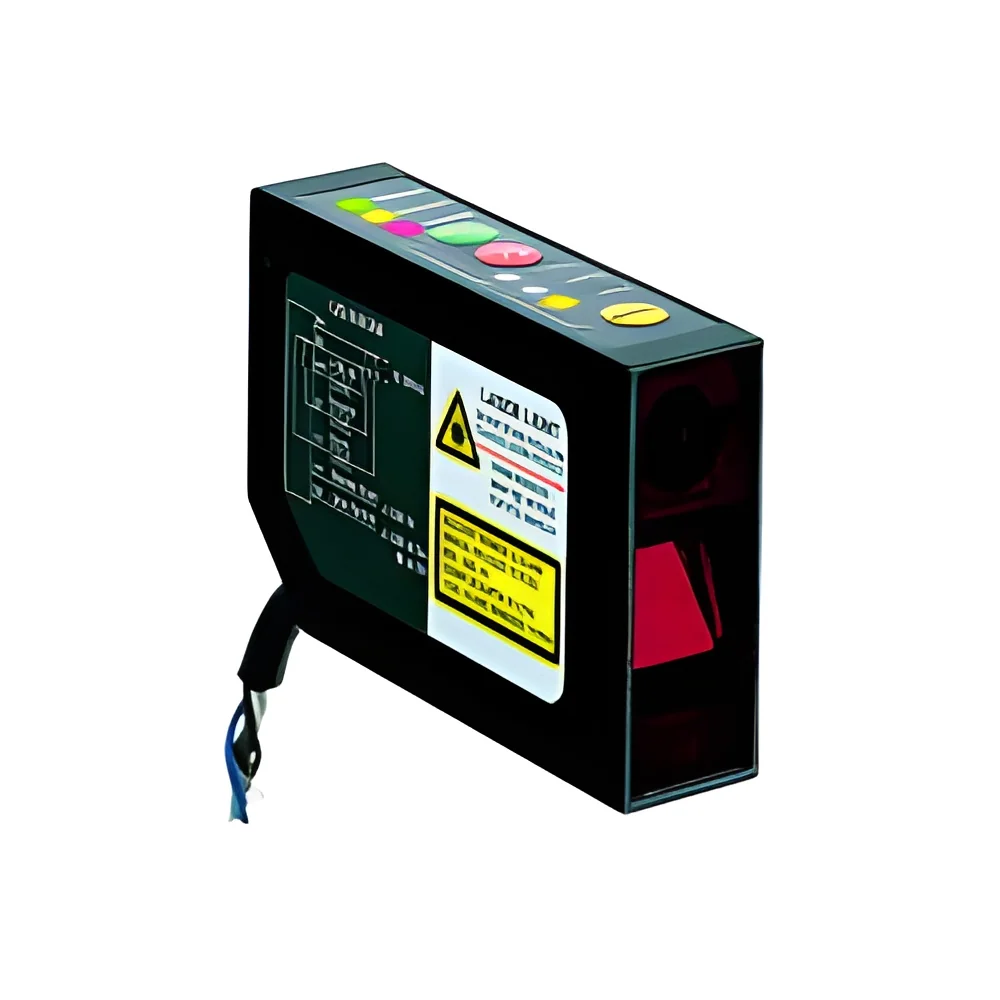
The L-GAGE LT7 Series represents a significant advancement in photoelectric sensing technology, designed to meet the rigorous demands of modern industrial automation. This series is available in two primary models: retroreflective models capable of extremely long sensing ranges up to 250 meters with two discrete PNP outputs, and diffuse models offering long-range background suppression up to 10 meters with both discrete PNP and a 4-20 mA analog output. A standout feature is its continuous LCD display, which provides real-time feedback and simplifies troubleshooting by displaying the exact sensing distance in millimeters or inches. The sensor incorporates TEACH-mode programming, which can be activated via integrated push buttons or a serial interface, ensuring quick and precise setup. Its excellent linearity of ±10 mm guarantees accurate measurements, while the choice of RS-422 or SSI-compatible serial connections offers flexibility for various industrial communication protocols. The integrated visible Class 2 alignment laser ensures accurate sensor positioning, and its quick warmup feature minimizes thermal drift, maintaining consistent performance from startup.

Industries such as automotive manufacturing, packaging, material handling, and logistics rely heavily on the LT7 Series for critical applications. In automotive production lines, these sensors are used for precise part presence verification and robot guidance. Packaging facilities utilize them for detecting packaging materials, controlling filling operations, and ensuring proper product placement on conveyor systems. Within material handling and warehouse automation, the sensors enable accurate pallet detection, inventory tracking, and conveyor belt synchronization. Their long-range capabilities make them ideal for large-scale operations, such as monitoring storage racks and guiding automated guided vehicles (AGVs). The robust design ensures reliable operation in environments with dust, vibration, and varying temperatures, making them suitable for food processing, pharmaceuticals, and heavy machinery sectors where hygiene and durability are paramount.

The LT7 Series delivers exceptional business value through enhanced operational efficiency, reduced downtime, and lower total cost of ownership. Its reliability is proven in continuous operation, minimizing production stoppages and maintenance requirements. The sensor's advanced diagnostics and easy programming reduce the need for specialized technical staff, allowing for quicker troubleshooting and adjustments. This translates to higher productivity and smoother workflow integration. For businesses, this means improved process control, better quality assurance, and increased throughput. The sensor's compatibility with global standards and communication protocols ensures easy integration into existing systems, making it a future-proof investment for businesses looking to scale their automation capabilities while maintaining high reliability and performance standards.

Key Features:
- Retroreflective models with two discrete PNP outputs for extremely long ranges up to 250 meters
- Diffuse models with two discrete PNP outputs and one 4-20 mA analog output for long-range background suppression up to 10 meters
- Continuous LCD display for real-time distance measurement and troubleshooting
- TEACH-mode programming via integrated push buttons or serial interface for easy setup
- Choice of RS-422 or SSI-compatible serial connections and integrated Class 2 alignment laser

Benefits:
- Enhanced operational efficiency through reliable long-range detection capabilities
- Reduced downtime with advanced diagnostics and easy troubleshooting features
- Lower total cost of ownership with minimal maintenance requirements
- Improved process control and quality assurance through precise measurements
- Easy integration into existing systems with flexible communication protocols
Specifications
| Additional Information | |
|---|---|
| Country of Origin | India |
| Customisable | No |
Application
The L-GAGE LT7 Series sensors are built for demanding industrial environments where precision and reliability are essential. Their robust construction and advanced sensing technology make them suitable for applications requiring long-range detection, accurate background suppression, and seamless integration into complex automated systems. These sensors deliver consistent performance in challenging conditions from dusty warehouses to high-speed production lines.
Manufacturers across various sectors utilize the LT7 Series for critical detection tasks. Its versatile output configurations including discrete PNP and analog 4-20mA provide flexibility for different control systems. The integrated troubleshooting features and easy TEACH-mode programming reduce downtime and simplify maintenance, making it a preferred choice for engineers seeking efficiency and long-term operational stability.
- Precise object detection and counting on high-speed conveyor systems in packaging and logistics centers
- Accurate positioning and alignment of materials in automated assembly and robotic welding cells
- Reliable monitoring of roll diameters and material web breaks in printing and converting machinery
- Safety perimeter guarding and access control in automated storage and retrieval systems
- Level detection and inventory management in bulk material handling and silo storage facilities
Trade Details
| Available Stock | In Stock |
| Sample Availability | No |
Payment Terms
| Payment Terms |
|
Company Profile

Automation Systems & Solution, New Delhi
 New Delhi, India
New Delhi, IndiaElectronics & Electrical•Manufacturer•Retailer
Factory Details
Factory SizeBelow 1000 sqm
Annual Production Capacity0
Industrial Automation L GAGE LT7 Series Photoelectric Sensor 250m Range
L-GAGE LT7 Series photoelectric sensors deliver high-performance detection with 250m retroreflective range and 10m background suppression. Ideal for industrial automation, packaging, and material handling applications requiring reliable long-distance sensing.
Min. Order Quantity: 1 unit
Shipping
Shipping fee and delivery date to be negotiated. Contact supplier now for more details.
Automation Systems & Solution
 New Delhi, India
New Delhi, IndiaElectronics & ElectricalManufacturer