IN
IN₹
Apparel & Fashion
Description
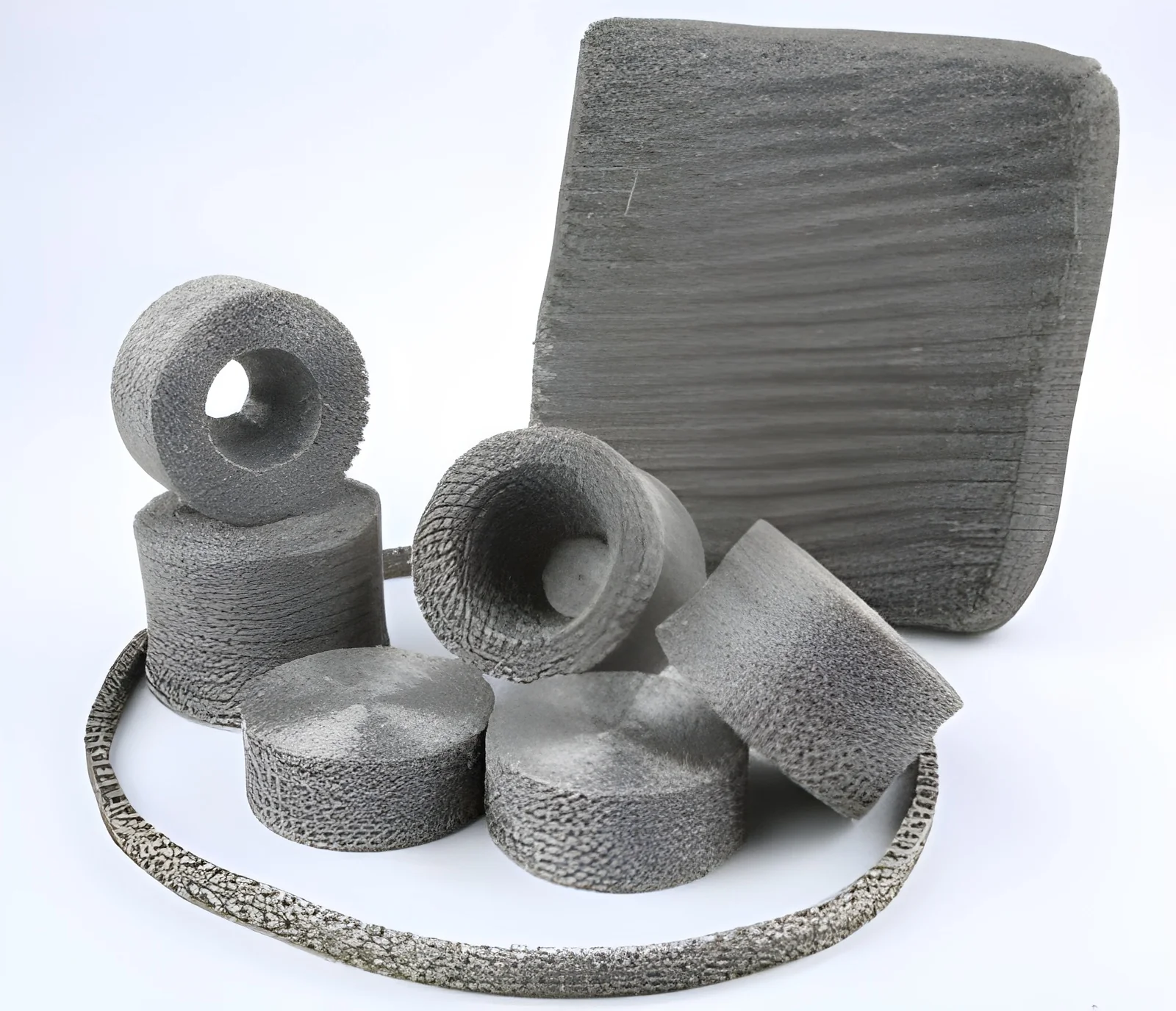
Knitted wire mesh represents a specialized industrial material manufactured using advanced knitting techniques that create interlocking wire loops similar to textile fabrics. This unique construction method produces a three-dimensional matrix with exceptional resilience, flexibility, and uniform porosity. Unlike woven meshes with rigid intersections, the knitted structure allows for compression and recovery while maintaining consistent filtration characteristics. Available in both mono-filament and multi-filament wire constructions, this mesh offers options ranging from economical standard applications to high-strength solutions for demanding environments. Materials include various grades of stainless steel, copper, and other alloys selected for corrosion resistance, temperature tolerance, and specific conductivity requirements. The manufacturing process enables precise control over mesh density, thickness, and pore structure to meet exacting industrial specifications.

This versatile ...
Knitted wire mesh represents a specialized industrial material manufactured using advanced knitting techniques that create interlocking wire loops similar to textile fabrics. This unique construction method produces a three-dimensional matrix with exceptional resilience, flexibility, and uniform porosity. Unlike woven meshes with rigid intersections, the knitted structure allows for compression and recovery while maintaining consistent filtration characteristics. Available in both mono-filament and multi-filament wire constructions, this mesh offers options ranging from economical standard applications to high-strength solutions for demanding environments. Materials include various grades of stainless steel, copper, and other alloys selected for corrosion resistance, temperature tolerance, and specific conductivity requirements. The manufacturing process enables precise control over mesh density, thickness, and pore structure to meet exacting industrial specifications.

This versatile material finds application across numerous industrial sectors where reliable filtration, separation, or support functions are critical. In chemical processing plants, knitted mesh serves as mist eliminators in scrubbers and distillation columns. Food processing facilities utilize it for air filtration and product support during drying operations. Automotive and aerospace manufacturers incorporate it for sound attenuation in engine compartments and vibration damping in structural components. Electronics manufacturers rely on its EMI/RFI shielding properties for sensitive equipment protection. The material's adaptability extends to specialized forms like flattened and compressed mesh configurations that address space constraints while maintaining performance characteristics. Each industry benefits from the mesh's ability to withstand harsh operating conditions while delivering consistent results.

The business value of knitted wire mesh lies in its operational reliability and long-term cost efficiency. Its durable construction reduces replacement frequency and maintenance downtime, directly impacting production continuity and operational expenses. The material's flexibility minimizes installation challenges and allows for adaptation to existing system geometries without custom fabrication costs. Quality consistency ensures predictable performance across batches, reducing quality control overhead and production variances. For procurement specialists and engineers, this translates to fewer supply chain disruptions and more accurate performance forecasting. The mesh's versatility across multiple applications provides inventory optimization opportunities for organizations with diverse operational needs, while its proven track record in demanding environments offers risk mitigation for critical process applications.

Key Features:
- Interlocking loop construction providing exceptional resilience and recovery capability
- Available in mono-filament and multi-filament wire configurations for different strength requirements
- Manufactured from corrosion-resistant materials including stainless steel and copper alloys
- Uniform porosity and consistent filtration performance across entire mesh surface
- Customizable density, thickness, and compression options for specific application needs

Benefits:
- Maintains structural integrity under pressure, vibration, and temperature fluctuations
- Reduces maintenance frequency and replacement costs through durable construction
- Enables precise filtration control with consistent pore structure and flow characteristics
- Adapts to various system designs without compromising performance efficiency
- Provides reliable long-term operation in continuous industrial processing environments
Specifications
| Additional Information | |
|---|---|
| Country of Origin | 106 |
Application
Knitted wire mesh serves as a versatile component in industrial systems requiring reliable filtration and separation. Its interlocking loop structure creates a resilient three-dimensional matrix that maintains integrity under pressure, vibration, and temperature fluctuations while allowing controlled fluid or gas passage. This flexibility makes it suitable for dynamic applications where rigid filters would fail.
The material's uniform porosity and customizable density enable precise filtration grades across different industries. From removing fine particulates in air streams to separating liquid droplets from gas flows, knitted mesh provides consistent performance in continuous operations. Its durability reduces maintenance frequency while its adaptability allows integration into various system designs without compromising efficiency.
- Air and gas filtration systems for removing particulates and contaminants in manufacturing facilities
- Mist eliminators and demister pads in chemical processing and petrochemical operations
- Sound attenuation and vibration damping components in industrial machinery and enclosures
- Support and separation media in conveyor systems and material handling equipment
- EMI and RFI shielding in electronic assemblies and sensitive equipment protection
Trade Details
| Available Stock | In Stock |
| Sample Availability | No |
Payment Terms
| Payment Terms |
|
Company Profile
UNIVERSAL WIRE INDUSTRIES, Maharashtra
 Maharashtra, India
Maharashtra, IndiaIndustrial Equipment & Machinery•Manufacturer
Factory Details
Factory SizeBelow 1000 sqm
Industrial Knitted Wire Mesh For Filtration Separation Support
KNITTED WIRE MESH provides resilient industrial filtration and separation solutions. This flexible mesh offers uniform performance for air filtration, mist elimination, sound attenuation, and material support across demanding processing environments.
Min. Order Quantity: 1 Foot
Shipping
Shipping fee and delivery date to be negotiated. Contact supplier now for more details.
UNIVERSAL WIRE INDUSTRIES
 Maharashtra, India
Maharashtra, IndiaIndustrial Equipment & MachineryManufacturer