IN
IN₹
Apparel & Fashion
Description
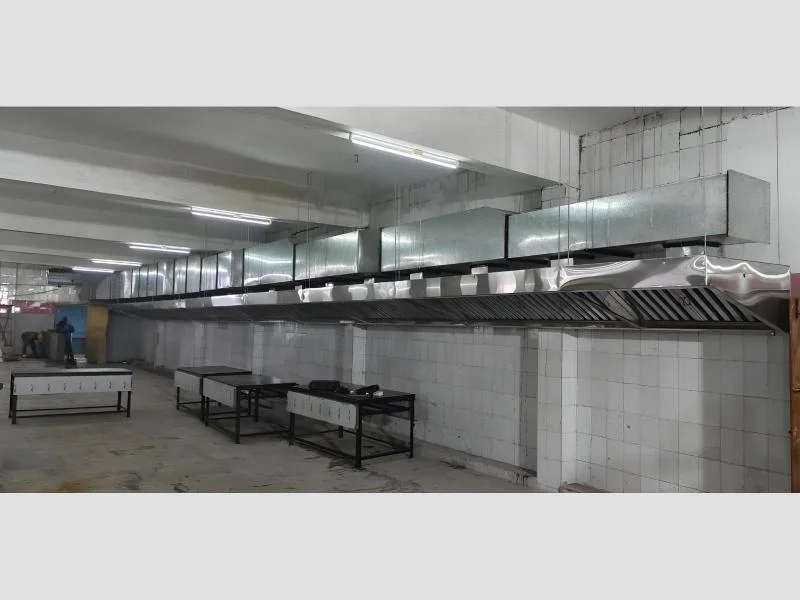
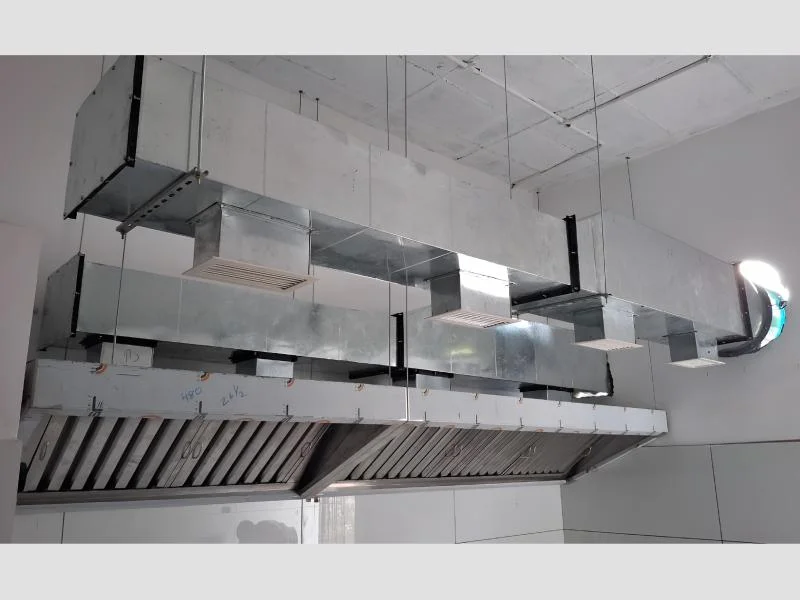
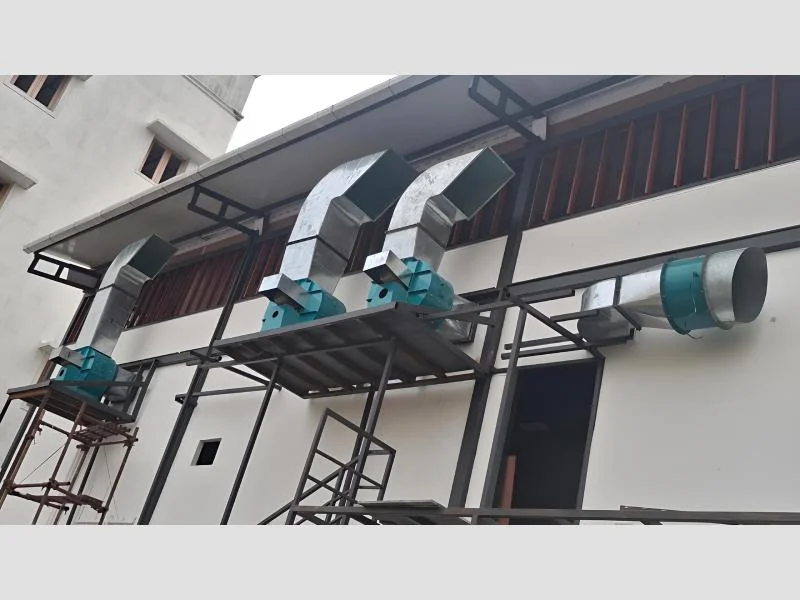
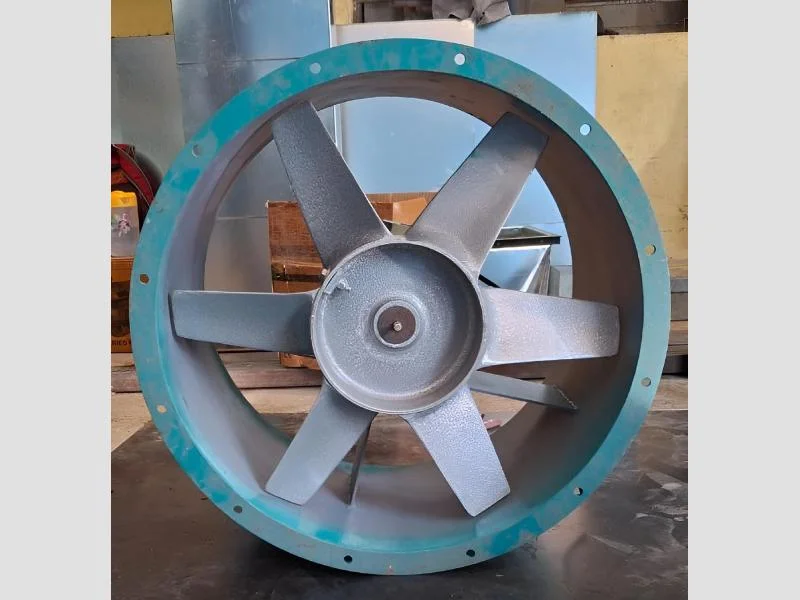
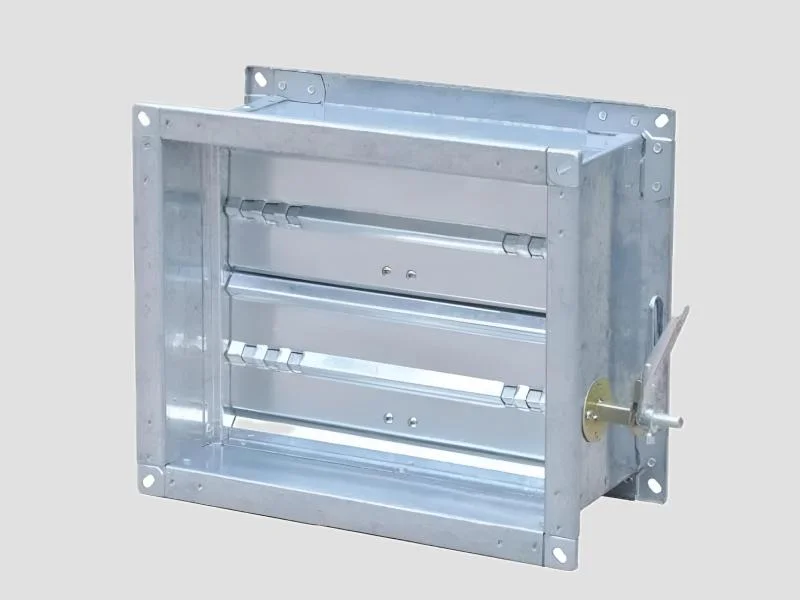
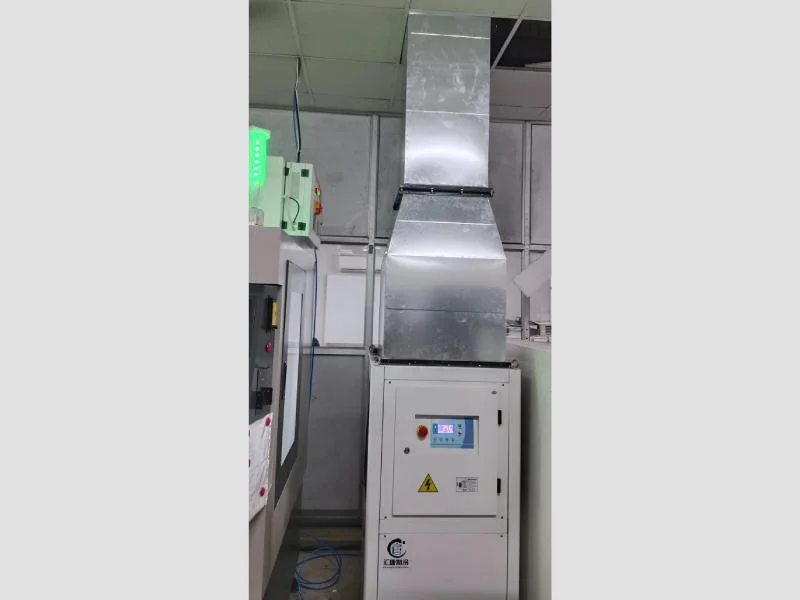
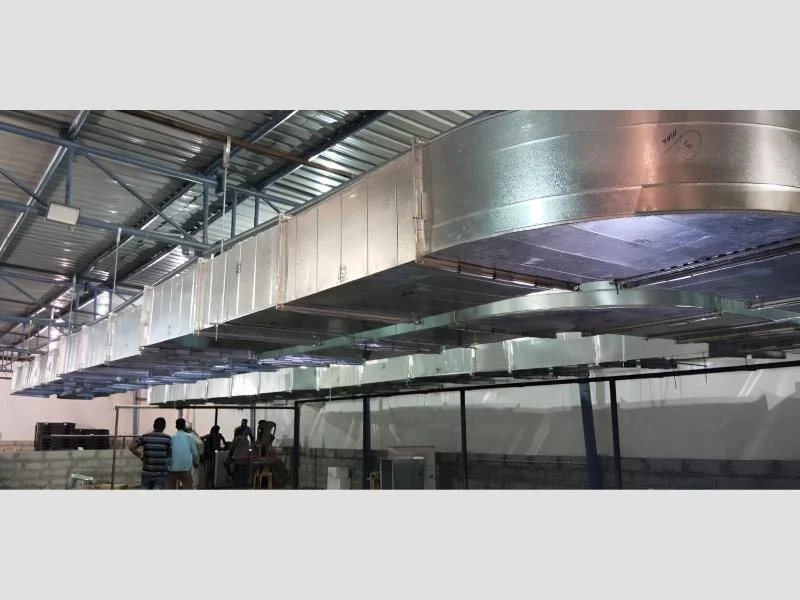
Kitchen exhaust ducts form the critical pathway for removing smoke, heat, grease particles, and cooking fumes from commercial cooking environments. These specialized ventilation components are engineered to create efficient airflow channels that transport contaminated air from extraction hoods to external discharge points. Manufactured from durable materials capable of withstanding high temperatures and corrosive grease accumulation, these ducts maintain structural integrity under continuous operational demands. Their precise engineering minimizes air resistance while maximizing flow efficiency, ensuring that ventilation systems perform reliably during peak cooking periods. The smooth interior surfaces prevent grease buildup that could restrict airflow or create fire hazards, while robust construction resists deformation from thermal expansion and mechanical stress.

These exhaust ducts serve essential roles across food service and hospitality industries where effective ventilation is ...
Kitchen exhaust ducts form the critical pathway for removing smoke, heat, grease particles, and cooking fumes from commercial cooking environments. These specialized ventilation components are engineered to create efficient airflow channels that transport contaminated air from extraction hoods to external discharge points. Manufactured from durable materials capable of withstanding high temperatures and corrosive grease accumulation, these ducts maintain structural integrity under continuous operational demands. Their precise engineering minimizes air resistance while maximizing flow efficiency, ensuring that ventilation systems perform reliably during peak cooking periods. The smooth interior surfaces prevent grease buildup that could restrict airflow or create fire hazards, while robust construction resists deformation from thermal expansion and mechanical stress.

These exhaust ducts serve essential roles across food service and hospitality industries where effective ventilation is non-negotiable. Restaurant kitchens rely on them to maintain clear air around cooking stations, protecting staff from heat exposure and ensuring comfortable working conditions. Large-scale catering facilities use extensive duct networks to handle simultaneous cooking from multiple equipment stations. Hotel kitchens implement these systems to manage ventilation during banquet preparations, while institutional kitchens in schools and hospitals depend on them for continuous air quality management. Manufacturing facilities with employee cafeterias and food processing plants also utilize these ducts to meet occupational health standards and prevent cross-contamination between production and dining areas.

The business value of quality kitchen exhaust ducts lies in their contribution to operational safety, regulatory compliance, and equipment longevity. By efficiently removing hot, greasy air, these components reduce fire risks associated with grease accumulation in ventilation systems. Their reliable performance helps kitchens maintain consistent air quality, supporting staff productivity and customer comfort. Durable construction minimizes maintenance requirements and replacement costs, while proper airflow management enhances the efficiency of connected exhaust fans and filtration systems. These ducts represent a critical investment in kitchen infrastructure that pays dividends through reduced energy costs, lower fire insurance premiums, and extended equipment service life.

Key Features:
- Constructed from heat-resistant materials that withstand continuous high-temperature exposure.
- Smooth interior surfaces designed to minimize airflow resistance and grease accumulation.
- Precision-engineered joints and connections that prevent air leakage and maintain system efficiency.
- Available in various diameters and configurations to match specific kitchen layout requirements.
- Corrosion-resistant finishes that protect against moisture and chemical degradation.

Benefits:
- Ensures efficient removal of smoke, heat, and cooking fumes from kitchen environments.
- Supports compliance with health, safety, and ventilation regulations for commercial kitchens.
- Reduces fire hazards by preventing grease buildup within ventilation pathways.
- Enhances staff comfort and productivity by maintaining clean, breathable air quality.
- Provides long-term reliability with minimal maintenance requirements for continuous operation.
Specifications
| Additional Information | |
|---|---|
| Country of Origin | India |
Application
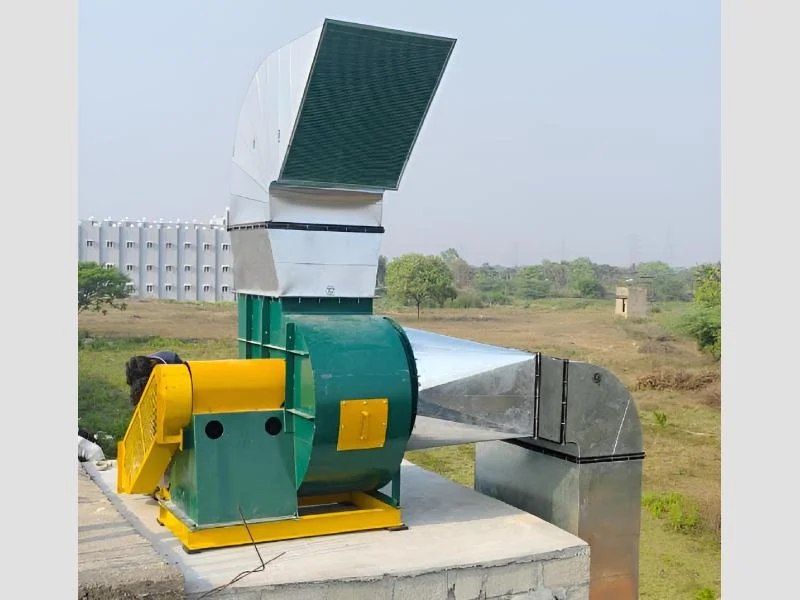
These kitchen exhaust ducts are engineered for demanding environments where consistent air movement is critical. They connect extraction hoods to external ventilation points, handling hot, greasy air from cooking stations to maintain clean, safe working conditions. The robust construction withstands continuous thermal stress and airflow pressure, ensuring long-term operational reliability in busy settings.
Proper installation of these ducts creates an effective ventilation pathway that removes contaminants directly from source points. This system protects kitchen staff from heat and fumes while preserving indoor air quality throughout the facility. By facilitating efficient exhaust, these components help kitchens comply with health and safety regulations, supporting productive and comfortable cooking environments.
Real-world applications:
- Installing in restaurant kitchens to remove smoke and cooking odors from grills and fryers.
- Ventilating commercial bakery ovens and production lines to manage heat and flour dust.
- Exhausting steam and vapors from large-scale institutional kitchens in hospitals and schools.
- Removing grease-laden air from fast-food kitchen hoods above high-volume cooking equipment.
- Providing ventilation for hotel banquet kitchens during large event preparations and service.
Trade Details
| Available Stock | In Stock |
| Sample Availability | No |
Payment Terms
| Payment Terms |
|
| Payment Methods |
|
Company Profile

Madheswaran Kitchen Exhaust, Tamil Nadu
 Tamil Nadu, India
Tamil Nadu, IndiaConstruction•Manufacturer
Factory Details
Factory SizeBelow 1000 sqm
Commercial Kitchen Exhaust Ducts For Ventilation Systems
High-quality kitchen exhaust ducts from reliable manufacturers transport smoke, heat, and fumes efficiently. Designed for commercial kitchens, these durable ventilation components ensure smooth airflow and optimal exhaust performance.
Min. Order Quantity: 1 Foot
Shipping
Shipping fee and delivery date to be negotiated. Contact supplier now for more details.
Madheswaran Kitchen Exhaust
 Tamil Nadu, India
Tamil Nadu, IndiaConstructionManufacturer