IN
IN₹
Apparel & Fashion
Loading subcategories...
View More
Description
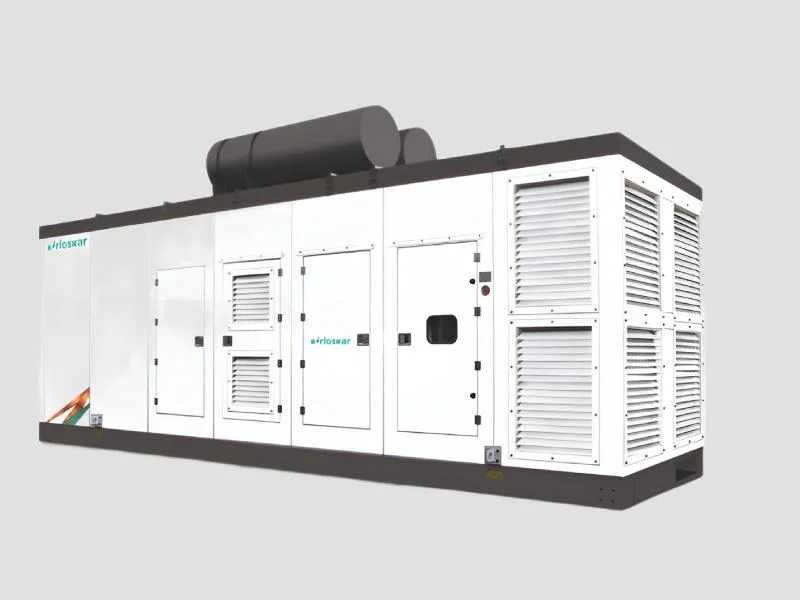
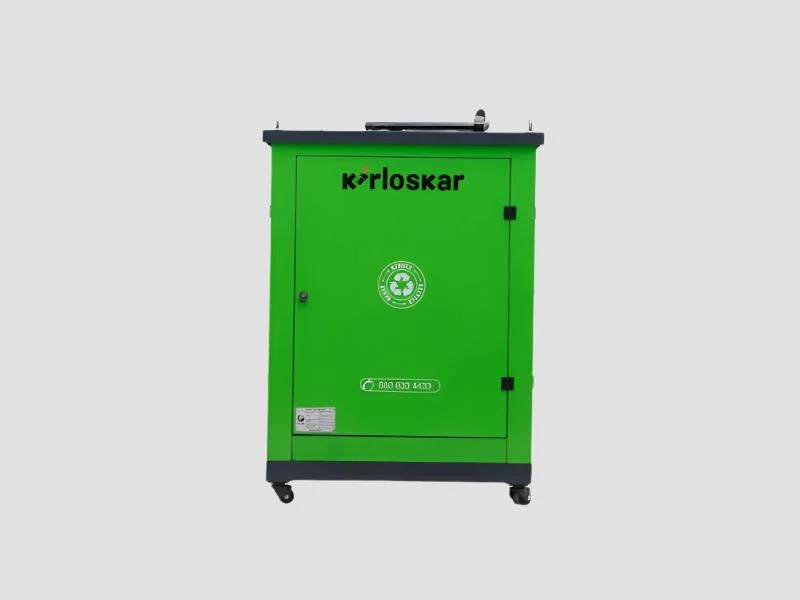
The Large Campus Municipal Waste Facility Industrial Food Zone High Capacity Organic Waste Composting System represents advanced engineering for centralized organic waste processing. Designed specifically for high-volume operations, this system transforms substantial quantities of organic materials into stable, nutrient-rich compost through controlled aerobic decomposition. Its robust construction and automated features ensure consistent performance while minimizing operational complexities, providing organizations with a reliable solution for managing large-scale waste streams efficiently. The system's design prioritizes operational simplicity alongside processing capacity, making it accessible for facilities without specialized composting expertise while delivering professional-grade results.

This composting system serves diverse industries requiring substantial organic waste management capabilities. Municipal waste facilities implement it for community-wide composting programs, pro...
The Large Campus Municipal Waste Facility Industrial Food Zone High Capacity Organic Waste Composting System represents advanced engineering for centralized organic waste processing. Designed specifically for high-volume operations, this system transforms substantial quantities of organic materials into stable, nutrient-rich compost through controlled aerobic decomposition. Its robust construction and automated features ensure consistent performance while minimizing operational complexities, providing organizations with a reliable solution for managing large-scale waste streams efficiently. The system's design prioritizes operational simplicity alongside processing capacity, making it accessible for facilities without specialized composting expertise while delivering professional-grade results.

This composting system serves diverse industries requiring substantial organic waste management capabilities. Municipal waste facilities implement it for community-wide composting programs, processing residential and commercial organic collections. Large educational institutions utilize it for campus sustainability initiatives, handling waste from dining services, grounds maintenance, and student housing. Food manufacturing plants employ it for byproduct conversion, while agricultural operations use it for crop residue management. Hospitality complexes and large event venues also benefit from its capacity to handle concentrated food waste generation during peak operations, supporting environmental compliance and sustainability goals across sectors.

The system delivers significant business value through operational reliability and long-term cost efficiency. Its durable components and simplified maintenance requirements reduce downtime and repair expenses, while automated controls minimize labor needs. Organizations gain predictable waste processing outcomes, consistent compost quality, and reduced disposal costs through landfill diversion. The system's proven performance across various applications demonstrates its adaptability to different waste streams and operational conditions. This reliability translates into dependable return on investment through waste reduction, compost production, and environmental compliance, making it a practical capital investment for serious waste management programs.

Key Features:
- High-capacity design for processing large organic waste volumes daily
- Automated control systems minimizing manual intervention requirements
- Durable construction ensuring long-term operational reliability
- Efficient aeration mechanisms promoting optimal decomposition conditions
- Integrated temperature and moisture monitoring for process consistency

Benefits:
- Substantially reduces organic waste volumes through efficient composting
- Produces consistent, high-quality compost suitable for various applications
- Lowers waste disposal costs by diverting materials from landfills
- Minimizes operational labor through automated processing controls
- Supports environmental sustainability goals with verifiable waste reduction
Specifications
| Additional Information | |
|---|---|
| Country of Origin | India |
| Customisable | No |
Application
This high-capacity composting system is engineered for environments generating substantial organic waste volumes daily. Its robust design handles continuous operation demands while maintaining consistent processing efficiency, making it ideal for facilities requiring dependable, large-scale waste conversion without frequent maintenance interruptions.
The system's automated controls and durable construction ensure stable performance across varying waste compositions and environmental conditions. It integrates seamlessly into existing waste management workflows, providing a practical solution for organizations focused on reducing landfill dependency while producing valuable compost for reuse in landscaping, agriculture, or soil enhancement projects.
Real-world applications:
- Municipal waste processing centers managing community organic waste collections
- Large university campuses with dining halls, landscaping, and residential waste streams
- Industrial food production facilities processing plant byproducts and food waste
- Agricultural operations converting crop residues and farm waste into nutrient-rich compost
- Hospitality and resort complexes handling food waste from multiple restaurants and guest services
Trade Details
| Available Stock | In Stock |
| Sample Availability | No |
Payment Terms
| Payment Terms |
|
| Payment Methods |
|
Company Profile

Techman Power Service Pvt Ltd, Tamil Nadu
 Tamil Nadu, India
Tamil Nadu, IndiaTrading Company•Distributor / Wholesaler
Factory Details
Factory SizeBelow 1000 sqm
Large Campus Municipal Waste Facility Industrial Food Zone High Capacity Organic Waste Composting System
Large Campus Municipal Waste Facility Industrial Food Zone High Capacity Organic Waste Composting System efficiently processes organic waste in centralized facilities with high-volume capacity, reliable operation, and minimal manual intervention for sustainable waste management solutions.
Min. Order Quantity: 1 piece
Shipping
Shipping fee and delivery date to be negotiated. Contact supplier now for more details.
Techman Power Service Pvt Ltd Tamil Nadu, India
Tamil Nadu, IndiaTrading Company