IN
IN₹
Apparel & Fashion
Description
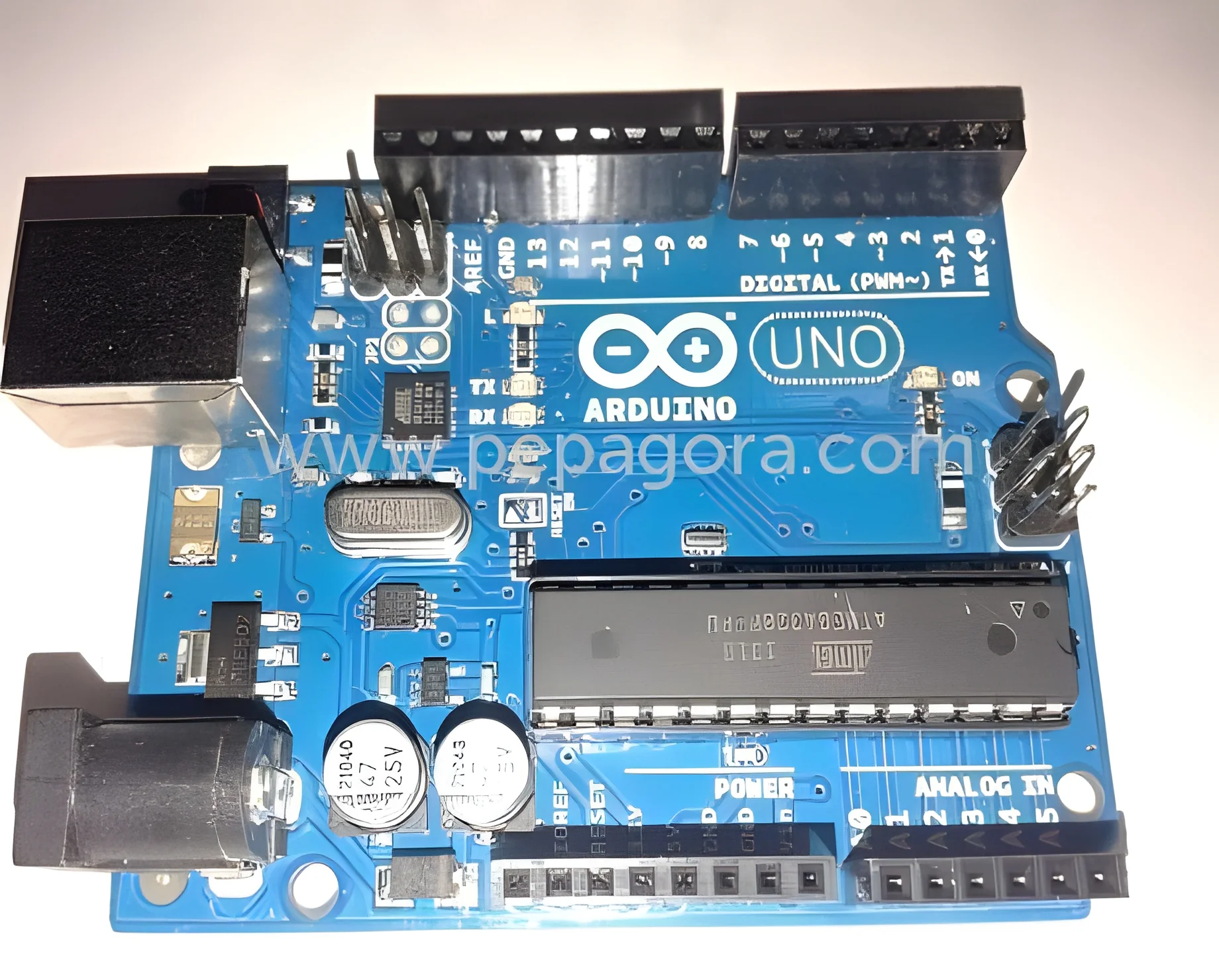
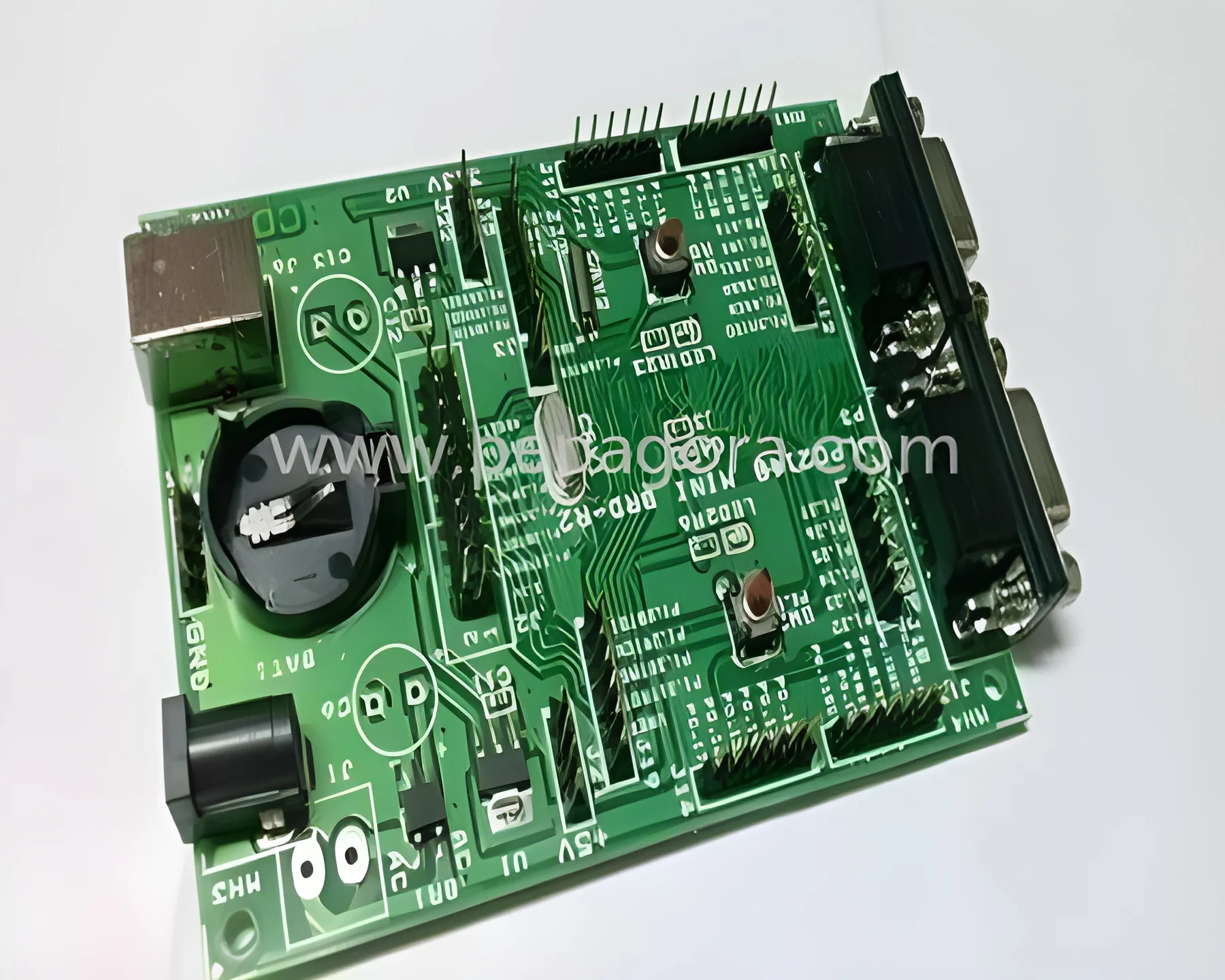
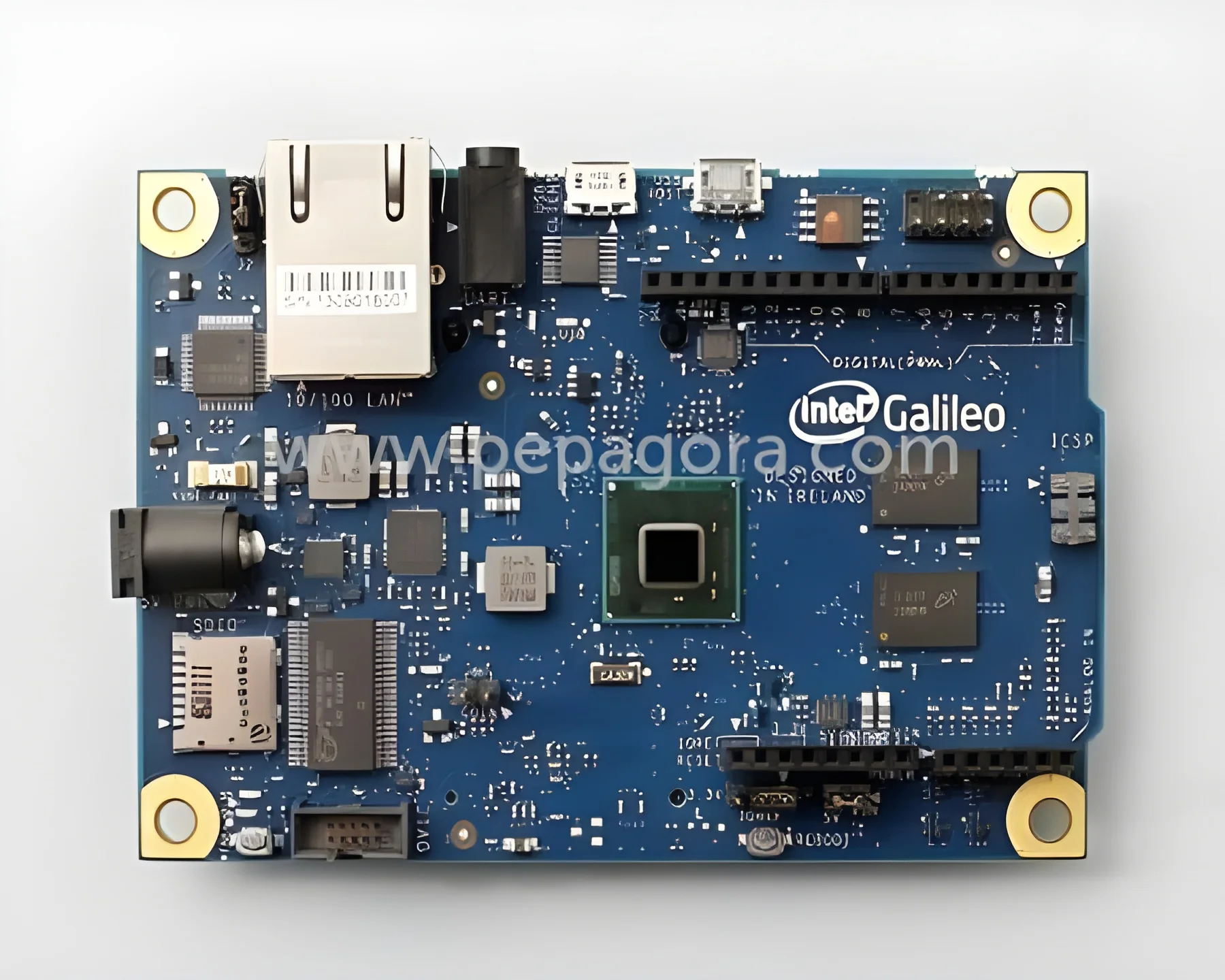
The Intel Galileo represents a professional-grade development platform that bridges the gap between prototyping and production-ready solutions. This Arduino-certified board incorporates Intel's robust architecture while maintaining full compatibility with the extensive Arduino ecosystem, providing developers with a familiar environment for creating sophisticated industrial and embedded applications. Its design focuses on reliability and performance, featuring industrial-grade components that ensure stable operation in continuous-use scenarios. The board supports multiple programming approaches and offers comprehensive connectivity options, making it suitable for complex projects requiring network integration, sensor arrays, and real-time data processing capabilities.

Multiple industries leverage the Intel Galileo's capabilities to enhance their operational technology infrastructure. Manufacturing facilities implement it for machine control systems, production monitoring, and quality a...
The Intel Galileo represents a professional-grade development platform that bridges the gap between prototyping and production-ready solutions. This Arduino-certified board incorporates Intel's robust architecture while maintaining full compatibility with the extensive Arduino ecosystem, providing developers with a familiar environment for creating sophisticated industrial and embedded applications. Its design focuses on reliability and performance, featuring industrial-grade components that ensure stable operation in continuous-use scenarios. The board supports multiple programming approaches and offers comprehensive connectivity options, making it suitable for complex projects requiring network integration, sensor arrays, and real-time data processing capabilities.

Multiple industries leverage the Intel Galileo's capabilities to enhance their operational technology infrastructure. Manufacturing facilities implement it for machine control systems, production monitoring, and quality assurance applications where consistent performance is essential. Agricultural operations utilize its sensing and control capabilities for automated irrigation, climate monitoring, and livestock management systems. Educational institutions incorporate it into engineering curricula for hands-on learning in embedded systems and IoT development. Infrastructure managers deploy it for building automation, energy monitoring, and security systems, while retail and service providers use it for point-of-sale terminals, inventory management, and customer interaction platforms.

The business value of the Intel Galileo lies in its combination of reliability, flexibility, and long-term performance. Its industrial-grade construction ensures minimal downtime and reduced maintenance costs, protecting operational continuity in critical applications. The board's compatibility with existing Arduino shields and Linux-based systems accelerates development cycles, allowing businesses to bring solutions to market faster. Its scalable architecture supports evolving project requirements without requiring complete system redesigns, providing investment protection as needs grow and change. The Intel architecture delivers consistent processing power for complex calculations and data handling, while the extensive community support and documentation reduce implementation risks and training requirements.

Key Features:
- Full Arduino IDE compatibility with extensive library support
- Intel Quark SoC X1000 processor for reliable computing performance
- Integrated Ethernet and USB host connectivity options
- Support for multiple operating systems including Linux
- Comprehensive GPIO and communication interfaces

Benefits:
- Reduced development time through familiar programming environment
- Consistent performance in demanding industrial environments
- Flexible integration with existing systems and protocols
- Scalable architecture supporting project evolution
- Reliable operation with minimal maintenance requirements
Specifications
| Additional Information | |
|---|---|
| SKU | SEES-10008 |
| Country of Origin | India |
Application
The Intel Galileo development board provides a robust platform for industrial automation and IoT solutions, combining Arduino compatibility with Intel processing power. It enables seamless integration of sensors, controllers, and communication modules for complex automated systems across multiple industries, offering reliable performance in demanding environments where consistent operation is critical for business continuity and operational efficiency.
This versatile board serves diverse sectors including manufacturing, agriculture, and infrastructure management through its flexible architecture and extensive connectivity options. Professional developers and system integrators value its ability to handle multiple input sources while maintaining stable performance, making it suitable for both prototyping and deployment phases of industrial automation projects and embedded computing applications.
- Manufacturing automation systems for production line control and equipment monitoring
- Smart agriculture implementations for environmental sensing and automated irrigation
- Infrastructure monitoring solutions for energy management and facility control
- Educational laboratory setups for embedded systems programming and prototyping
- Retail and service automation for inventory tracking and customer interaction systems
Trade Details
| Available Stock | In Stock |
| Sample Availability | No |
Payment Terms
| Payment Terms |
|
Company Profile

Sri Electronics & Embedded Solutions, Tamil Nadu
 Tamil Nadu, India
Tamil Nadu, IndiaElectronics & Electrical•Manufacturer•Trading Company
Factory Details
Factory SizeBelow 1000 sqm
Annual Production Capacity0
SKU: SEES-10008
Intel Galileo Arduino IoT Board For Industrial Automation And Embedded Computing
Intel Galileo Arduino-certified IoT board delivers reliable industrial automation and embedded computing with Intel architecture, seamless integration, and professional-grade performance for developers.
Min. Order Quantity: 1 piece
Shipping
Shipping fee and delivery date to be negotiated. Contact supplier now for more details.
Sri Electronics & Embedded Solutions
 Tamil Nadu, India
Tamil Nadu, IndiaElectronics & ElectricalManufacturer