IN
IN₹
Apparel & Fashion
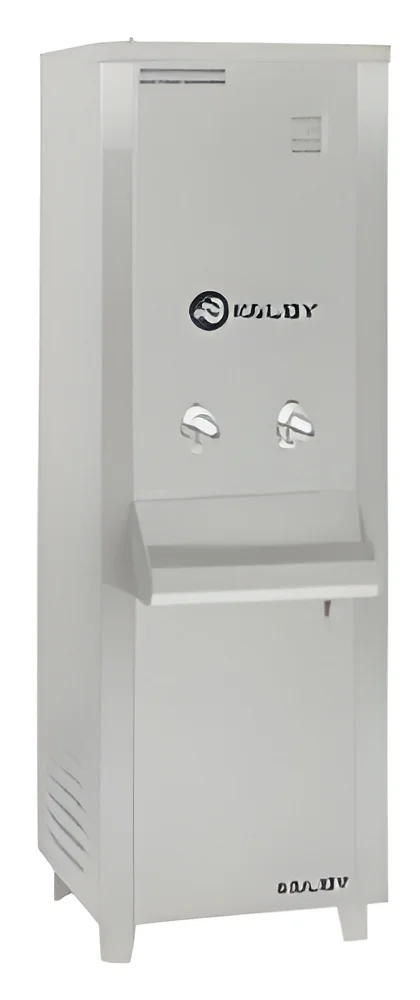
Description
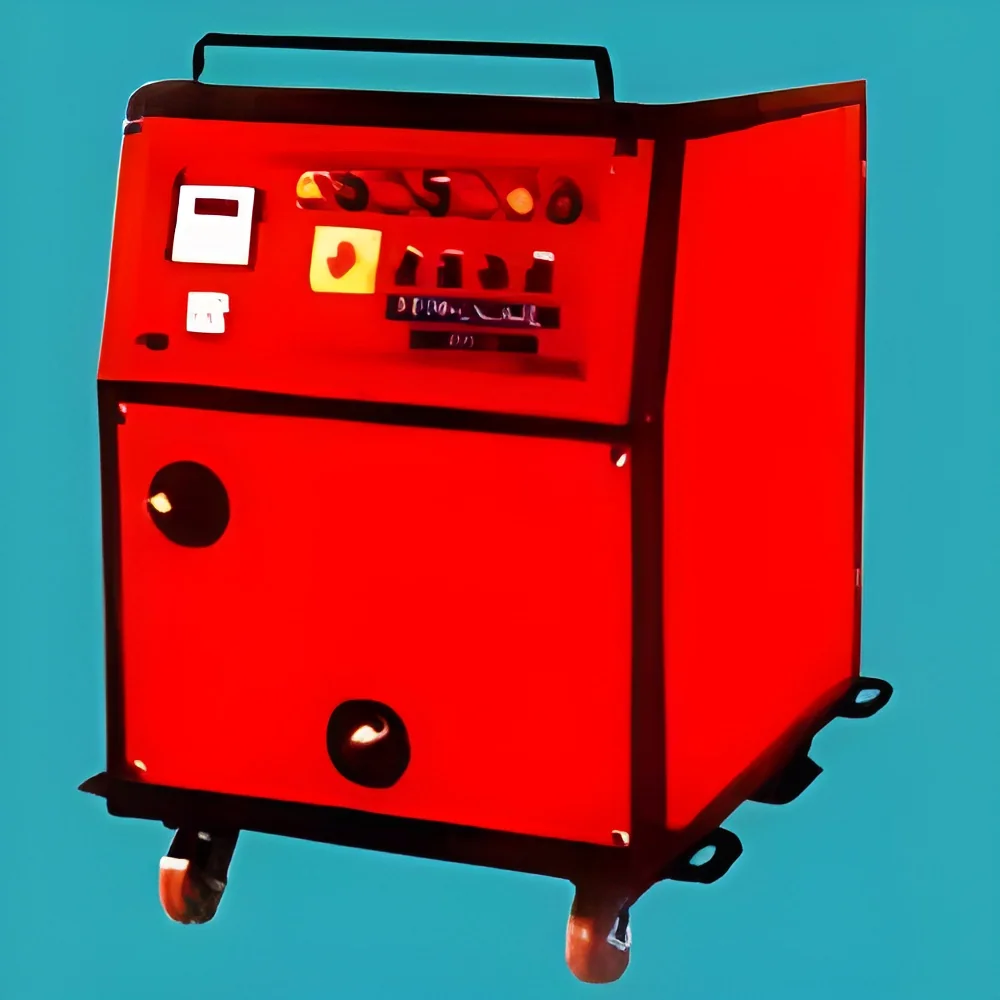
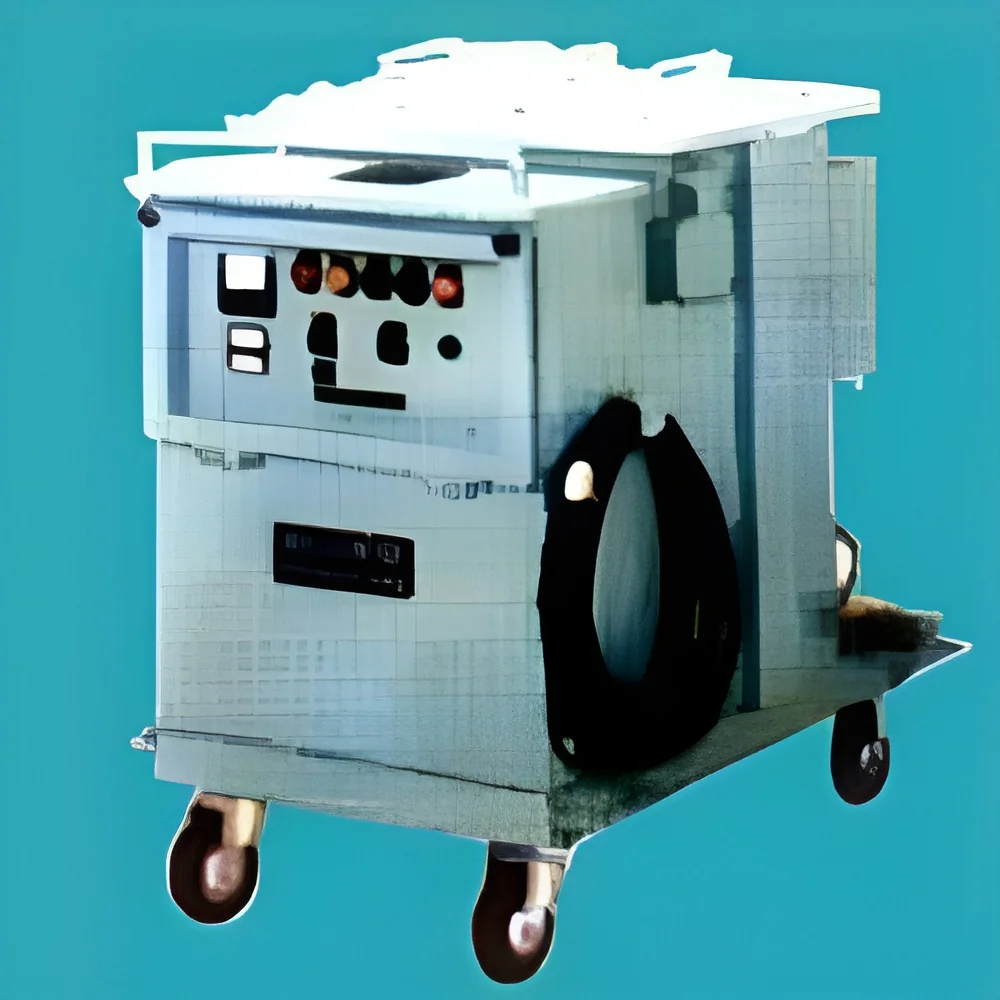
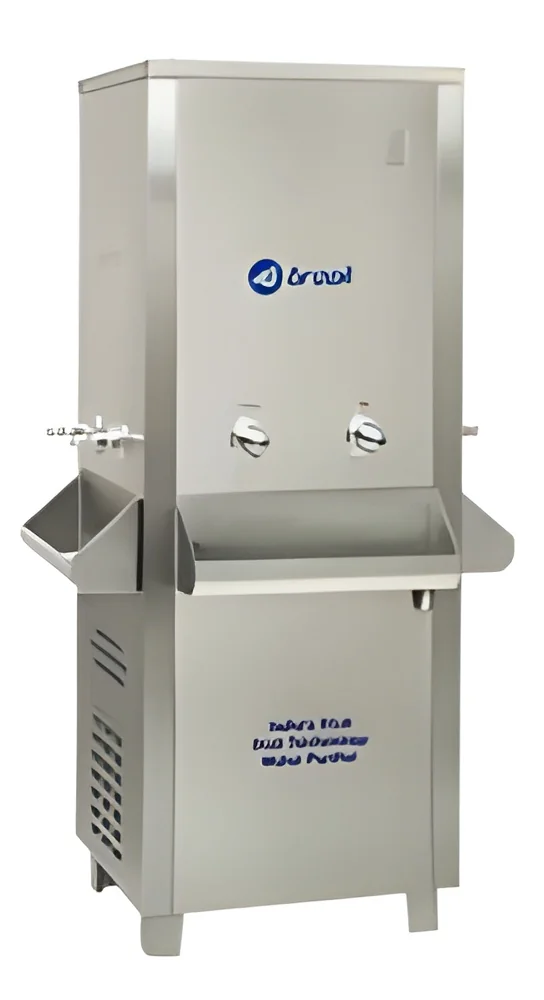
Industrial water purifier systems represent a critical investment for businesses that depend on consistent, high-quality water for their operations. These systems are engineered with advanced filtration technologies including reverse osmosis, deionization, and ultrafiltration to achieve precise purity levels. Built for industrial-scale demands, they handle substantial water volumes while maintaining efficiency and reliability. The systems feature robust construction with industrial-grade components designed to withstand continuous operation in challenging environments, ensuring long service life and minimal maintenance requirements. This focus on durability and performance makes them a dependable solution for facilities that cannot afford water quality inconsistencies or system failures.

These purification systems find essential applications across multiple sectors with stringent water quality requirements. In pharmaceutical manufacturing, they produce water for injection (WFI) and pu...
Industrial water purifier systems represent a critical investment for businesses that depend on consistent, high-quality water for their operations. These systems are engineered with advanced filtration technologies including reverse osmosis, deionization, and ultrafiltration to achieve precise purity levels. Built for industrial-scale demands, they handle substantial water volumes while maintaining efficiency and reliability. The systems feature robust construction with industrial-grade components designed to withstand continuous operation in challenging environments, ensuring long service life and minimal maintenance requirements. This focus on durability and performance makes them a dependable solution for facilities that cannot afford water quality inconsistencies or system failures.

These purification systems find essential applications across multiple sectors with stringent water quality requirements. In pharmaceutical manufacturing, they produce water for injection (WFI) and purified water that meets pharmacopeia standards. Manufacturing plants utilize them for process water in metal finishing, chemical production, and precision cleaning operations. The food and beverage industry relies on these systems to ensure water meets food safety regulations for ingredient processing and equipment sanitation. Hospitality and healthcare facilities implement them to provide safe water for guests, patients, and critical medical equipment, while electronics manufacturers depend on ultra-pure water for semiconductor fabrication and component cleaning. Each industry benefits from tailored configurations that address specific contamination profiles and purity benchmarks.

The business value of industrial water purification systems extends beyond basic water treatment to encompass operational efficiency, regulatory compliance, and cost management. These systems deliver reliable performance that minimizes production disruptions and maintenance downtime, ensuring consistent operational output. They help businesses meet environmental regulations and industry-specific water quality standards, reducing compliance risks and potential penalties. By optimizing water usage and reducing waste, these systems contribute to significant long-term cost savings while supporting sustainable operational practices. Their adaptability to specific water quality requirements ensures optimal performance for each unique application, maximizing return on investment through solutions that protect product quality, equipment longevity, and brand reputation.

Key Features:
- Multi-stage purification process combining sediment filtration, carbon adsorption, reverse osmosis, and deionization.
- Industrial-grade construction with corrosion-resistant materials for durability in demanding environments.
- High-capacity design capable of processing substantial water volumes with consistent purity output.
- Integrated monitoring and control systems for automated operation and real-time performance tracking.
- Modular configuration allowing for system expansion and adaptation to changing water treatment needs.

Benefits:
- Ensures consistent supply of high-purity water meeting industry-specific quality standards and regulations.
- Reduces operational costs through efficient water usage, lower chemical consumption, and minimal waste generation.
- Minimizes maintenance requirements and downtime through reliable performance and durable construction.
- Supports sustainable operations by optimizing water resources and reducing environmental impact.
- Provides scalable solutions that can adapt to evolving production demands and water quality requirements.
Specifications
| Additional Information | |
|---|---|
| Country of Origin | India |
Application
Industrial water purifier systems are engineered for demanding environments where water purity is non-negotiable. They utilize advanced multi-stage filtration to remove contaminants, sediments, and dissolved solids, ensuring output water meets stringent quality specifications. These systems are designed for continuous, high-volume operation with minimal downtime, providing a consistent supply of treated water for critical processes.
These purification systems serve as the backbone for operations where water quality directly influences product integrity and safety. They are adaptable to various source water conditions and can be integrated into existing infrastructure for both pre-treatment and final polishing stages. Their robust design ensures long-term reliability, helping facilities maintain compliance with regulatory standards while optimizing their overall water management strategy.
- Manufacturing facilities using purified water for equipment cooling, product rinsing, and boiler feed applications.
- Pharmaceutical production requiring USP-grade water for drug formulation, cleaning, and laboratory processes.
- Hospitality and healthcare operations needing reliable, safe water for guest use, laundry, and sanitation.
- Food and beverage production where water purity is critical for ingredient mixing, cleaning, and final product quality.
- Electronics manufacturing requiring ultra-pure water for semiconductor washing and circuit board production.
Trade Details
| Available Stock | In Stock |
| Sample Availability | No |
Payment Terms
| Payment Terms |
|
Company Profile
Weltech Enterprise, Gujarat
 Gujarat, India
Gujarat, IndiaIndustrial Equipment & Machinery•Distributor / Wholesaler
Factory Details
Factory SizeBelow 1000 sqm
Annual Production Capacity0
Main Markets
South Asia
Industrial Water Purifier Systems For High Purity Treatment
Industrial water purifier systems provide high-purity water treatment for manufacturing, pharmaceuticals, and hospitality. These reliable systems feature custom configurations to meet specific industry standards and volume requirements.
Min. Order Quantity: 1 unit
Shipping
Shipping fee and delivery date to be negotiated. Contact supplier now for more details.
Weltech Enterprise
 Gujarat, India
Gujarat, IndiaIndustrial Equipment & MachineryDistributor / Wholesaler