IN
IN₹
Apparel & Fashion
Description
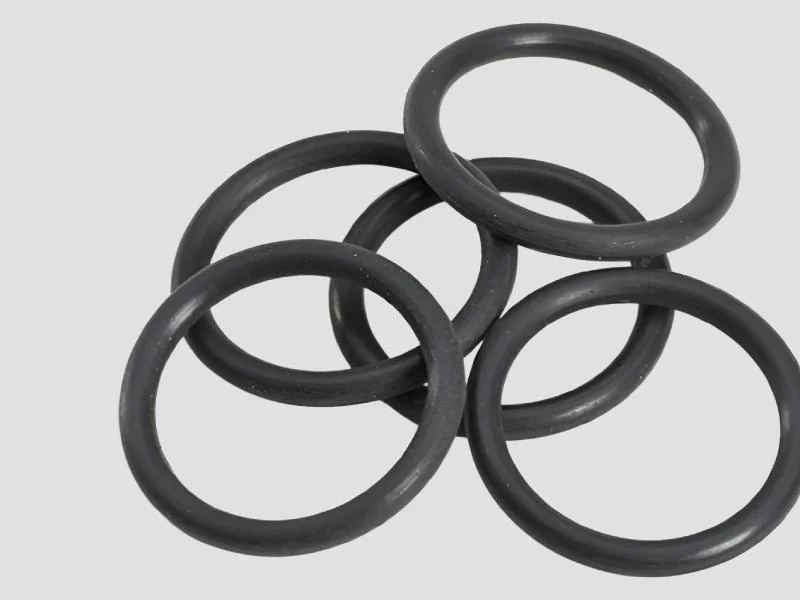
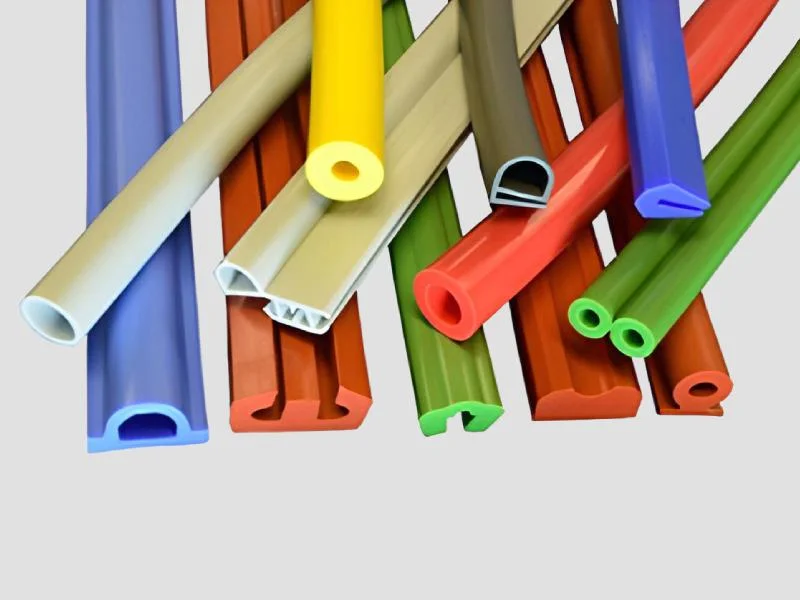
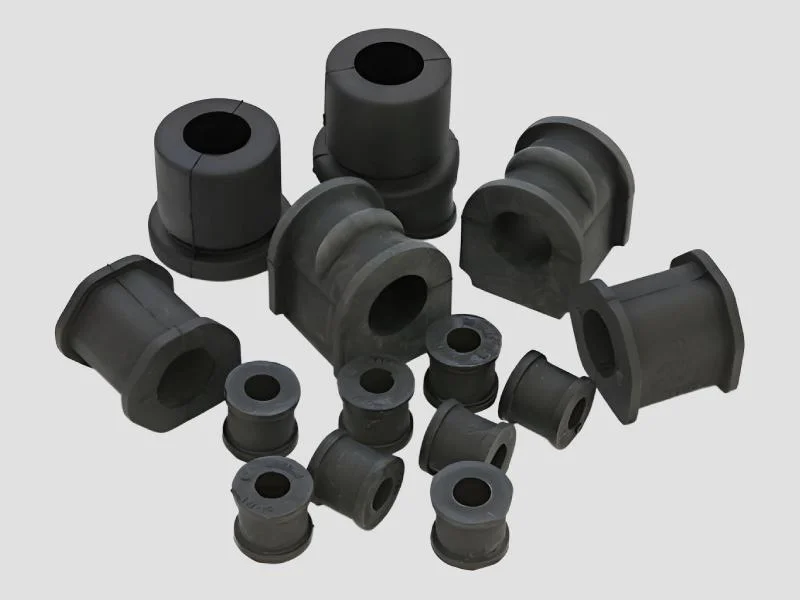
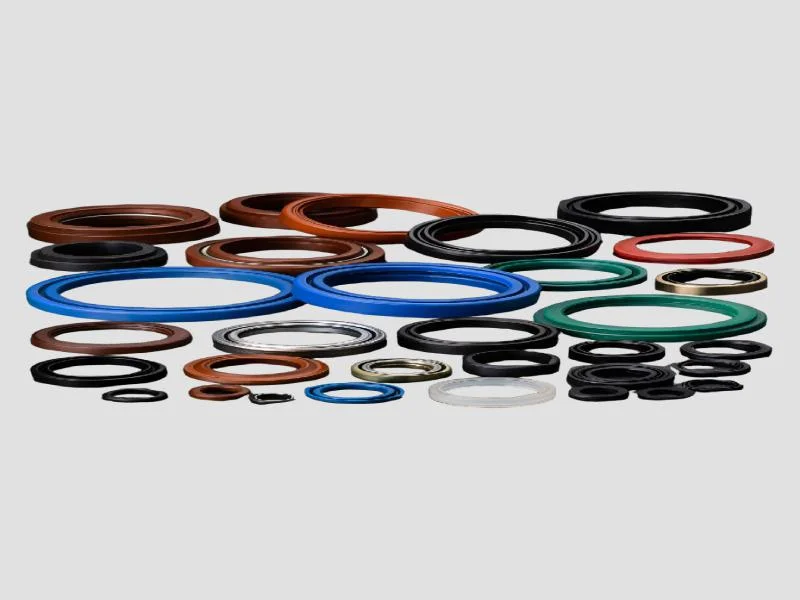
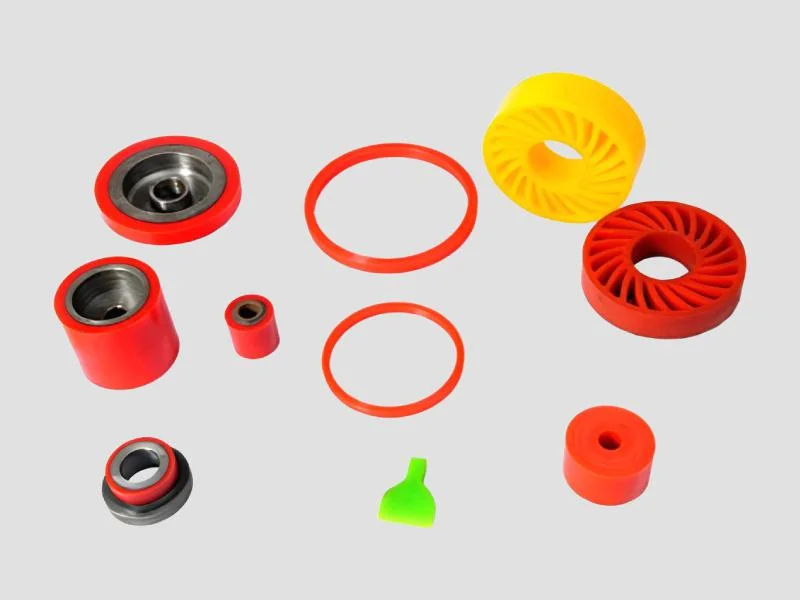
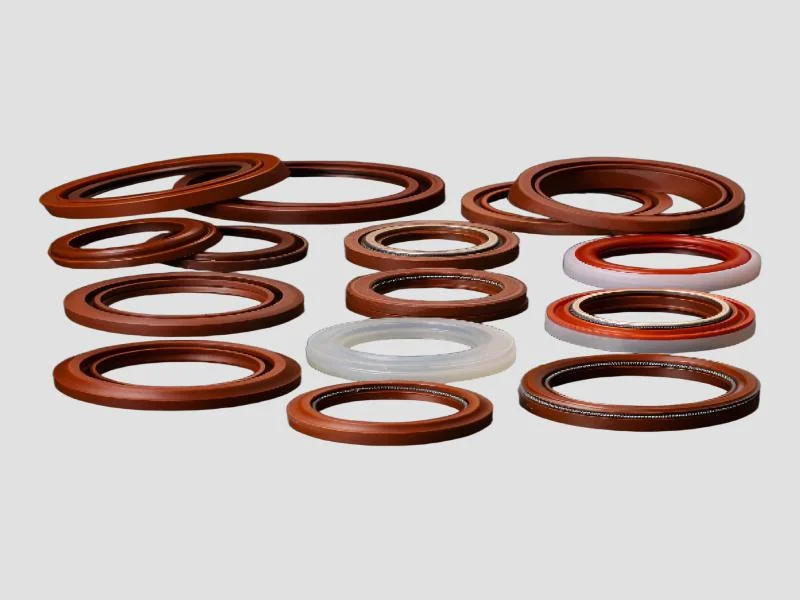
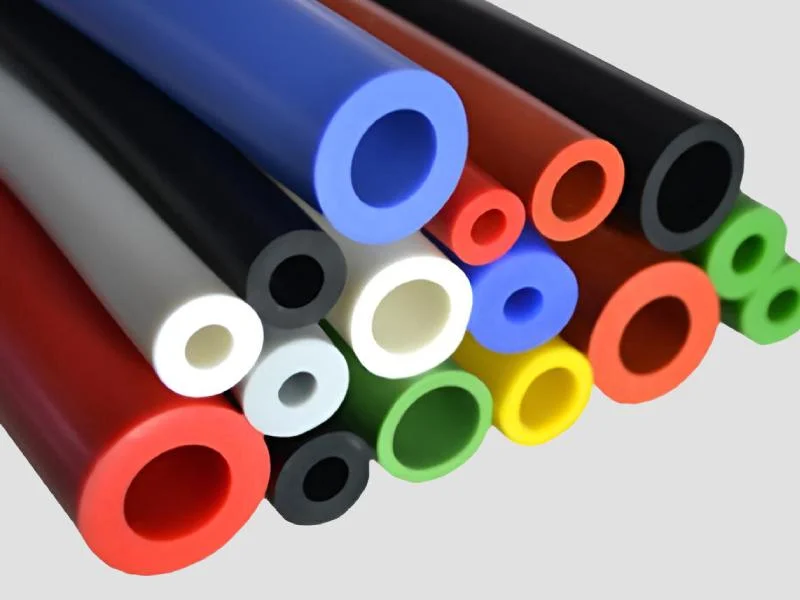
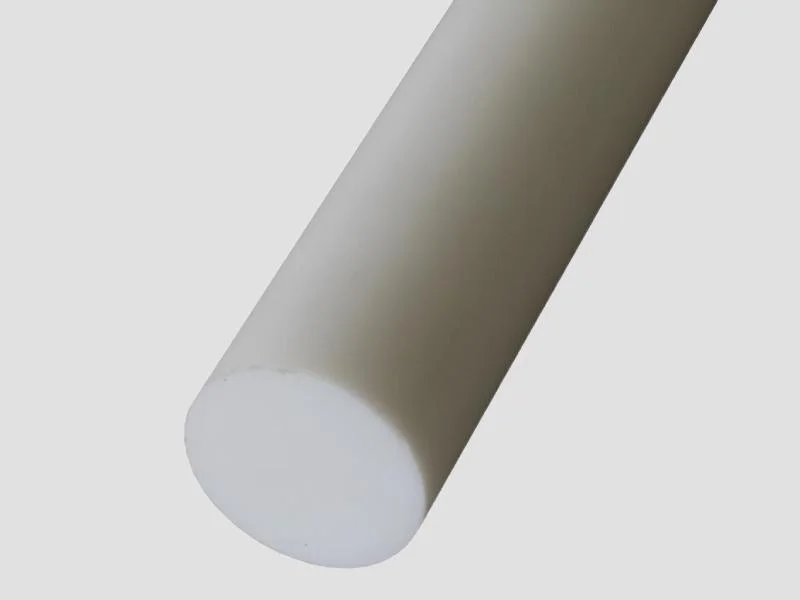
Hat Rubber's PTFE rods, tubes, bushes, and sheets represent premium engineering materials designed for industrial applications where standard materials fail. Manufactured from high-quality polytetrafluoroethylene, these components offer exceptional chemical resistance, thermal stability, and mechanical durability that ensure reliable performance in demanding environments. The material's low friction coefficient, excellent dielectric properties, and non-stick characteristics make it suitable for applications ranging from fluid handling systems to precision mechanical assemblies. Available in various standard sizes and configurations, these PTFE products provide engineers and procurement specialists with reliable solutions for both routine maintenance and new equipment design.

These PTFE components find extensive use across multiple industrial sectors including chemical processing, pharmaceutical manufacturing, food production, electrical engineering, and mechanical equipment manufactur...
Hat Rubber's PTFE rods, tubes, bushes, and sheets represent premium engineering materials designed for industrial applications where standard materials fail. Manufactured from high-quality polytetrafluoroethylene, these components offer exceptional chemical resistance, thermal stability, and mechanical durability that ensure reliable performance in demanding environments. The material's low friction coefficient, excellent dielectric properties, and non-stick characteristics make it suitable for applications ranging from fluid handling systems to precision mechanical assemblies. Available in various standard sizes and configurations, these PTFE products provide engineers and procurement specialists with reliable solutions for both routine maintenance and new equipment design.

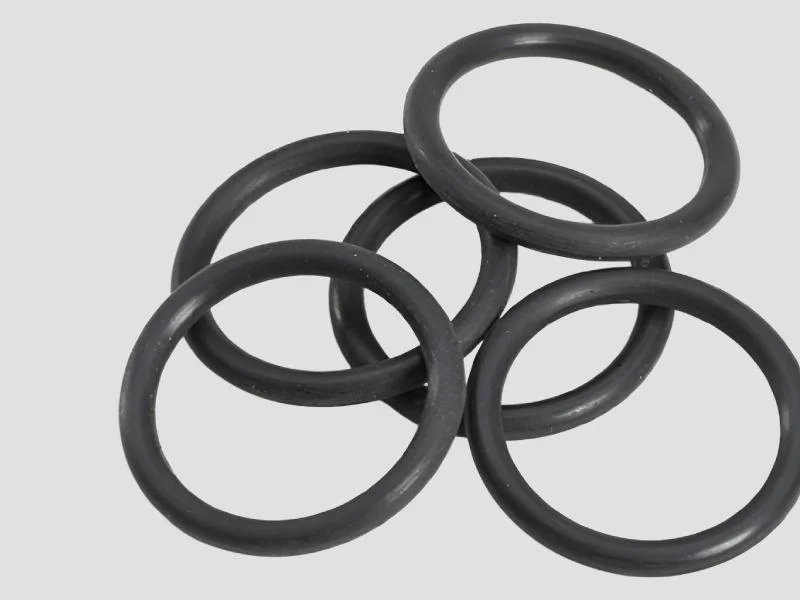
These PTFE components find extensive use across multiple industrial sectors including chemical processing, pharmaceutical manufacturing, food production, electrical engineering, and mechanical equipment manufacturing. In chemical plants, they serve as seals, gaskets, and lining materials that withstand aggressive acids, bases, and solvents. Pharmaceutical facilities utilize them for equipment requiring purity and chemical resistance, while food processing operations benefit from their non-stick and hygienic properties. Electrical applications leverage their excellent insulating capabilities, and mechanical systems employ them for low-friction bearings and wear-resistant components that operate without lubrication.

The business value of Hat Rubber's PTFE products lies in their ability to reduce downtime, extend equipment life, and minimize maintenance costs through superior material performance. Their reliability stems from consistent manufacturing processes that ensure dimensional accuracy, material purity, and predictable performance characteristics. Unlike inferior alternatives, these components maintain their properties across wide temperature ranges and chemical exposures, providing long-term value through reduced replacement frequency and improved system reliability. This translates to lower total cost of ownership and enhanced operational efficiency for businesses that depend on consistent equipment performance.

Key Features:
- Exceptional chemical resistance to acids, bases, and solvents
- Wide temperature tolerance from -200°C to +260°C
- Low friction coefficient for reduced wear and energy consumption
- Excellent electrical insulation properties
- Non-stick surface that prevents material buildup

Benefits:
- Extended equipment lifespan through superior wear resistance
- Reduced maintenance requirements and associated downtime
- Enhanced safety in chemical handling applications
- Improved process efficiency with consistent performance
- Versatile application across multiple industrial sectors
Specifications
| Additional Information | |
|---|---|
| Country of Origin | India |
Application
PTFE components from Hat Rubber serve critical roles across multiple industrial sectors where chemical resistance and reliability are non-negotiable. These materials withstand aggressive environments that degrade ordinary materials, maintaining structural integrity and performance consistency over extended periods.
From chemical processing equipment to precision mechanical assemblies, these PTFE products provide essential functionality where failure is not an option. Their versatility allows engineers to specify them for both standard and specialized applications, knowing they will deliver consistent results regardless of operating conditions or exposure to harsh substances.
Real-world applications:
- Sealing components in chemical pumps and valves that handle corrosive fluids
- Insulating bushings and bearings in electrical equipment exposed to harsh environments
- Lining material for chemical storage tanks and processing vessels
- Gaskets and seals in pharmaceutical manufacturing equipment requiring purity
- Wear-resistant components in food processing machinery where non-stick properties are essential
Trade Details
| Available Stock | In Stock |
| Sample Availability | No |
Payment Terms
| Payment Terms |
|
| Payment Methods |
|
Company Profile

Hat Rubbers, Tamil Nadu
 Tamil Nadu, India
Tamil Nadu, India33 yrs
Manufacturer•Importer•Exporter
Factory Details
Factory Size1000-5000 sqm
Industrial PTFE Components: Rods, Tubes, Sheets For Chemical Resistance
Hat Rubber PTFE rods, tubes, bushes, and sheets offer superior chemical resistance and durability for industrial components, ensuring reliable performance in demanding applications.
Min. Order Quantity: 1 piece
Shipping
Shipping fee and delivery date to be negotiated. Contact supplier now for more details.
Hat Rubbers Tamil Nadu, India
Tamil Nadu, IndiaManufacturer