IN
IN₹
Description
Dyflon industrial non-stick coatings represent advanced surface technology designed specifically for challenging manufacturing environments where sticking and release issues compromise productivity. These high-performance coatings create a durable, resilient barrier that withstands extreme temperatures, mechanical abrasion, and chemical exposure, making them ideal for demanding applications across multiple industries. The formulations are engineered to provide consistent release performance while maintaining structural integrity through thousands of cycles, ensuring reliable operation in critical manufacturing processes. With extensive research and testing backing each formulation, these coatings deliver proven performance that industrial operations can depend on for maintaining production efficiency and reducing operational disruptions.

These coatings serve vital roles across numerous industrial sectors including plastics manufacturing, rubber production, food processing, and packagi...
Dyflon industrial non-stick coatings represent advanced surface technology designed specifically for challenging manufacturing environments where sticking and release issues compromise productivity. These high-performance coatings create a durable, resilient barrier that withstands extreme temperatures, mechanical abrasion, and chemical exposure, making them ideal for demanding applications across multiple industries. The formulations are engineered to provide consistent release performance while maintaining structural integrity through thousands of cycles, ensuring reliable operation in critical manufacturing processes. With extensive research and testing backing each formulation, these coatings deliver proven performance that industrial operations can depend on for maintaining production efficiency and reducing operational disruptions.

These coatings serve vital roles across numerous industrial sectors including plastics manufacturing, rubber production, food processing, and packaging operations. In plastics and rubber industries, they are applied to injection molds, compression molds, and extrusion tools to facilitate clean part release and minimize surface defects. The food processing industry utilizes them on baking pans, confectionery molds, and processing equipment where non-stick properties ensure product integrity and simplify sanitation procedures. Packaging manufacturers rely on these coatings for heat sealing jaws and bands where consistent non-stick performance maintains operational efficiency. This broad applicability demonstrates the coating's versatility in addressing release challenges across both heavy industrial machinery and precision food-grade equipment requirements.

The business value delivered by Dyflon coatings translates directly to improved operational metrics and reduced operating costs. By ensuring reliable product release, these coatings minimize production downtime, reduce material waste from damaged products, and decrease cleaning time between cycles. Their durable construction extends the service life of expensive molds and tools, providing significant return on investment through reduced replacement costs and maintenance requirements. The consistent performance across varying operating conditions ensures manufacturing processes maintain scheduled output levels, supporting just-in-time production schedules and customer delivery commitments. This reliability builds trust in manufacturing operations, allowing businesses to focus on core competencies while the coatings handle critical release challenges.

Key Features:
- High-temperature resistance maintaining performance in demanding thermal conditions
- Exceptional durability against mechanical abrasion and wear
- Advanced non-stick properties for consistent release performance
- Chemical resistance to common industrial cleaners and processing materials
- Long service life with minimal maintenance requirements

Benefits:
- Reduced production downtime through reliable release performance
- Lower maintenance costs with extended tool and mold lifespan
- Decreased material waste from improved product release
- Enhanced operational efficiency with faster cycle times
- Consistent performance across varying operating conditions
Specifications
| Additional Information | |
|---|---|
| Country of Origin | India |
Application
Dyflon industrial non-stick coatings deliver reliable performance in demanding manufacturing environments where sticking causes production delays. These specialized coatings create a durable barrier that withstands high temperatures and mechanical stress, reducing downtime and maintenance costs while ensuring consistent product release across multiple cycles. Their advanced formulation maintains integrity under continuous operation, providing dependable performance that industrial operations can trust for critical molding and processing applications.
The versatility of these coatings supports diverse industrial processes including plastics manufacturing, food production, and packaging operations. They enhance productivity by ensuring smooth release, minimizing material waste, and extending tool lifespan across various applications. Manufacturers benefit from improved operational efficiency and reduced cleaning time, making these coatings essential for maintaining high-output production lines where reliability and performance are paramount.
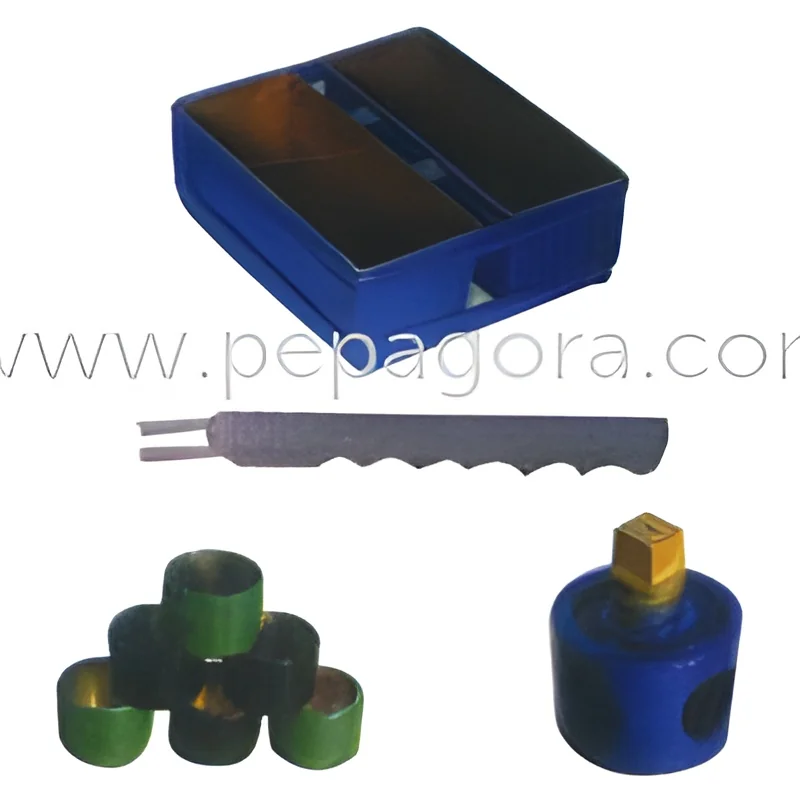
- Injection molding tools for plastic and rubber components to ensure clean release and reduce defects
- Bakery equipment including bread pans and baking trays to prevent sticking and simplify cleaning
- Heat sealing bands in packaging machinery to maintain non-stick performance under continuous heat
- Confectionery production molds for candies and sweets to ensure efficient product release
- Industrial molds and dies in manufacturing to enhance durability and reduce maintenance frequency
Trade Details
| Available Stock | In Stock |
| Sample Availability | No |
Payment Terms
| Payment Terms |
|
Company Profile

Motley Exim Co Delhi, New Delhi
 New Delhi, India
New Delhi, IndiaConstruction
Factory Details
Factory SizeBelow 1000 sqm
Annual Production Capacity0
Industrial Non Stick Coatings For Rubber Plastic Molding
Dyflon industrial non-stick coatings provide durable high-performance release solutions for rubber and plastic molding applications, ensuring efficiency and reliability for injection molds and heat sealing equipment.
Min. Order Quantity: 1 unit
Shipping
Shipping fee and delivery date to be negotiated. Contact supplier now for more details.
Motley Exim Co Delhi
 New Delhi, India
New Delhi, IndiaConstruction