IN
IN₹
Description
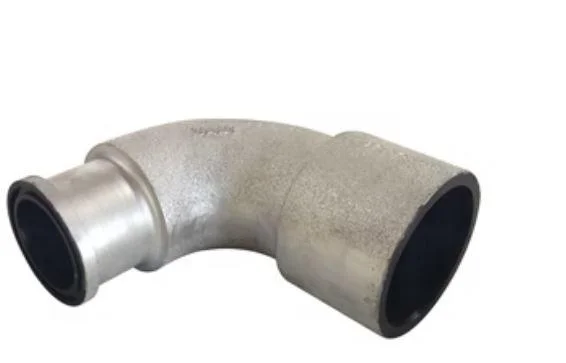
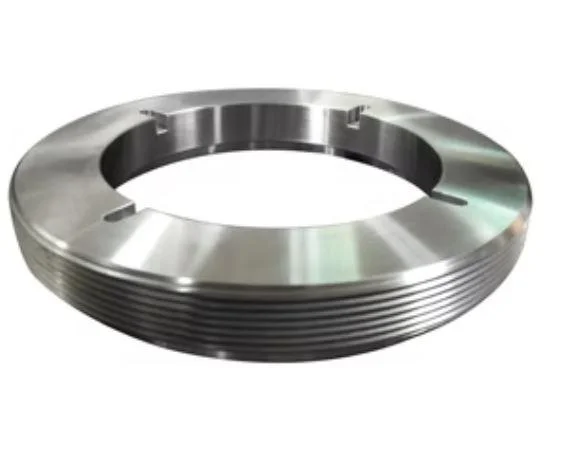
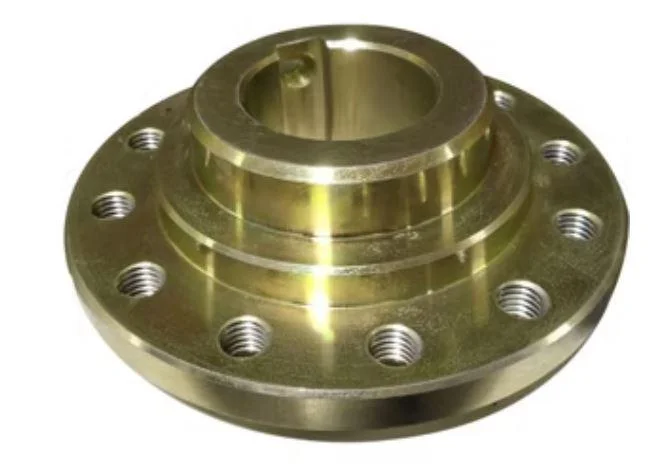
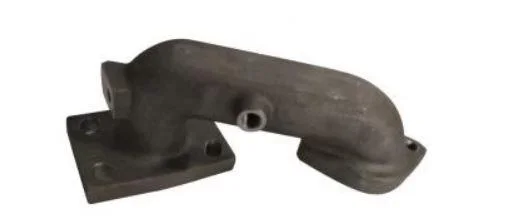
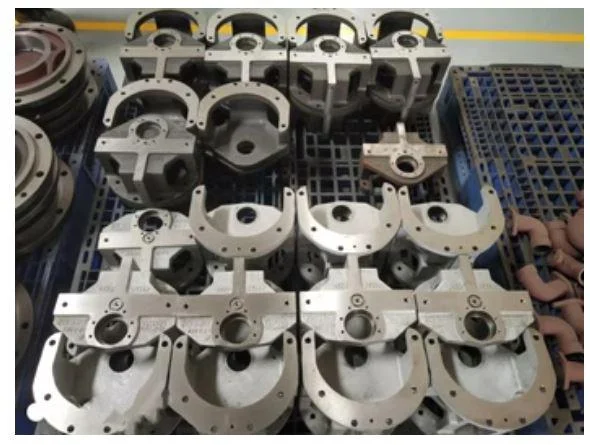
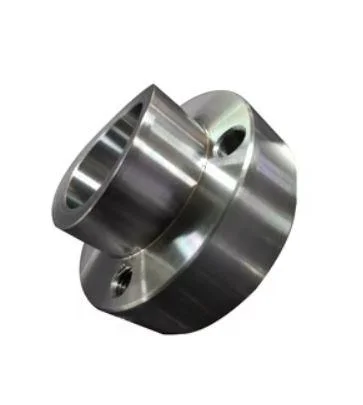
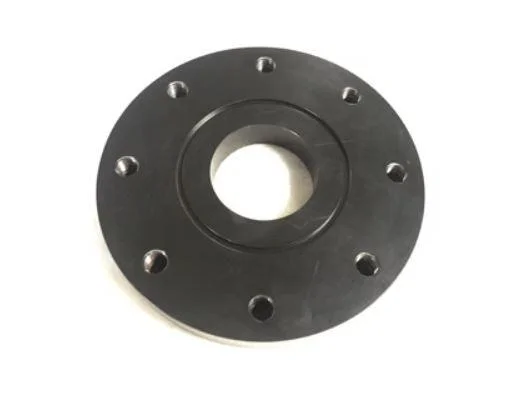
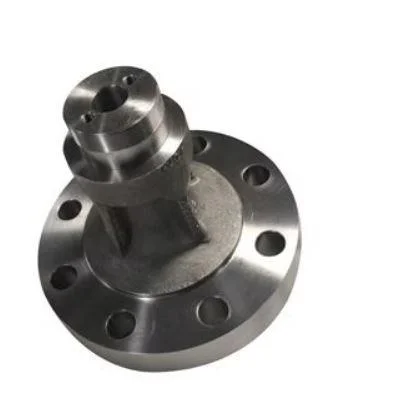
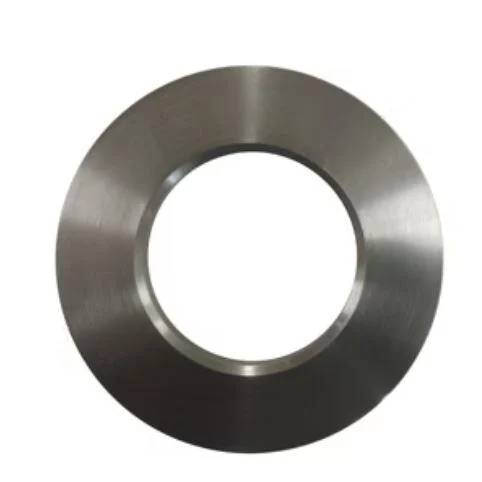
Industrial spacers are precision-engineered components designed to maintain exact distances and proper alignment between mechanical parts in machinery and equipment assemblies. These critical components ensure components remain at specified intervals, preventing contact that could lead to friction, wear, or misalignment. Manufactured with dimensional accuracy and consistent quality, spacers support reliable performance by maintaining structural integrity and proper load distribution across connected elements. Their precise construction enables smooth assembly processes and contributes to the overall longevity of industrial equipment in demanding operational environments.

These components find extensive use across multiple industrial sectors where mechanical precision is paramount. In manufacturing plants, they ensure proper alignment in production machinery and assembly lines. Automotive applications utilize spacers in engine assemblies, transmission systems, and suspension components...
Industrial spacers are precision-engineered components designed to maintain exact distances and proper alignment between mechanical parts in machinery and equipment assemblies. These critical components ensure components remain at specified intervals, preventing contact that could lead to friction, wear, or misalignment. Manufactured with dimensional accuracy and consistent quality, spacers support reliable performance by maintaining structural integrity and proper load distribution across connected elements. Their precise construction enables smooth assembly processes and contributes to the overall longevity of industrial equipment in demanding operational environments.

These components find extensive use across multiple industrial sectors where mechanical precision is paramount. In manufacturing plants, they ensure proper alignment in production machinery and assembly lines. Automotive applications utilize spacers in engine assemblies, transmission systems, and suspension components. Heavy equipment industries rely on them for maintaining clearances in construction and mining machinery. Precision engineering sectors incorporate spacers in automation systems, robotics, and specialized manufacturing equipment where exact component positioning directly impacts performance and reliability.

The business value of quality spacers lies in their contribution to equipment reliability and reduced maintenance costs. By preventing component interference and ensuring proper alignment, they minimize wear and extend service life of machinery. Their dimensional consistency supports efficient assembly processes and reduces production downtime. The reliability of these components translates to consistent equipment performance, fewer breakdowns, and predictable maintenance schedules. For operations managers and equipment designers, this means improved productivity, lower total cost of ownership, and enhanced operational safety through properly functioning machinery.

Key Features:
- Precision-engineered for exact dimensional accuracy and consistent thickness
- Manufactured from durable materials resistant to operational stress and environmental factors
- Designed to maintain specified distances between components under various load conditions
- Available in multiple standard sizes and configurations for diverse applications
- Engineered to prevent component contact and reduce friction in mechanical assemblies

Benefits:
- Ensures proper alignment and spacing for reliable machinery performance
- Reduces wear and extends service life of connected components and equipment
- Supports efficient assembly processes with consistent dimensional quality
- Minimizes maintenance requirements and associated downtime costs
- Enhances operational safety by preventing component interference and misalignment
Specifications
| Additional Information | |
|---|---|
| Country of Origin | India |
Application
Industrial spacers serve as essential components in mechanical assemblies where accurate positioning is critical. They create necessary gaps between parts to prevent contact, reduce friction, and maintain structural integrity across various equipment types. These precision components enable smooth operation by ensuring proper alignment of moving parts and stationary elements within complex machinery systems.
From heavy-duty manufacturing equipment to precision automation systems, spacers provide consistent separation between components. They help distribute loads evenly, absorb vibrations, and compensate for thermal expansion in diverse operating environments. Their application spans industries requiring reliable mechanical performance and long-term operational stability without component interference.
Real-world applications:
- Maintaining precise gear alignment in power transmission systems and industrial gearboxes
- Creating proper clearance between bearings and housings in rotating machinery assemblies
- Ensuring accurate spacing in automotive engine components and suspension systems
- Providing consistent separation in conveyor systems and material handling equipment
- Supporting alignment in hydraulic and pneumatic cylinder assemblies for manufacturing plants
Trade Details
| Available Stock | In Stock |
| Sample Availability | No |
Payment Terms
| Payment Terms |
|
| Payment Methods |
|
Company Profile

Pag Industries, Tamil Nadu
 Tamil Nadu, India
Tamil Nadu, IndiaIndustrial Equipment & Machinery•Manufacturer
Factory Details
Factory SizeBelow 1000 sqm
Industrial Machinery Spacer For Precise Component Alignment And Load Distribution
Spacer for Industrial Machinery and Assembly maintains precise distance and alignment between components, ensuring proper fitting, load distribution, and reliable performance in demanding applications.
Min. Order Quantity: 1 piece
Shipping
Shipping fee and delivery date to be negotiated. Contact supplier now for more details.
Pag Industries
 Tamil Nadu, India
Tamil Nadu, IndiaIndustrial Equipment & MachineryManufacturer