IN
IN₹
Apparel & Fashion
Description
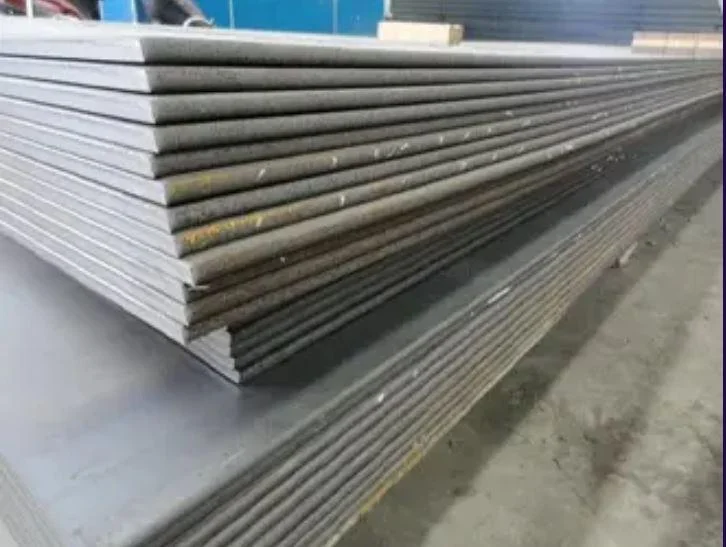
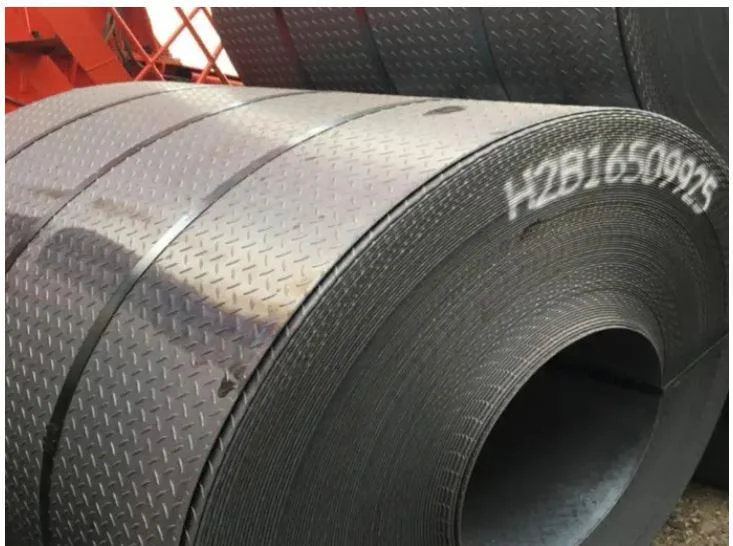
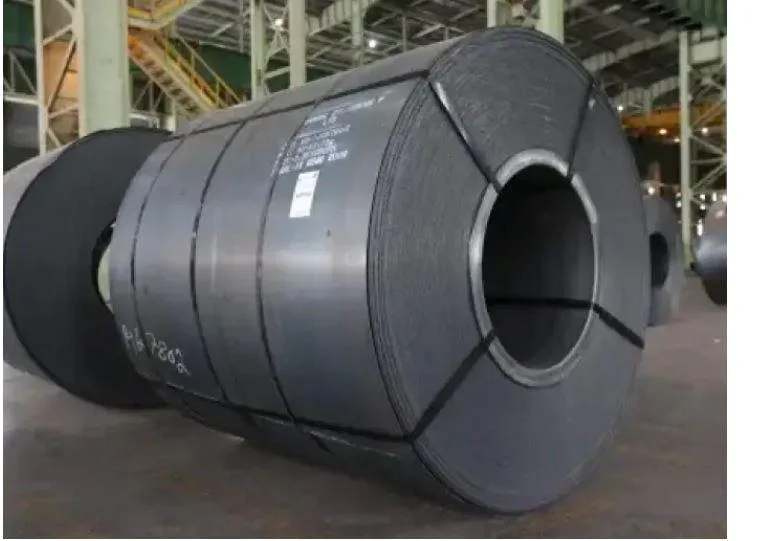
Hot rolled steel coils, sheets, and plates represent essential industrial materials produced through a high-temperature rolling process that enhances their mechanical properties. This manufacturing method involves heating steel above its recrystallization temperature and passing it through rollers to achieve precise thicknesses and dimensions. The resulting products exhibit excellent strength, flexibility, and durability while maintaining consistent quality throughout production runs. These steel forms are available in various grades and specifications to match specific application requirements, providing reliable performance in demanding environments where material integrity is critical for safety and longevity.

These steel products find extensive use across multiple industries that demand robust and reliable materials. In construction, they form structural elements for buildings, bridges, and infrastructure projects where load-bearing capacity is essential. Manufacturing sectors uti...
Hot rolled steel coils, sheets, and plates represent essential industrial materials produced through a high-temperature rolling process that enhances their mechanical properties. This manufacturing method involves heating steel above its recrystallization temperature and passing it through rollers to achieve precise thicknesses and dimensions. The resulting products exhibit excellent strength, flexibility, and durability while maintaining consistent quality throughout production runs. These steel forms are available in various grades and specifications to match specific application requirements, providing reliable performance in demanding environments where material integrity is critical for safety and longevity.

These steel products find extensive use across multiple industries that demand robust and reliable materials. In construction, they form structural elements for buildings, bridges, and infrastructure projects where load-bearing capacity is essential. Manufacturing sectors utilize them for machinery components, equipment frames, and production line elements requiring durability and precision. Automotive applications include chassis parts, reinforcement elements, and structural components that must withstand stress and vibration. Industrial applications span from heavy equipment manufacturing to custom fabrication projects where material performance directly impacts operational efficiency and safety standards.

The business value of hot rolled steel products lies in their proven reliability and suitability for critical applications. These materials offer consistent performance that reduces project risks and ensures predictable outcomes in manufacturing and construction processes. Their versatility allows for efficient fabrication and installation, saving time and resources during project execution. The inherent strength and durability minimize maintenance requirements and extend service life, providing long-term cost savings. Manufacturers benefit from established quality control processes that guarantee material consistency, while end-users gain confidence in products that meet industry standards and regulatory requirements for safety and performance.

Key Features:
- Produced through high-temperature rolling process for enhanced strength and durability
- Available in coils, sheets, and plates with precise thickness and dimension control
- Exhibits excellent flexibility and workability for various fabrication methods
- Consistent quality maintained through advanced manufacturing and quality control
- Multiple grades and specifications available to match specific application requirements

Benefits:
- Provides reliable structural integrity for demanding industrial and construction applications
- Offers versatility for diverse manufacturing processes and fabrication requirements
- Ensures consistent performance that reduces project risks and uncertainties
- Delivers long-term durability that minimizes maintenance and replacement costs
- Supports efficient project execution through predictable material behavior and workability
Specifications
| Additional Information | |
|---|---|
| Country of Origin | India |
Application
Hot rolled steel HR coils, sheets, and plates serve as fundamental materials across multiple sectors due to their structural integrity and versatility. These products form the backbone of numerous industrial processes where reliability and performance are non-negotiable requirements for project success and operational efficiency.
From foundational support to precision components, these steel products adapt to diverse manufacturing needs. Their inherent strength and workability make them suitable for both large-scale structural projects and detailed fabrication work, ensuring they meet the rigorous demands of modern industrial applications and construction standards.
Real-world applications:
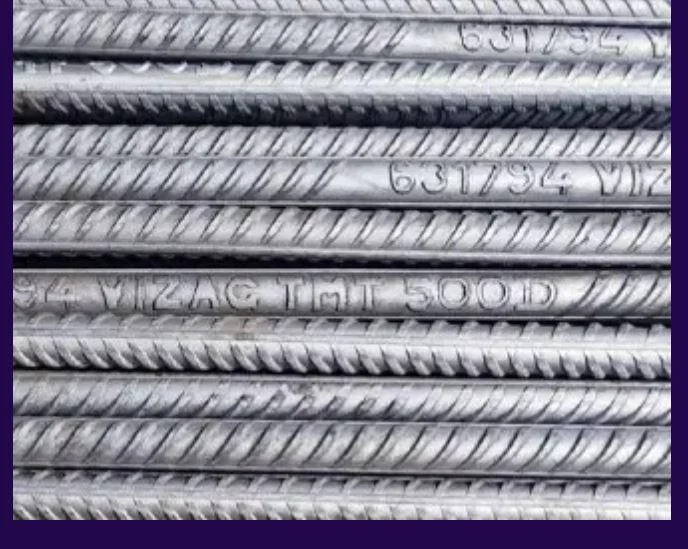
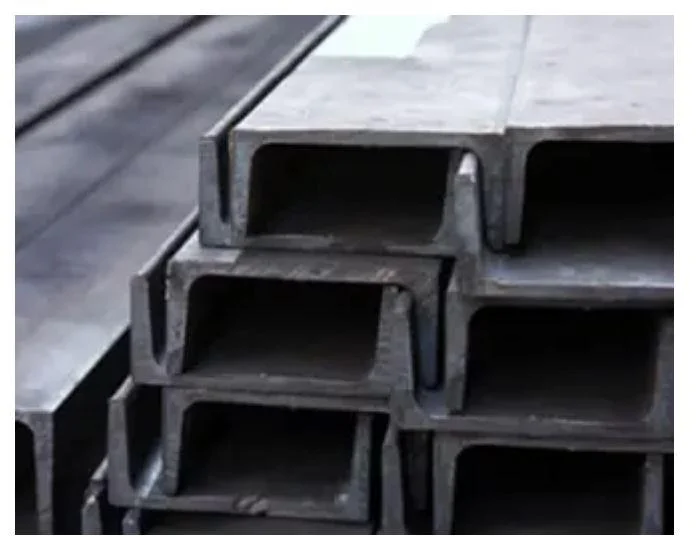
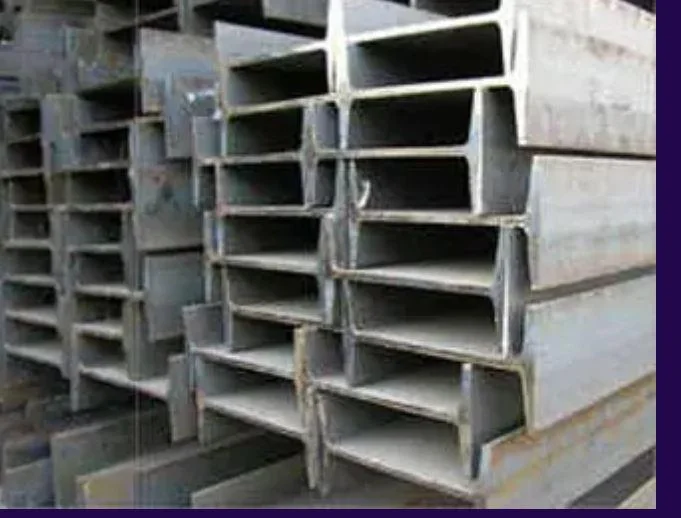
- Building structural frameworks, beams, and columns in commercial and residential construction projects.
- Manufacturing heavy machinery parts, equipment frames, and industrial components requiring durability.
- Producing automotive chassis, brackets, and reinforcement parts for vehicle manufacturing.
- Creating custom metal fabrications for industrial equipment, storage solutions, and specialized structures.
- Developing infrastructure elements like bridges, transmission towers, and industrial flooring systems.
Trade Details
| Available Stock | In Stock |
| Sample Availability | No |
Payment Terms
| Payment Terms |
|
| Payment Methods |
|
Company Profile

PSR Steels, Tamil Nadu
 Tamil Nadu, India
Tamil Nadu, IndiaConstruction•Manufacturer
Factory Details
Factory SizeBelow 1000 sqm
Hot Rolled Steel HR Coils Sheets Plates For Construction Manufacturing
Hot rolled steel HR coils, sheets, and plates from reliable manufacturers provide strength and durability for construction, manufacturing, automotive, and industrial applications with consistent quality.
Min. Order Quantity: 1 piece
Shipping
Shipping fee and delivery date to be negotiated. Contact supplier now for more details.
PSR Steels
 Tamil Nadu, India
Tamil Nadu, IndiaConstructionManufacturer