IN
IN₹
Apparel & Fashion
Loading subcategories...
View More
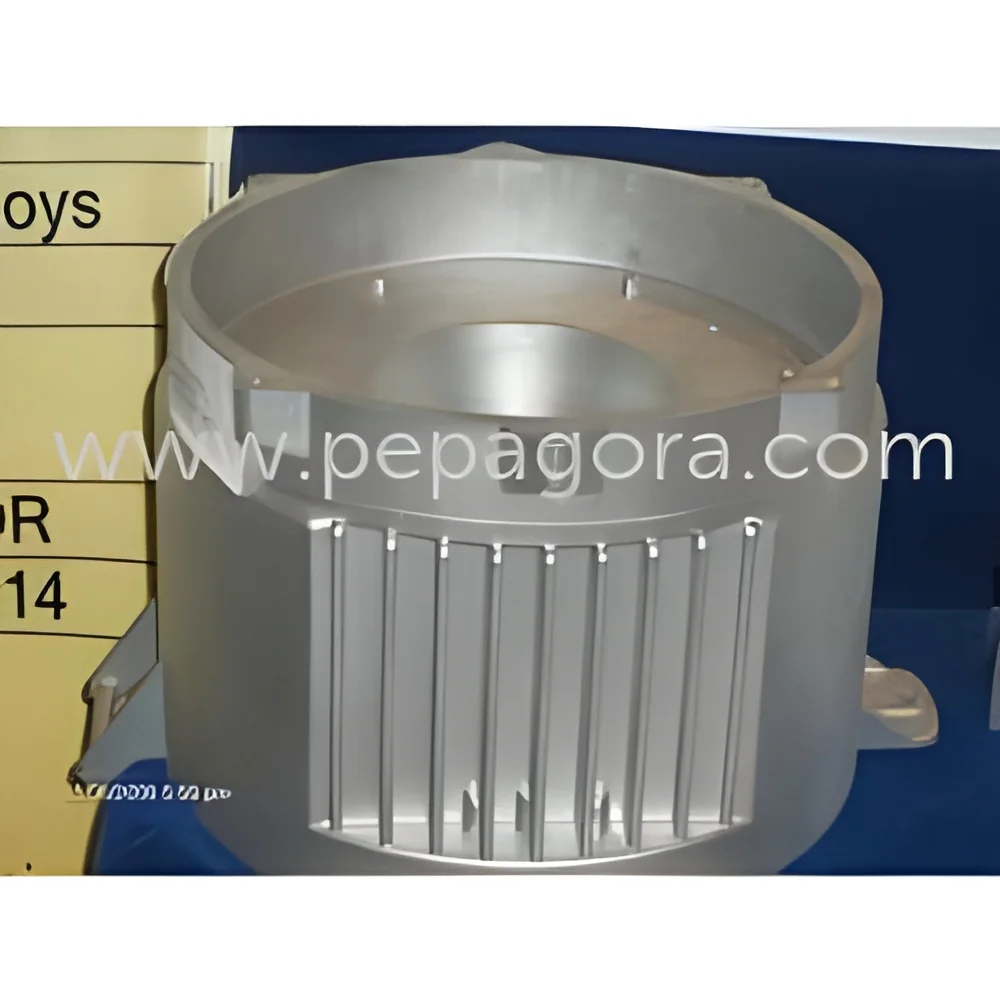
Description
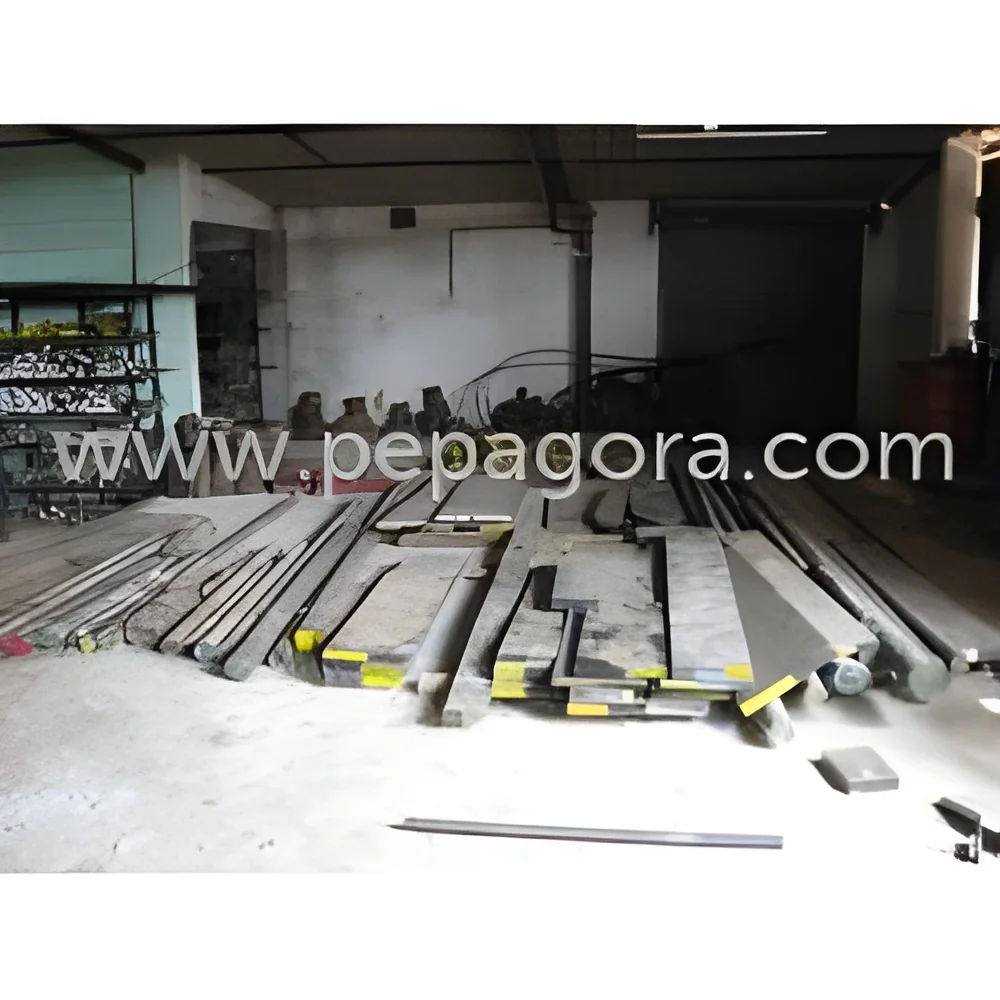
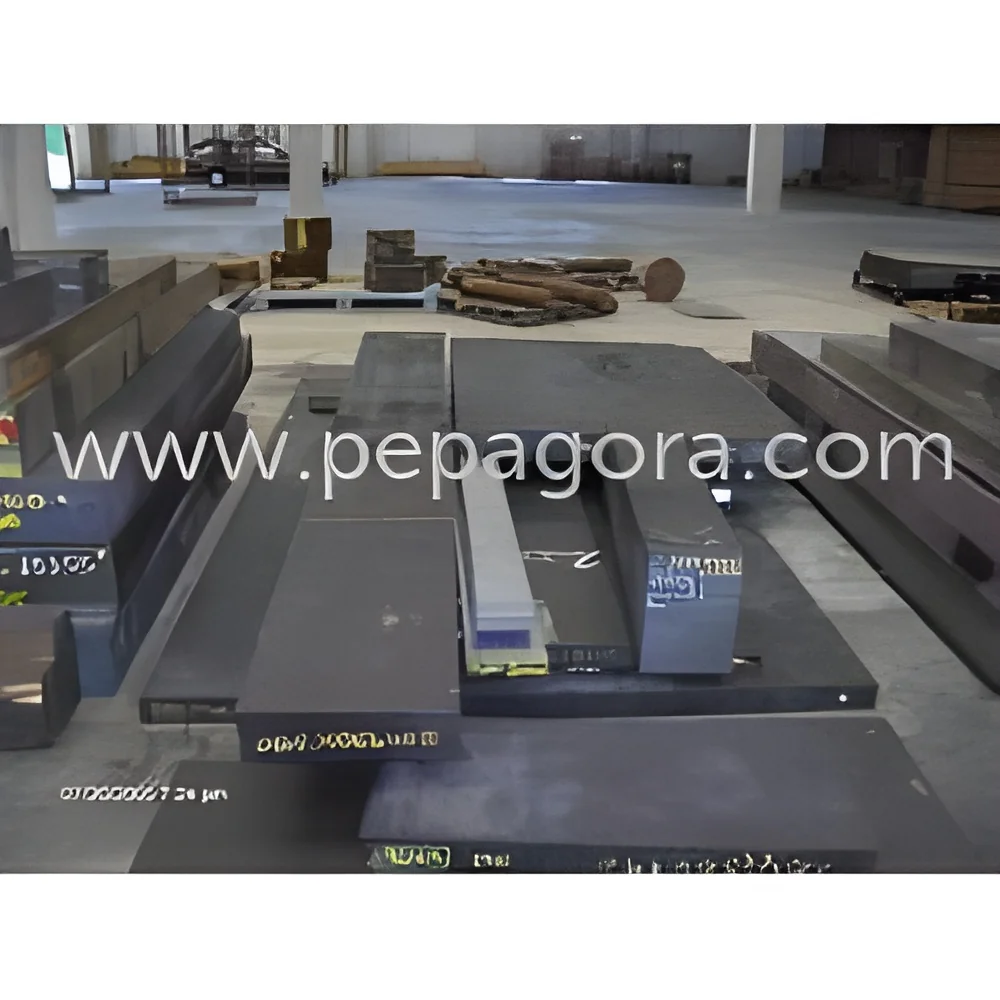
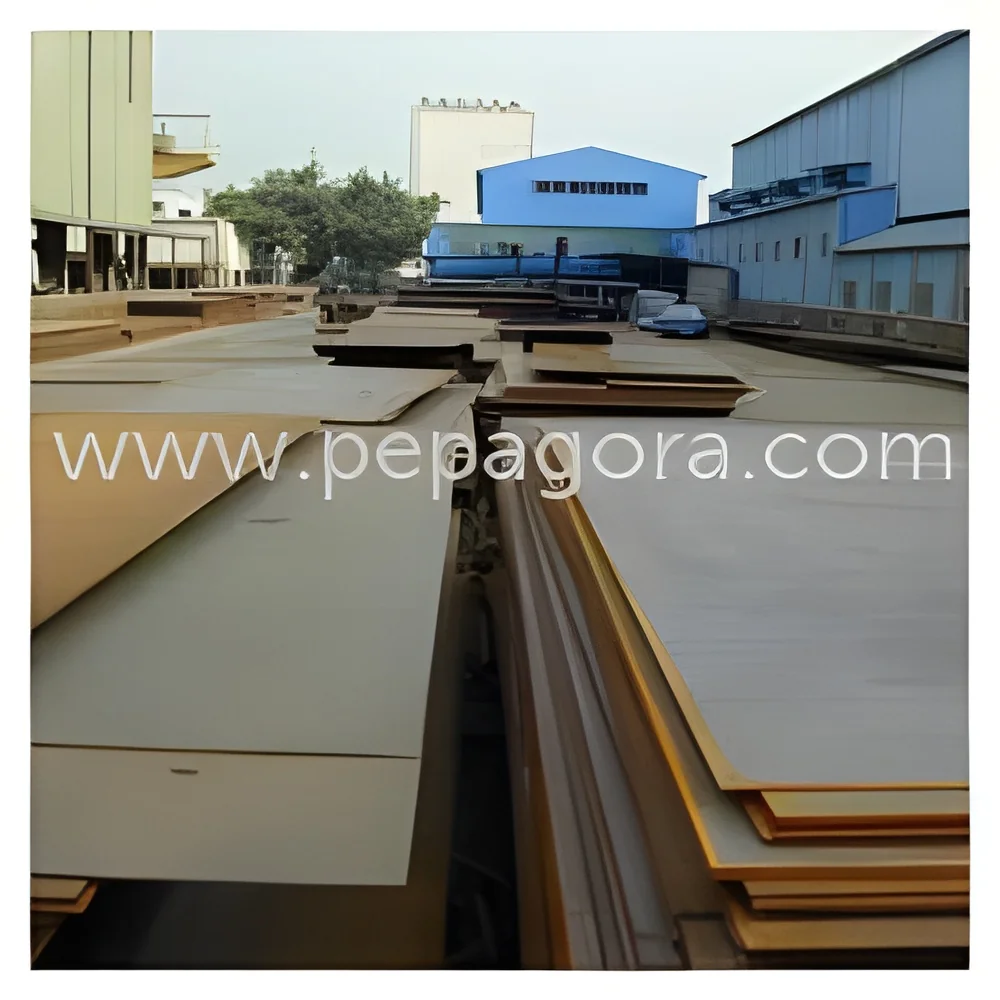
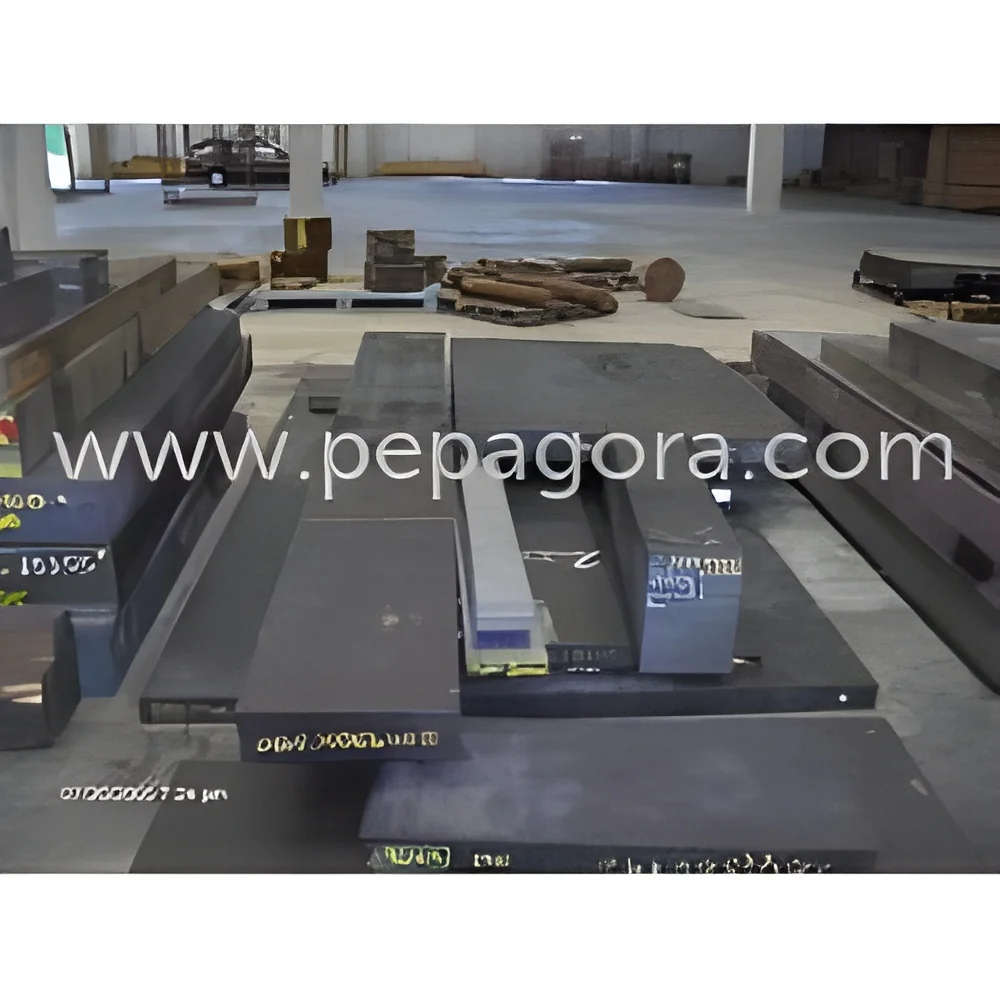
BeyLos hot die steel represents advanced engineering for high-temperature industrial applications where performance reliability is non-negotiable. This specialized tool steel maintains exceptional mechanical properties even when subjected to continuous extreme heat, making it an essential material for manufacturing processes involving repeated thermal cycling. Its sophisticated alloy composition ensures consistent performance where conventional steels would deteriorate, providing manufacturers with a dependable solution that enhances operational efficiency and minimizes production interruptions. The material's inherent thermal stability makes it suitable for both high-volume manufacturing and specialized applications across various industrial sectors.

This premium hot work tool steel serves critical roles across multiple manufacturing industries where thermal resistance directly impacts operational success. The die casting industry utilizes BeyLos steel for creating durable molds that...
BeyLos hot die steel represents advanced engineering for high-temperature industrial applications where performance reliability is non-negotiable. This specialized tool steel maintains exceptional mechanical properties even when subjected to continuous extreme heat, making it an essential material for manufacturing processes involving repeated thermal cycling. Its sophisticated alloy composition ensures consistent performance where conventional steels would deteriorate, providing manufacturers with a dependable solution that enhances operational efficiency and minimizes production interruptions. The material's inherent thermal stability makes it suitable for both high-volume manufacturing and specialized applications across various industrial sectors.

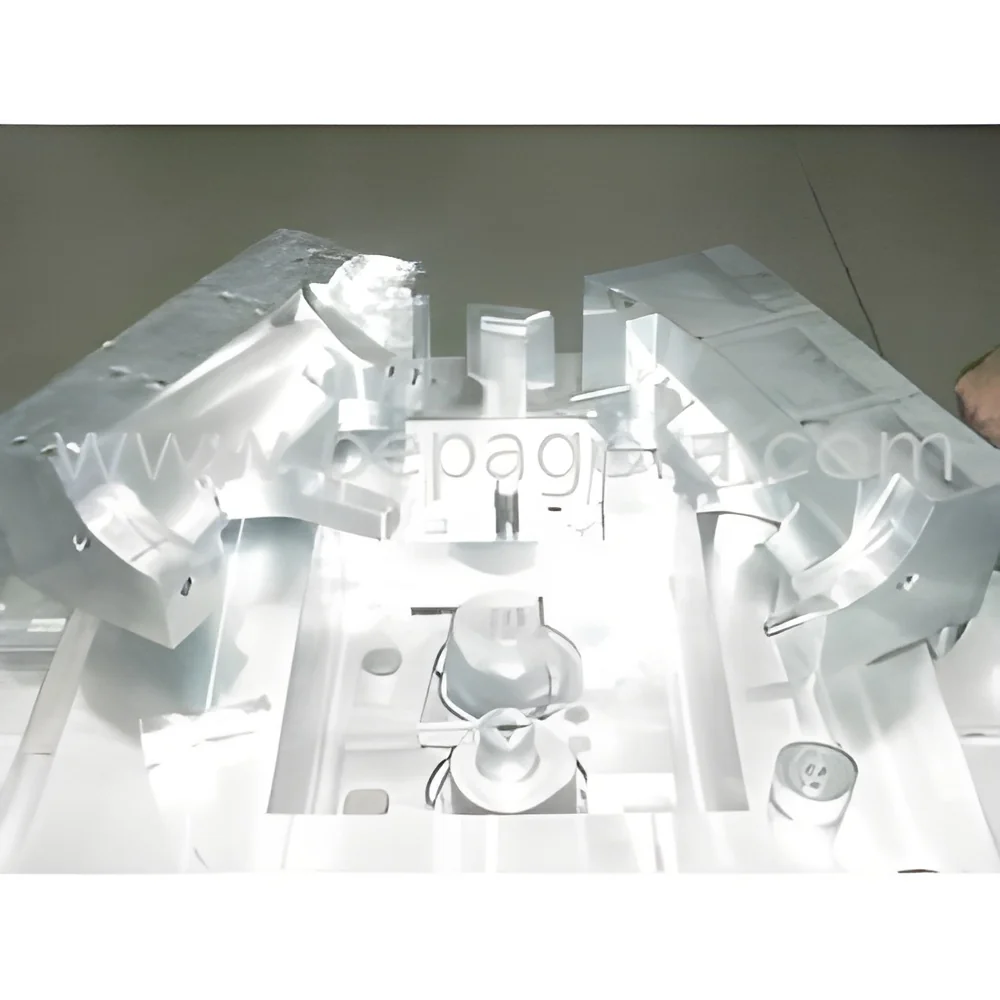
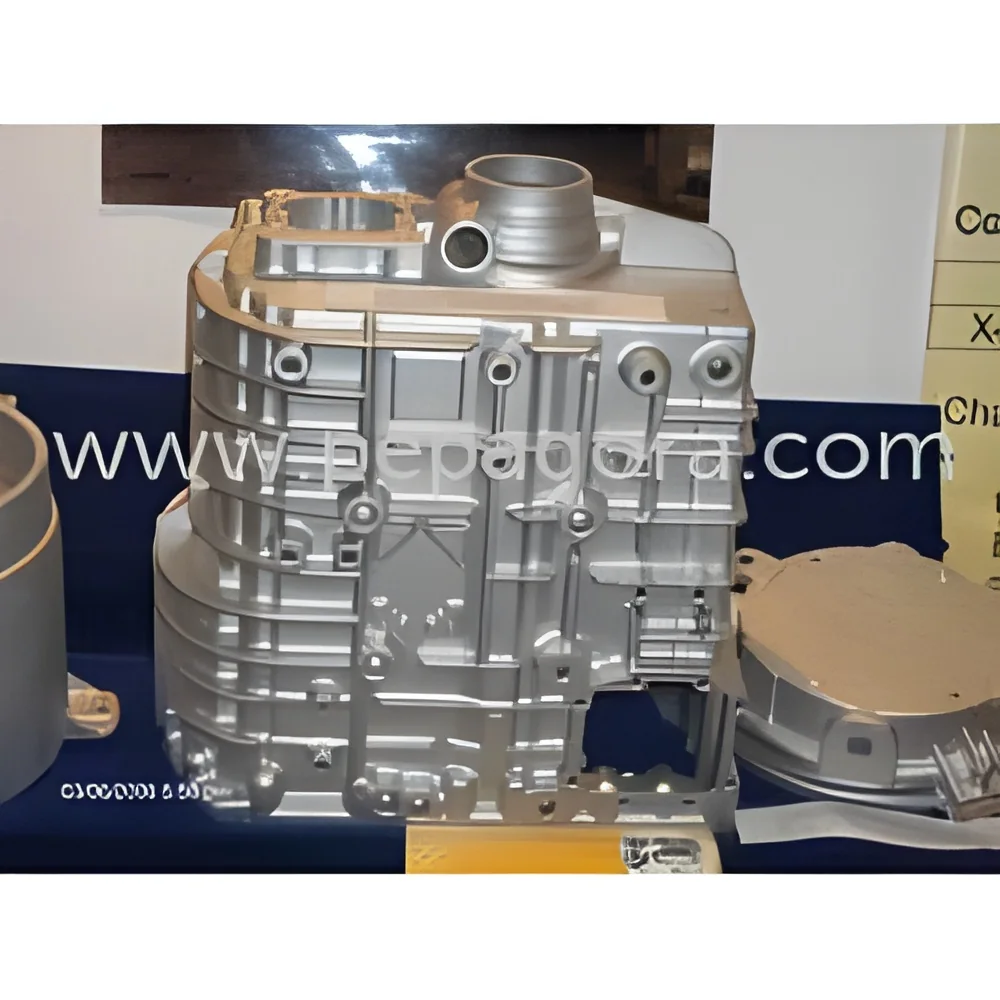
This premium hot work tool steel serves critical roles across multiple manufacturing industries where thermal resistance directly impacts operational success. The die casting industry utilizes BeyLos steel for creating durable molds that produce precision components for automotive and aerospace applications. Forging operations depend on it for dies that shape heavy machinery parts under extreme pressure and temperature conditions. The extrusion industry employs it for tools that form aluminum and copper profiles, while plastic injection molding companies value its wear resistance in high-cycle production environments. Additional applications include metal stamping, hot punching, and thermal processing operations where material integrity under heat directly affects productivity and final product quality.

The operational value of BeyLos hot die steel extends beyond technical specifications to deliver measurable cost savings and production advantages. Its exceptional durability results in extended tool life, significantly reducing replacement frequency and associated machine downtime. The steel's resistance to thermal shock and heat checking minimizes production interruptions for maintenance, ensuring consistent output quality across manufacturing batches. Manufacturers benefit from reduced rejection rates and improved product consistency due to the material's stable performance characteristics under thermal stress. These reliability factors combine to lower total operational costs while increasing production capacity and manufacturing efficiency for businesses focused on maintaining competitive advantage in their markets.

Key Features:
- Superior wear resistance maintaining performance in continuous high-temperature operation
- Exceptional thermal fatigue resistance preventing crack formation under heat cycling
- High oxidation resistance protecting against surface degradation in extreme conditions
- Excellent thermal shock resistance preserving structural integrity during rapid temperature changes
- Consistent hardness retention ensuring dimensional stability under prolonged heat exposure

Benefits:
- Extended tool life reducing replacement frequency and associated costs
- Reduced maintenance downtime ensuring continuous production operations
- Consistent performance maintaining product quality across manufacturing batches
- Lower operational costs through improved efficiency and reduced scrap rates
- Enhanced productivity through reliable performance in demanding thermal environments
Specifications
| Additional Information | |
|---|---|
| Country of Origin | India |
| Customisable | No |
Application
BeyLos hot die steel excels in extreme thermal environments where ordinary materials fail. Its advanced alloy composition maintains structural integrity under repeated heating cycles, making it ideal for high-temperature tooling applications that demand consistent performance and minimal maintenance. This reliability ensures uninterrupted production cycles and reduced operational downtime for manufacturers.
Manufacturing sectors including die casting, forging, and metal forming rely on this premium steel for critical tooling components. The material's resistance to thermal fatigue and oxidation makes it suitable for extended production runs in plastic injection molding and extrusion operations. Industries appreciate its long service life and consistent performance under continuous thermal stress, providing dependable solutions for challenging manufacturing environments.
- Die casting molds for automotive engine components and transmission parts
- Forging dies for heavy machinery components and industrial equipment
- Extrusion tools for aluminum profiles and copper electrical conductors
- Plastic injection molds for consumer products and industrial components
- Hot work tooling for metal stamping and forming operations
Trade Details
| Available Stock | In Stock |
| Sample Availability | No |
Payment Terms
| Payment Terms |
|
Company Profile
Multiple Special Steel Pvt Ltd, Karnataka
 Karnataka, India
Karnataka, IndiaConstruction•Manufacturer•Trading Company•Distributor / Wholesaler
Factory Details
Factory SizeBelow 1000 sqm
Annual Production Capacity0
Industrial Hot Die Steel High Temperature Wear Thermal Fatigue Resistance
BeyLos hot die steel provides superior high-temperature performance with exceptional wear resistance and thermal fatigue resistance for demanding industrial tooling applications across manufacturing sectors.
Min. Order Quantity: 1 unit
Shipping
Shipping fee and delivery date to be negotiated. Contact supplier now for more details.
Multiple Special Steel Pvt Ltd
 Karnataka, India
Karnataka, IndiaConstructionManufacturer