IN
IN₹
Apparel & Fashion
Description
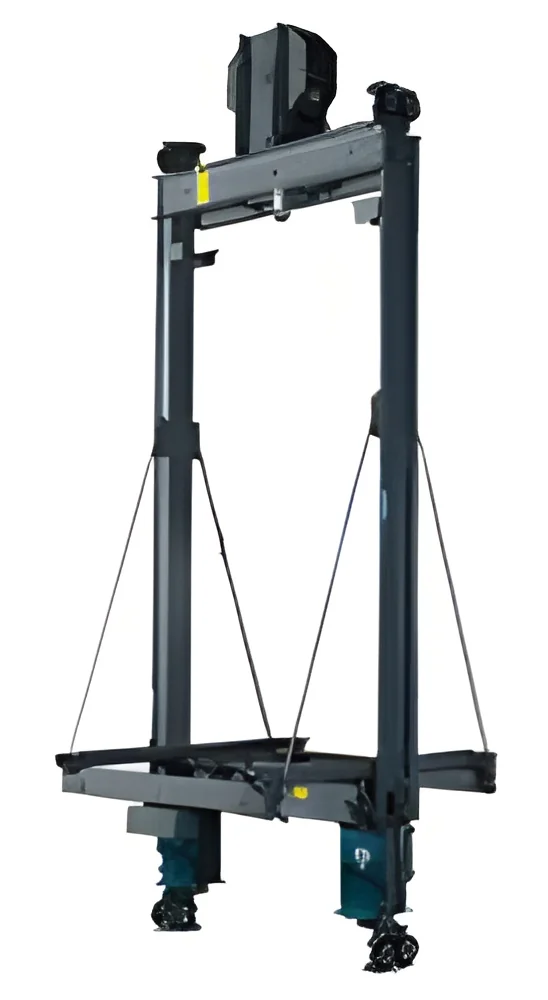
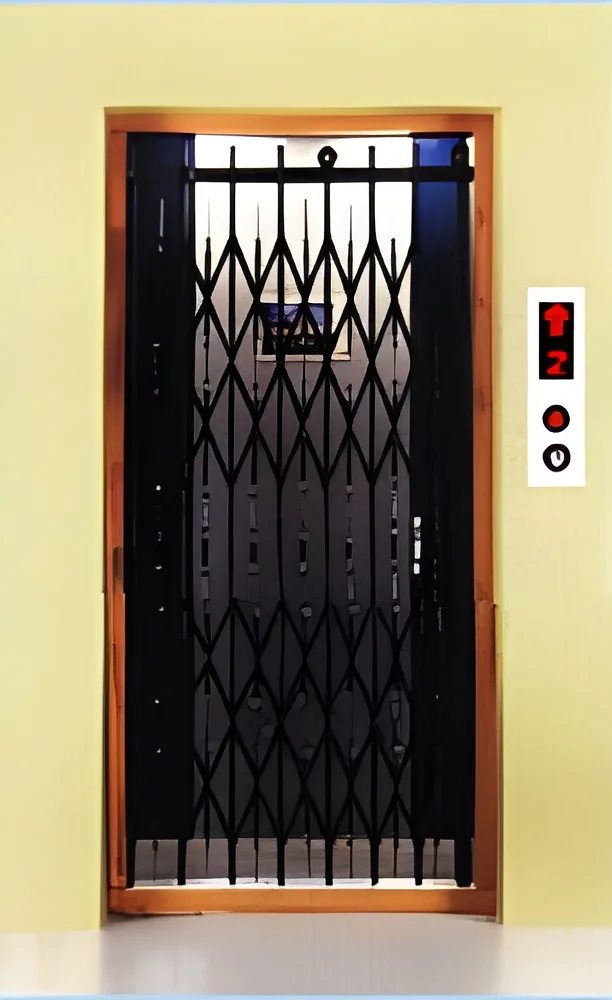
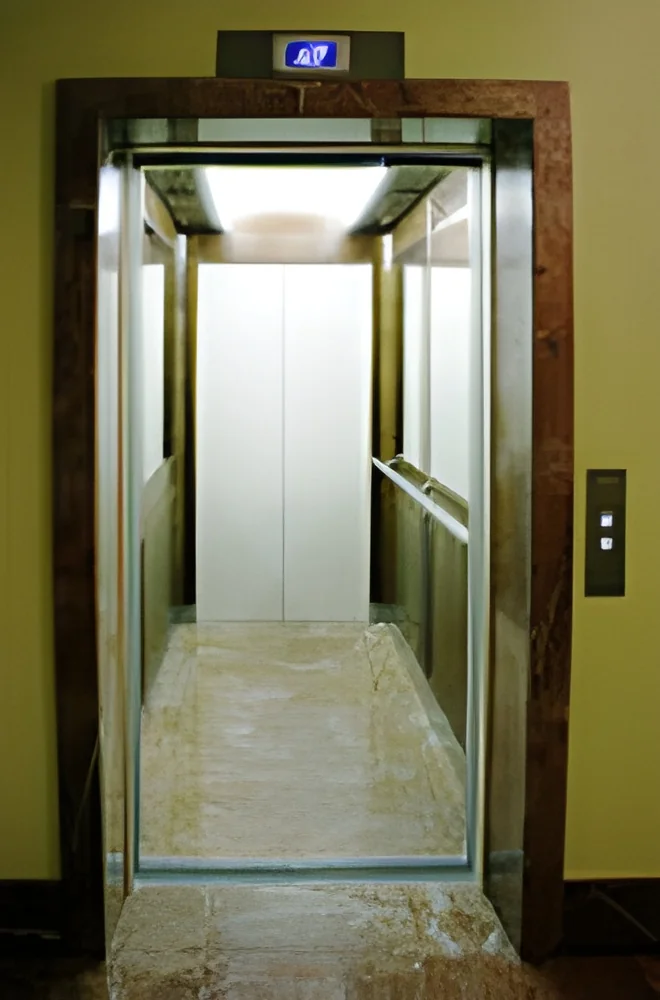
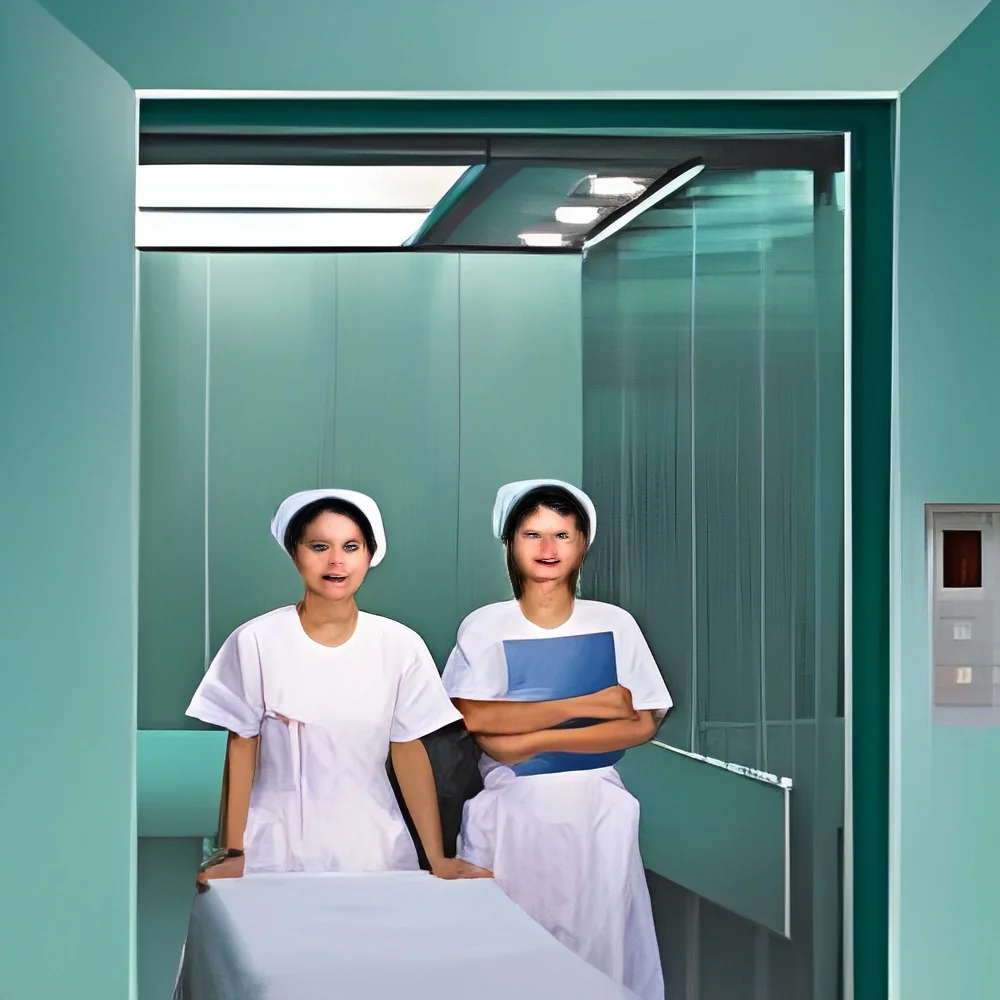
Hospital elevators are specialized vertical transportation systems designed to meet the rigorous demands of high-traffic medical facilities. They prioritize safety, reliability, and operational efficiency, featuring advanced control systems, emergency power backup, and smooth acceleration to ensure patient comfort and uninterrupted service. Built with durable materials and compliance with international standards, these elevators offer robust performance in healthcare settings, minimizing downtime and maintenance. Their design focuses on handling heavy loads and frequent use, making them a critical component for seamless movement in hospitals where precision and dependability are paramount.

These elevators are extensively used in hospitals, nursing homes, medical clinics, and diagnostic centers worldwide. They serve multi-story buildings by enabling efficient transport of patients, medical professionals, equipment, and supplies across different floors. Industries that rely on them incl...
Hospital elevators are specialized vertical transportation systems designed to meet the rigorous demands of high-traffic medical facilities. They prioritize safety, reliability, and operational efficiency, featuring advanced control systems, emergency power backup, and smooth acceleration to ensure patient comfort and uninterrupted service. Built with durable materials and compliance with international standards, these elevators offer robust performance in healthcare settings, minimizing downtime and maintenance. Their design focuses on handling heavy loads and frequent use, making them a critical component for seamless movement in hospitals where precision and dependability are paramount.

These elevators are extensively used in hospitals, nursing homes, medical clinics, and diagnostic centers worldwide. They serve multi-story buildings by enabling efficient transport of patients, medical professionals, equipment, and supplies across different floors. Industries that rely on them include healthcare construction, hospital management, and medical logistics, where elevators must accommodate high traffic volumes, heavy payloads, and strict hygiene protocols. Their application spans emergency departments, surgical suites, patient wards, and outpatient areas, ensuring that critical healthcare operations remain fluid and compliant with safety regulations.

Investing in hospital elevators delivers substantial business value by enhancing operational efficiency, reducing patient wait times, and improving overall care delivery. Their reliability lowers long-term maintenance costs and operational disruptions, while tailored configurations integrate seamlessly with existing infrastructure. These elevators stand out through superior safety features like emergency braking and backup power, earning trust from healthcare providers for consistent performance and adherence to global standards. This ensures peace of mind for facility managers and stakeholders, supporting sustainable healthcare environments.

Key Features:
- Emergency power backup for continuous operation during power outages.
- Smooth acceleration and deceleration to ensure patient comfort and safety.
- Customizable cabin sizes and weight capacities to meet hospital-specific needs.
- Hygienic surfaces with antimicrobial coatings for easy cleaning and infection control.
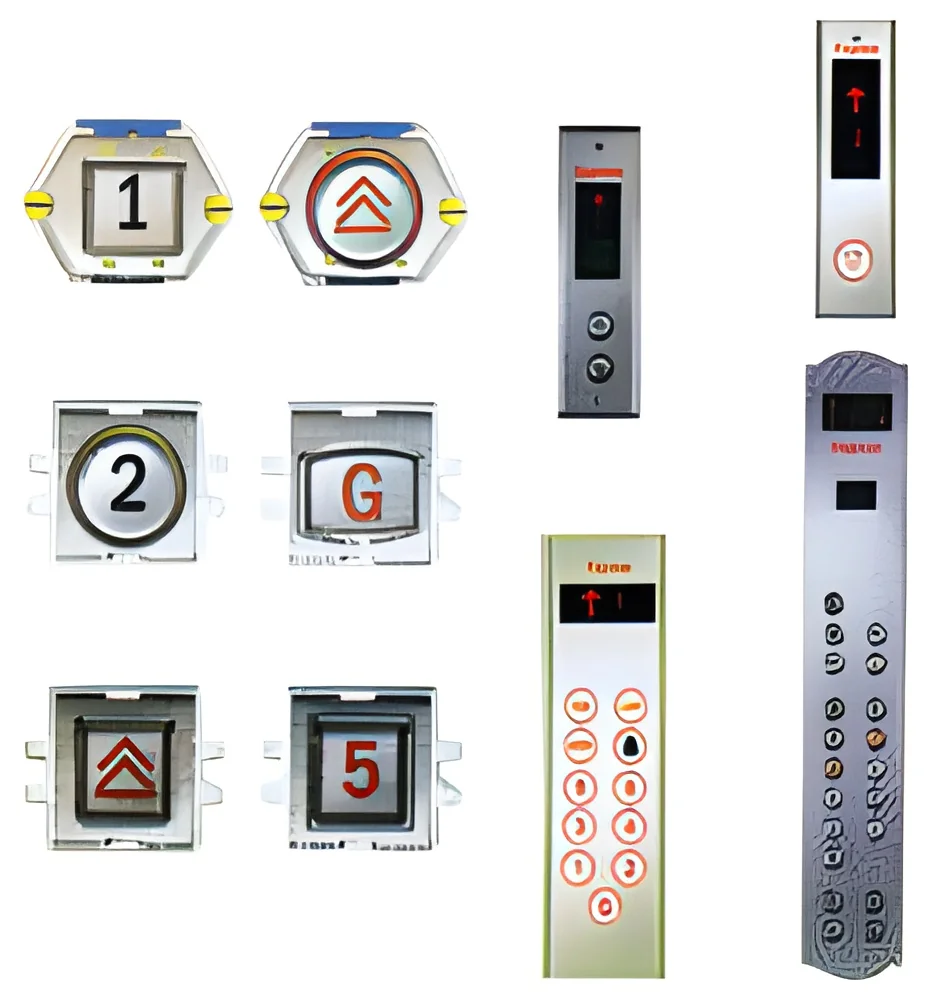
- Advanced control systems with touchless options and priority scheduling for critical transport.

Benefits:
- Enhanced operational efficiency with reduced wait times and improved workflow.
- Increased reliability minimizes maintenance costs and downtime.
- Superior safety features ensure compliance and protect patients and staff.
- Hygienic designs support infection control and easy maintenance.
- Tailored configurations integrate seamlessly with existing healthcare infrastructure.
Specifications
| Additional Information | |
|---|---|
| Country of Origin | India |
Application
Hospital elevators are engineered for demanding healthcare environments where reliability, safety, and efficiency are essential. They facilitate smooth vertical transportation of patients, medical staff, and critical equipment between floors, reducing wait times and enhancing operational workflow in busy medical facilities. These elevators handle stretchers, beds, and heavy medical devices with precision, ensuring minimal disruption during emergencies and routine operations.
Ideal for multi-story hospitals, clinics, and medical centers, these elevators support infection control through easy-to-clean surfaces and robust construction. They meet specific capacity, speed, and accessibility requirements, making them indispensable for modern healthcare infrastructure where patient safety and timely care delivery are top priorities. Their design focuses on durability and compliance with medical standards.
- Transporting patients on stretchers or wheelchairs between emergency rooms, ICUs, and surgical floors.
- Moving medical equipment such as MRI machines, portable X-rays, and hospital beds efficiently.
- Supporting hospital staff and visitors with safe, accessible, and compliant vertical mobility solutions.
- Enabling quick response during emergencies by ensuring reliable elevator operation for critical care teams.
- Facilitating hygiene management with stainless steel or antimicrobial surfaces to reduce infection risks.
Trade Details
| Available Stock | In Stock |
| Sample Availability | No |
Payment Terms
| Payment Terms |
|
Company Profile
Bamrah Brothers, Maharashtra
 Maharashtra, India
Maharashtra, IndiaManufacturer
Factory Details
Factory SizeBelow 1000 sqm
Annual Production Capacity0
Hospital Elevators For High Traffic Medical Facilities With Safety
Hospital elevators for high-traffic medical facilities ensure reliable patient transport with advanced safety features and custom configurations for seamless healthcare operations and strict hygiene standards.
Min. Order Quantity: 1 unit
Shipping
Shipping fee and delivery date to be negotiated. Contact supplier now for more details.
Bamrah Brothers
 Maharashtra, India
Maharashtra, IndiaManufacturer