IN
IN₹
Apparel & Fashion
Loading subcategories...
View More
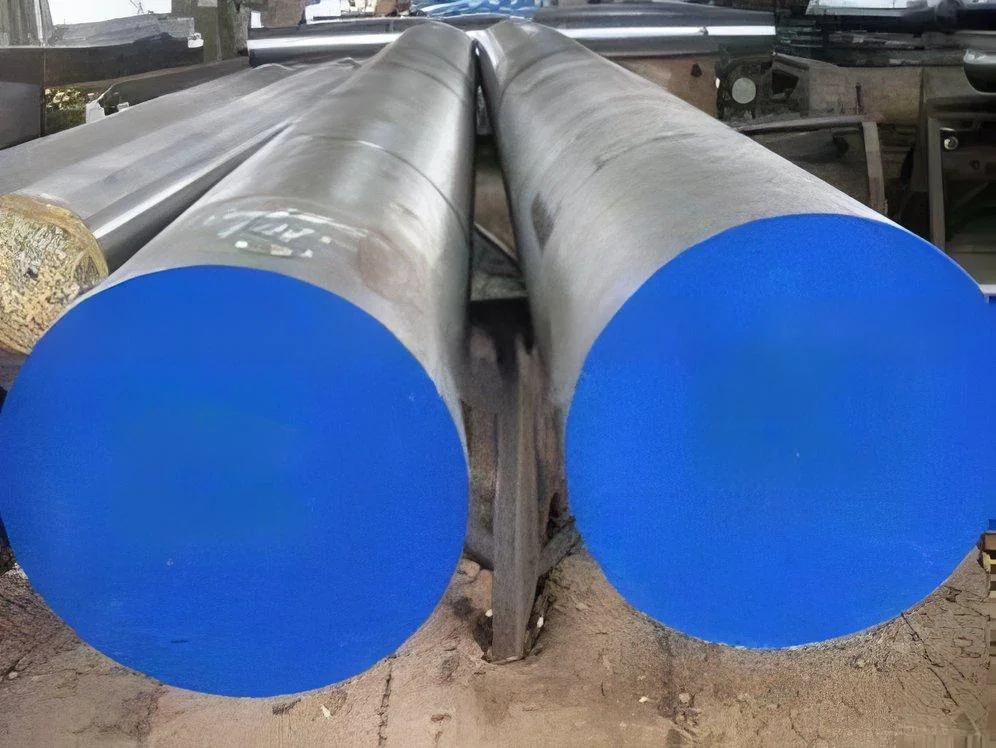
Description
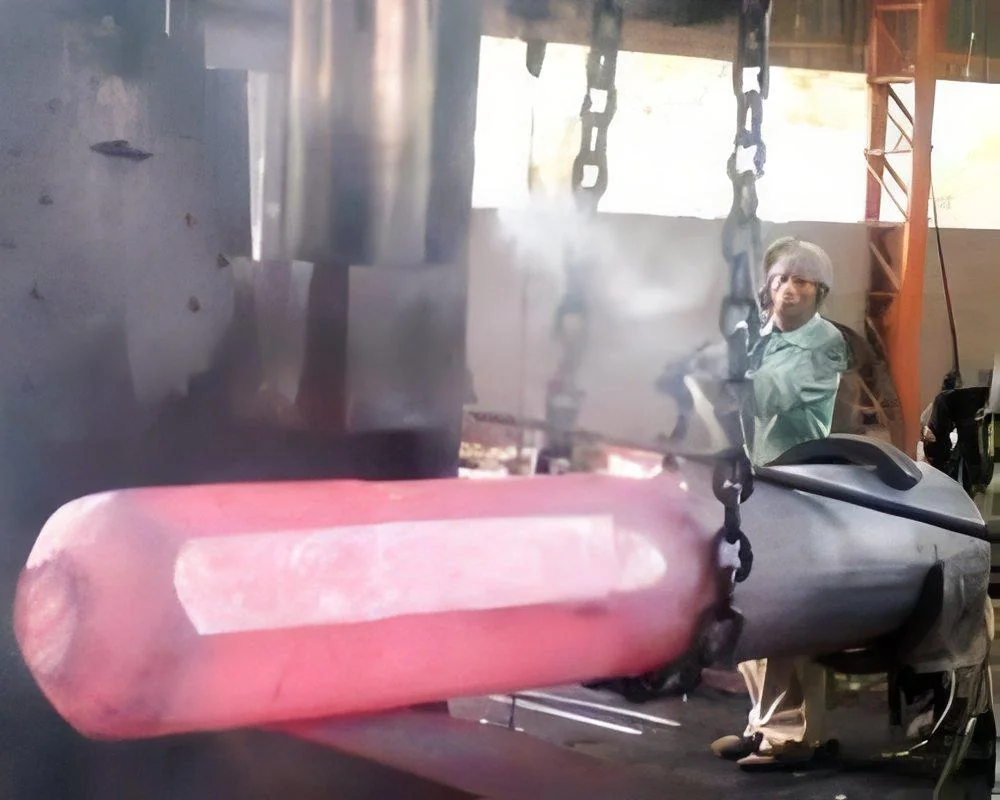
EN24 high tensile steel represents a premium alloy solution designed for demanding industrial applications where strength, durability, and reliability are non-negotiable. This chromium-molybdenum-nickel steel alloy offers exceptional mechanical properties, including high tensile strength up to 1000 MPa, making it suitable for the most challenging engineering environments. Supplied in T condition for optimal machinability, EN24 steel ensures precision manufacturing of critical components while maintaining consistent material properties throughout production processes. The alloy's composition provides excellent through-hardening characteristics, allowing for uniform strength distribution in both large and small cross-sections. This reliability makes EN24 the preferred choice for manufacturers who cannot compromise on material performance or component integrity in their operations.

Across multiple industries, EN24 high tensile steel serves as the backbone of critical machinery and equipm...
EN24 high tensile steel represents a premium alloy solution designed for demanding industrial applications where strength, durability, and reliability are non-negotiable. This chromium-molybdenum-nickel steel alloy offers exceptional mechanical properties, including high tensile strength up to 1000 MPa, making it suitable for the most challenging engineering environments. Supplied in T condition for optimal machinability, EN24 steel ensures precision manufacturing of critical components while maintaining consistent material properties throughout production processes. The alloy's composition provides excellent through-hardening characteristics, allowing for uniform strength distribution in both large and small cross-sections. This reliability makes EN24 the preferred choice for manufacturers who cannot compromise on material performance or component integrity in their operations.

Across multiple industries, EN24 high tensile steel serves as the backbone of critical machinery and equipment. In automotive manufacturing, it forms essential transmission components, drive shafts, and gear systems that must withstand constant torque and stress. Aerospace engineers specify EN24 for engine parts, landing gear components, and structural elements where failure is not an option. Heavy machinery manufacturers rely on this alloy for hydraulic systems, construction equipment, and industrial tools that operate under extreme conditions. The manufacturing sector utilizes EN24 for precision tooling, jigs, fixtures, and machining components that require dimensional stability and wear resistance. This widespread industry adoption demonstrates the material's versatility and proven performance across diverse applications and operating environments.

Businesses choosing EN24 high tensile steel gain significant operational advantages through enhanced reliability and reduced lifecycle costs. The material's superior strength and wear characteristics translate to longer component life, minimizing downtime and replacement expenses. Manufacturers benefit from improved production efficiency due to the alloy's excellent machinability, which reduces processing time and tool wear. The consistent quality of EN24 steel ensures predictable performance in critical applications, reducing the risk of unexpected failures and associated costs. These combined benefits make EN24 high tensile steel a smart investment for businesses prioritizing operational reliability, cost efficiency, and long-term performance in their manufacturing processes.

Key Features:
- High tensile strength ranging from 850 to 1000 MPa for superior load-bearing capacity
- Excellent shock and impact resistance capable of withstanding sudden load variations
- Superior wear resistance properties that extend component service life in abrasive environments
- Readily machinable in T condition for precision manufacturing and reduced processing time
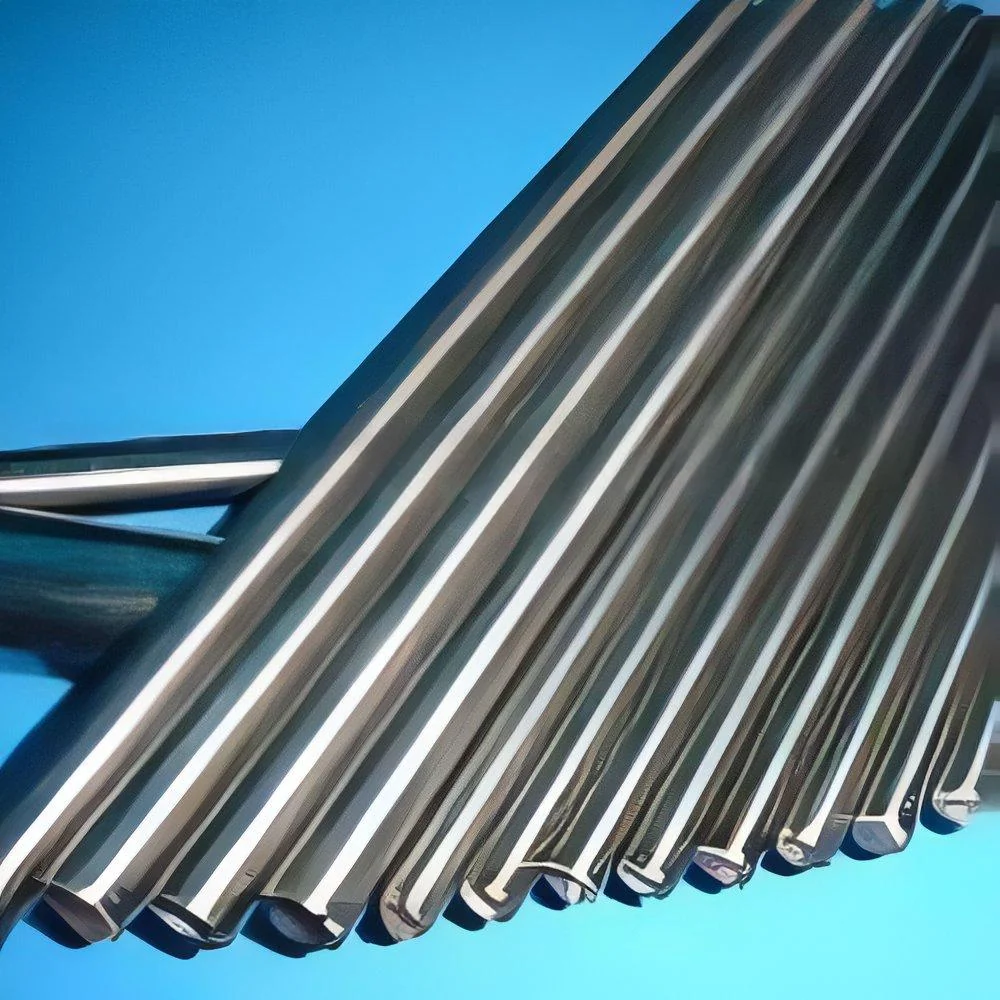
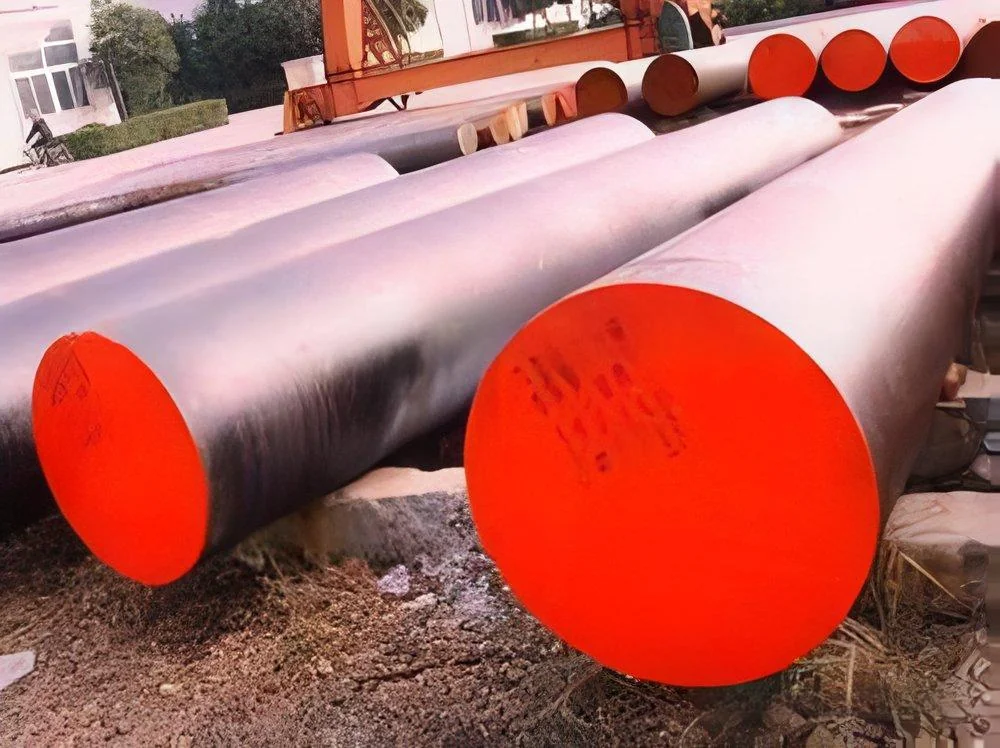
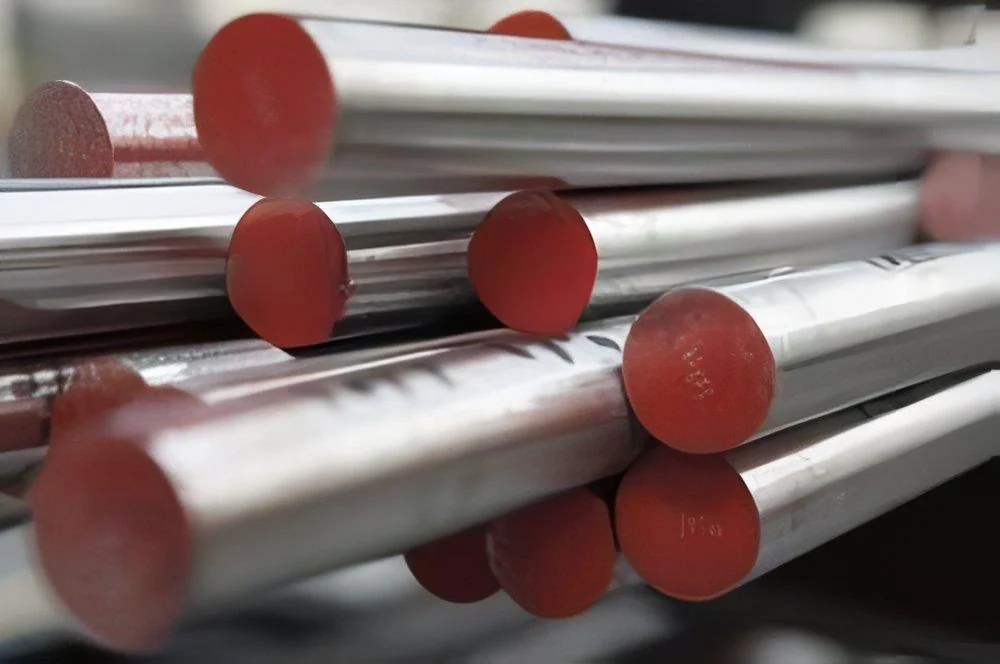
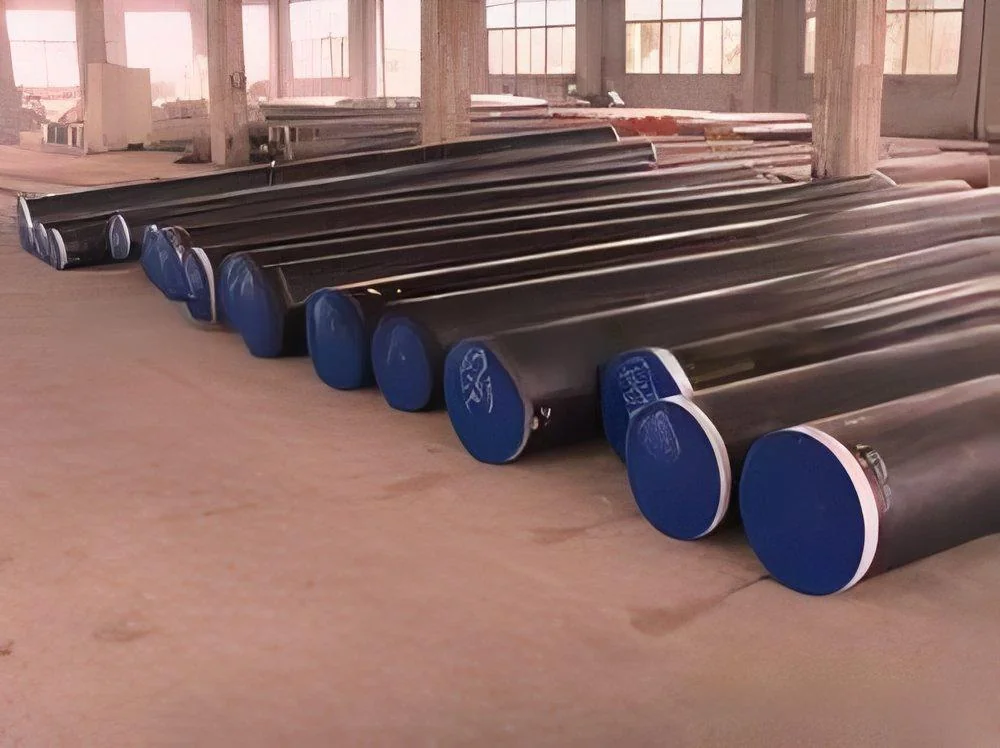
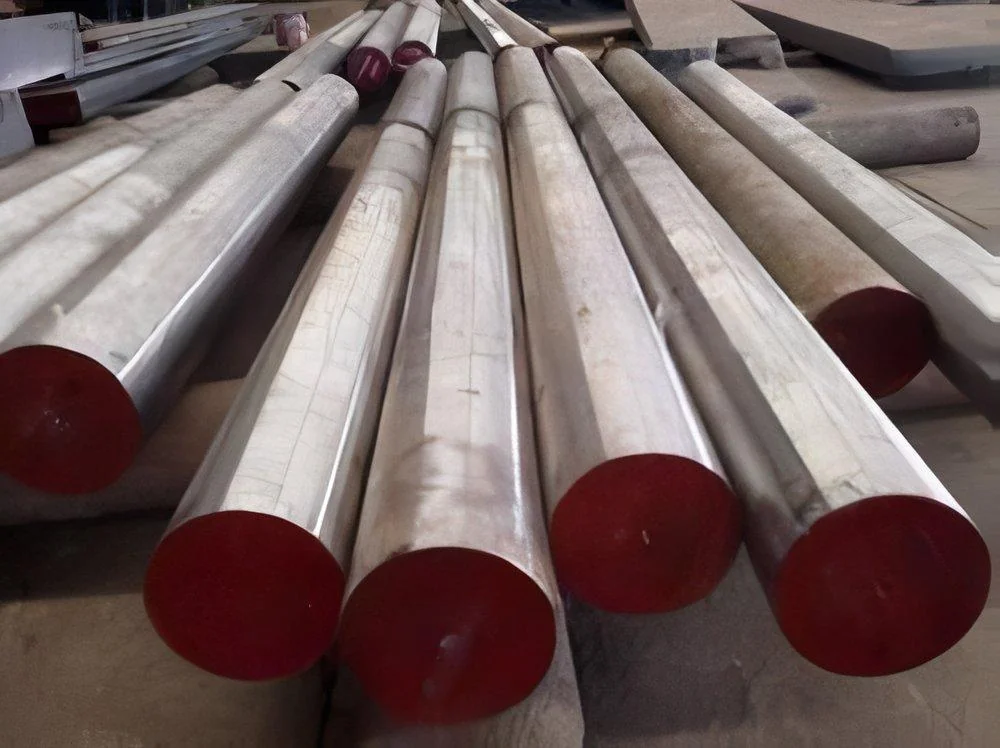
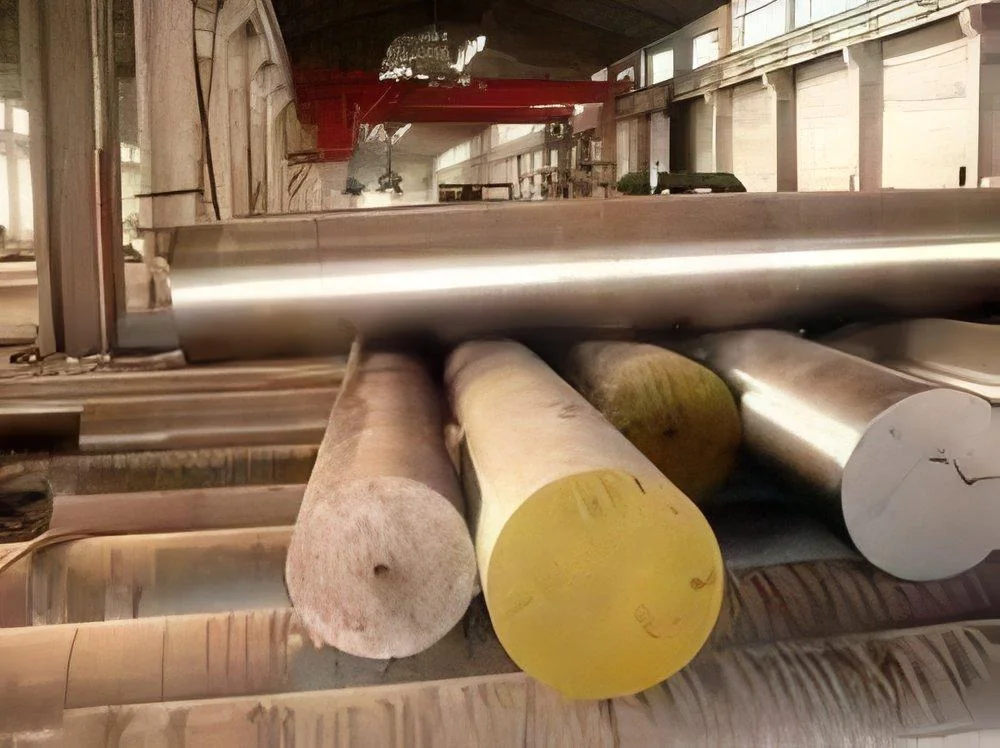
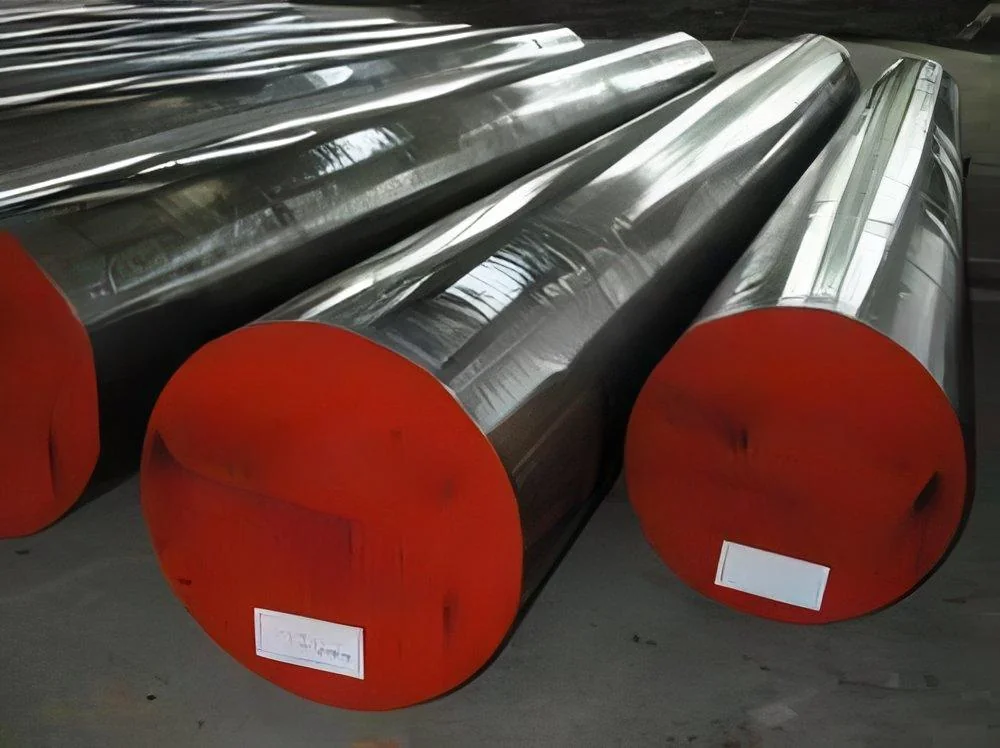
- Available in multiple forms including round bars, flat bars, and plates with customizable dimensions

Benefits:
- Extended component lifespan through superior wear resistance and durability
- Reduced maintenance costs and downtime due to reliable performance under stress
- Improved manufacturing efficiency with excellent machinability in T condition
- Enhanced operational safety through consistent material quality and predictable performance
- Versatile application across multiple industries and component types
Specifications
| Additional Information | |
|---|---|
| Country of Origin | India |
| Customisable | No |
Application
EN24 high tensile steel is engineered for industries demanding durable, high-performance materials under extreme stress conditions. Its superior machinability and strength make it ideal for critical components in automotive, aerospace, and heavy machinery sectors where failure is not an option. This alloy provides exceptional reliability in high-load environments while supporting manufacturing efficiency and long-term operational safety across various engineering applications.
Manufacturers choose EN24 steel for its consistent quality and ability to withstand rigorous operational demands. The material's excellent shock absorption and wear characteristics make it suitable for components subject to repetitive stress and impact loads. Its versatility allows for use in both standard applications across multiple industrial sectors requiring precision engineering and dependable performance.
- Gears and shafts in automotive transmissions and powertrains
- Bolts, connecting rods, and landing gear components in aerospace engineering
- Hydraulic cylinders, pistons, and pump components in industrial machinery
- Tool holders, jigs, fixtures, and machining components for manufacturing
- Structural parts, axles, and load-bearing components for construction equipment
Trade Details
| Available Stock | In Stock |
| Sample Availability | No |
Payment Terms
| Payment Terms |
|
Company Profile
Panchratna Steel, Maharashtra
 Maharashtra, India
Maharashtra, IndiaRaw Materials & Chemicals•Distributor / Wholesaler
Factory Details
Factory SizeBelow 1000 sqm
Annual Production Capacity0
EN24 High Tensile Steel Alloy Superior Strength Shock Wear Resistance
EN24 high tensile steel alloy delivers superior strength, shock resistance, and wear resistance for heavy-duty industrial applications. Supplied readily machinable in T condition, it ensures precision reliability for gears, shafts, and structural components.
Min. Order Quantity: 1 unit
Shipping
Shipping fee and delivery date to be negotiated. Contact supplier now for more details.
Panchratna Steel
 Maharashtra, India
Maharashtra, IndiaRaw Materials & ChemicalsDistributor / Wholesaler